Beyond the Traditional Safari: An Exclusive Exploration of Miavana by Time + Tide on Madagascar’s Nosy Ankao Archipelago

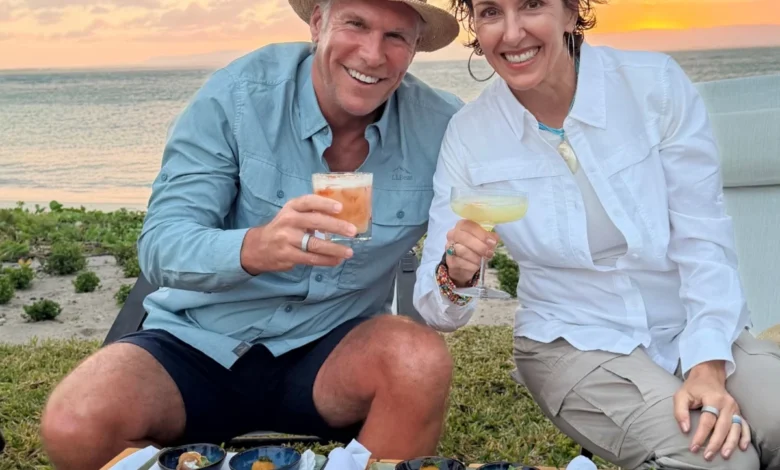
The global luxury travel sector has witnessed a profound shift toward hyper-remote, ecologically pristine destinations where isolation serves as the ultimate amenity. Among the properties defining this paradigm is Miavana by Time + Tide, a premier private-island resort situated on Nosy Ankao within a protected marine and terrestrial archipelago off the northeastern coast of Madagascar. Accessible exclusively via helicopter, the resort represents a convergence of high-end hospitality, biodiversity conservation, and experiential adventure, offering an alternative to traditional mainland African safaris.
Main Facts and Geographic Context
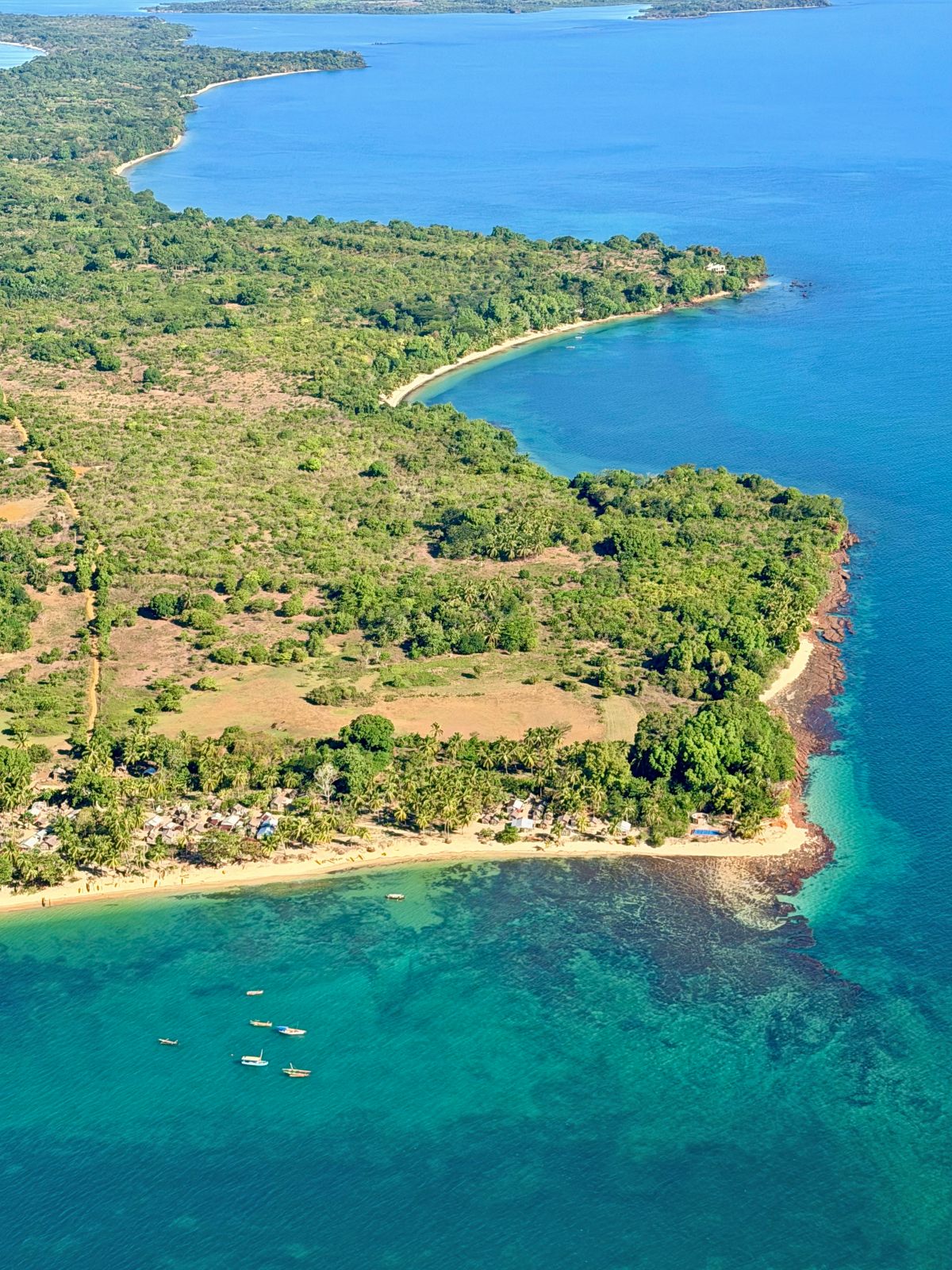
Nosy Ankao is the largest island in an isolated archipelago characterized by powdery white sand beaches, barrier reefs, and turquoise waters of the Indian Ocean. Madagascar itself, located roughly 250 miles (400 kilometers) off the southeastern coast of mainland Africa, separated from the Gondwana supercontinent millions of years ago. This profound geographical isolation fostered an endemic ecosystem wherein more than 80 percent of its plant and animal species—most notably lemurs, chameleons, and unique flora such as towering baobab trees—exist nowhere else on Earth.
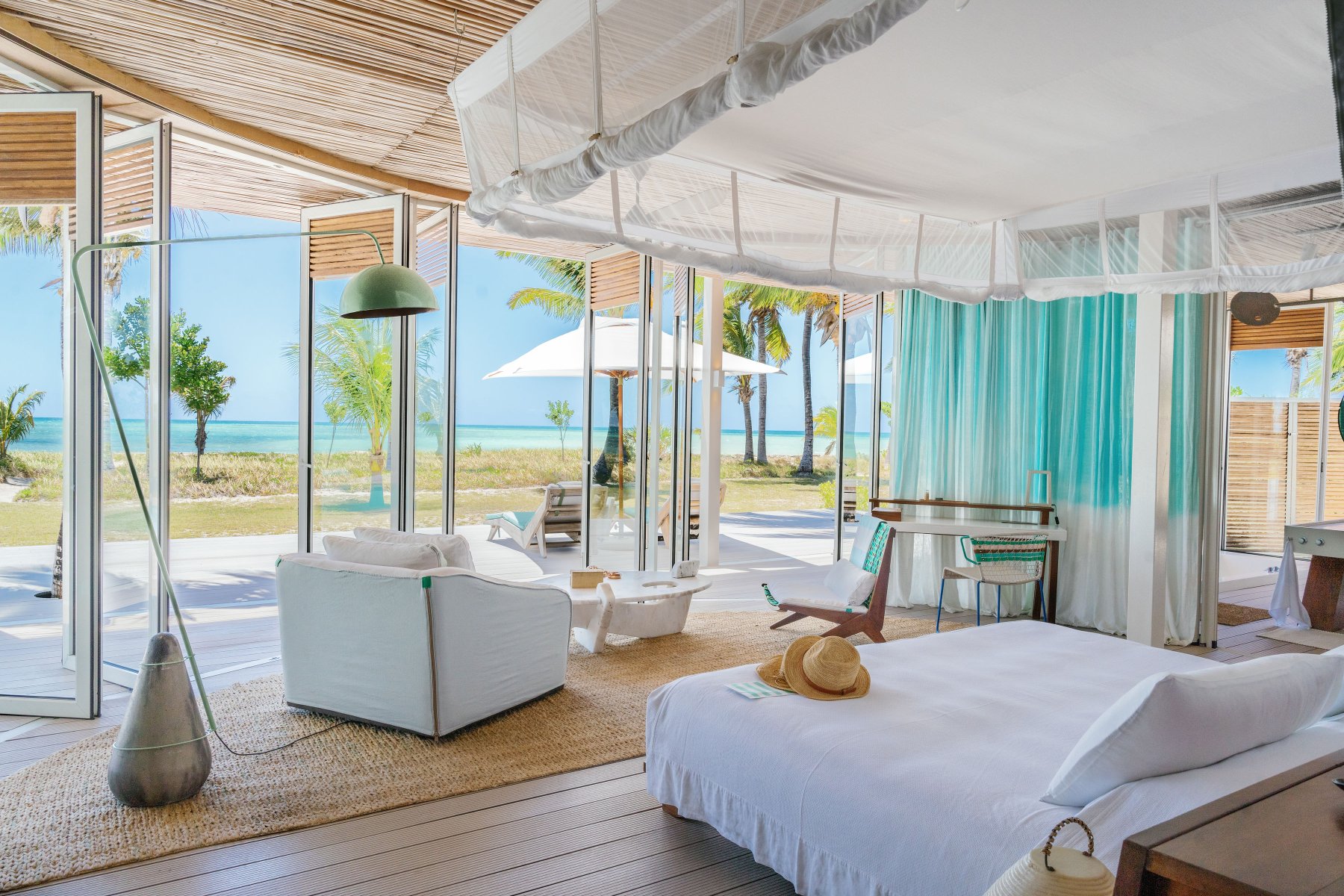
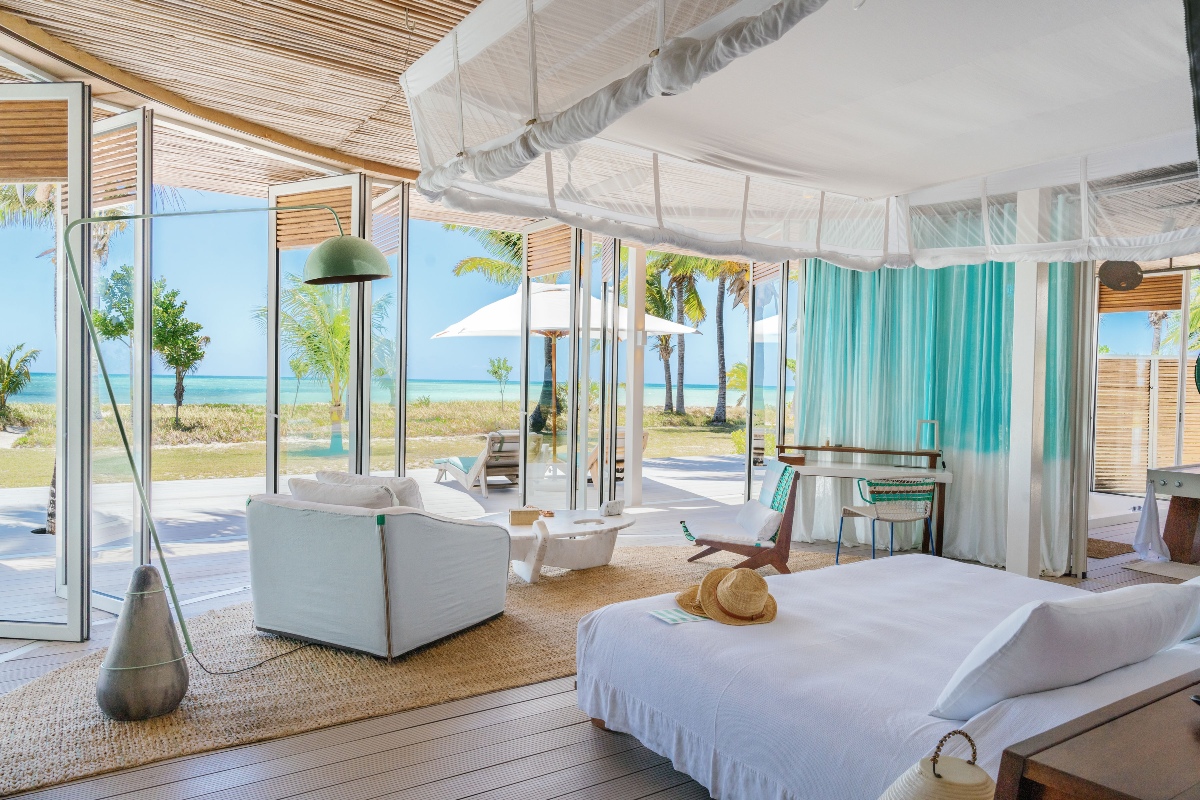
Miavana features 13 oceanfront villas in one-, two-, and three-bedroom configurations. Each residence is designed with high ceilings, expansive living areas, private freshwater infinity pools, and retractable floor-to-ceiling glass walls that integrate indoor spaces with the surrounding coastal environment. The resort operates on a philosophy of barefoot luxury, deliberately eschewing rigid formality in favor of personalized itineraries, private butler service, and comprehensive access to both marine and terrestrial expeditions.
Logistics and Chronology of Access
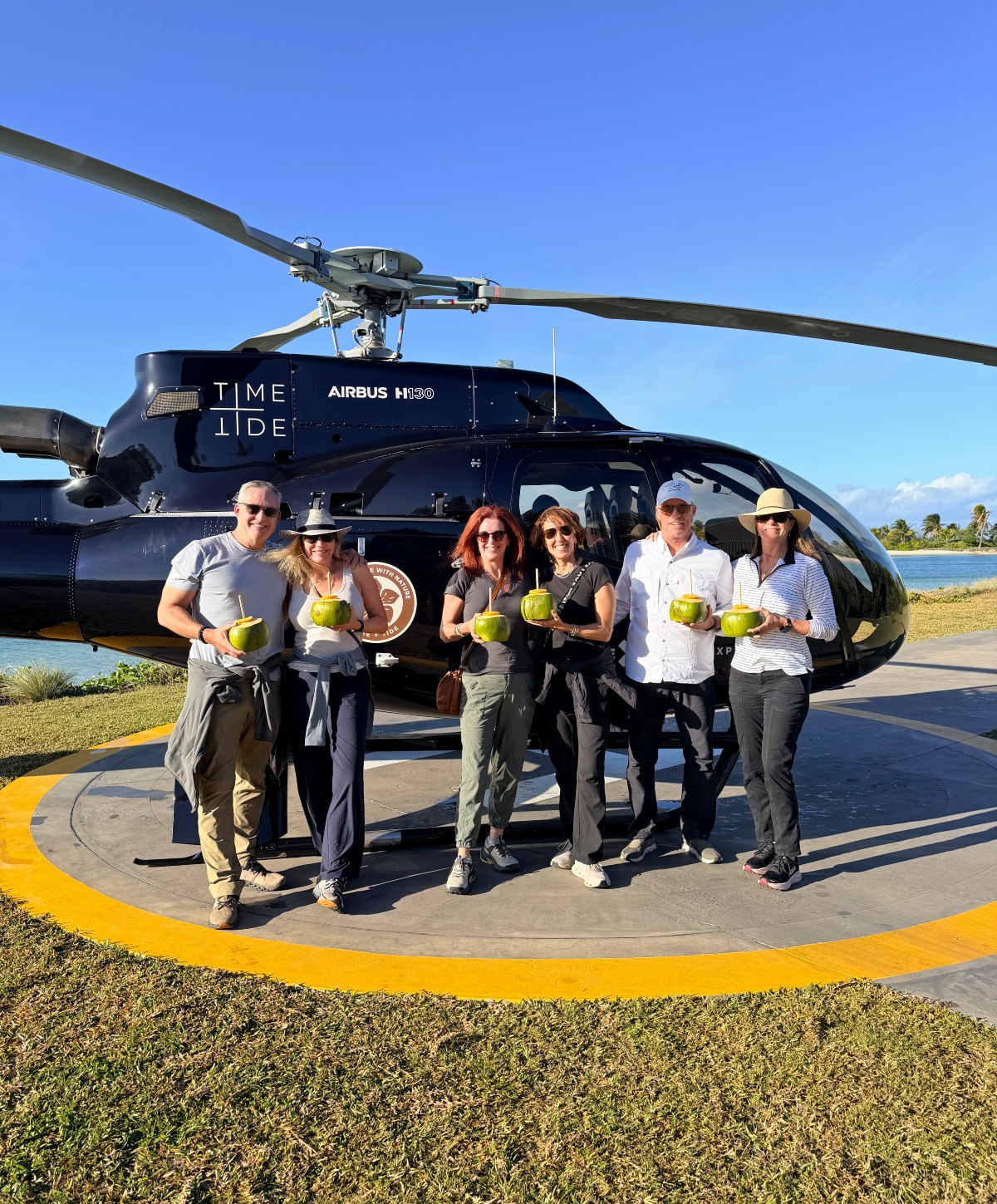
Reaching an ultra-remote destination such as Nosy Ankao requires meticulous logistical planning. Typically, international travelers routing through major transport hubs in South Africa—such as O.R. Tambo International Airport in Johannesburg—pause overnight before catching regional commercial flights to Madagascar. From there, the final leg of the journey relies on specialized aviation partners, such as the Exeter Safari Company working alongside Ciao Bambino, to coordinate helicopter transfers directly to the resort’s private helipad.
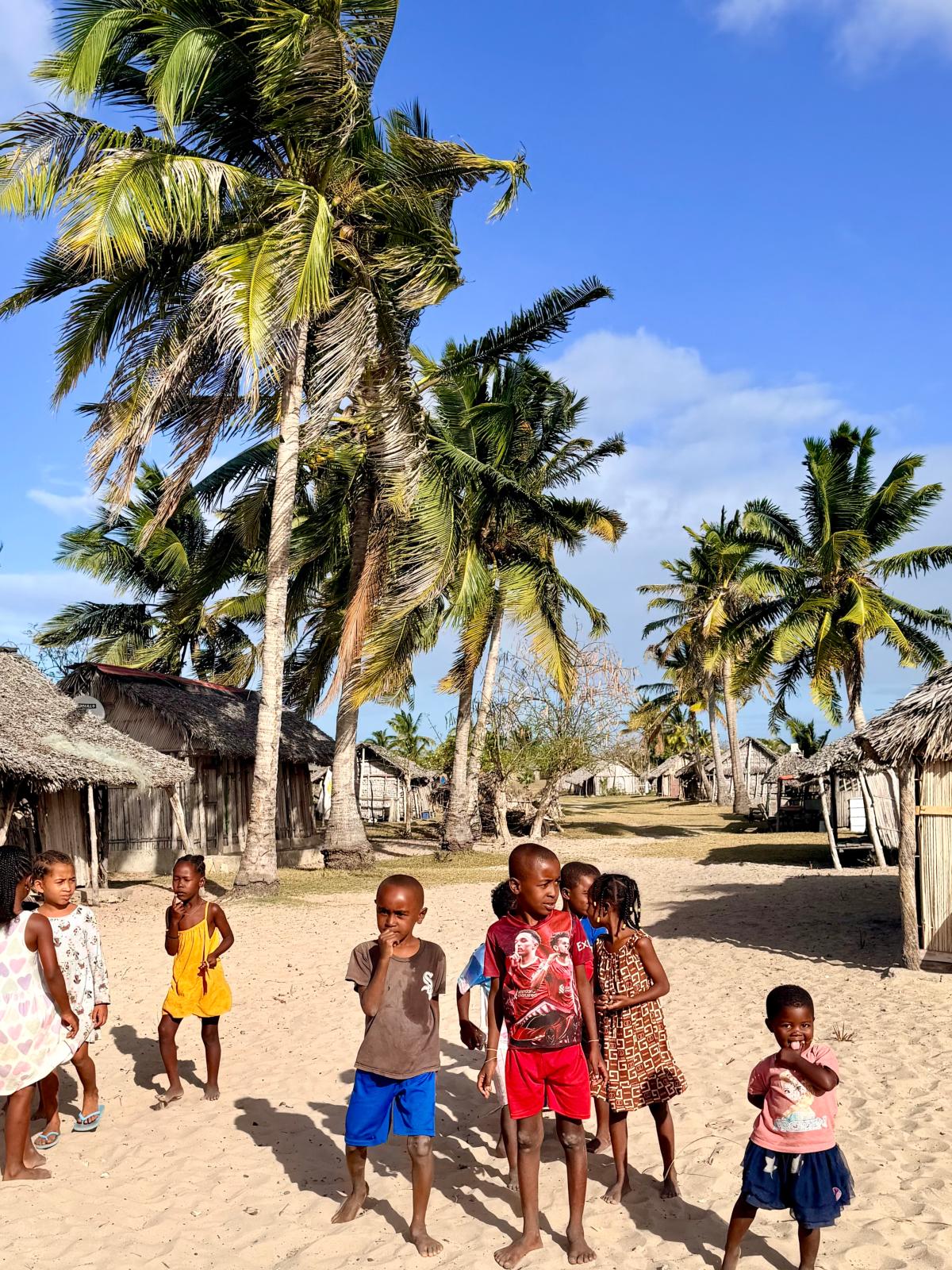
This multi-stage transit underscores the destination’s exclusivity. Rather than interrupting the travel experience, the aerial transfer serves as an introductory excursion, granting passengers sweeping views of baobab forests, rural agricultural landscapes, traditional thatched villages, and sweeping coastal topography before landing on the island.
Ecotourism and Wildlife Excursions
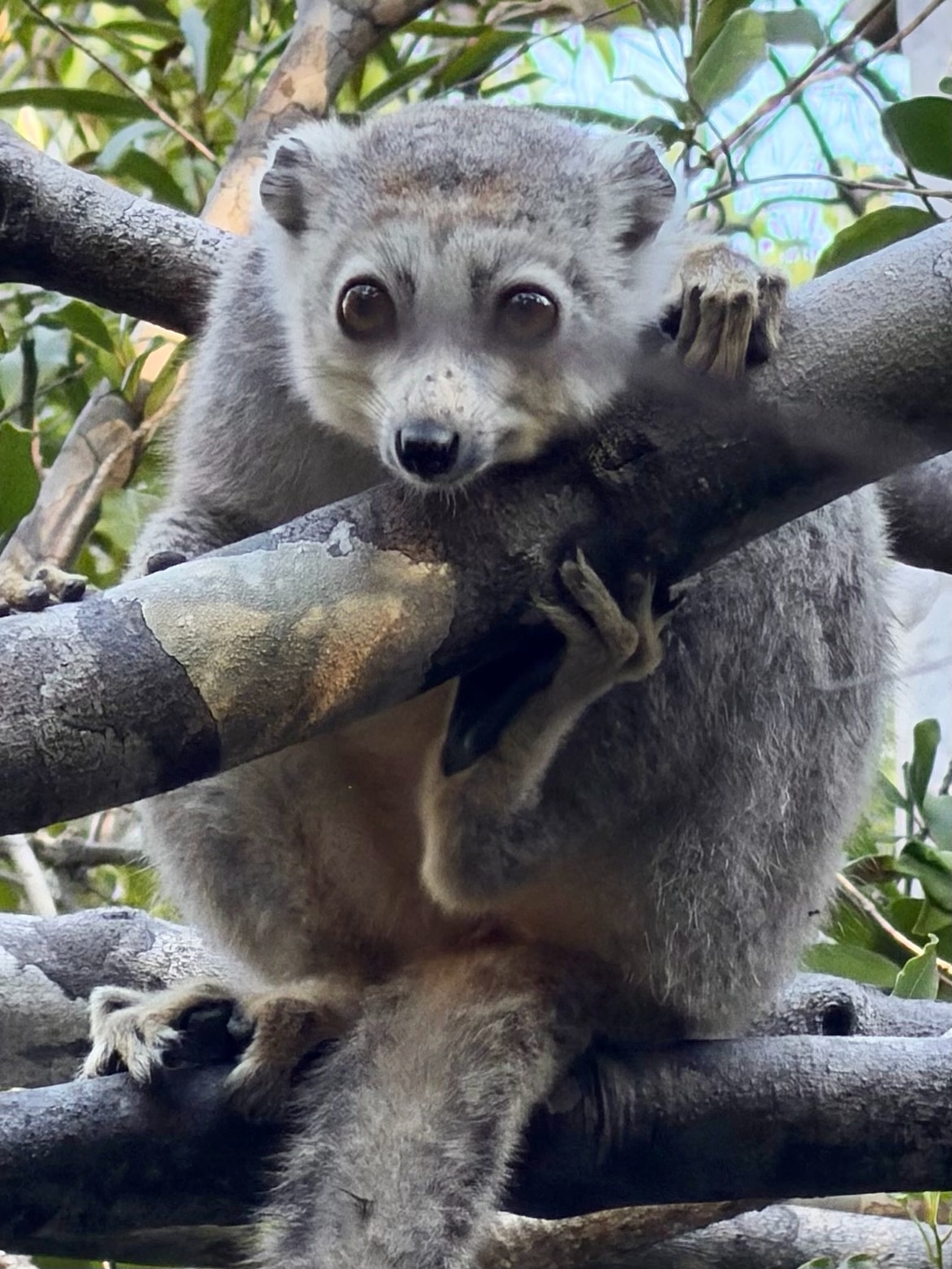
A primary draw for travelers venturing beyond standard safari circuits is Madagascar’s distinct wildlife. Miavana leverages its dedicated fleet of twin-engine helicopters to bridge the gap between its marine setting and the island nation’s mainland interior. Guided excursions transport guests to remote forests and national parks to observe various lemur species, including critically endangered populations inhabiting vanishing habitats.
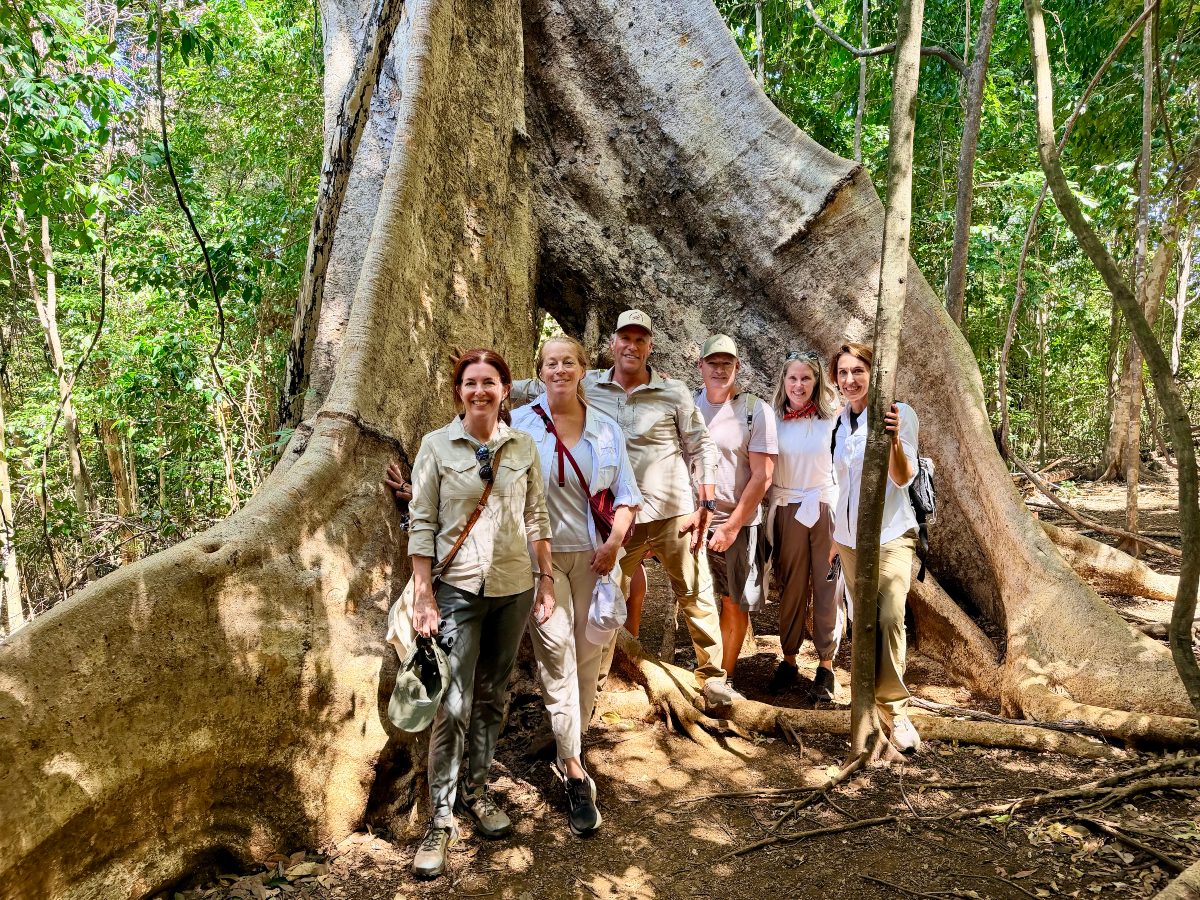
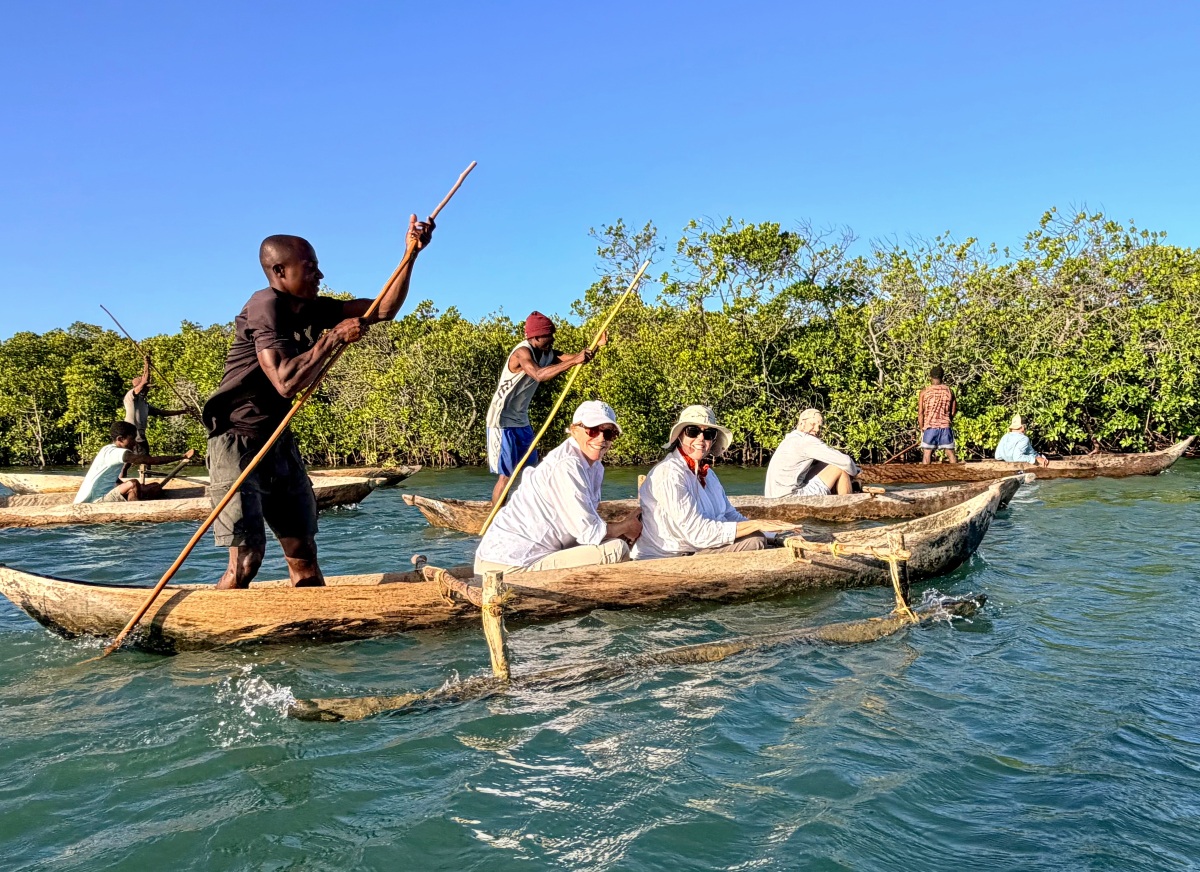
Conservationists and wildlife experts have long emphasized the fragility of Madagascar’s ecosystems. By integrating high-end tourism with guided, low-impact wildlife viewing, properties like Miavana provide economic justification for habitat preservation. Local guides accompany guests through dense canopies to observe indigenous fauna, blending adventure tourism with biological education. Beyond primate tracking, on-property activities encompass marine sports—such as scuba diving, snorkeling, deep-sea fishing, and mangrove kayaking via traditional dugout canoes—as well as land-based exploration via all-terrain vehicles (ATVs) leading to historical sites like 19th-century lighthouses.
Culinary Program and Remote Island Operations
Providing a world-class culinary program on a remote island presents significant logistical challenges, primarily centered around supply chains. Miavana addresses this by sourcing fresh seafood directly from the surrounding Indian Ocean—including line-caught fish and large locally sourced crustaceans—and pairing these catches with imported provisions and regional specialties like South African biltong.
Dining operations are decentralized across multiple venues, including the main Piazza Restaurant and Lounge, the casual toes-in-the-sand venue Silvio’s, and the beachside Crab Shack. Furthermore, personalized in-villa dining allows guests to curate their schedules independently of traditional restaurant hours. This flexibility caters particularly well to multi-generational family groups and private parties seeking customized itineraries without rigid operational constraints.
Implications and Broader Market Trends
The development of ultra-exclusive properties like Miavana reflects broader shifts in high-net-worth travel preferences. Modern luxury consumers increasingly prioritize privacy, space, and purposeful travel over traditional urban hospitality or densely populated resort hubs. Furthermore, the integration of high-end tourism into vulnerable ecosystems highlights the ongoing debate regarding sustainable development. Proponents argue that luxury ecotourism generates vital revenue for local conservation initiatives, employment, and infrastructure development in isolated regions. Conversely, critics note the high carbon footprint associated with long-haul international flights and helicopter transfers.
As the travel industry continues to evolve post-pandemic, destinations offering absolute seclusion coupled with curated educational and outdoor experiences are expected to maintain strong demand. Miavana by Time + Tide exemplifies this trajectory, demonstrating how remote geography, when paired with bespoke logistics and conservation-minded programming, can redefine the boundaries of modern luxury expedition travel.