A Culinary Pilgrimage to Belo Horizonte: Unveiling the Legacy of Bar Do Careca and Brazil’s Iconic Feijão Tropeiro

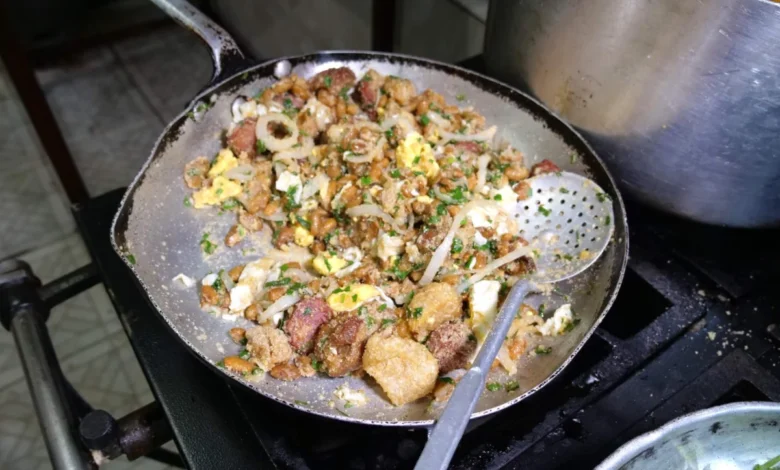
The culinary landscape of Minas Gerais, Brazil, is anchored in traditions that trace their lineage back centuries, finding expression in humble neighborhood establishments where recipes are preserved through decades of meticulous execution. Among these culinary institutions, Bar Do Careca in Belo Horizonte stands as a testament to the enduring appeal of regional Brazilian comfort food. Situated in a quiet residential district that belies the intense activity within its kitchen, the restaurant has earned a revered status among locals and international gastronomes alike for serving what many consider the definitive version of Feijão Tropeiro, a hearty dish combining beans, pork, and cassava.
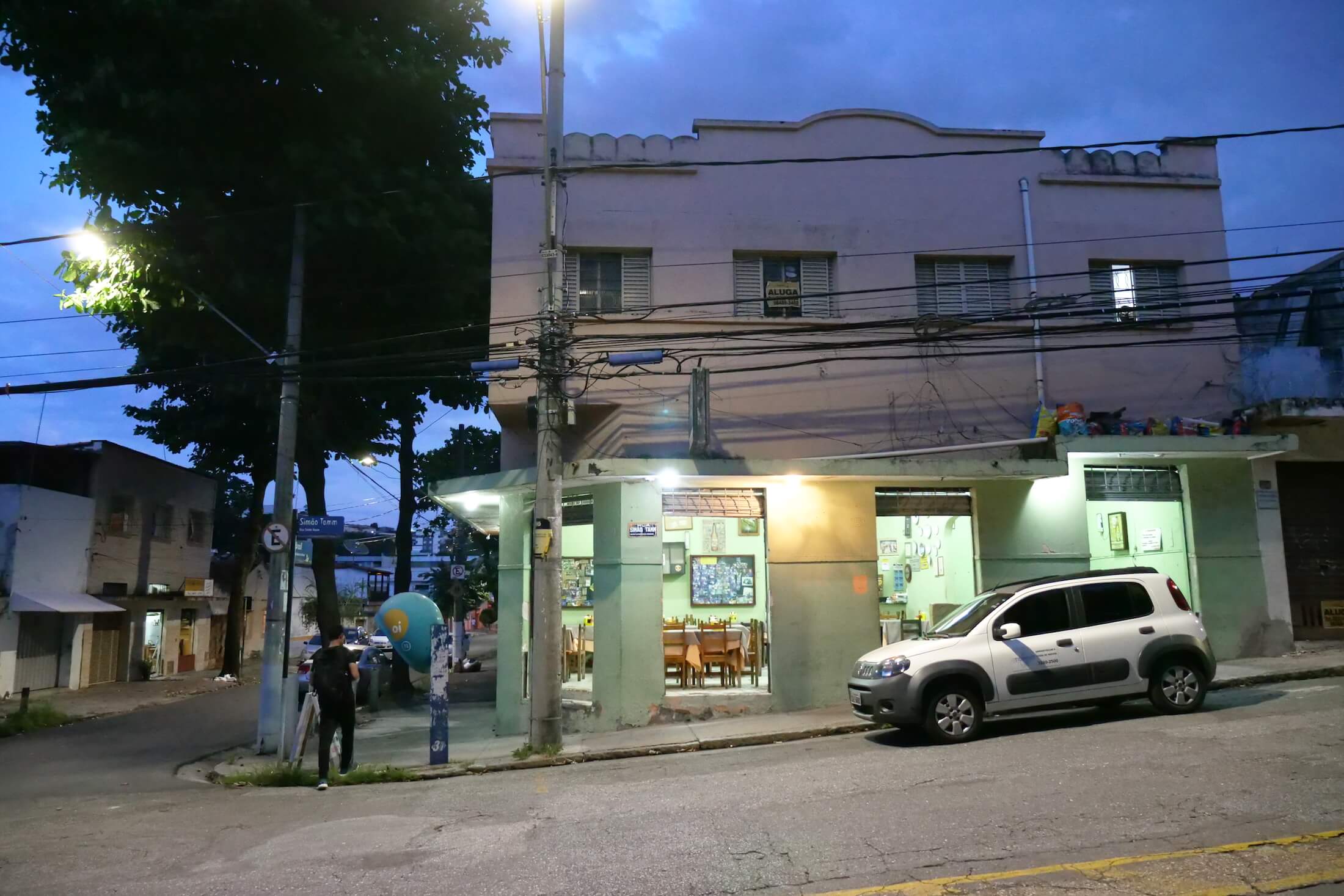
To understand the significance of Bar Do Careca is to examine the broader historical and cultural fabric of Minas Gerais, a state widely recognized within Brazil as the heartland of authentic domestic cuisine. While coastal regions often receive international acclaim for seafood and churrascarias, the interior of Brazil relies on a deeply comforting triad of staples: diverse beans, various cuts of locally sourced meat, and heavy starches such as manioc and potatoes. Bar Do Careca elevates these foundational elements through rigorous preparation methods refined over a generational timeline.
Historical Context and the Origins of Feijão Tropeiro
The dish that draws patrons to Bar Do Careca carries a name deeply rooted in Brazilian colonial history. Feijão Tropeiro translates literally to "trapper beans" or "drover beans," a nod to the tropeiros—the rugged mule drivers and cattle drovers who traversed the vast interior of Brazil during the 17th, 18th, and 19th centuries. These traders moved livestock and supplies across immense distances, necessitating meals that were high in caloric density, stable for travel, and simple to prepare using minimal equipment over open fires.
Traditionally, the drovers relied on non-perishable ingredients: dried beans, salted meats, lard, flour, and dried manioc (farinha). When rehydrated and cooked together in a single vessel, these components created a dense, highly satisfying meal that sustained workers through grueling weeks on the trail. Over generations, this trailside necessity transitioned from a survival ration into a celebrated regional delicacy. In the hands of skilled practitioners, the dish evolved from a utilitarian mix into a complex harmony of flavors, incorporating fresh herbs, eggs, and locally crafted sausages without losing its foundational identity as supreme comfort food.
Inside the Kitchen: Crafting Minas Gerais Comfort Food
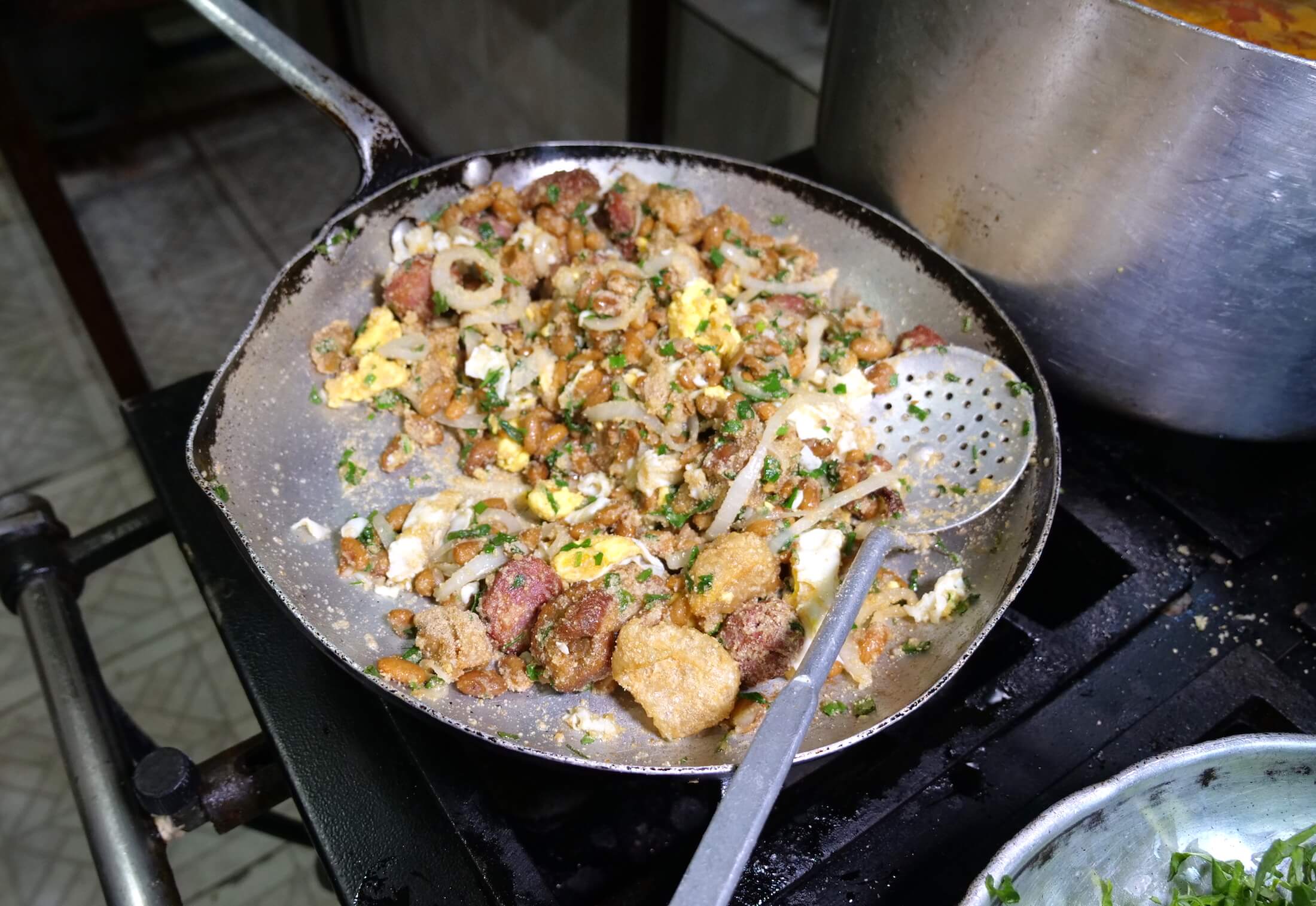
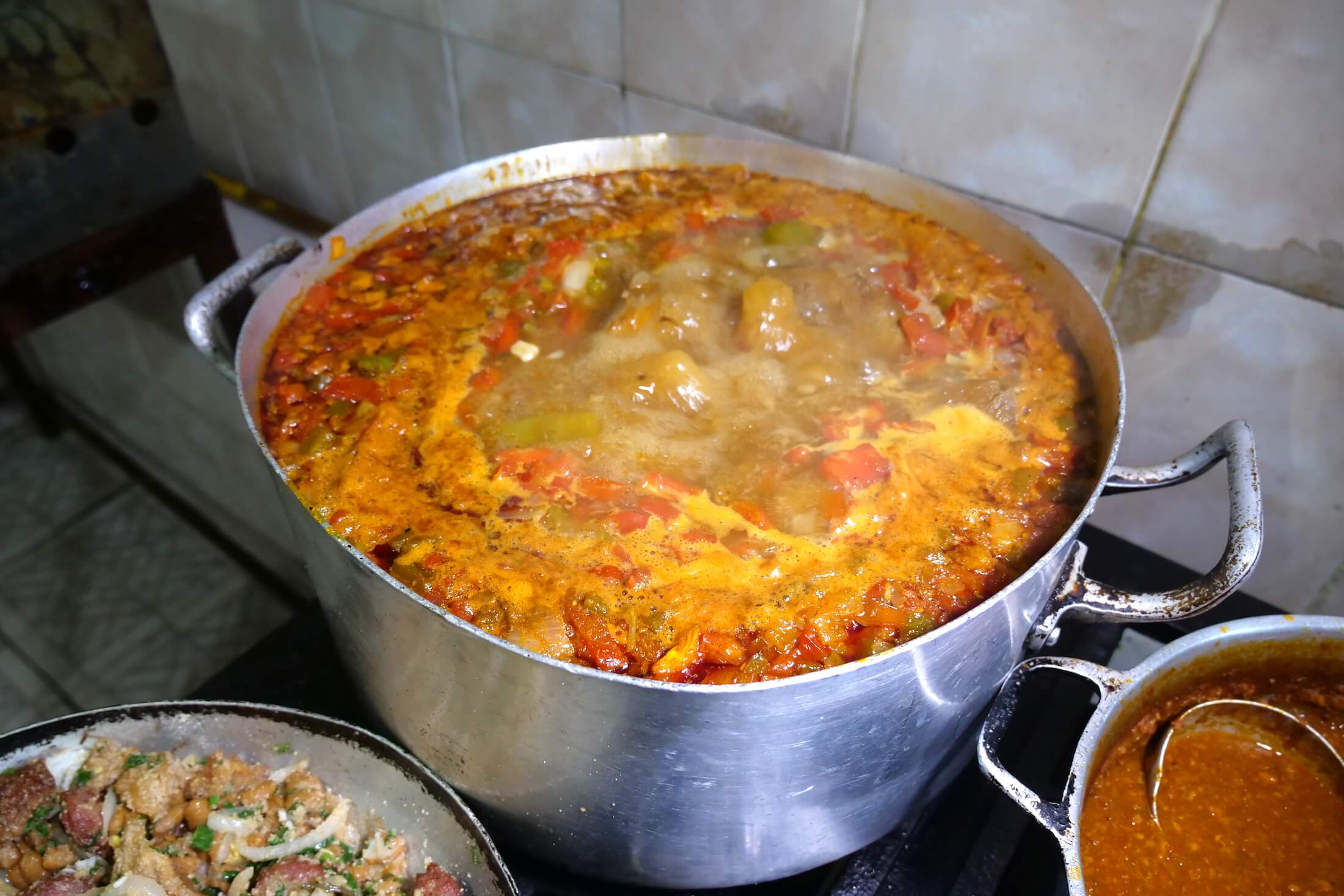
Operating a kitchen of this caliber requires an intimate understanding of thermodynamics, timing, and flavor balancing. At Bar Do Careca, the production of Feijão Tropeiro is a multi-stage culinary performance executed with practiced precision. The process begins early in the day with the preparation of a foundational vegetable broth—a massive stockpot containing a dense concentration of red beans, tomatoes, garlic, onions, and peppers. This broth serves as the hydration engine for various dishes, preventing them from drying out during prolonged high-heat cooking while continuously infusing deep layers of flavor.
The assembly of a single platter of Feijão Tropeiro involves a sequence of specialized pans, each dedicated to a distinct chemical and textural transformation:
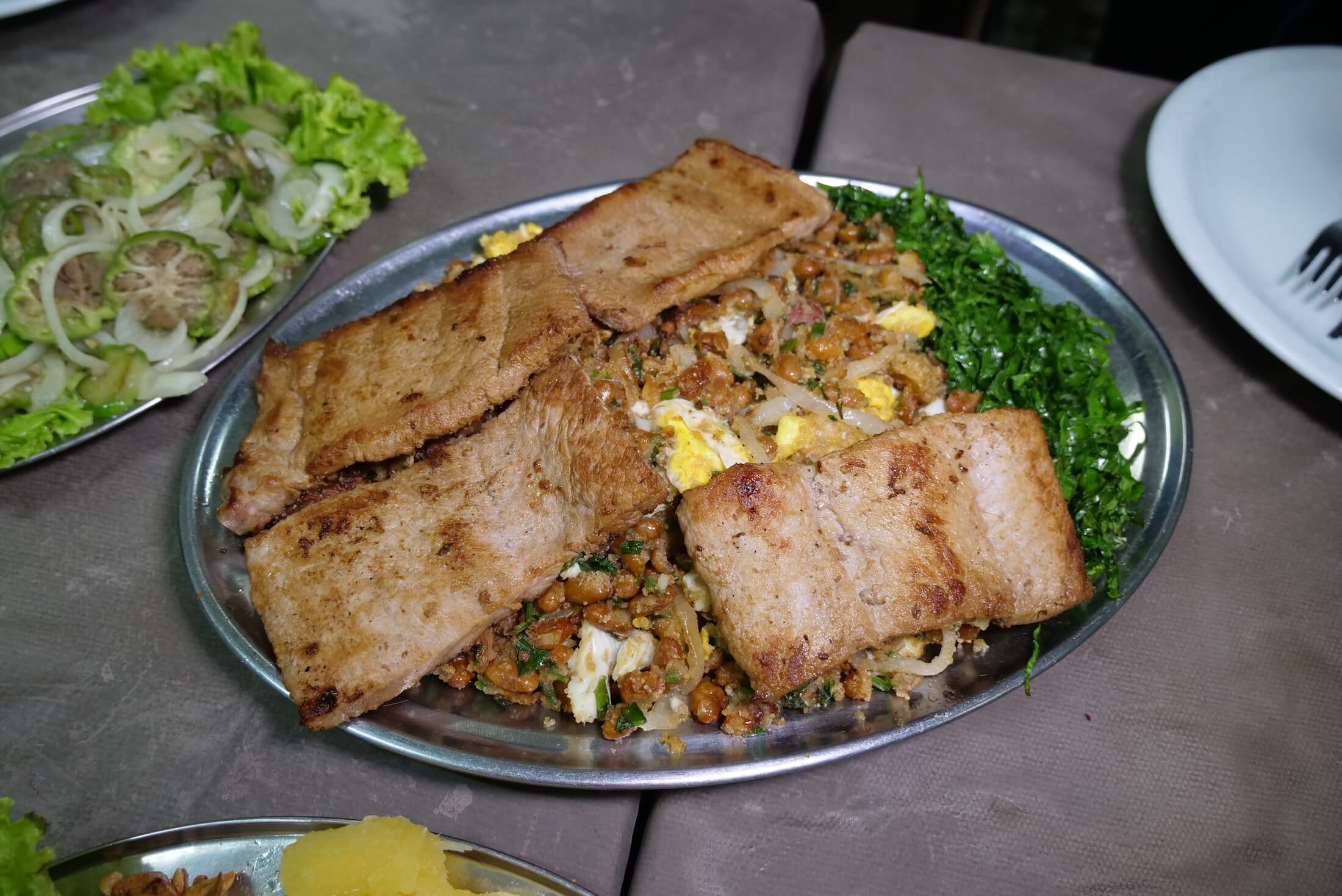
- The Bean and Onion Base: Large quantities of sliced onions and brown beans are fried together to establish the foundational savory profile.
- The Secondary Aromatics: A separate pan features onions and garlic sizzling in olive oil, introduced near the end of the cooking process to impart a sharp, vibrant aromatic punch.
- Pork Integration: Large quantities of chopped sausage and thick, double-deep-fried pork cracklings—substantially heavier and richer than standard airy pork rinds—are folded into the mix, introducing deep porcine fats that coat the beans.
- Binding Agents and Starches: A mixture of four deep-fried eggs, fresh cilantro, green onions, and coarse cassava powder (farinha) is incorporated, absorbing the residual fats and stocks to create a cohesive, dense consistency.
- The Green Element: Fine strips of kale are briefly flashed in a fourth pan for under a minute, maintaining their structural firmness and providing a vibrant green contrast to the heavy earth tones of the dish.
- The Final Garnish: Topping the entire presentation are four elongated, thin strips of freshly fried pork chops, effectively utilizing a primary meat cut as a garnish.
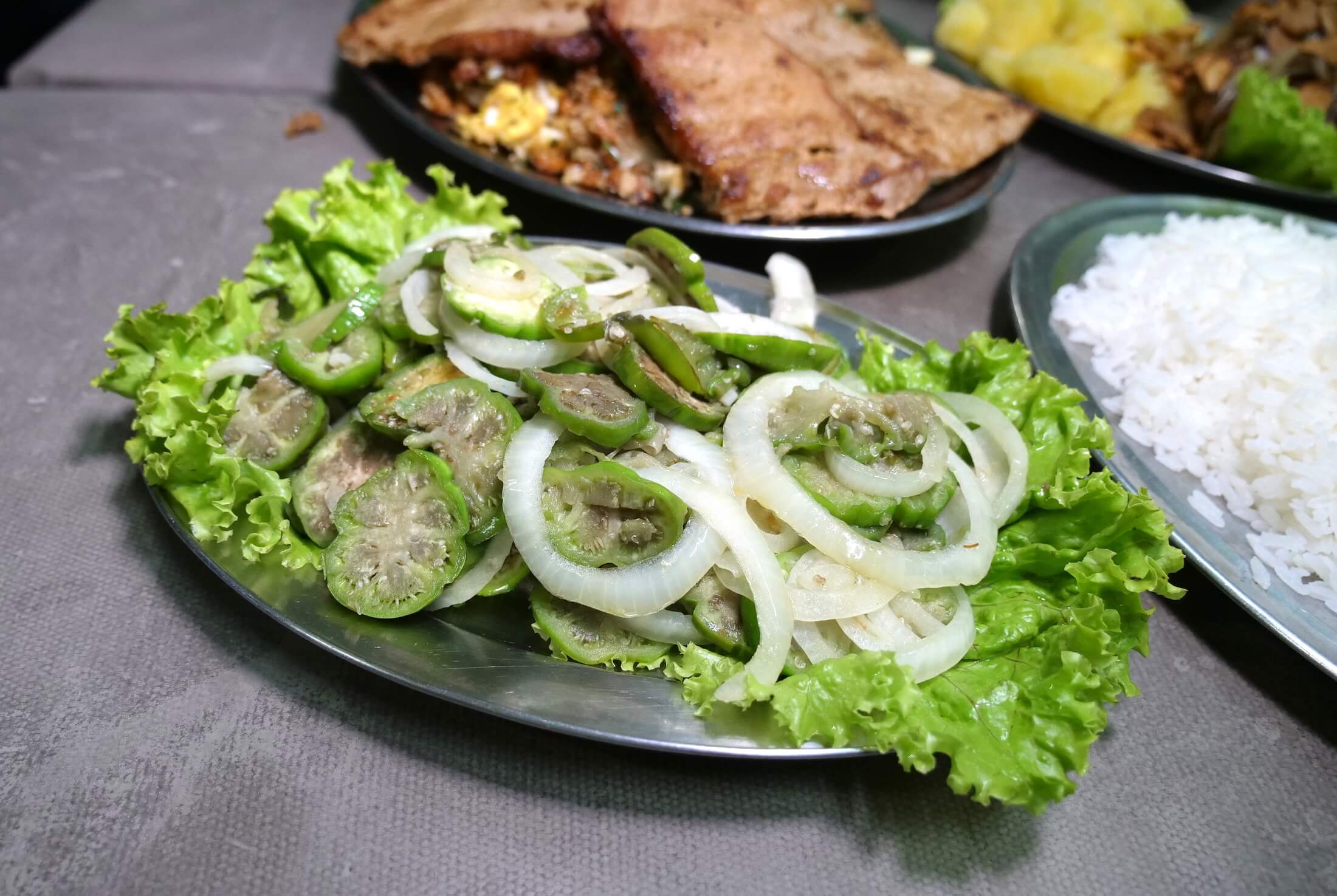
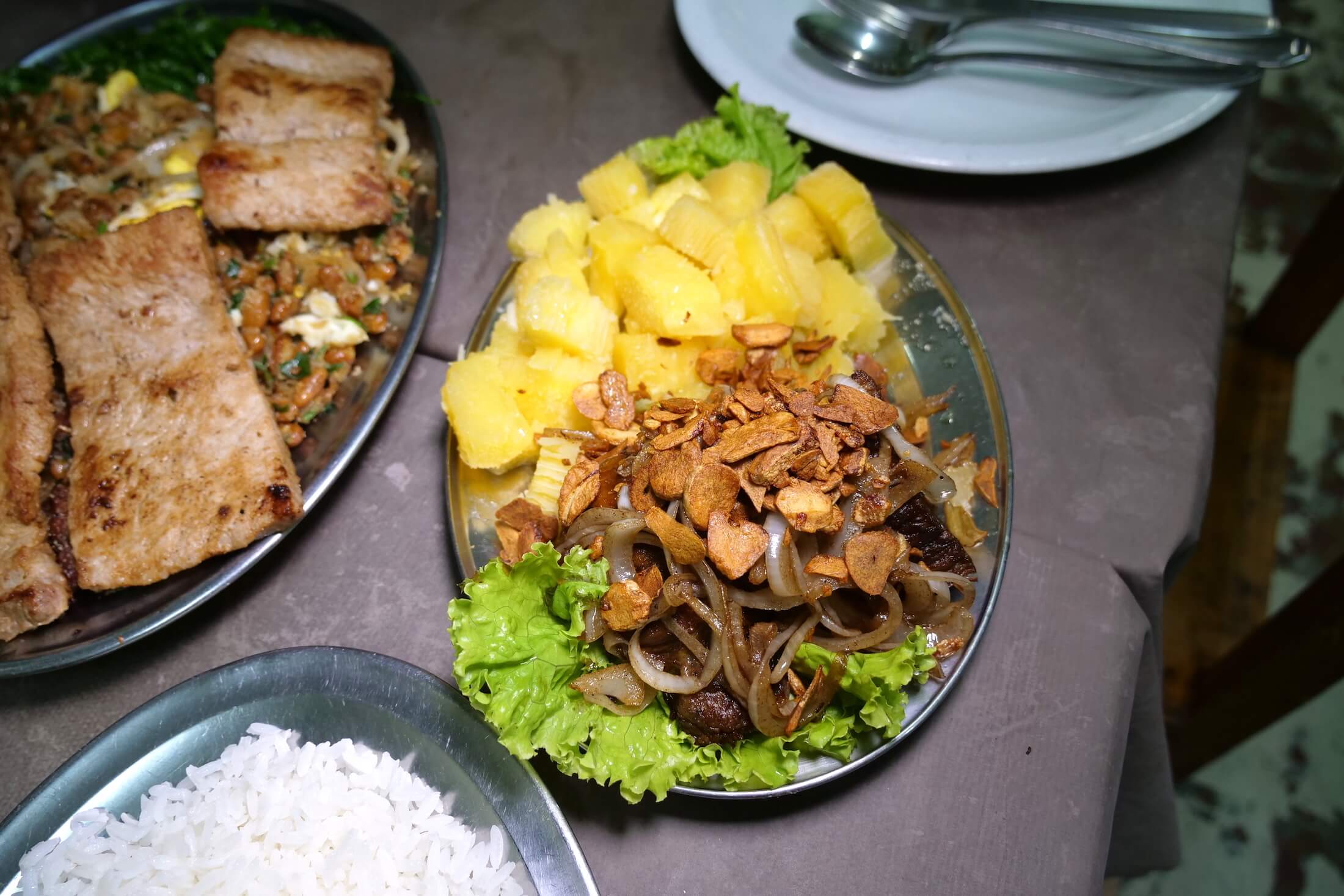
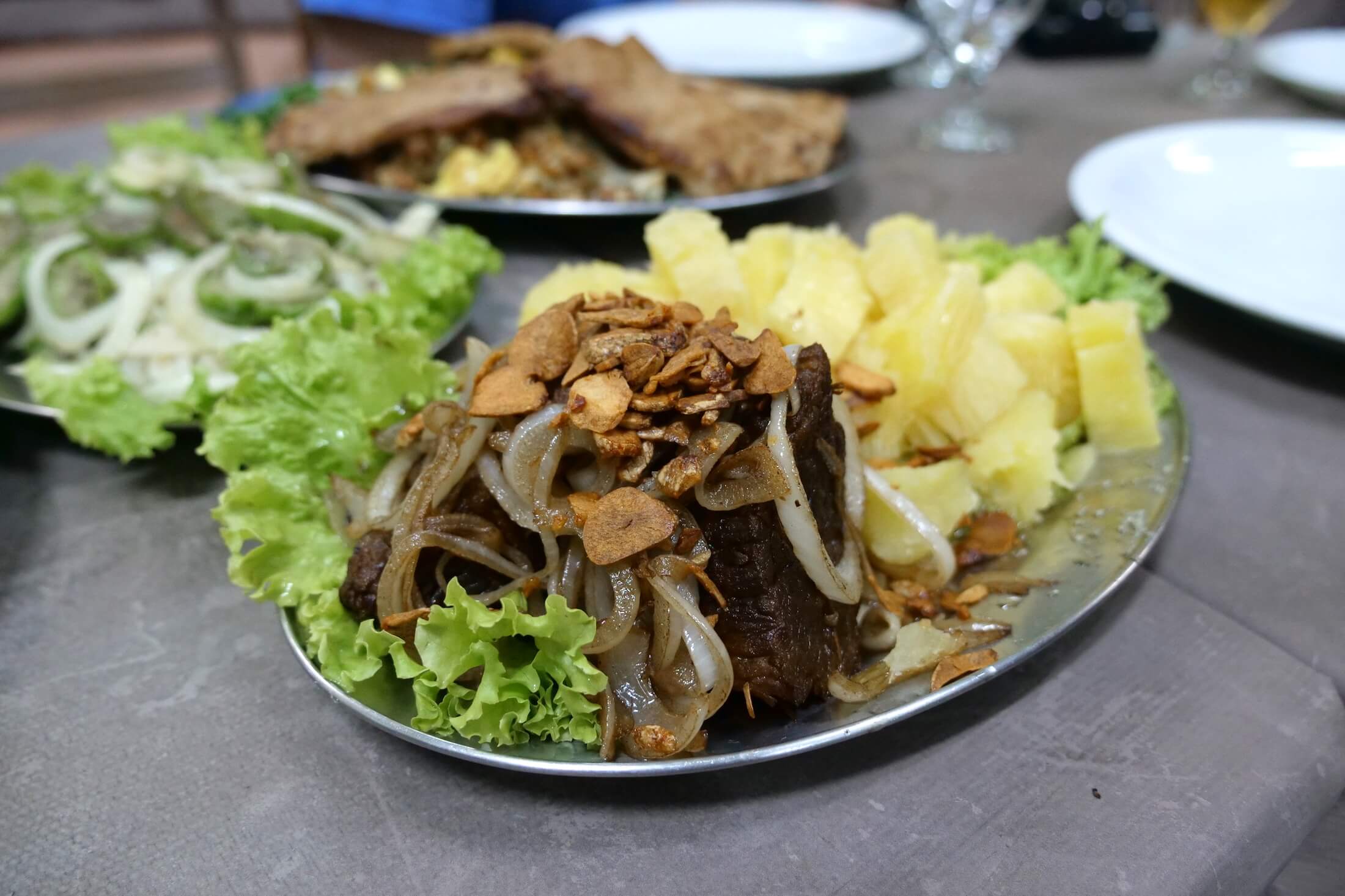
Complementing the Feijão Tropeiro are other regional mainstays, such as Bife de Panela (pan-cooked beef served with steamed cassava or potatoes) and Jiló (scarlet eggplant). Often overlooked or prepared poorly elsewhere, the scarlet eggplant at Bar Do Careca is celebrated for its firm texture and complex, pleasantly bitter flavor profile. Sautéed simply with olive oil, garlic, and onions—frequently paired with beef liver—it acts as a vital structural and flavor counterbalance to the exceptionally rich pork and bean dishes.
Leadership, Longevity, and Generational Expertise
The operational success of Bar Do Careca is anchored in deep-rooted familial and professional continuity. The establishment is managed by Mr. Orcino, a veteran restaurateur with six decades of experience in the hospitality industry, alongside his wife. Having operated Bar Do Careca for thirty years, the couple has cultivated a remarkably stable institutional culture.
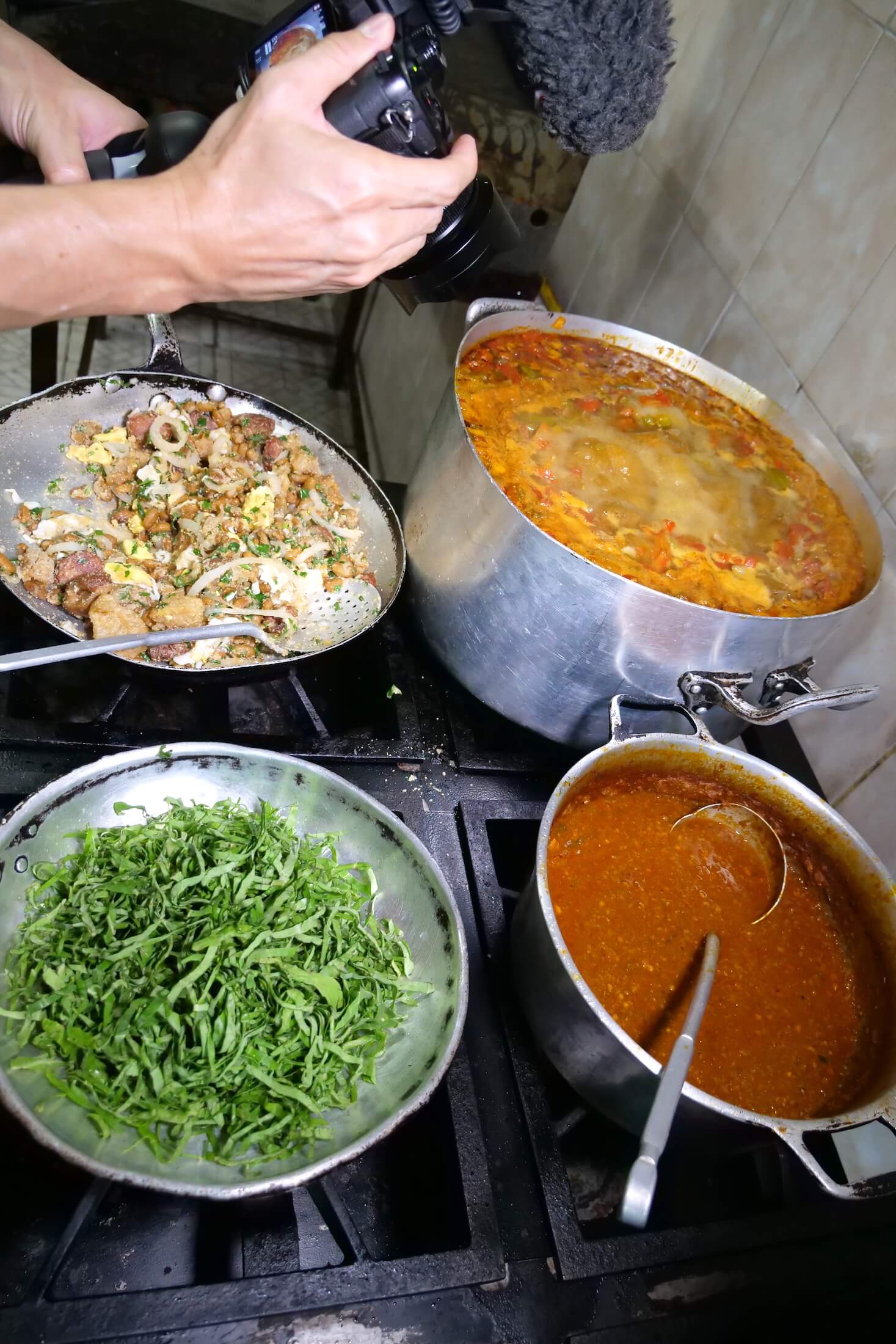
According to management, the kitchen staff comprises seasoned cooks who have trained directly under Mr. Orcino for three decades. This extended tenure has fostered a synchronized workflow where complex, multi-pan recipes are executed entirely from memory with seamless efficiency. The rapport between the owners, the kitchen staff, and the patrons transforms a standard dining transaction into an immersive cultural exchange. Mr. Orcino is frequently observed engaging with guests, sharing historical anecdotes about the region, and occasionally inviting visitors behind the scenes to observe the meticulous preparation of the restaurant’s signature dishes.
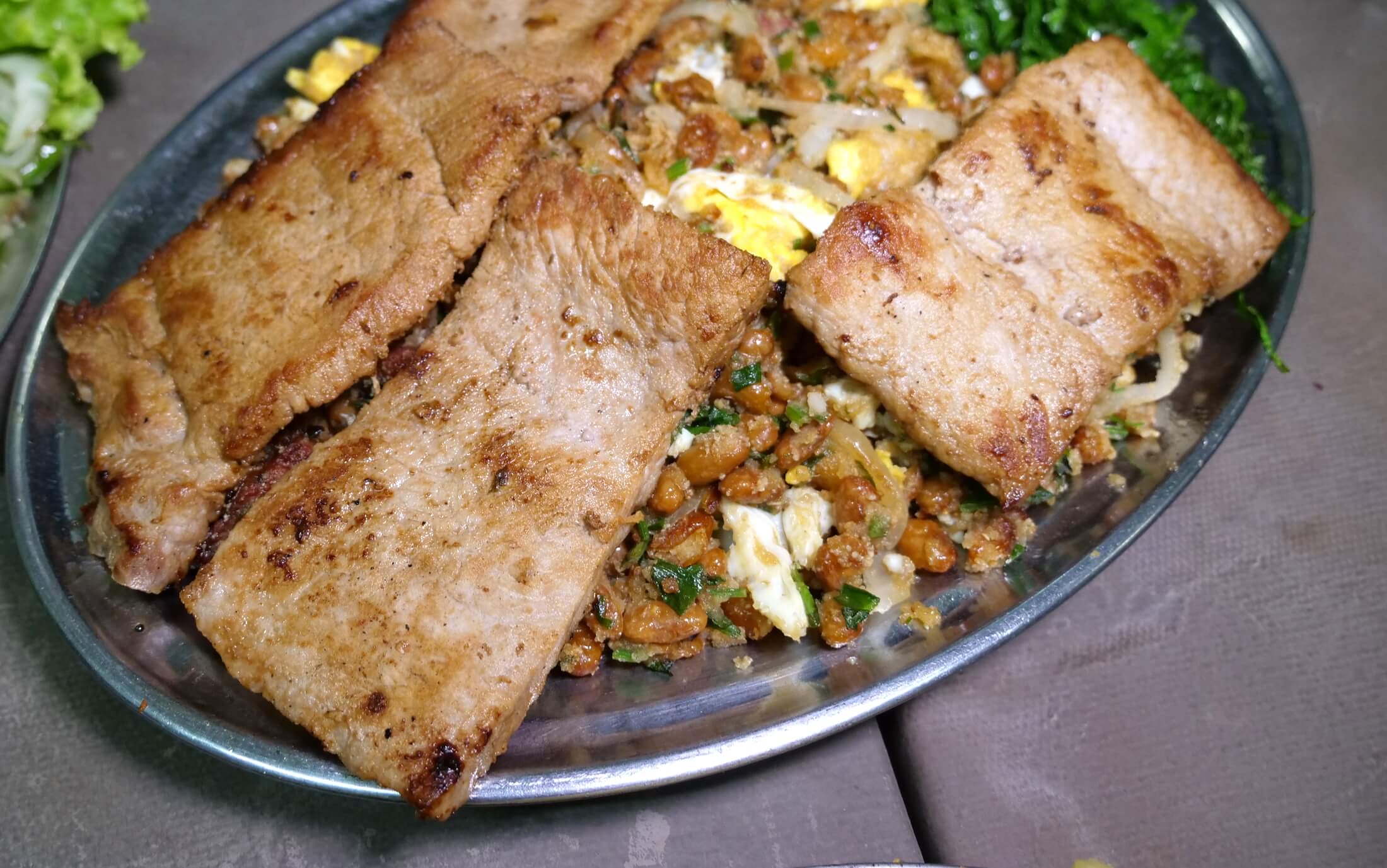
This dedication to craft has not gone unnoticed by the broader international culinary community. Among the memorabilia displayed within the establishment is a photograph documenting a visit by the late chef, author, and cultural documentarian Anthony Bourdain, who recognized the establishment as a genuine repository of Brazilian culinary heritage.

Economic Impact and Practical Information for Travelers
For visitors navigating the culinary tourism sector in Belo Horizonte, Bar Do Careca offers substantial value alongside historical authenticity. Situated in a tranquil residential neighborhood, the establishment maintains an unassuming exterior that contrasts sharply with the sensory intensity of its dining room.

- Location: Accessible via central Belo Horizonte, with precise mapping available through major navigation platforms.
- Operating Hours: Tuesday through Friday from 6:00 PM to midnight; Saturday from 11:00 AM to midnight; Sunday from 11:00 AM to 6:00 PM. The establishment is closed on Mondays.
- Pricing Structure: Reflecting its status as a local neighborhood institution rather than a tourist-centric venue, a comprehensive meal for a party of four—including multiple large platters of food and beverages—frequently totals approximately R$156 (roughly equivalent to $40 USD), making it an accessible option for high-volume, premium-quality regional dining.
Broader Implications for Culinary Tourism
The enduring popularity of Bar Do Careca highlights a broader shift in global food tourism toward authenticity, historical context, and personal connection with makers. While fine-dining establishments often prioritize deconstruction and visual presentation, venues like Bar Do Careca demonstrate that profound gastronomic experiences are frequently rooted in preservation and consistency.

By maintaining traditional techniques developed by colonial cattle drovers and refined over decades of domestic practice, the kitchen staff preserves a tangible piece of Brazilian heritage. For travelers willing to venture beyond standard metropolitan itineraries, establishments in Belo Horizonte provide a vital reminder that the most compelling culinary narratives are often found not in commercial tourist centers, but in the quiet neighborhood kitchens of lifelong practitioners.
Related posts: