The Ultimate Guide to Exploring Australia’s Scenic Snowy Mountains Drive and Alpine Region

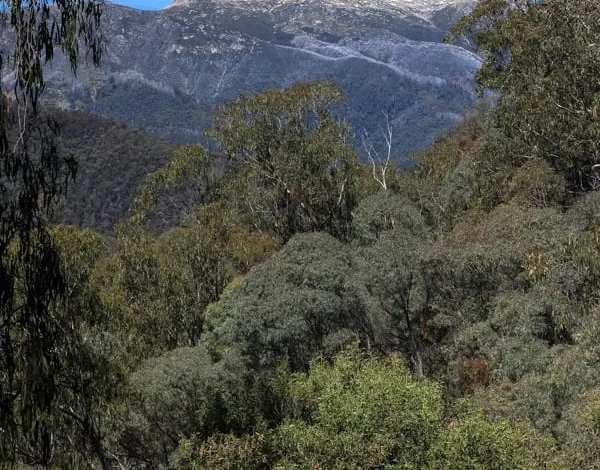
The Australian Alps challenge conventional global perceptions of the continent’s geography, frequently surprising international visitors and domestic travelers alike with their dramatic, snow-capped peaks and sub-alpine ecosystems. Situated primarily within the boundaries of Kosciuszko National Park in New South Wales—roughly 49 kilometers from Sydney and 151 kilometers from Canberra—the Snowy Mountains region represents a diverse ecological and geological marvel. While globally recognized as a premier winter sports destination hosting massive ski complexes like Perisher and Thredbo, the region undergoes a profound seasonal transformation during the warmer summer months. From December through February, receding snow lines reveal vibrant green flora, crystal-clear alpine rivers, limestone cave systems, and an extensive network of roadways designed to showcase the landscape’s multifaceted beauty. Among these routes, the 129-kilometer Snowy Mountains Drive serves as the principal artery for exploration, connecting Yarrangobilly in the north to Jindabyne in the south.

Geographical Scope and Infrastructure of the Snowy Mountains
Spanning significant elevation changes within the Great Dividing Range, the Snowy Mountains region is defined by Australia’s highest elevations, culminating in the summit of Mount Kosciuszko at 2,228 meters above sea level. The infrastructure supporting tourism and conservation in this area is heavily tied to both historical development and modern environmental management. Established in the mid-20th century, the broader region was significantly shaped by the monumental Snowy Mountains Hydro-Electric Scheme, an engineering feat that fundamentally altered regional waterways like the Murrumbidgee River while simultaneously opening up previously remote backcountry through the construction of access roads and dams.

Management of the national park falls under the jurisdiction of the New South Wales National Parks and Wildlife Service (NPWS), which regulates public access to preserve fragile alpine habitats, endangered species—such as the mountain pygmy-possum—and cultural heritage sites like historic high-country homesteads. Seasonal road closures, particularly along high-elevation routes like the 49.6-kilometer Long Plain Drive, which traditionally opens only after the October Labour Day weekend, underscore the delicate balance between public recreation and environmental protection against harsh winter weather conditions.
Chronological Itinerary and Key Waypoints Along the Route

Navigating the Snowy Mountains Drive requires careful logistical planning, with travel experts and regional tourism authorities generally recommending an itinerary spanning between two to five days to fully absorb the scale of the landscape. A comprehensive journey typically commences in the north at Yarrangobilly and progresses southward toward Jindabyne and Thredbo, allowing travelers to experience a chronological and topographical transition from subterranean limestone formations to glaciated valleys.
Yarrangobilly Caves and Thermal Springs

The northern gateway of the route centers on the Yarrangobilly area, renowned for its complex network of subterranean limestone caves formed millions of years ago. Visitors can access guided and self-guided tours of subterranean chambers such as the Jersey Cave and the North and South Glory Hole Caves, which feature intricate stalactites and stalagmites. Adjacent to the cave systems is an outdoor thermal pool fed by a natural spring maintaining a constant temperature of approximately 27 degrees Celsius year-round, alongside the accessible 3-kilometer Yarrangobilly River Walk, a recognized habitat for platypus populations.
The Long Plain Drive and Heritage Homesteads

Branching off from the primary highway, the Long Plain Drive offers a rugged detour through expansive sub-alpine grasslands and deep gorges. This corridor is frequently utilized by cyclists and long-distance travelers, traversing terrain where herds of wild horses, locally known as brumbies, graze openly. Further along the route stands the Coolamine Homestead, a heritage-listed site constructed in the early 20th century that provides tangible historical context regarding isolated cattle-grazing and high-country pioneering life. The nearby Clarke Gorge walk introduces visitors to localized karst topography, featuring a 2.5-kilometer trail characterized by limestone cliffs, Cave Creek Falls, and multiple shallow creek crossings flanked by snow gums and native billy buttons.
The Alpine Way and Historical Hydro Infrastructure

Reconnecting with the Snowy Mountains Highway via Kiandra—a site historically linked to the 19th-century Australian gold rushes—travelers transition onto the Alpine Way. This sector winds past remnants of the extensive infrastructure tied to the Snowy Hydro-Electric Scheme, leading toward Khancoban and onward to the alpine village of Thredbo. During the warmer months, Thredbo pivots from its winter identity as a premier skiing hub into a destination for mountain biking, chairlift-assisted alpine hiking, and cultural gastronomy, including the high-altitude dining experiences offered at Eagles Nest, Australia’s highest restaurant.
Ascent of Mount Kosciuszko and Regional Agriculture

A central objective for many travelers traversing the southern end of the drive is the ascent of Mount Kosciuszko. Accessible via the Kosciuszko Express chairlift from Thredbo followed by a well-maintained 13-kilometer return boardwalk, or alternatively via a shorter route from Charlotte Pass, the peak offers panoramic views across the roof of Australia. Surrounding valleys support niche regional industries, exemplified by enterprises such as the Wildbrumby Schnapps Distillery near Crackenback, which integrates European distillation traditions with local high-country produce, and the agricultural and brewing hubs established in Jindabyne and Dalgety along the banks of the Snowy River.
Socioeconomic Implications and Regional Tourism Impact

The evolution of the Snowy Mountains from a strictly seasonal winter destination into a multi-season tourist economy carries substantial economic implications for southeastern New South Wales. Historically, regional businesses experienced severe revenue fluctuations dictated strictly by snowfall reliability and the duration of the ski season—a vulnerability further amplified by contemporary climate change trends, which have introduced increasingly unpredictable winter precipitation patterns.
By aggressively promoting summer and shoulder-season tourism through initiatives centered on scenic driving routes, mountain biking infrastructure, cultural heritage conservation, and eco-tourism, local municipalities and regional tourism bodies have sought to stabilize employment and year-round economic inflow. The diversification of attractions—ranging from the educational exhibits at the Snowy Hydro Discovery Centre in Cooma to specialized outdoor recreation like trout fishing and horseback riding—enhances the region’s resilience. Consequently, the Snowy Mountains Drive serves not merely as a recreational amenity, but as a strategic economic driver that distributes visitor traffic and expenditure more evenly across rural communities throughout the calendar year.
Related posts: