What Not To Do In Uzbekistan: Essential Guidelines For Navigating Central Asia’s Silk Road Jewel

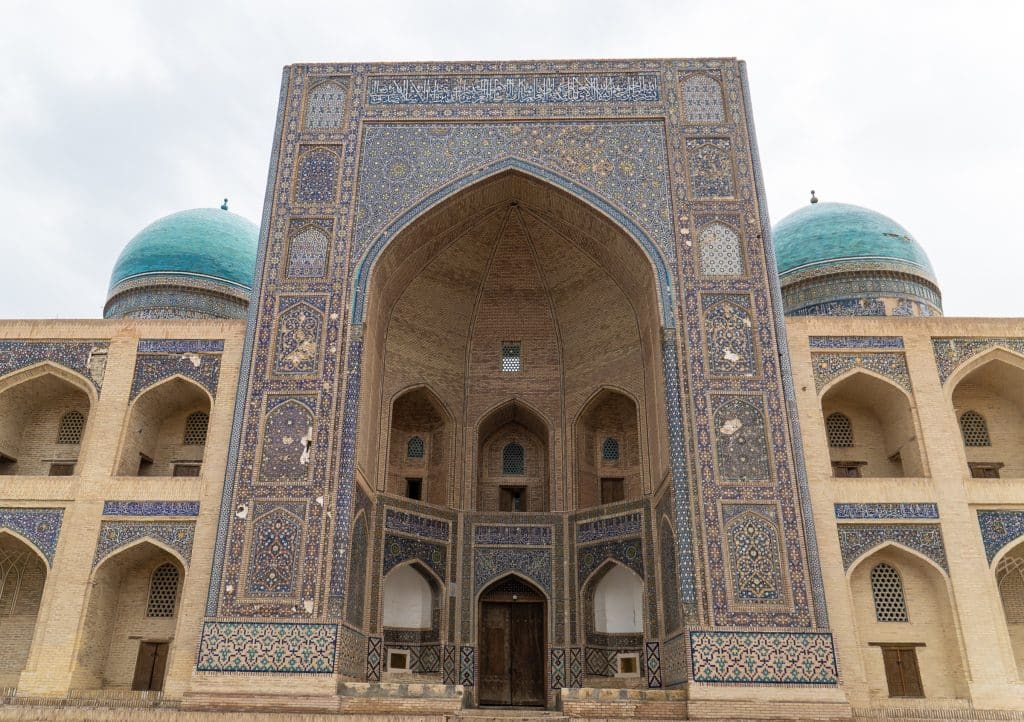
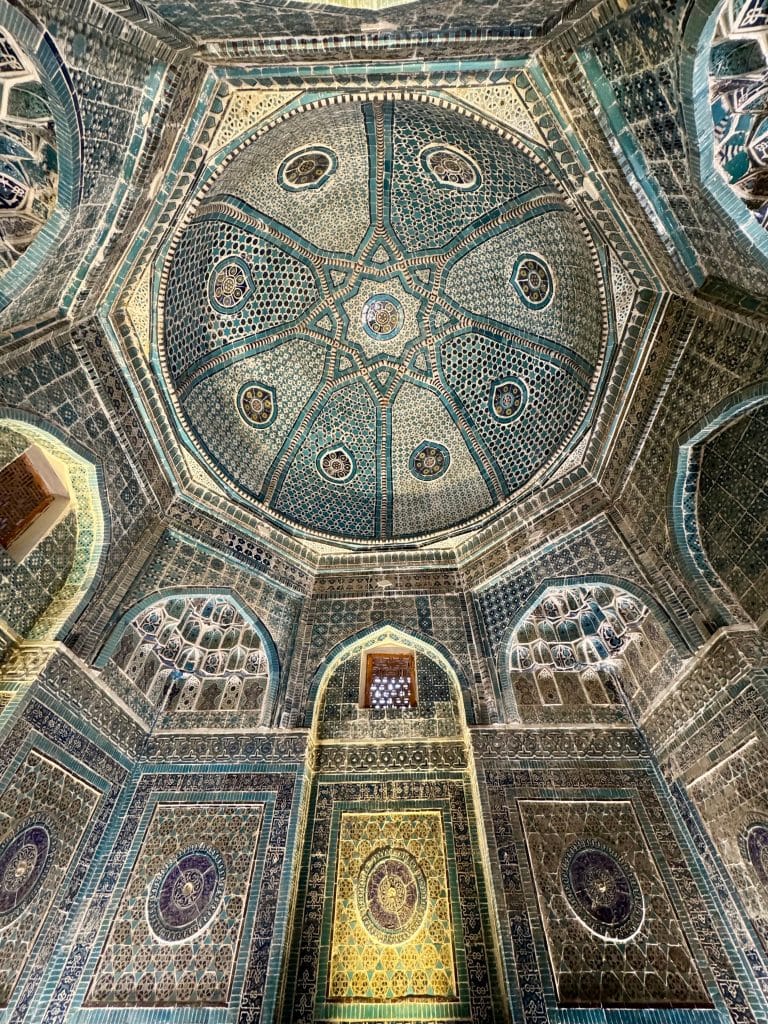
As tourism surges across Central Asia, Uzbekistan has emerged as one of the region’s most sought-after destinations, drawing travelers with its preserved Silk Road heritage, intricate turquoise-domed architecture, and burgeoning artisanal markets. Following a comprehensive solo journey through Tashkent, Samarkand, Bukhara, and Khiva, travel analysts and industry experts have compiled an exhaustive advisory detailing critical logistical, cultural, and financial practices for international visitors. While the country offers exceptional safety, affordable infrastructure, and a seamless travel experience compared to more congested global hotspots, navigating its distinct regulatory frameworks, transport networks, and cultural norms requires careful preparation.
Logistical Realities and Transportation Protocols
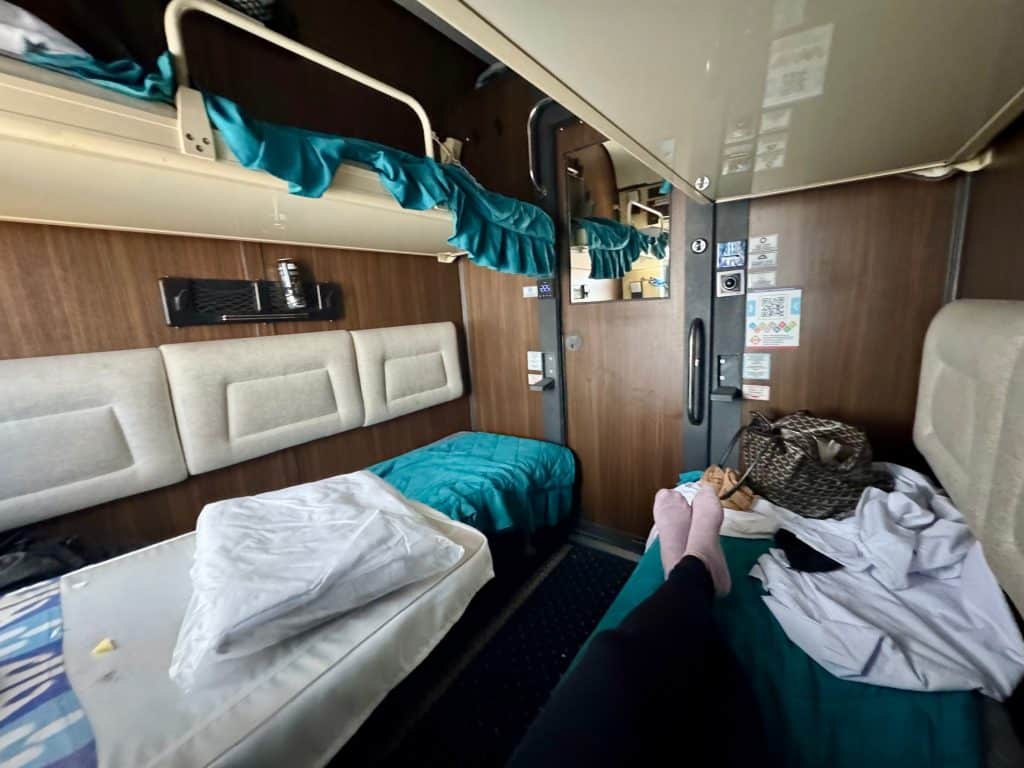
Transport infrastructure forms the backbone of any successful Uzbek itinerary, yet several operational hurdles routinely catch unprepared tourists off guard. The most critical operational constraint involves the nation’s railway system, specifically the high-speed Afrosiyab trains connecting Tashkent, Samarkand, and Bukhara. Tickets for these high-speed services frequently sell out within minutes of release, which typically occurs 45 to 60 days prior to departure. Relying on last-minute bookings often forces travelers onto slower, congested bus routes or expensive private transfers. While independent booking is possible via the state railway portal, authorized local travel agencies frequently hold blocks of tickets for premium resale, albeit with substantial markups.
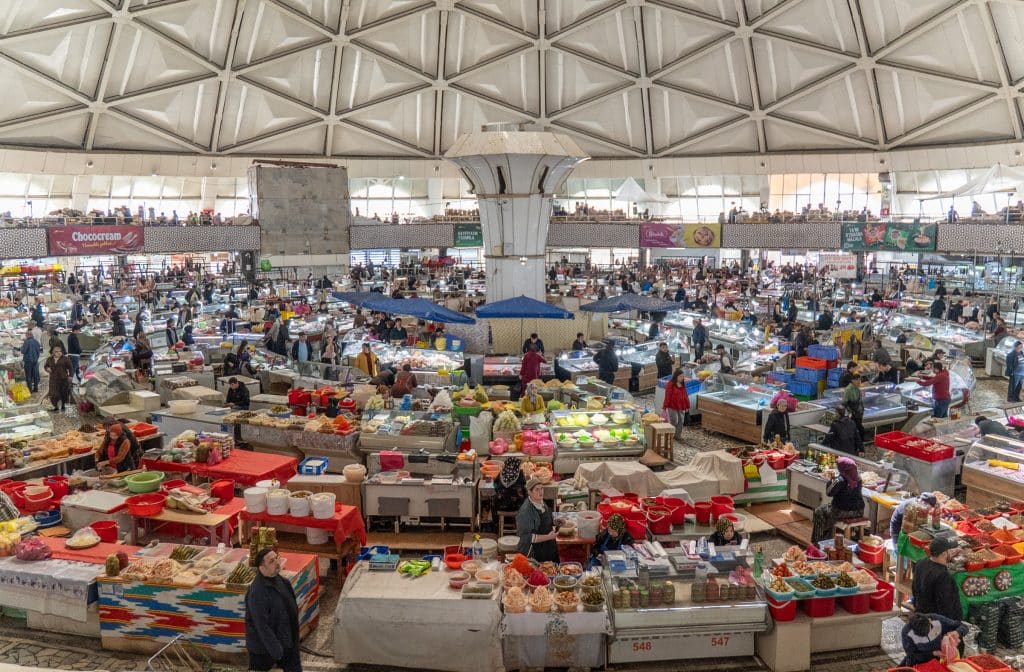
Urban navigation presents another distinct landscape. Unlike many Western destinations where rideshare applications are universally standardized, Uzbekistan relies heavily on Yandex Go. Travelers are advised to download and configure the application prior to arrival, as cellular verification is mandatory. Furthermore, international credit card acceptance remains limited outside of major hotels and upscale establishments. Uzbekistan Airways, the national carrier, frequently rejects foreign-issued debit and credit cards on its direct booking portals, necessitating the use of third-party online travel agencies or cash-based transactions. Cash remains heavily utilized for daily expenditures, hotel settlements, and artisanal purchases, requiring frequent visits to compatible ATMs, such as those operated by Kapitalbank.
Cultural Etiquette and Attire
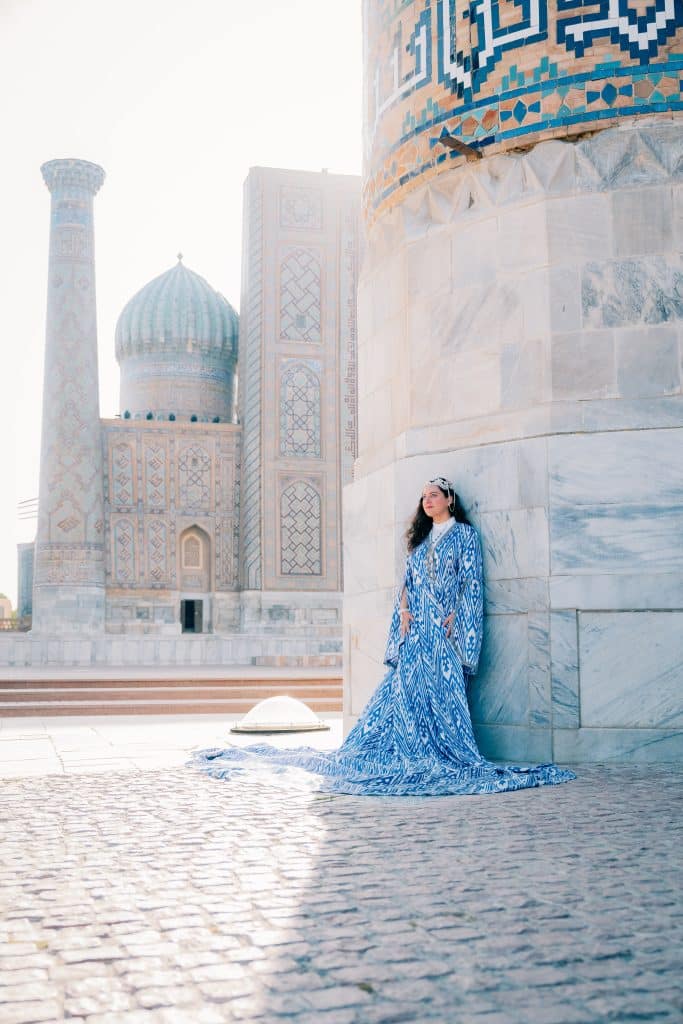
While Uzbekistan is a predominantly Muslim nation, its social fabric is characterized by a moderate and progressive interpretation of Islamic traditions. Unlike strict Gulf states, headscarves are not legally or socially mandated for female travelers outside of active religious sites. However, cultural expectations strongly favor modest dress. Local women rarely wear revealing clothing, such as short skirts, deep necklines, or excessively tight garments. International visitors who opt for conservative attire—covering shoulders, knees, and cleavage—frequently report smoother, more respectful interactions with local residents.
For male travelers, shorts and sleeveless shirts are discouraged in public spaces outside of resort settings. Beyond wardrobe choices, behavioral norms dictate interpersonal respect, particularly regarding age hierarchies. For instance, traditional tea-serving customs dictate that the youngest person at a table pours and serves guests, utilizing specific gestures such as placing the left hand over the heart while presenting the cup. Respecting these subtle cultural markers significantly enhances the traveler’s immersion and reception by local communities.
Economic Implications and Artisanal Markets
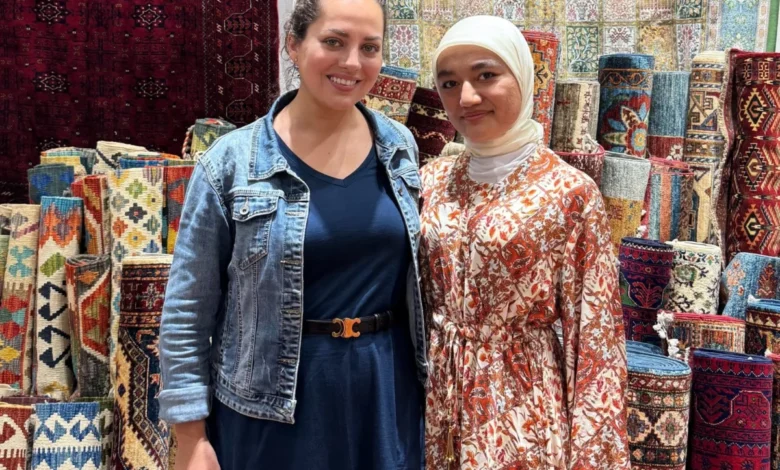
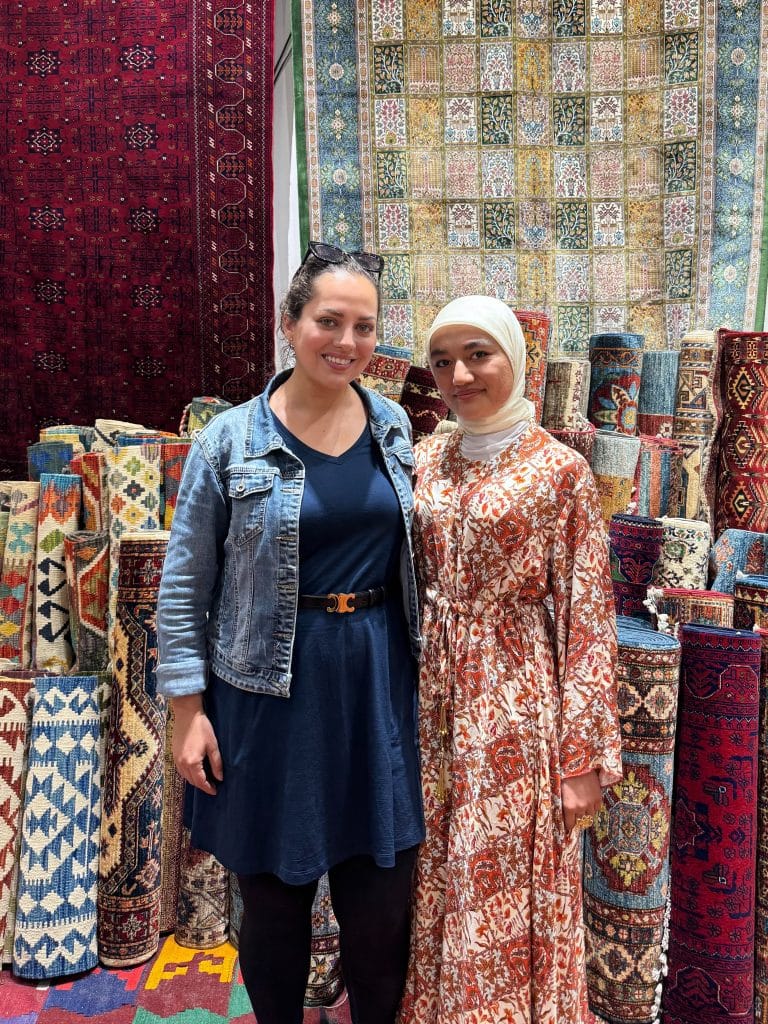
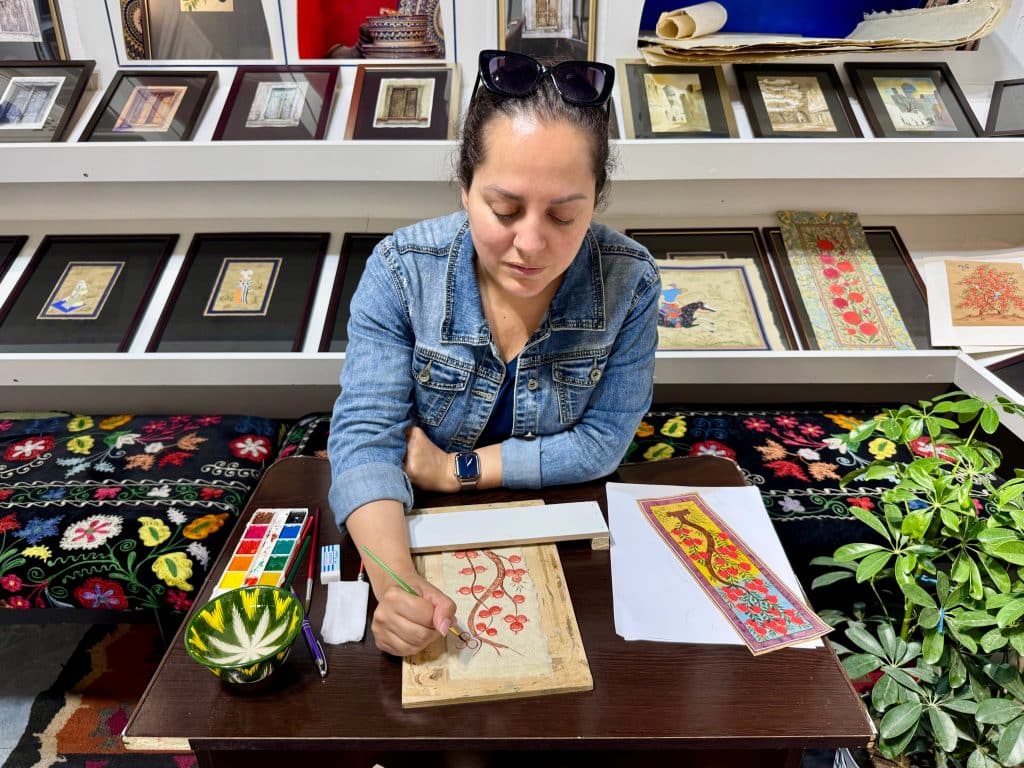
Uzbekistan’s economic landscape for tourists is heavily defined by its cash-based commerce and world-class handicraft sector. Cities like Bukhara and Samarkand are global hubs for traditional arts, including silk ikat production, suzani embroidery, Persian miniature painting, and metalwork. Economists and cultural preservationists note that direct patronage of local artisans provides vital financial support to multi-generational craft families. However, visitors are advised to defer major souvenir purchases until reaching Bukhara, which historical trade routes established as the premier mercantile center of the region. The quality, variety, and competitive pricing found within Bukhara’s ancient trading domes generally surpass those in neighboring cities.
From a macroeconomic perspective, the affordability of Uzbek infrastructure allows for extended stays without significant financial strain. Average daily expenditures for mid-range accommodations, local cuisine, and urban transit remain remarkably low compared to European or East Asian equivalents. This cost-efficiency has transformed Uzbekistan from an off-the-beaten-path adventure reserved for seasoned explorers into an accessible destination for diverse demographic groups, including large senior tour cohorts from the United Kingdom, Italy, and the United States.
Regional Connectivity and Climate Considerations
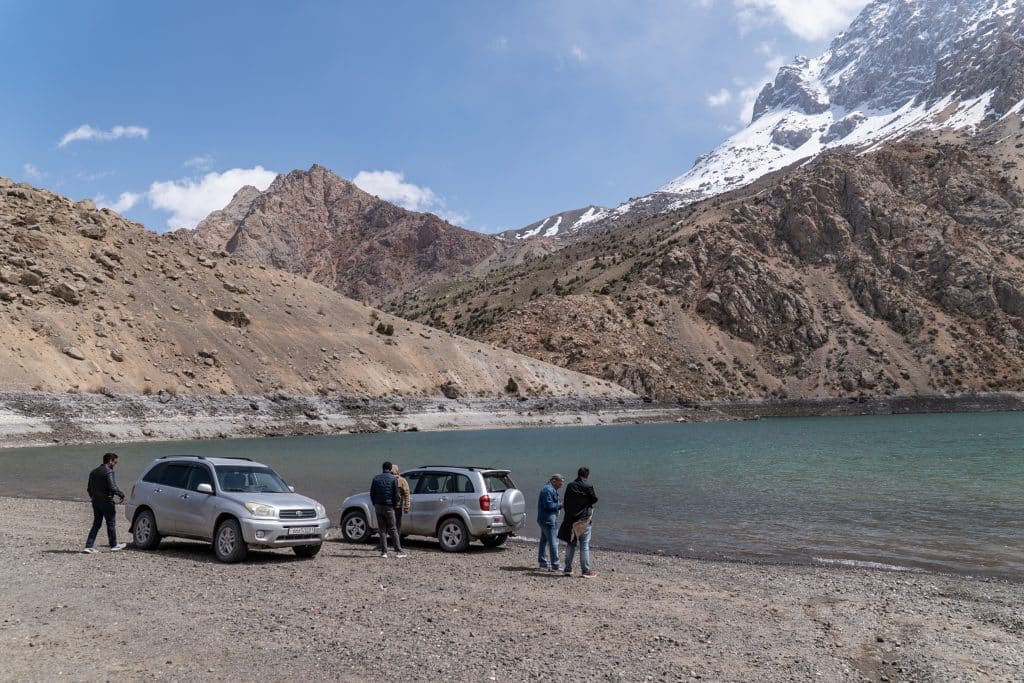
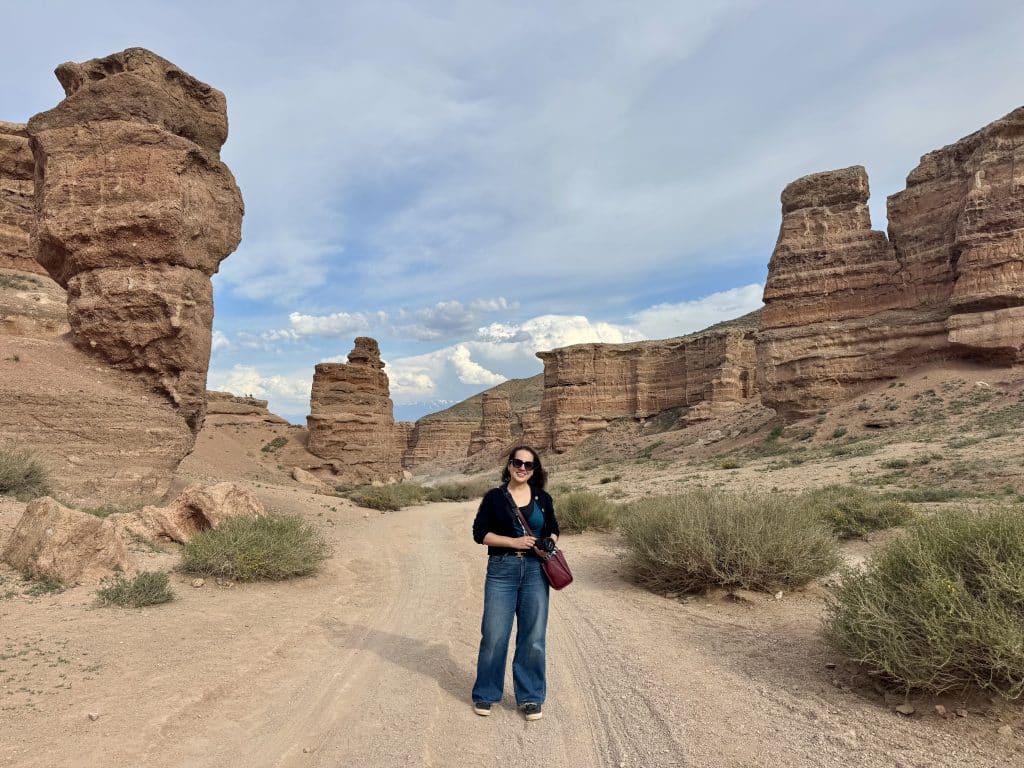
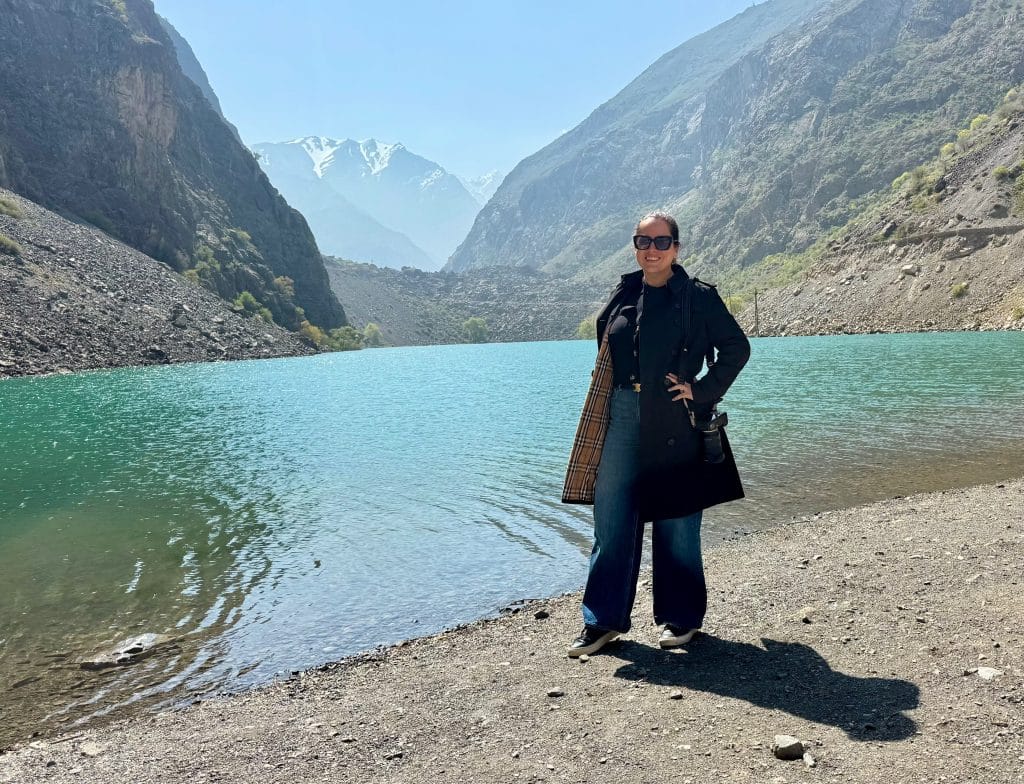
The broader geopolitical and environmental context of Central Asia heavily influences travel planning. Multi-country itineraries, colloquially known as "Five Stans" tours, frequently subject travelers to grueling schedules that prioritize check-boxes over cultural depth. Travel authorities recommend limiting regional tours to two or three contiguous nations, such as pairing Uzbekistan with Kazakhstan or incorporating a brief day trip across the border to Tajikistan’s Seven Lakes and the ancient ruins of Sarazm.
Environmental factors also dictate optimal travel windows. Regional summers—particularly in desert-adjacent cities like Khiva and Bukhara—feature extreme temperatures regularly exceeding 90°F (32°C), rendering midday exploration unviable. Consequently, tourism boards and meteorologists strongly advocate for shoulder-season travel during spring (April to May) and autumn (September to November) to ensure optimal weather conditions for architectural sightseeing and outdoor excursions. Through meticulous planning regarding transport, currency, and cultural awareness, international visitors can safely navigate Uzbekistan’s historic landscapes while contributing sustainably to its growing tourism economy.