Beyond the Kingdom: A Comprehensive Guide to Expanding Your Moroccan Itinerary into Neighboring Territories and Europe

Many travelers arrive in Morocco captivated by the sensory allure of its ancient medinas and the dramatic expanse of the Atlas Mountains, often failing to realize that this North African hub serves as a seamless gateway to a broader, multifaceted region. By leveraging a complex network of maritime, aerial, and terrestrial corridors, visitors can extend their Moroccan journey to include the sun-drenched coastlines of Spain, the British-governed limestone monolith of Gibraltar, the volcanic archipelago of the Canary Islands, or the rugged, untamed landscapes of Mauritania. Understanding these connections is essential for any traveler looking to bridge the divide between Africa and Europe, or to venture deeper into the Saharan frontiers.
The geopolitical landscape of this region is defined by a unique intersection of colonial history, modern economic integration, and shifting border policies. To navigate these routes effectively, one must look past the surface-level geography and appreciate the logistics that have historically linked these territories through trade, migration, and tourism.
Maritime Corridors: Crossing the Strait of Gibraltar
The Strait of Gibraltar, a narrow waterway spanning approximately 14 kilometers at its tightest point, represents one of the most significant maritime bottlenecks in the world. For centuries, this thin ribbon of water has served as the primary conduit for movement between the African continent and the Iberian Peninsula. Today, the connection is facilitated by a robust ferry infrastructure that operates daily, regardless of the season.
The logistical framework for these crossings is managed by major commercial entities such as FRS, Baleària, and Armas. These operators provide high-frequency service, allowing travelers to transition from the bustling ports of Tangier-Med or Tangier-Ville to the Spanish harbors of Algeciras or Tarifa in as little as 60 to 90 minutes.

From a regulatory standpoint, the crossing is highly accessible for most Western passport holders. Citizens of the United States, the United Kingdom, Canada, and the European Union generally enjoy visa-free transit for up to 90 days. However, travelers must remain vigilant regarding passport validity, which must extend at least six months beyond the date of entry. The normalization of these ferry routes has transformed what was once a daunting maritime transit into a routine commuter experience, effectively integrating the economies of Southern Spain and Northern Morocco.
The Spanish Exclaves: Ceuta and Melilla
Navigating the border between Morocco and the Spanish autonomous cities of Ceuta and Melilla offers a surreal experience: walking from the African continent directly into the European Union. These two territories represent the only land borders between the European Union and an African nation.
Ceuta, situated on the North African side of the Strait, and Melilla, located further east along the Mediterranean coast, operate under Spanish sovereignty. Consequently, they serve as unique geopolitical pockets where European standards, currency (the Euro), and administrative laws apply. For the traveler, this means that entering these cities from Morocco is an international border crossing, necessitating full passport control and customs screening. While they are fascinating cultural microcosms, travelers should be aware that these borders are subject to heightened security measures due to ongoing migration policy debates between Rabat and Madrid.
Aerial Connectivity and Regional Hubs
While ferries dominate the short-sea routes, the evolution of low-cost aviation has fundamentally altered regional travel. Modern air links now bypass the need for lengthy land or sea transit, connecting Moroccan hubs like Casablanca, Marrakech, Fez, and Tangier to major Spanish urban centers such as Madrid, Barcelona, Seville, and Málaga.
These direct flights have democratized access to the region. Data from civil aviation authorities suggests that the proliferation of budget carriers has increased intra-regional tourism by roughly 15% annually over the last decade. For the traveler, this means that a multi-country itinerary—combining the cultural depth of Morocco with the cosmopolitan dynamism of Spain—can be executed with minimal logistical overhead.

The Atlantic Extension: The Canary Islands
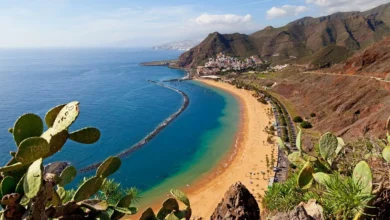
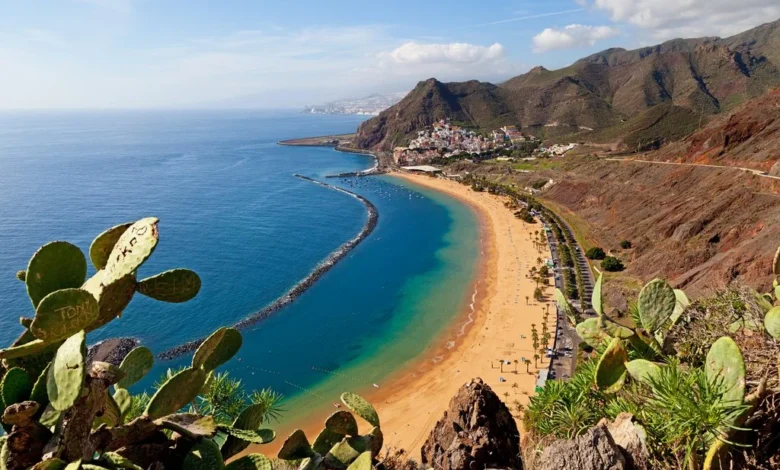
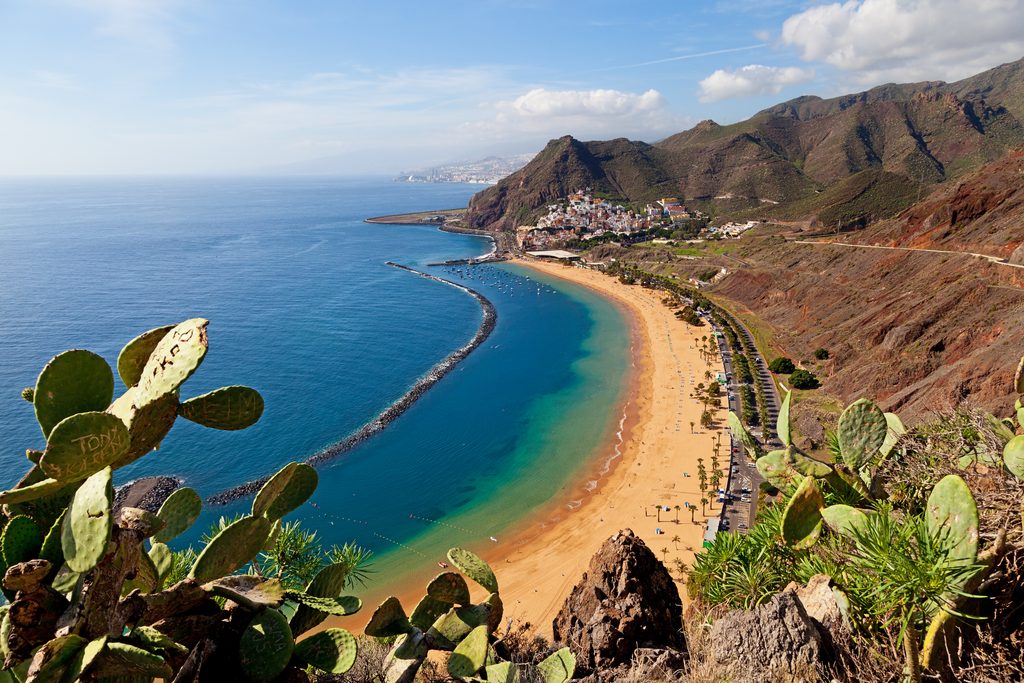
Situated off the coast of Southern Morocco and the Western Sahara, the Canary Islands represent a distinct ecological and cultural departure from the mainland. Though they belong to Spain, their geographical proximity to the African continent is undeniable. Lanzarote, Fuerteventura, and Gran Canaria are frequently accessed by travelers looking to transition from the arid, desert-adjacent environment of southern Morocco to a subtropical, volcanic resort landscape.
Historically, the islands have served as a critical waypoint for transatlantic trade. Today, they act as a popular post-Morocco destination for travelers seeking a change of pace. Flights from major Moroccan cities to the Canary Islands are frequent, and the islands maintain a robust infrastructure that caters to both leisure travelers and those interested in the unique geological history of the Macaronesian archipelago.
The Saharan Frontier: Western Sahara and Mauritania
Venturing south of Morocco into the Western Sahara and further into Mauritania is an endeavor reserved for the seasoned traveler. The Western Sahara, a disputed territory, is under the administrative control of Morocco. While cities like Laayoune and Dakhla have seen significant investment in infrastructure—particularly for the burgeoning kitesurfing and adventure tourism industries—the region remains sensitive.
Beyond the Western Sahara lies the Mauritanian border, a crossing that represents one of the most challenging overland routes in the region. Unlike the highly regulated and stable crossings between Morocco and Spain, the Mauritanian border requires rigorous preparation. Travelers must navigate complex visa requirements, remote desert conditions, and fluctuating security assessments.
Diplomatic advisories consistently emphasize the importance of checking current safety reports before attempting this crossing. Political instability and the threat of civil unrest in remote border regions mean that this route is not suitable for casual tourism. Those who do undertake the journey, however, gain access to the raw, untamed beauty of the Sahara and the ancient, desert-dwelling traditions of Mauritania.
The Stagnation of the Morocco-Algeria Border
A significant point of context for any regional itinerary is the status of the Morocco-Algeria border. Despite the geographical continuity of the two nations, the land border has been closed since 1994. The closure, rooted in a complex history of diplomatic disputes and regional security concerns, remains one of the most enduring geopolitical stalemates in North Africa.
Direct flights between the two countries are also suspended. For travelers, the implication is absolute: there is no direct path between Morocco and Algeria. A journey between the two must be routed through a third-party country, typically France, Tunisia, or Turkey. This reality necessitates careful planning and highlights the limitations of regional travel within the Maghreb.
Analytical Overview: The Impact of Regional Connectivity
The ability to move fluidly between Morocco and its neighbors is not merely a matter of convenience; it is a testament to the region’s interconnected history. The Strait of Gibraltar has acted as a bridge for the movement of goods, ideas, and people for millennia, from the Phoenician traders to the modern-day tourism sector.
The impact of these connections on the local economy is profound. In northern Morocco, the presence of ports like Tangier-Med has shifted the local economy toward international logistics and maritime services. Simultaneously, the tourism sector has adapted to the "multi-destination" traveler, offering integrated packages that span the Iberian Peninsula and North Africa.
However, the disparity in border management—ranging from the seamless, high-frequency ferry routes to the shuttered Algerian frontier—reflects the complex political reality of the Mediterranean basin. Travelers are advised to approach these border crossings not as mere administrative checkpoints, but as points of intersection between disparate political and cultural spheres.
Conclusion: Planning for the Broader Horizon
For those looking to build a comprehensive travel itinerary that transcends national boundaries, the key lies in meticulous preparation. The integration of ferry schedules, the utilization of low-cost aerial hubs, and a grounded understanding of the political realities of the border regions are the pillars of a successful multi-country tour.
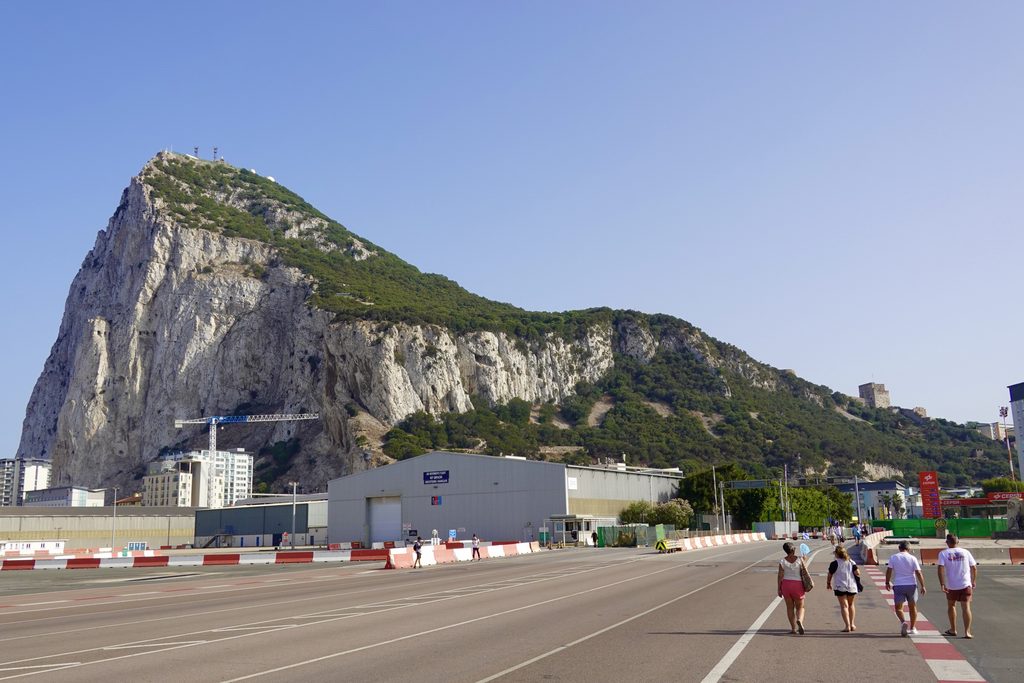
Whether one is exploring the limestone caves of Gibraltar, kitesurfing in the windswept bays of Dakhla, or crossing the Strait of Gibraltar to reach the historic plazas of Spain, the experience is enriched by the context of the journey. Morocco’s borders are not walls; they are portals to a wider, diverse regional narrative. By stepping beyond the borders of the Kingdom, the traveler gains a more nuanced perspective on the shared history and contemporary dynamics that define this vital corner of the world. As global travel continues to evolve, the capacity to bridge these borders will remain a defining skill for those seeking to truly understand the Mediterranean and its Saharan gateway.
Related posts: