Navigating Iceland with Children: A Comprehensive Family Travel and Budgetary Guide for the Subarctic

The allure of Iceland as an accessible, family-friendly international destination has grown significantly over the past decade, driven in large part by low-cost transatlantic carriers and expanding tourism infrastructure. For parents considering a subarctic excursion with young children, careful logistical planning can transform what appears to be a daunting and financially prohibitive expedition into an achievable and enriching educational experience. A recent case study involving a mother and her five-year-old child offers a practical blueprint for navigating Iceland on a budget, highlighting affordable transit options, strategic lodging, and family-oriented attractions that offer complimentary admission for minors.
Flight Logistics and Transatlantic Budget Strategies
The journey began with a domestic positioning flight from Phoenix, Arizona, to Los Angeles International Airport (LAX), a common tactic for securing heavily discounted international fares. From LAX, the travelers boarded a WOW air service bound for Keflavík International Airport. The ticket price of $99 each way exemplified the ultra-low-cost carrier model that reshaped North Atlantic travel during the mid-2010s, allowing budget-conscious families to cross the ocean for a fraction of legacy carrier prices.
To manage the nine-hour time zone shift and the physical demands of a red-eye flight, the family implemented a deliberate sleep-deprivation strategy the night prior to departure. This approach ensured that both parent and child slept through the duration of the flight, mitigating the effects of jet lag upon arrival in the early morning hours. Industry analysts note that while budget airlines often face criticism regarding ancillary fees and schedule reliability, strategic booking and light packing can significantly reduce the overall cost of international family travel.
Early Morning Arrival and the Blue Lagoon Experience

Upon touching down at Keflavík International Airport at approximately 4:00 AM, the travelers encountered a common logistical hurdle for early-morning arrivals: standard hotel check-in times typically do not begin until 3:00 PM. To bridge this eleven-hour gap, the travelers utilized pre-booked coach transportation directly from the airport to the Blue Lagoon, one of Iceland’s most prominent geothermal spas.
The Blue Lagoon, situated in a lava field near Grindavík, provides extensive visitor amenities, including secure luggage storage and modern lockers, making it a viable holding area for sleep-deprived tourists. Because the facility offers complimentary admission for children, families can access the silica-rich, warm geothermal waters without incurring additional per-child entry costs. Observations from the early-morning arrival indicated lower visitor density between 4:00 AM and sunrise, offering a quieter environment before peak tourist hours commenced. Following a restorative morning soaking in the 37–40°C (98–104°F) mineral waters and utilizing the facility’s signature silica mud masks, the travelers boarded a scheduled transfer bus onward to the capital city of Reykjavík in time for afternoon lodging check-in.
Accommodations and Urban Navigation in Reykjavík

Securing lodging in close proximity to the urban core of Reykjavík proved vital for minimizing daily transportation expenses. The family rented a fully equipped two-bedroom apartment situated a single block from the city center. This accommodation featured a complete kitchen, independent heating, a private bathroom, cable television, and high-speed internet access.
Navigating the city on foot required minimal vehicular expenditure, although winter conditions and unfamiliar street nomenclature presented minor orientation challenges. Demographically and socially, Iceland presents a highly accessible environment for English-speaking international travelers; English is taught as a mandatory second language in Icelandic schools from an early age, resulting in near-universal fluency across the service and hospitality sectors. The proximity of the apartment to grocery stores and central thoroughfares allowed the family to conduct daily walking excursions without relying on rental cars or municipal transit within the city limits.
The South Coast Excursion: Chronology and Highlights

On the second day of the itinerary, the travelers embarked on an eleven-hour guided motorcoach excursion along Iceland’s southern coastline. The structured day trip encompassed several prominent geological and geographical formations, structured across a chronological timeline designed to maximize daylight hours:
- Sólheimajökull Glacier: An outlet glacier of the larger Mýrdalsjökull ice cap, where visitors observe receding glacial tongues and volcanic ash striations.
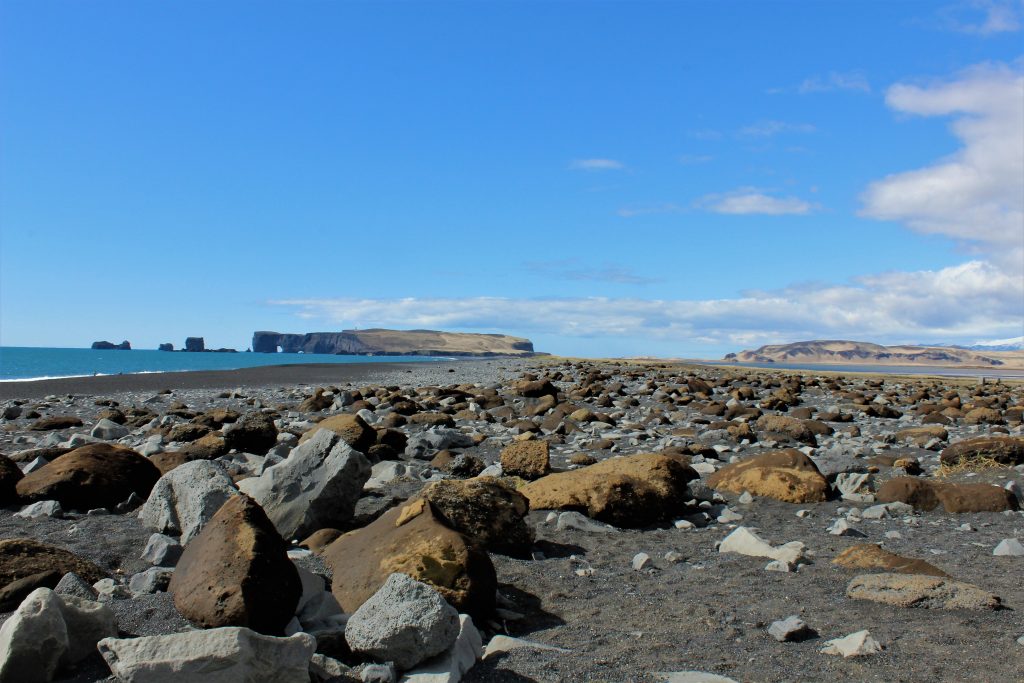
- Reynisfjara Black Sand Beach: A coastal stretch characterized by basalt column formations and powerful North Atlantic rogue waves.
- Vík í Mýrdal: The southernmost village on the Icelandic mainland, serving as a regional hub for coastal commerce and emergency services.
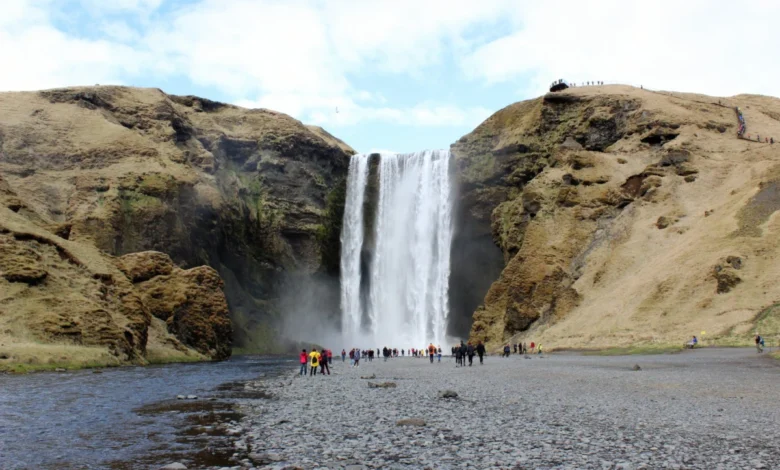
- Skógafoss Waterfall: A 60-meter-high drop fed by the Skógá River, noted for the constant rainbows produced by its heavy mist.
- Seljalandsfoss Waterfall: A distinct cascade where a footpath allows visitors to walk entirely behind the sheet of falling water.
A significant financial advantage of this tour operator’s policy was the complimentary inclusion of children on major excursions, aligning with broader Icelandic tourism standards that waive admission fees for minors under a certain age on many commercial day tours and municipal attractions.
Financial Realities: Managing Subarctic Expenses and Culinary Costs

Economic analyses consistently rank Iceland among the most expensive nations globally for consumer goods and dining out. High import tariffs, strict agricultural protectionism, and elevated labor costs contribute to steep pricing in restaurants, where standard children’s meals frequently range between $10 and $15 USD.
To offset these expenditures, the travelers adopted a self-catering strategy, purchasing provisions at local Icelandic supermarkets such as Bónus or Krónan. This approach not only controlled food budgets but also introduced the family to domestic grocery culture and regional packaged goods.
Concurrently, the trip highlighted the cultural significance of the Icelandic hot dog (pylsa). Composed of a distinct blend of local lamb, pork, and beef encased in a natural sheep-skin casing, these hot dogs are served on a steamed bun garnished with both raw and crispy fried onions, and finished with a tripartite condiment profile: tomato ketchup, a sweet brown mustard (pylsuennep), and remoulade—a mayonnaise-based cold sauce flavored with capers, mustard, and herbs. Priced lower than standard sit-down restaurant meals, these iconic street-food items served as a staple dietary component throughout the journey.

Meteorological Variability and Packing Preparations
Meteorological conditions in Iceland are notoriously volatile, necessitating rigorous physical and material preparation. Pre-trip weather forecasts predicted mild conditions ranging between 45°F and 50°F (7°C to 10°C). However, actual operational conditions during the visit featured frequent snowfall, high winds, and ambient temperatures fluctuating between the 30s and low 40s Fahrenheit, with windchill values dropping perceived temperatures to approximately 23°F (-5°C).
Travel experts emphasize that visitors must pack multi-layered thermal apparel, waterproof outerwear, and sturdy footwear regardless of the season. Urban exploration on foot in sub-freezing temperatures requires thermal base layers, windproof shells, and insulated gloves to prevent hypothermia and frostbite during extended outdoor activities.

Culinary Tourism: The Omnom Chocolate Factory Model
Beyond traditional sightseeing, the itinerary integrated specialized culinary tourism through a guided tour of Omnom Chocolate, an artisanal bean-to-bar chocolate manufacturer based in Reykjavík. The facility tour provides visitors with insight into small-batch cocoa processing, sustainable sourcing of international cacao beans, and Scandinavian design aesthetics. Factory tours of this nature offer educational value for younger travelers, contextualizing the agricultural origins of chocolate production while providing extensive sensory samples.
Broader Implications for Family-Oriented Polar Tourism

The success of this budget-conscious Icelandic expedition underscores a broader shift in family travel demographics. Historically perceived as an exclusive destination for luxury travelers, corporate retreats, or strenuous adventure expeditions, Iceland has democratized access through strategic aviation partnerships and child-friendly municipal policies.
Economic policy analysts note that while Iceland’s tourism board continues to grapple with overtourism and infrastructure strain in rural areas, family-focused budget travel remains viable through the deliberate utilization of off-peak scheduling, public transportation networks, apartment rentals, and grocery procurement. By substituting luxury dining with local street food and leveraging complimentary youth admissions for natural wonders and geothermal spas, families can experience high-latitude environments without incurring unsustainable financial liabilities.