Navigating Flight Cancellations: A Comprehensive Guide to Passenger Rights, Strategic Rebooking, and Mitigating Travel Disruption

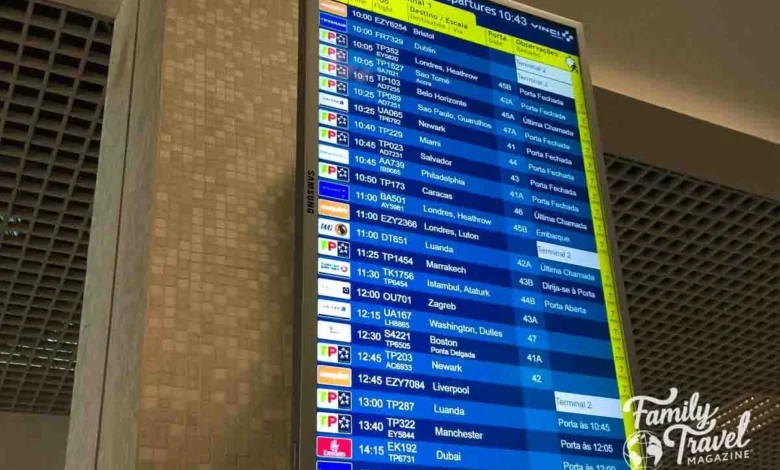
Global air travel has increasingly become a landscape of unpredictability, defined by frequent schedule adjustments, sudden cancellations, and prolonged tarmac or terminal delays. Whether triggered by cascading technological failures, severe weather events, or persistent staffing shortages across major carriers, flight disruptions impose significant logistical and financial burdens on travelers. Understanding how to navigate these challenges requires a methodical approach that blends proactive planning, real-time crisis management, and a thorough working knowledge of passenger rights and airline operational protocols.
The aviation industry operates on an intricate, highly interdependent global network. When a single hub experiences a localized ground stop due to inclement weather or air traffic control mandates, the disruption frequently ripples across domestic and international routes, displacing aircraft and flight crews hundreds or thousands of miles away. According to data compiled by transportation authorities and industry analytics firms, millions of passengers face flight delays or cancellations annually, with peak summer travel periods and winter storm seasons yielding the highest concentrations of cancellations. Consequently, modern travelers must adopt a strategic framework to safeguard their itineraries, protect their financial investments, and ensure continuity of travel.
Proactive Preparation and Strategic Booking Protocols
Mitigating the impact of a canceled flight begins long before a passenger steps foot inside a terminal. Industry experts and consumer advocacy organizations emphasize that the foundational steps of trip planning dictate a traveler’s resilience against unexpected disruptions. When constructing an itinerary, travelers are advised to incorporate generous buffer times, particularly when connecting flights are involved. Arriving at a destination city a day in advance of critical, time-sensitive events—such as cruise departures, international tours, or milestone celebrations—drastically reduces the risk that a delayed or canceled connection will result in missed opportunities.
Furthermore, booking direct flights whenever possible eliminates the variables introduced by intermediate connections, which remain primary vectors for missed legs and lost baggage. Travelers should also ensure that airlines possess their most current contact details, including active mobile phone numbers and monitored email addresses, to guarantee receipt of automated cancellation alerts and rebooking notifications.
The digital ecosystem offers a variety of tools designed to monitor flight health and track schedule integrity. Frequent flyers often utilize specialized third-party applications, such as Flighty or TripIt, which pull real-time data from global distribution systems and air traffic control feeds. These platforms frequently notify users of aircraft swaps, rolling delays, and inbound flight status long before traditional airline notifications are dispatched. Travelers utilizing these platforms can gain a critical time advantage, identifying potential operational bottlenecks before arriving at the airport.

Chronology of a Disruption: Immediate Action Steps When Flights Are Canceled
When a flight cancellation occurs, the timeline of response dictates whether a passenger secures a viable alternative or finds themselves stranded in a terminal queue. The immediate aftermath of a cancellation can be bifurcated into two distinct operational environments: pre-departure notifications and on-site terminal discoveries.
Phase 1: Pre-Departure Cancellation (Before Leaving for the Airport)
If an airline or a flight-tracking application indicates a cancellation before the traveler departs for the airport, the primary objective is to avoid terminal congestion entirely. Modern airline mobile applications often allow passengers to manage reservations, review automatically generated rebooking options, and accept alternative itineraries digitally.
During widespread weather events—such as nor’easters in the Northeast or seasonal hurricanes along the Gulf Coast—airlines frequently issue proactive travel waivers. These waivers permit passengers to modify their travel dates without incurring standard change fees or fare differentials, provided the adjustments fall within specified parameters. Reviewing these options online or via customer service telephone lines from home prevents travelers from adding to physical airport queues. If an automatic rebooking is unsatisfactory, passengers should immediately contact the airline’s reservation line or utilize digital chat functions to negotiate more favorable routing, which may include flying into or out of nearby secondary airports.
Phase 2: On-Site Cancellation (At the Airport Terminal)
Discovering a flight cancellation upon arrival at the airport introduces immediate logistical complexities. At this stage, passengers must execute a dual-track strategy to maximize their chances of securing prompt rebooking. Industry professionals recommend standing in the physical queue for customer service or gate assistance while simultaneously placing a call to the airline’s primary or elite-status reservation hotline.

When communicating with airline representatives, maintaining a professional, factual, and composed demeanor frequently yields positive results. Gate and ticket counter agents operate under constrained parameters, managing limited seat inventory across stressed networks; approaching them with hostility rarely accelerates the rebooking process. Travelers should clearly state their destination requirements, inquire about interline agreements—whereby one airline transfers a passenger to a competitor’s flight—and remain open to multi-leg itineraries or alternative regional airports.
Logistical Management: Baggage, Seating, and Extended Delays
Beyond securing a new seat, travelers must actively manage secondary logistical concerns, including checked baggage, seating assignments, and prolonged terminal waits.
Baggage Accountability and Rerouting
If luggage was checked prior to a flight cancellation, passengers must confirm the physical location and status of their bags with a terminal agent. When an itinerary is modified—particularly when switching to a different airline or routing—baggage tags must be formally updated and rescanned to prevent suitcases from traveling to the originally intended, vacant destination. Securing a printed baggage receipt reflecting the new routing is essential for tracking purposes.
Seat Assignment Integrity
Schedule modifications, equipment swaps, and aircraft downgrades frequently trigger automatic seating reassignments within airline reservation systems. Families and group travelers must audit their itineraries immediately following any schedule change to ensure that minors are not separated from guardians. If automated systems split a party, passengers should request immediate seat block adjustments at the gate or through customer service channels.

Coping With Long Lays and Overnight Disruptions
When cancellations result in multi-hour delays or mandatory overnight stays, passengers face the realities of terminal endurance or off-site lodging logistics. Under current Department of Transportation regulations and individual airline contract-of-carriage guidelines, carriers are generally obligated to provide hotel vouchers and ground transportation only when a cancellation is within the airline’s control (such as mechanical failures or crew scheduling errors). Conversely, cancellations driven by "force majeure" events, including severe weather, air traffic control mandates, or natural disasters, typically exempt airlines from providing complimentary lodging and meal vouchers.
For extended daytime delays, some travelers opt to utilize day-use hotel properties located near major international airports. These facilities provide private rooms, Wi-Fi, and access to hotel amenities such as fitness centers and pools for a fraction of an overnight rate, offering a quiet respite from crowded terminal concourses. Additionally, packing essential electronic chargers, portable power banks, and necessary medications in carry-on baggage is vital for sustaining comfort during unexpected layovers.
Financial Protections and the Role of Travel Insurance
The economic fallout of canceled flights—ranging from uncompensated hotel nights to emergency ground transportation and spoiled non-refundable reservations—highlights the utility of comprehensive travel insurance policies. While credit cards often provide baseline protections for trip interruptions or delays, dedicated third-party travel insurance policies frequently offer broader coverage thresholds.
Travelers evaluating insurance policies should examine specific clauses regarding "common carrier delays," "trip cancellation/interruption," and "missed connections." Documentation is paramount: in the event of a disruption, travelers must secure written verification of the cancellation reason from the airline, retain all itemized receipts for incurred expenses (meals, lodging, transit), and file claims promptly upon returning home. Understanding the fine print of these policies ensures that travelers are adequately indemnified against the fiscal unpredictability characteristic of modern commercial aviation.
Related posts: