Why Room Sharing With Strangers While Traveling Is Making an Unexpected Comeback Among Solo Adventurers

Whether travelers choose to sleep beneath the sweeping canvas of a Serengeti safari camp, experience the nomadic tradition of a Mongolian ger, or retreat to a cozy fjordside lodge in Greenland, modern tourism is undergoing a quiet behavioral shift. For decades, the hospitality industry has catered to an increasingly independent demographic, offering single supplements, private hotel rooms, and isolated accommodation options designed for the solo traveler. However, a growing cohort of voyagers is intentionally opting for the exact opposite: sharing a room with a complete stranger.
Francesca Specter, author of the acclaimed book Alonement—which explores the psychological and emotional benefits of spending time solo—found herself surprised by this phenomenon. Initially, her decision to share accommodations with an unfamiliar traveler was a purely financial calculation aimed at cutting travel expenses during a trip to Oaxaca, Mexico. What began as a cost-saving measure, however, evolved into a profound lesson in human connection.
Looking across the room at the twin bed occupied by Emily, a stranger-turned-close friend with whom she had spent two weeks exploring Mexico, Specter realized that the shared experience brought an unexpected dimension to her journey. Far from being a mere compromise, room sharing on group tours and adventure excursions has transformed into a sought-after travel highlight for independent adults.
The Economics of Modern Solo Travel and the Single Supplement
To understand the resurgence of room sharing, one must examine the financial and social landscape of contemporary tourism. The rise of solo travel over the past decade has been well-documented by global travel agencies and hospitality analysts. Industry data indicates that independent travel bookings have surged by over 40% globally since the mid-2010s, driven by shifting demographics, delayed marriages, and an increased cultural emphasis on personal independence.
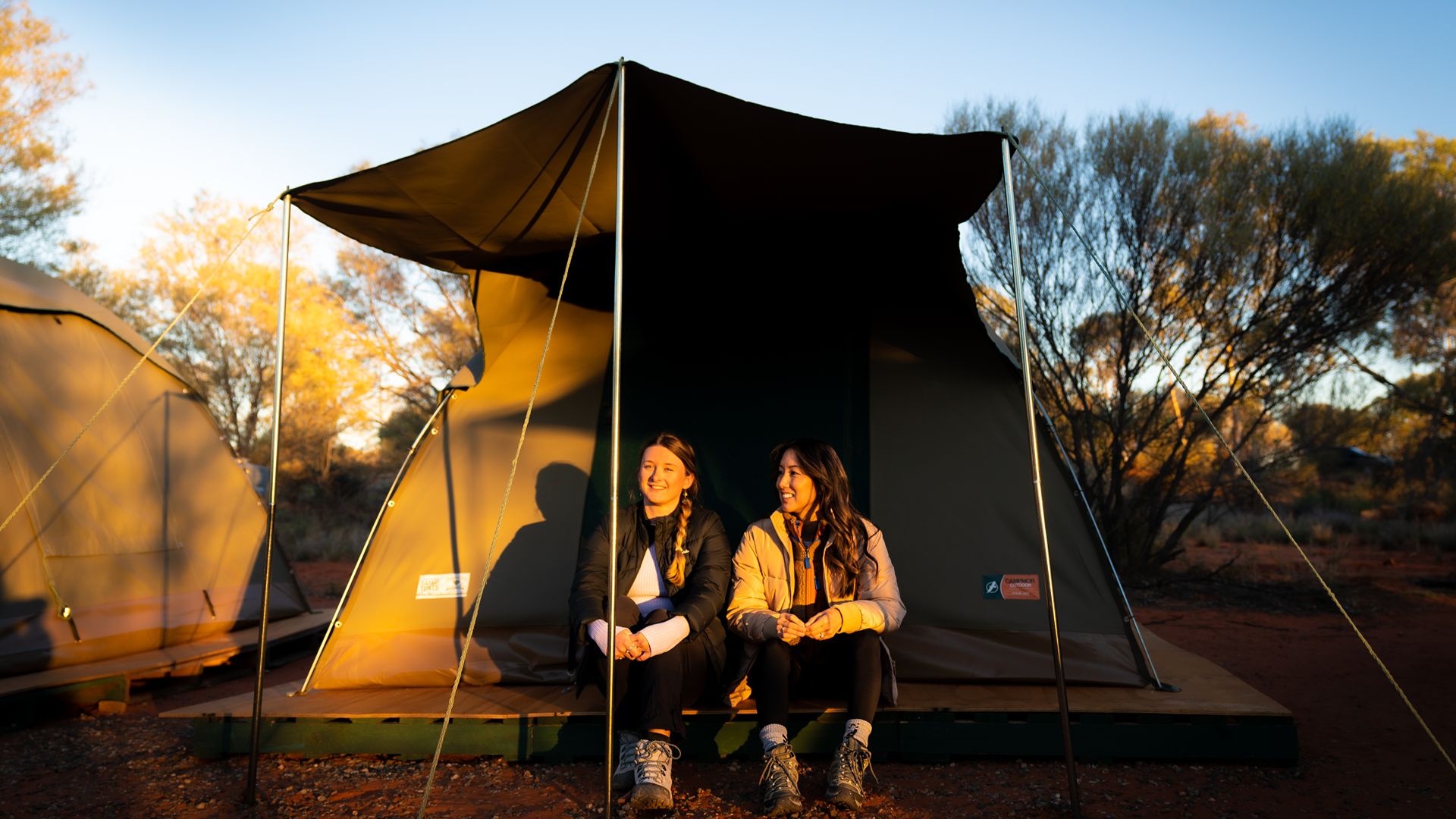
Despite this boom, solo travelers have long faced a persistent financial penalty known in the industry as the "single supplement." Because standard hotel rooms and tour accommodations are priced on a double-occupancy basis, solo travelers are frequently charged an additional fee to occupy a room alone. For many budget-conscious adventurers, this surcharge can inflate the total cost of a trip by 20% to 50%.
Historically, tour operators addressed this by pairing solo travelers of the same gender in twin-share rooms to waive the surcharge. While travelers initially accepted this arrangement out of economic necessity, tourism boards and adventure operators are now reporting a shift in consumer sentiment: travelers are no longer just tolerating room sharing to save money—they are actively enjoying the unanticipated social and psychological benefits it provides.
Maintaining Energy Levels and Breaking Travel Fatigue
Long-distance travel, while exhilarating, imposes substantial physical and mental demands on the human body. Navigating unfamiliar transit systems, managing jet lag, adjusting to foreign time zones, and processing sensory overload from new environments can quickly deplete a traveler’s energy reserves. Under these conditions, the temptation to retreat inward is powerful. Many solo travelers fall into the trap of spending their evenings isolated in their hotel rooms, scrolling through phones or watching television rather than engaging with their destination.
The presence of a roommate provides a natural counterweight to this fatigue. When paired with someone who shares a mutual passion for discovery, travelers often find themselves gently nudged out of their comfort zones.
During her time in Mexico City, Specter experienced this firsthand. Overwhelmed by travel fatigue on her first morning in the capital, she was convinced by her roommate, Emily, to lace up her running shoes for a jog through the sprawling Bosque de Chapultepec, followed by an evening at a traditional Lucha Libre wrestling match. These spontaneous outings became the definitive highlights of the journey—experiences that would likely have been missed had she been traveling entirely alone.

Psychologists and travel experts note that peer accountability plays a vital role in maintaining high engagement levels during group expeditions. Knowing that another person is counting on you to show up, or simply observing their enthusiasm, can reignite flagging motivation after a strenuous day of trekking or sightseeing.
The Proximity Effect and the Adoption of Virtuous Habits
Beyond shared itineraries, room sharing introduces a psychological phenomenon known in behavioral science as the "proximity effect." First extensively studied in social psychology during the mid-20th century, the proximity effect demonstrates that individuals tend to form attachments—and subconsciously adopt behaviors—from those who are physically close to them over extended periods.
While this effect can sometimes transmit unfavorable habits, structured travel environments tend to produce the opposite result. When two strangers are placed in close quarters within a hotel room, both parties typically strive to present their best selves. This creates a mutual standard of decorum and often leads to the adoption of healthier, more structured daily routines.
For individuals who struggle with self-regulation regarding sleep hygiene or relaxation, a disciplined roommate can act as an accidental wellness coach. Specter recalls a summer excursion to Nice, France, where her roommate’s meticulous and unyielding sleep routine resulted in a consistent nine hours of rest per night—a stark contrast to her usual erratic sleep schedule at home. By default, the shared sleeping environment encouraged a harmonious wind-down period free of late-night screen time or disruptive noise.
Fostering Extroversion and Combating Isolation
There is a common misconception that introverts or ambiverts are fundamentally unsuited for room sharing. Society often frames introversion as an absolute need for physical isolation, suggesting that sharing a living space will inevitably lead to social exhaustion. However, emerging research into personality and well-being suggests otherwise.

A widely cited study published in the Journal of Personality and Social Psychology examined the behavioral patterns of introverted individuals who deliberately challenged themselves to act in a more extroverted manner—demonstrating talkativeness, assertiveness, and spontaneity—over the course of a week. The findings revealed that these individuals reported statistically significant increases in positive affect, daily well-being, and a greater sense of belonging compared to control groups.
Room sharing acts as a low-stakes catalyst for this exact behavioral stretch. It gently forces individuals out of their internal monologues and into verbal communication. Conversely, avoiding social contact can sometimes backfire. Specter notes a trip to Cartagena, Colombia, during which she elected to pay for the "luxury" of a private single room. Rather than feeling liberating, the evening dissolved into hours of solitary scrolling on social media—an isolating experience that left her wishing for the conversational friction and companionship of a roommate.
Practical Skill-Sharing and the Art of Compromise
Living in close proximity with another person also serves as an informal academy for practical life hacks and cross-cultural exchange. Because travel forces individuals to pack light and adapt to unfamiliar climates, roommates frequently observe and absorb each other’s specialized routines.
During a winter excursion to Spain, Specter learned a regional technique from an Italian travel companion: using a hotel hairdryer to warm the entire body immediately after a shower to combat the winter chill more efficiently. On another expedition through the rugged jungles of Vietnam, a roommate proficient in hairstyling taught her how to execute durable French braids—a heatproof, practical hairstyle that she continues to use years later. While digital platforms like TikTok offer endless instructional videos, acquiring tactile, real-world skills directly from a peer leaves a lasting, memorable impression.
Furthermore, sharing a room serves as a low-risk testing ground for interpersonal compromise and emotional intelligence. Co-habitation requires the transparent articulation of personal boundaries and preferences. Minor points of potential friction—such as negotiating the optimal air conditioning temperature in a Seville hotel room or establishing a mutual understanding of quiet time—can be resolved quickly through open dialogue.
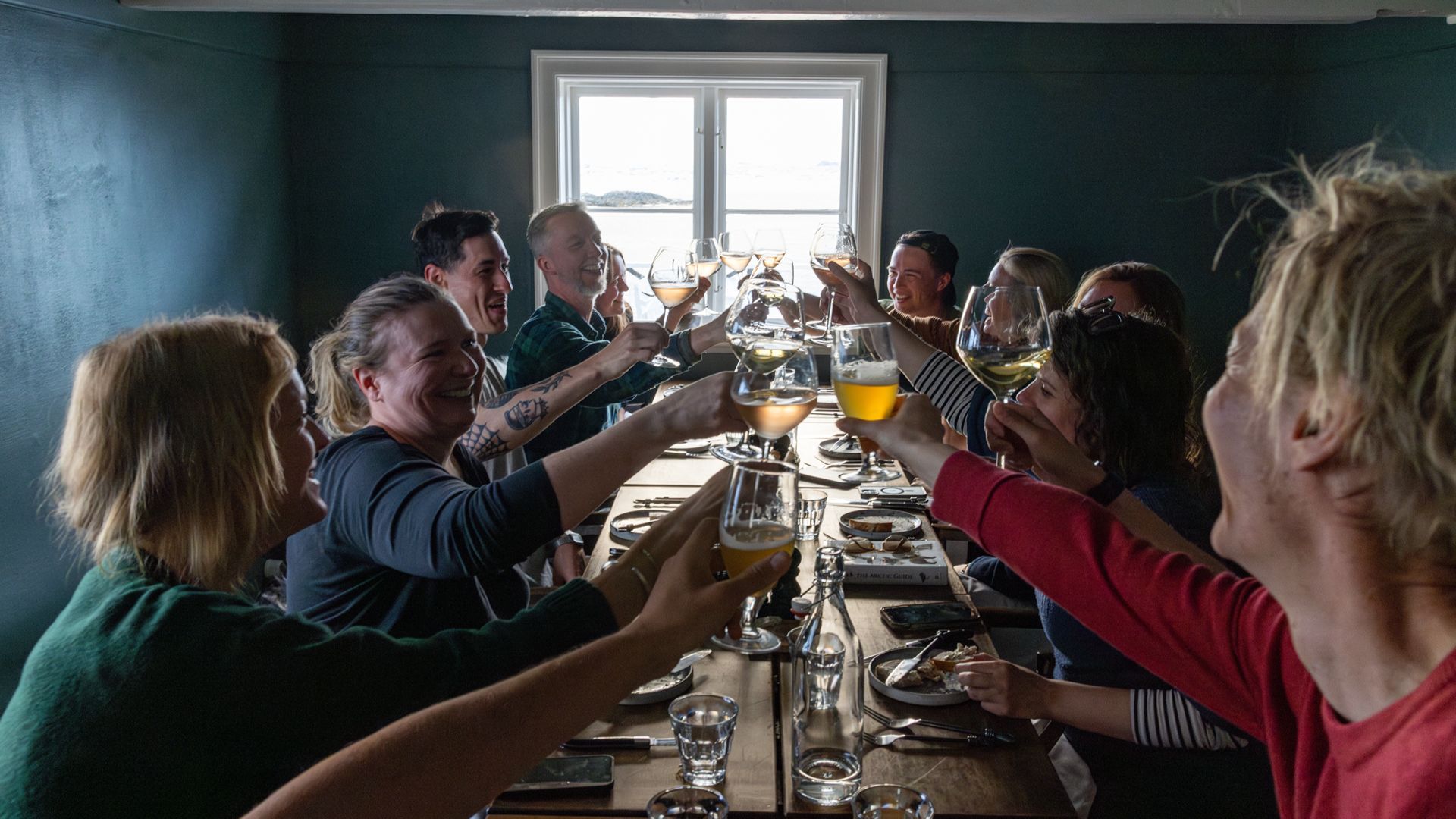
This dynamic gave rise to shared cultural shorthand among travelers, such as "towel time"—a term coined by Specter and her roommate in the Algarve, Portugal, to signal a moment of quiet post-shower decompression where verbal interaction was paused. This phenomenon illustrates a crucial psychological truth: the need for solitude does not necessarily require total physical isolation. Experiencing "alone together" moments can deepen mutual trust and foster a profound sense of psychological safety.
Accelerating Adult Friendships Through Unstructured Time
In contemporary adult life, forming new friendships is notoriously difficult. Most adult social interaction occurs within structured, limited timeframes—over a quick cup of coffee, during a formal dinner party, or in professional networking settings. These environments are often curated, guarded, and rushed.
Room sharing bypasses these artificial social barriers by providing large quantities of unrushed, unstructured time. When two people share a room while traveling, they bear witness to the unedited realities of daily life: getting dressed in the morning, nursing a morning coffee, venting about physical exhaustion, or bursting into spontaneous late-night silliness, such as singing karaoke to classic rock anthems in the early hours.
This accelerated intimacy often lays the foundation for lifelong bonds. The connection forged between Specter and her Mexican roommate Emily did not end at baggage claim; the pair continued to explore other regions of Mexico together long after their initial group tour concluded.
For independent travelers seeking to maximize both their financial resources and their emotional fulfillment, the data and personal accounts suggest that stepping away from the solitary hotel room may be the most rewarding itinerary choice of all. As adventure operators continue to expand group offerings across the globe, the shared room is no longer viewed merely as a compromise for the budget-conscious—it is celebrated as the beating heart of modern travel camaraderie.
Related posts: