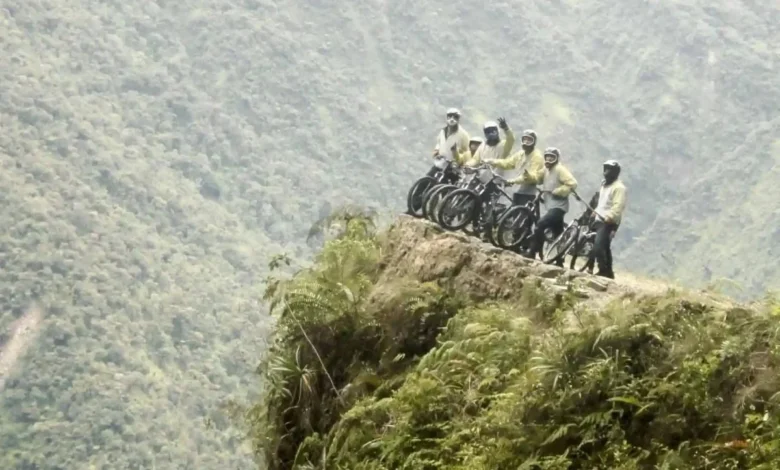
Bolivia’s Yungas Road, universally known as the Death Road, remains one of the most polarizing adventure tourism attractions in South America. Stretching approximately 64 kilometers from the freezing high-altitude pass of La Cumbre down to the subtropical basin of Yolosita, the route offers cyclists a dramatic descent of over 3,400 vertical meters. This full-day excursion from La Paz transitions riders from barren alpine snowfields at 4,650 meters above sea level to lush, humid jungle environments at roughly 1,200 meters. Over the past two decades, as commercial cycling operators have formalized tours priced generally between $70 and $160 USD, the infamous thoroughfare has transformed from a hazardous national highway into a controlled, high-adrenaline destination for thousands of international travelers annually.
Historical Context and Safety Evolution
The designation of the Yungas Road as the world’s most dangerous route is rooted in its decades-long history as the primary commercial artery connecting La Paz to the Amazon basin. Constructed largely by Paraguayan prisoners of war in the 1930s, the single-lane dirt track features sheer vertical drops of up to 1,000 meters, minimal guardrails, and unpredictable microclimates characterized by heavy fog, torrential rain, and rockfalls. Prior to the completion of an alternate, paved bypass route in 2006, the road claimed the lives of an estimated 200 to 300 travelers annually through tragic vehicular accidents.
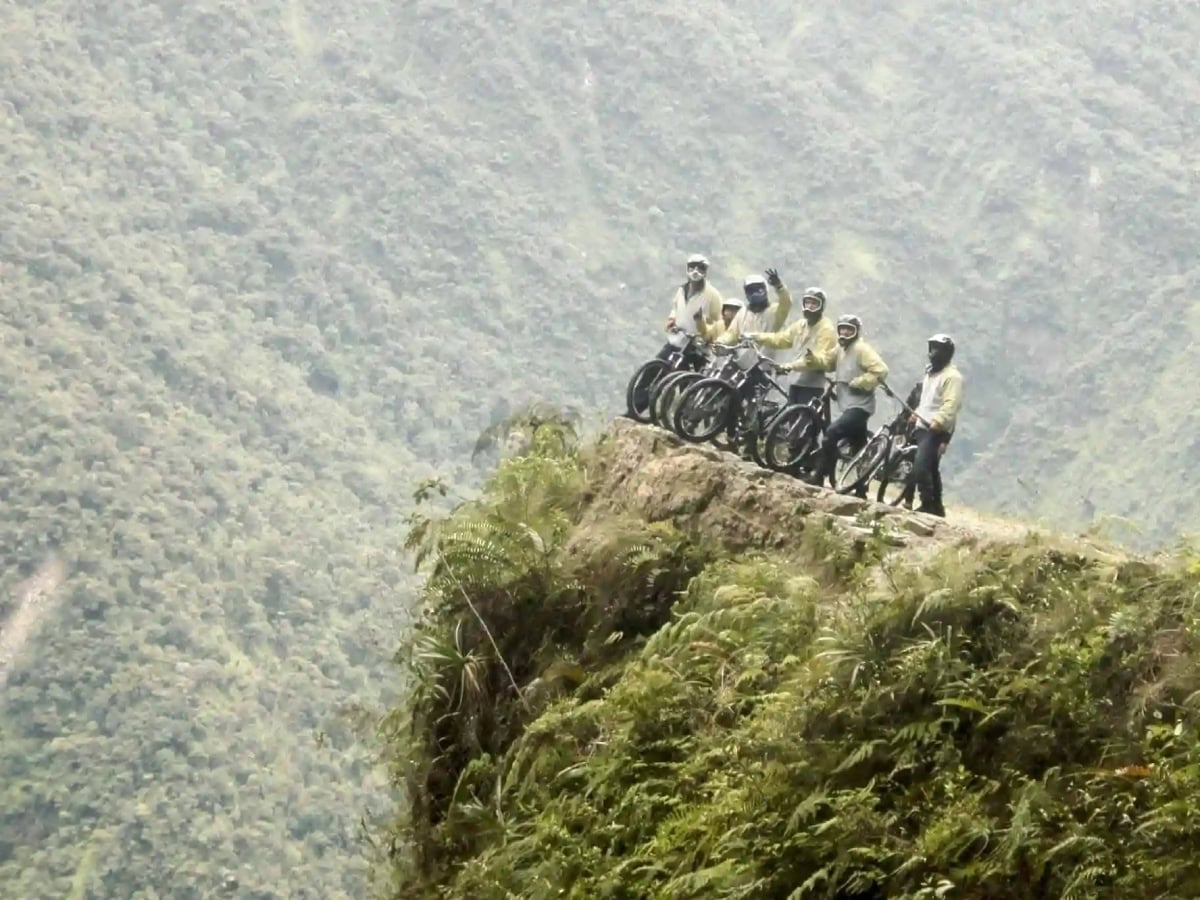
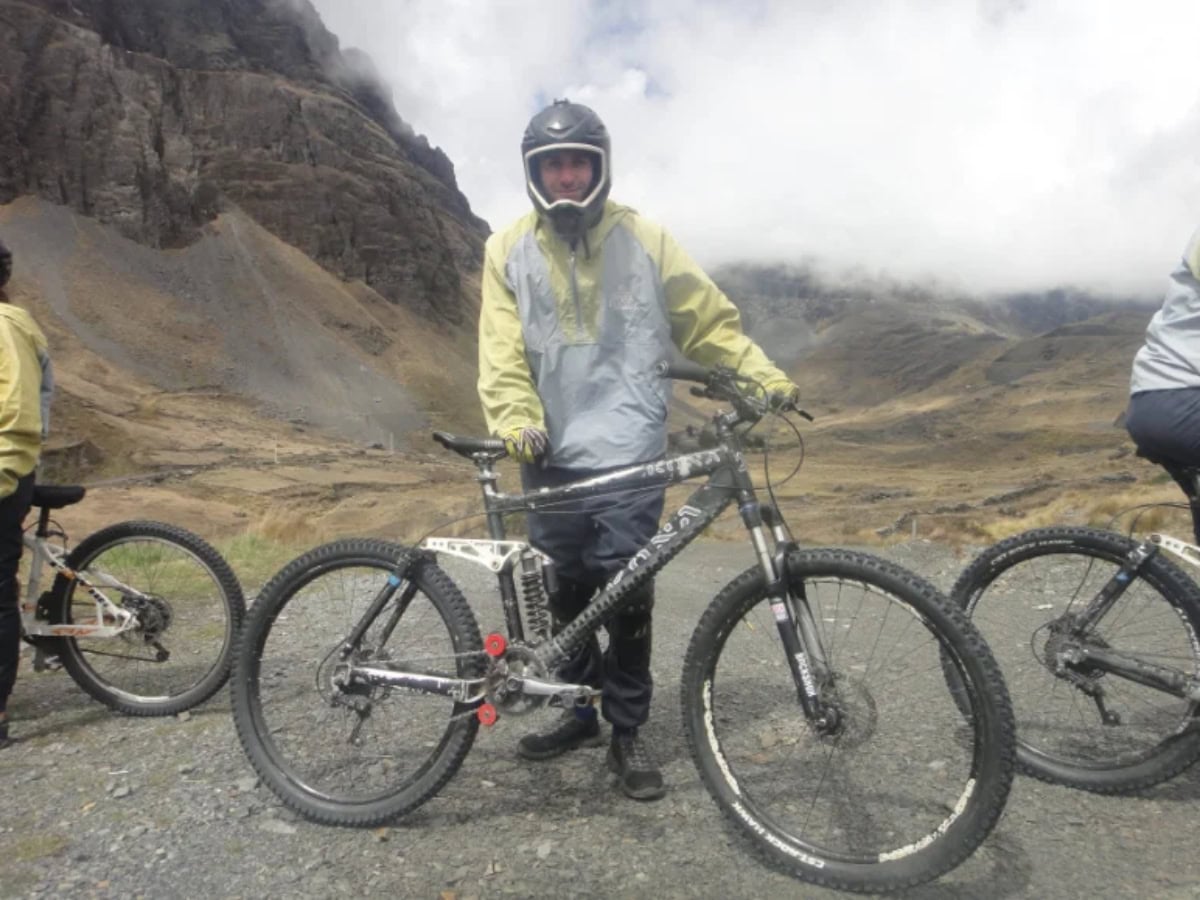
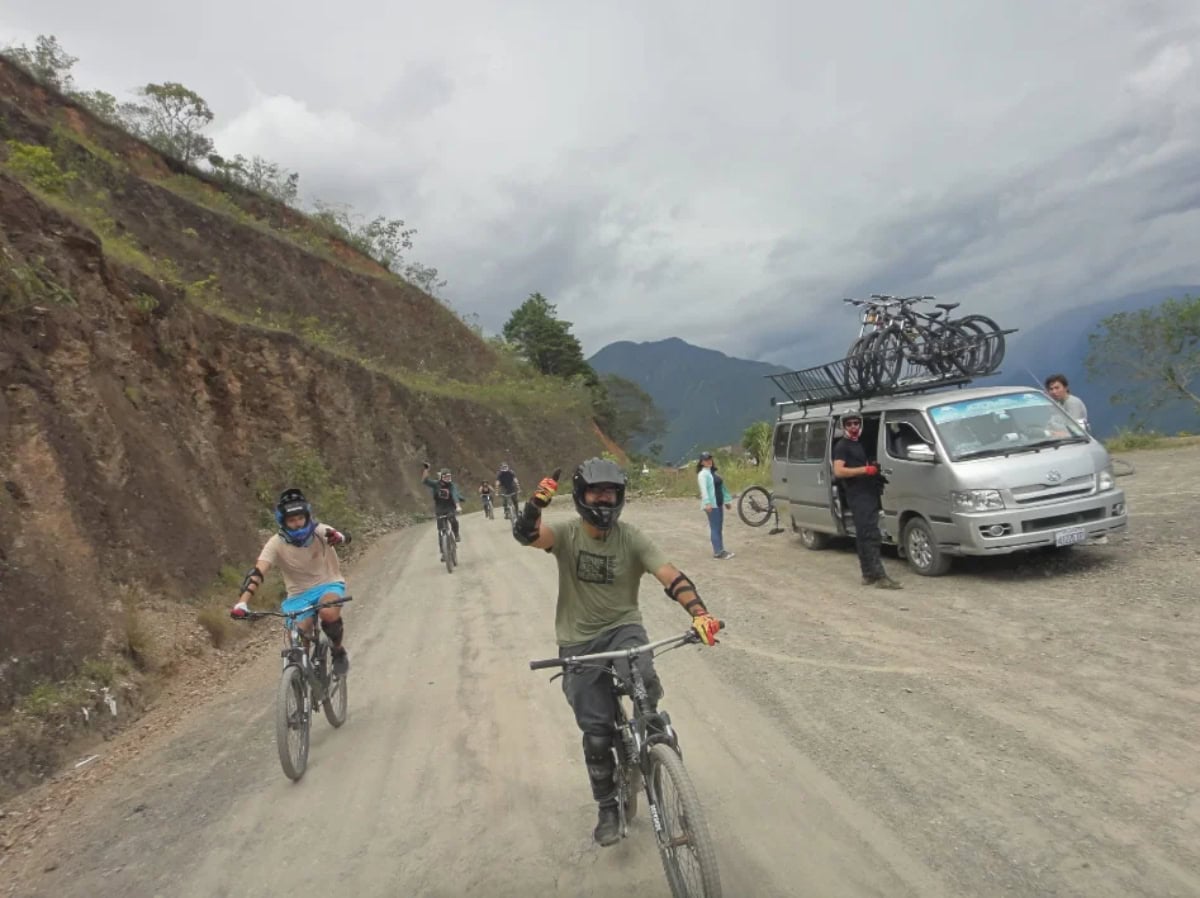
In response to these historical hazards, the Inter-American Development Bank labeled the route the most dangerous road in the world in 1995. Following the opening of the modern highway, heavy commercial traffic largely abandoned the old track, clearing the path for adventure tourism. Today, organized mountain biking tours utilize the historic route under heavily regulated conditions. While commercial operators employ professional bilingual guides, high-end suspension bikes with hydraulic disc brakes, and dedicated support vehicles, the inherent risks—driven by loose gravel, cliff edges, and variable weather—require strict adherence to safety protocols.
Chronology of a Standard Tour Day
A typical guided excursion spans approximately 10 to 13 hours, requiring an early morning departure from La Paz to beat afternoon weather fluctuations in the high Andes.
Phase 1: Ascent and Acclimatization (Early Morning)
The day begins with a hotel pickup in La Paz, followed by a transport drive upward to La Cumbre at 4,650 meters. Participants are issued technical gear, including full-face helmets, knee and elbow pads, and specialized mountain bikes. Guides conduct a comprehensive safety briefing, detailing left-side passing rules (a unique exception in Bolivia designed to give drivers a clear view of the cliff edge) and group spacing parameters.
Phase 2: The Paved Warm-Up (Mid-Morning)
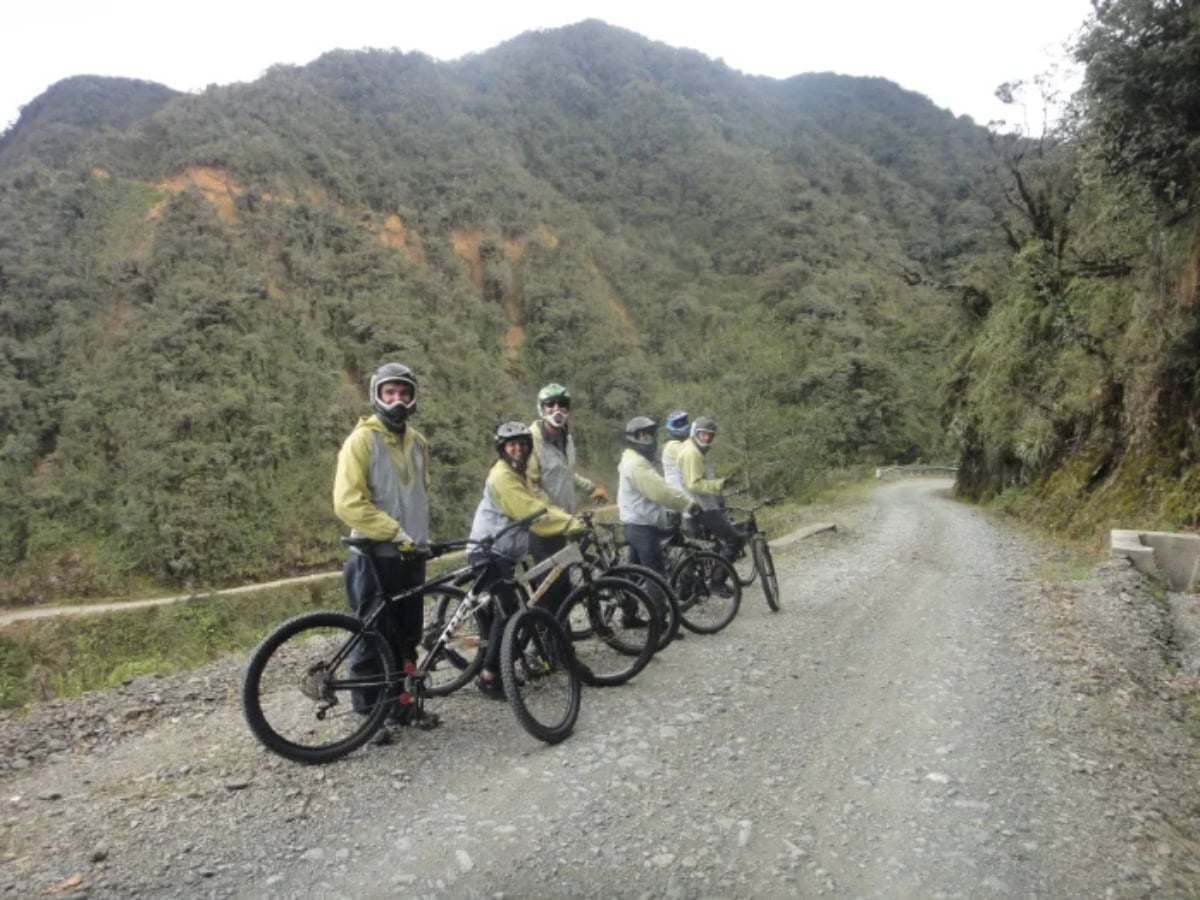
To allow riders to adjust to the equipment and thin air, tours typically commence with a roughly one-hour descent along a newly paved section of the roadway. This stretch helps participants test their braking mechanics and build confidence before entering unpaved terrain.
Phase 3: The Old Death Road Descent (Mid-Day)
At Chuspipata, the route transitions onto the historic gravel track. Over the course of approximately four hours of riding, broken by frequent regrouping stops and vehicle support checks, cyclists navigate hairpin turns, cascading waterfalls, and shifting microclimates. Guides manage the pace carefully, ensuring that slower riders maintain a safe distance from sheer drop-offs and oncoming local traffic.
Phase 4: Arrival and Decompression (Late Afternoon)
The ride concludes at Yolosita, situated at roughly 1,200 meters. Tours generally include post-ride amenities such as a hot shower, a celebratory lunch, and hotel accommodations with swimming pools. Many itineraries also offer optional side excursions, such as visits to La Senda Verde, a recognized wildlife refuge for animals rescued from the illegal trade. The return transit to La Paz via vehicle takes approximately three hours, bringing the total expedition duration to a full day.
Economic Impact and Tour Logistics
The commercial ecosystem surrounding Death Road tours has matured significantly since adventure tourism took root in the region in the late 1990s. Standard group packages generally range from $70 to $160 USD, with variations dependent on equipment quality, group size, and included amenities. In addition to the base tour price, travelers are typically required to pay a localized municipal road maintenance fee of 50 Bolivianos (approximately $8 USD) in cash at the checkpoint.
Industry analysts and tour operators emphasize the importance of vetting companies prior to booking. Key evaluation metrics include:
- Equipment Standards: Ensuring bikes feature modern hydraulic disc brakes and well-maintained front and rear suspension.
- Support Infrastructure: Verifying that a dedicated support van accompanies the group throughout the entire descent, providing an immediate option for riders who wish to opt out of technical sections.
- Cancellation and Weather Policies: Establishing contingency plans for inclement weather, particularly during the rainy season between November and March.
Tour operators advise booking at least 24 hours in advance and maintaining a flexible itinerary with a spare day in La Paz to accommodate potential weather-related cancellations.
Seasonal Weather Variations and Risk Management
Weather conditions along the route dictate both the safety and feasibility of the descent. The dry season, running from May to October, generally provides clearer visibility and firmer road surfaces, though temperatures at the La Cumbre starting point remain near freezing. Conversely, the wet season from November to March introduces heavy rainfall, dense fog, and slippery mud conditions that significantly heighten the difficulty of the ride.
Medical professionals and tour leaders strongly caution against underestimating altitude sickness. Because La Paz sits at approximately 3,600 meters and the ride begins even higher, visitors are advised to spend at least 48 to 72 hours acclimatizing in the city before attempting the descent. Undertaking the physical exertion of the ride immediately following arrival or after overnight bus transit significantly increases the risk of fatigue-induced errors on technical terrain.
Broader Implications for Bolivian Adventure Tourism
The continued operation of Death Road cycling tours highlights a broader trend in South American tourism: the repurposing of industrial or historical hazards into controlled adventure assets. For Bolivia, which historically trails neighboring Andean nations in total tourism revenue, the Death Road serves as a crucial anchor for international backpackers and adventure seekers.
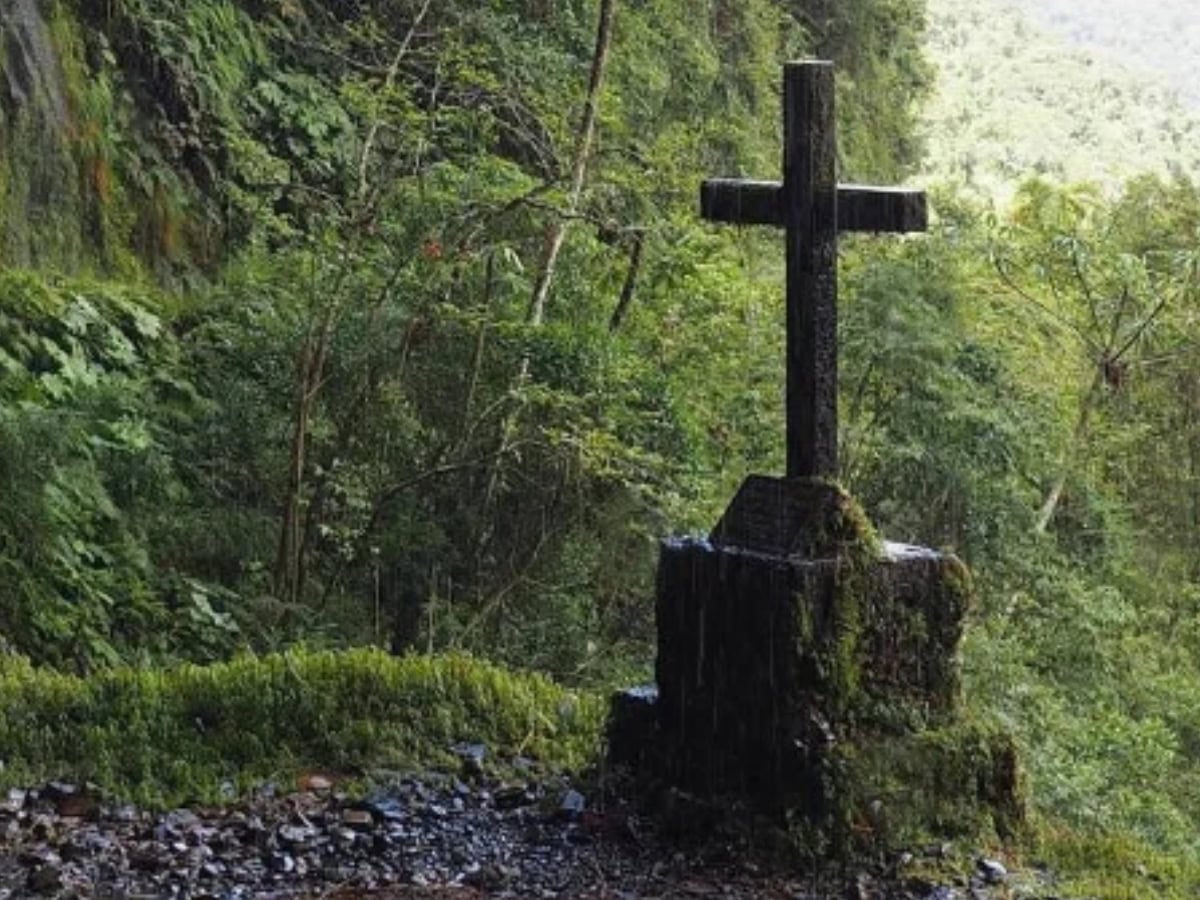
At the same time, the activity underscores the ongoing tension between high-risk tourism and regulatory oversight. While municipal governments and tourism associations have implemented mandatory registration, standardized gear checks, and road maintenance fees, the ultimate safety of the excursion relies heavily on individual participant judgment and operator accountability. As long as operators maintain strict equipment standards and conservative pacing guidelines, the descent from La Cumbre to Yolosita will remain a defining fixture of Bolivia’s tourism landscape.