The pursuit of Mount Everest’s most formidable challenges remains a defining endeavor in high-altitude mountaineering, and a Russian expedition team currently finds itself at a critical juncture in its quest to conquer the mountain via the West Ridge. Comprised of climbers Andrei Vasiliev, Vitaly Shipilov, and Sergey Kondrashkin, the team is preparing for a fourth rotation on the peak, balancing the inherent technical dangers of the West Ridge against the logistical and political complexities of the famed Hornbein Couloir. As they recover in Kathmandu from a recent bout of viral illness and wait for the dissipating influence of Cyclone Arnab, the trio remains steadfast in their commitment to a pure ascent: climbing without the aid of supplemental oxygen.
The stakes for this expedition are exceptionally high. Attempting a non-standard route on the world’s tallest mountain requires not only elite physical conditioning but also the ability to navigate a shifting landscape of weather patterns, permit restrictions, and psychological endurance. Having already navigated several failed attempts to find a viable path through the lower mountain, the team’s next push is viewed by observers as a potential make-or-break moment for the project.
A History of Route Selection Challenges
The Russian team’s current predicament stems from a deliberate decision to avoid the "normal" South Side route. Since the historic first ascent by Sir Edmund Hillary and Tenzing Norgay in 1953, the standard route—traversing the Khumbu Icefall to the South Col and up the Southeast Ridge—has become the heavily trafficked path for the vast majority of commercial expeditions. For climbers seeking to push the limits of alpinism, this route offers little in the way of technical novelty or the isolation required for a modern "fair means" ascent.
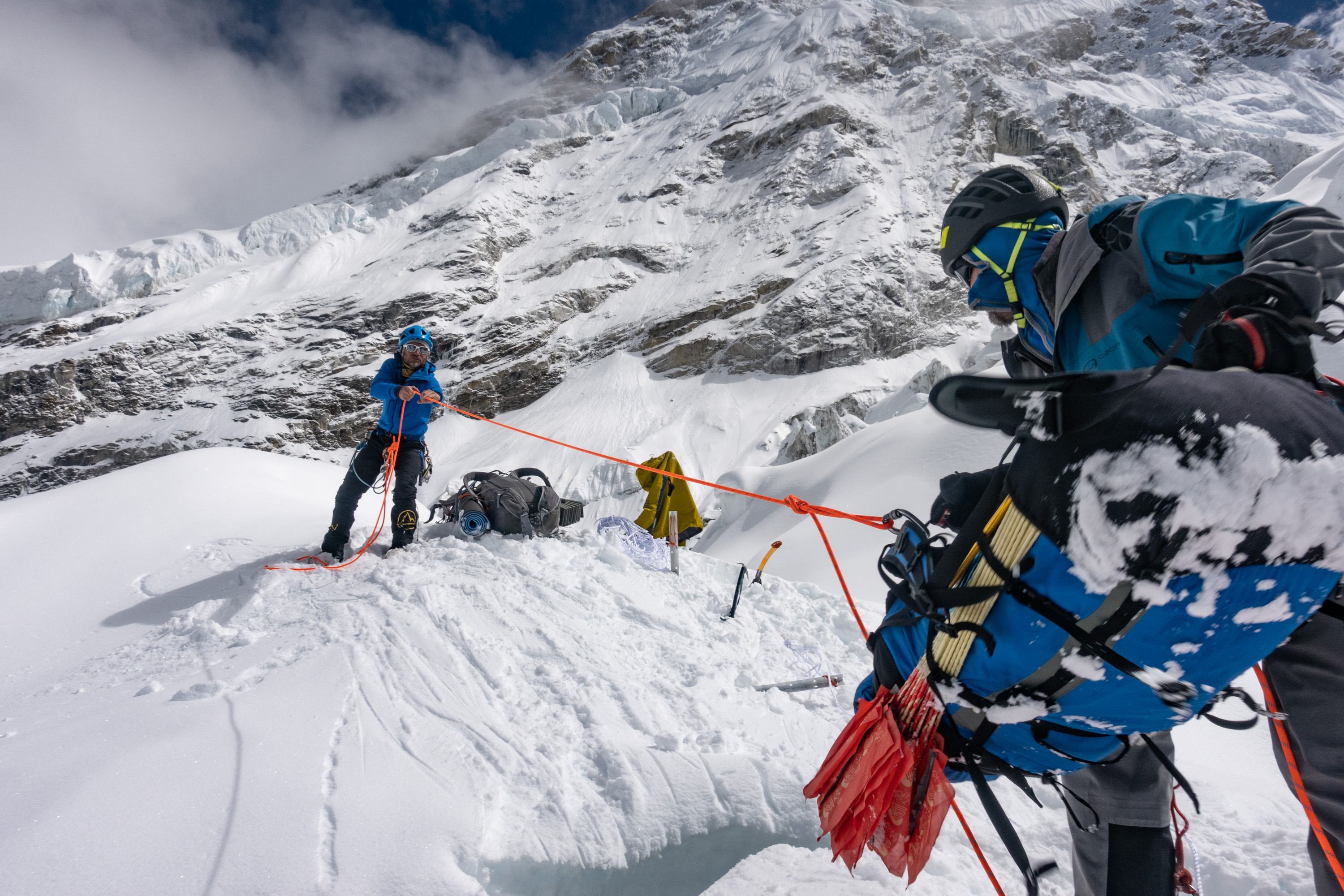
However, the alternative paths are far from forgiving. The team initially explored an approach via the Nuptse Shoulder toward Camp 1, but they were thwarted by heavy, unstable snow that made the terrain impassable. They subsequently investigated the standard Khumbu Icefall, only to find the conditions—characterized by deep snow and precarious, shifting ice bridges—to be fundamentally unsafe for their specific objectives.
Ultimately, the team pivoted to the Lho La, a high-altitude pass on the border between Nepal and Tibet. This path allows them to access the West Shoulder and the subsequent West Ridge. While the Lho La provides a gateway to the upper reaches of the mountain, it has been a notoriously difficult access point for previous expeditions, requiring significant technical climbing before even reaching the base of the primary objective.
Chronology of the Expedition’s Progress
The current effort is the culmination of months of logistical planning and several weeks of intensive field work on the mountain.
- Initial Phase: The team conducted preliminary reconnaissance, attempting to establish a viable base for their ascent. The failure to secure the Nuptse Shoulder route forced a strategic pivot.
- Secondary Phase: Investigation of the Khumbu Icefall proved that the traditional infrastructure of the mountain was not conducive to their specific technical requirements.
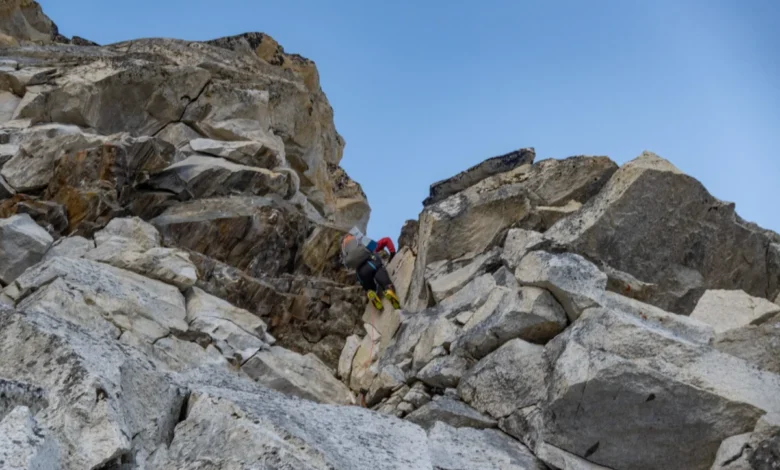
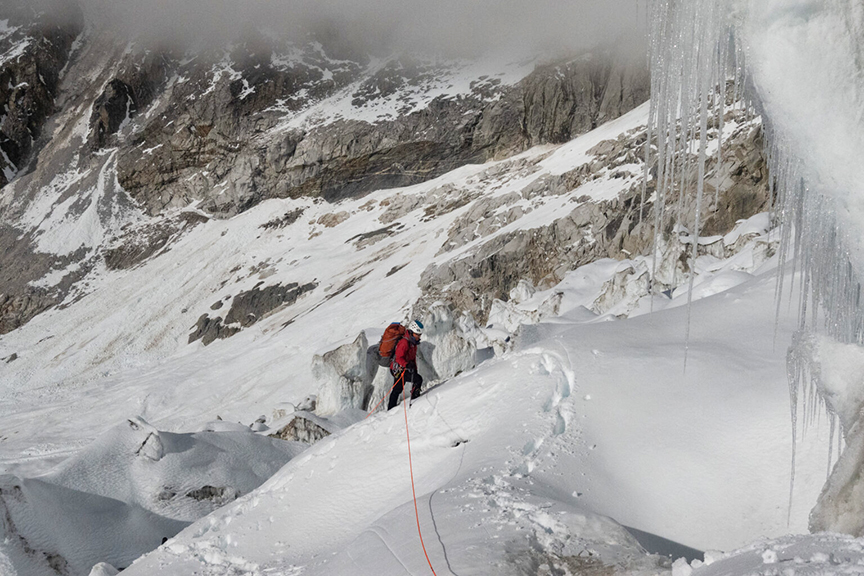
- Third Phase: The successful establishment of a route via the Lho La, followed by multiple rotations to acclimatize. During their most recent foray, the team successfully reached an altitude of 6,400 meters, completing twelve 60-meter pitches of mixed rock, snow, and ice.
- Current Status: The team is currently in Kathmandu, recovering from a viral infection and monitoring the remnants of Cyclone Arnab. They are scheduled to return to the Lobuche base camp this weekend to commence their fourth, and perhaps most decisive, rotation.
The Hornbein Couloir Dilemma: A Technical and Political Puzzle
The route currently under consideration by the team—the West Ridge—is one of the most storied and deadly lines on Everest. First successfully completed in 1979 by a Yugoslavian expedition, it is a test of sheer endurance and technical proficiency. The upper portion of the ridge is notoriously exposed, with climbers often battling high-velocity winds and unstable snow conditions at extreme altitudes.
The Hornbein Couloir, located on the North Face, is often seen as a more viable, though still intensely difficult, alternative for the final push. It offers a more direct path to the summit from the upper ridge. However, the geographic reality of the couloir introduces a significant complication: it sits squarely on the border between Nepal and Tibet.
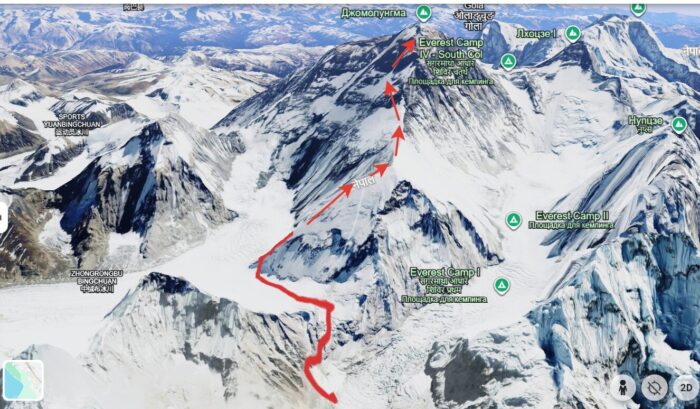
Because the team holds a permit specifically for a Nepalese-side ascent, any excursion into the Hornbein Couloir represents a potential border transgression. In the context of modern geopolitical sensitivity, this is not merely a mountaineering challenge but a diplomatic one. While historical precedent exists for climbers traversing into Chinese territory during expeditions, current regulations and the strict monitoring of the border by authorities make this a high-risk decision. Andrei Vasiliev has remained tight-lipped regarding how the team will handle this potential border crossing, noting only that their priority is the completion of one more rotation to assess the conditions of the upper ridge.
Technical Analysis of the Terrain
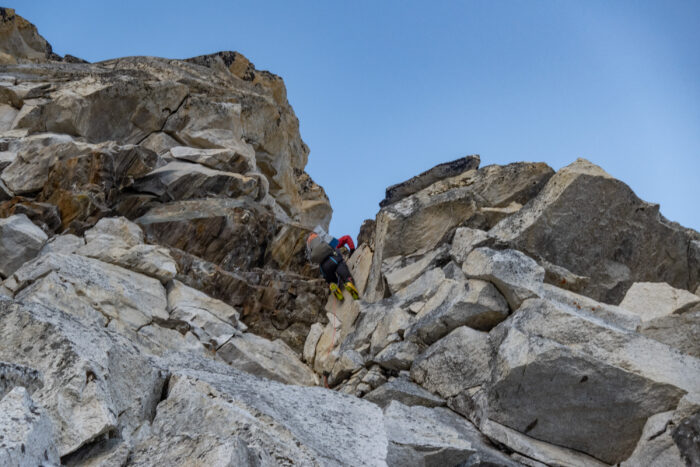
Based on the team’s reports, the terrain ahead is formidable but theoretically surmountable. Vasiliev has identified two primary rock steps, each measuring approximately 100 meters in height, which present the most significant technical hurdles. These steps are followed by stretches of steep snow, which the team hopes to climb simultaneously to save time and reduce exposure to the elements.
The presence of "ghosts" of previous expeditions—old ropes, anchors, and debris left by those who came before—serves as a stark reminder of the mountain’s unforgiving nature. For the current team, these remnants are not just markers of the route; they are warnings of the dangers inherent in the West Ridge’s upper sections. The ability to climb "simultaneously" as suggested by Vasiliev implies a level of confidence in the conditions, but this is tempered by the reality of the season. As the calendar pushes deeper into the year, the window for safe, high-altitude movement is closing. The onset of winter brings not only lower temperatures but also a decrease in the stability of the snowpack and an increase in the frequency of wind-driven events on the high ridges.
Implications for High-Altitude Alpinism
The Russian expedition’s attempt is representative of a broader movement in mountaineering to return to "pure" climbing ethics. By eschewing supplemental oxygen and refusing to use the standard commercial route, the team is attempting to demonstrate that Everest can still be climbed as a feat of human performance rather than a logistical conquest.
However, the implications of such attempts are complex. The resources required to mount a rescue on the West Ridge or the Hornbein Couloir are far greater than those required on the standard route. Furthermore, the reliance on high-risk, non-standard routes puts immense pressure on the climbers to maintain peak physical and mental health. Should the team reach the summit, it would be a significant contribution to the history of the mountain, marking a rare success in an era where such feats are increasingly overshadowed by mass-tourism expeditions.
If the team is forced to abandon the West Ridge in favor of the Hornbein Couloir, they will be forced to choose between the integrity of their permit and the safety/viability of the route. This choice will likely be scrutinized by the international climbing community, as it touches on the broader issue of how international borders are respected—or navigated—in the pursuit of extreme goals.
Future Outlook
As the team prepares to return to the mountain, the focus remains on the logistical readiness of their fourth rotation. The recovery in Kathmandu has provided a necessary pause, allowing the climbers to regain strength after their illness. The weather, which has been volatile due to the effects of the cyclone, is the final arbiter of their success.
If the conditions on the West Ridge prove as manageable as Vasiliev anticipates, the team may look to summit within the next several weeks. If the mountain remains hostile, or if the political barriers to the Hornbein Couloir prove insurmountable, the expedition may face the difficult decision of whether to retreat once again. For now, the world of high-altitude mountaineering looks toward the Lho La, awaiting the next development in a project that continues to push the boundaries of what is possible on the slopes of the world’s highest peak.