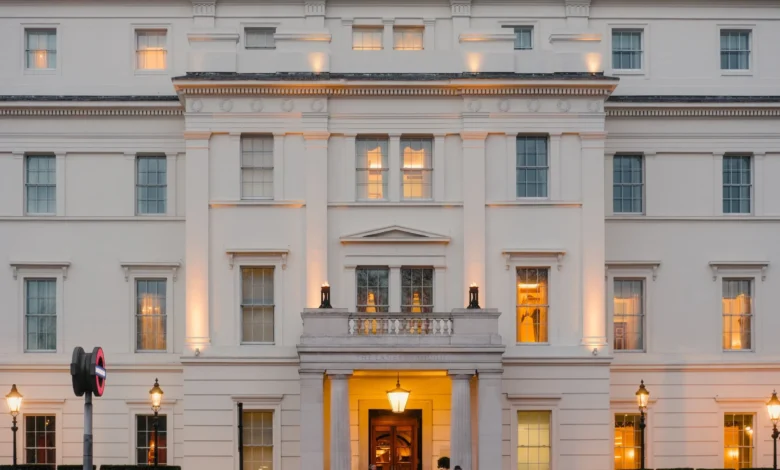
The Lanesborough has long occupied a commanding position at Hyde Park Corner, serving as an architectural sentinel for the city of London since its transition into a luxury hotel in 1991. However, the history of the building, a masterclass in Regency-style architecture, spans more than three centuries. Originally constructed as the residence of the Viscount Lanesborough, the building later underwent a radical transformation to serve as St George’s Hospital, before its current iteration as a flagship property under the Oetker Collection. This storied heritage, combined with its membership in a portfolio that includes global icons such as Le Bristol Paris and Hotel du Cap-Eden-Roc, positions The Lanesborough as one of the most significant hospitality assets in the United Kingdom.
As the hotel marks its most comprehensive update to its top-tier accommodation in over a decade, it faces an increasingly competitive landscape. Its immediate vicinity in the heart of Knightsbridge and Mayfair is saturated with ultra-luxury offerings. Within a few minutes’ walk, guests find themselves surrounded by peers such as The Berkeley, Four Seasons London at Park Lane, and 45 Park Lane. Furthermore, the 2023 opening of The Peninsula London, located directly across the junction, introduced one of the largest presidential suites in the capital, shifting the market dynamics for high-net-worth travel. To maintain its relevance, The Lanesborough commissioned the renowned interior design firm Studio Pierre-Yves Rochon to execute a major renovation of its flagship Presidential Suite.

A Chronology of Architectural Evolution
The building’s physical timeline is as complex as its social history. Designed by William Wilkins—the architect behind the National Gallery—the mansion was completed in 1827. For nearly 150 years, the site functioned as a public hospital, a period that left an indelible mark on the structure’s internal layout. In the late 20th century, the site was meticulously restored and repurposed for the luxury hospitality sector. The recent redesign by Studio Pierre-Yves Rochon represents the latest chapter in this evolution, aimed at bridging the gap between the building’s 19th-century Regency DNA and the technological expectations of 21st-century travelers.
Architectural and Design Analysis
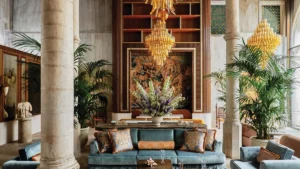
The renovated Presidential Suite adheres to a strict Regency aesthetic, characterized by a palette of pale blues, intricate white moldings, and gold accents. The design intent is to evoke the atmosphere of the early 19th century, a theme that has gained renewed cultural resonance through the popularity of period dramas like Bridgerton.
The suite is designed for modularity, capable of being configured into one, two, three, or five bedrooms. Its primary architectural asset remains the private outdoor terrace. By leveraging the building’s location directly overlooking the Wellington Arch, the design team has created an outdoor living space that serves as an extension of the internal drawing room. The use of heavy stone columns and ornate fireplace mantels on the terrace creates a seamless transition between the exterior and interior, allowing for a controlled, private view of the bustling Hyde Park junction below.

However, a technical assessment of the renovation reveals a dichotomy between aesthetic form and functional utility. While the visual impact is significant, the reliance on painted wood to simulate gold leaf detailing and the inclusion of decorative "faux" books suggests a design strategy prioritizing visual impact over material authenticity. Furthermore, while the room features an electronically controlled mechanism that reveals a television behind a decorative painting, the underlying software and hardware systems reflect a degree of obsolescence. During recent evaluations, the lack of native streaming capabilities and the failure of the legacy pay-per-view system necessitated manual workarounds, including the temporary installation of third-party hardware. For a property positioned at the ultra-luxury tier, this suggests that the renovation focused heavily on the visual "theatre" of the suite while potentially overlooking the infrastructure requirements of modern, digitally-native travelers.
Operational Data and Market Context
The Lanesborough operates as part of the Oetker Collection, a German-owned luxury hotel group. The financial implications of such a high-stakes renovation are substantial. In the London luxury hotel market, the "Presidential" or "Royal" suite category is not merely a room but a revenue-generating vehicle for high-profile delegations, heads of state, and long-stay ultra-high-net-worth individuals.
Industry data suggests that top-tier suites in this specific London quadrant can command nightly rates ranging from £15,000 to over £30,000 depending on the season and configuration. The decision to maintain the suite’s ability to scale up to five bedrooms is a tactical one, designed to accommodate larger families or security details, which are common client profiles for this specific property.

The hotel’s broader hospitality ecosystem, including the Lanesborough Grill and the Library Bar, functions as a secondary revenue stream. The Library Bar, in particular, serves as a crucial social anchor. Observations indicate that the bar’s appeal is largely driven by its ability to cultivate a "neighborhood" atmosphere among a transient elite population. The presence of the hotel’s resident Siberian Forest cat, Lilibet, has also become a documented element of the hotel’s branding, functioning as a soft-power marketing tool that humanizes the property and encourages social media engagement.
Wellness and Ancillary Services
The Lanesborough Club & Spa serves as a central pillar of the guest experience, operating as a distinct entity from the hotel. Its facility layout, which features a hydrotherapy pool, reflects a high level of investment in wellness infrastructure. However, operational feedback highlights a structural disparity: the men’s facilities are reported to be significantly more expansive than those allocated for women, a legacy constraint of the building’s historical footprint that may require future addressing as gender-neutral wellness trends continue to influence the luxury market.
The spa’s strategy of pursuing exclusive partnerships, such as the introduction of Korean skincare brands Civasan and Pyderin, serves to differentiate the hotel from the more generic luxury spa offerings found in neighboring hotels. By integrating specialized treatments like the K-Glass Skin Facial, the hotel is positioning itself as a destination for medical-grade aesthetic treatments, rather than just traditional relaxation services.

Strategic Implications and Future Outlook
The proximity to major landmarks like Buckingham Palace and the shopping corridors of Knightsbridge provides The Lanesborough with an enviable competitive advantage. Yet, the hotel is physically constrained by its location on Hyde Park Corner—one of the most congested traffic junctions in London. The noise pollution and logistical challenges of this location are an inherent trade-off for its centrality.
The renovation of the Presidential Suite is indicative of a broader industry trend: the "period-piece" hotel. By leaning into its Regency heritage, The Lanesborough is successfully marketing itself as a "London experience" rather than just a place to sleep. However, the successful long-term viability of this strategy will depend on the hotel’s ability to reconcile its ornate, historic design language with the fast-paced, high-tech requirements of the global elite.
As the competition between the established giants of Mayfair and the newer, tech-forward entrants like The Peninsula intensifies, the role of the Presidential Suite becomes more critical. It is no longer enough for these spaces to be grand; they must be intuitive. The current renovation, while visually breathtaking and highly effective as a piece of period architecture, serves as a reminder that even the most prestigious hotels must constantly contend with the gap between historical expectations and the functional demands of the future. The Lanesborough has successfully preserved the "theatre" of London luxury, but its next phase of development will likely need to prioritize the invisible, technical infrastructure that defines the modern standard of perfection.