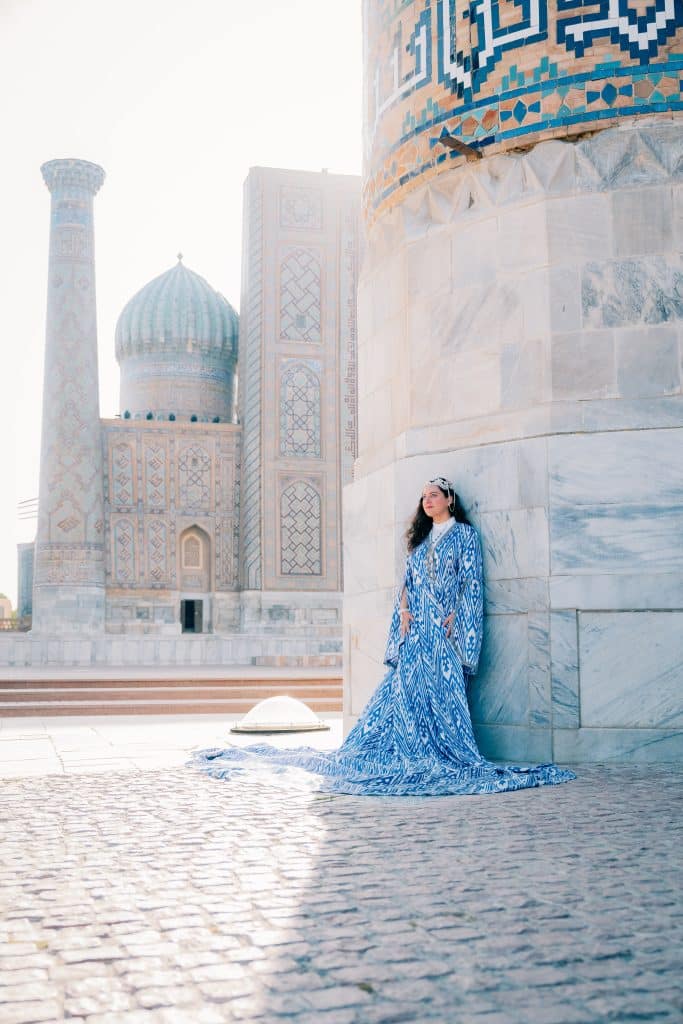
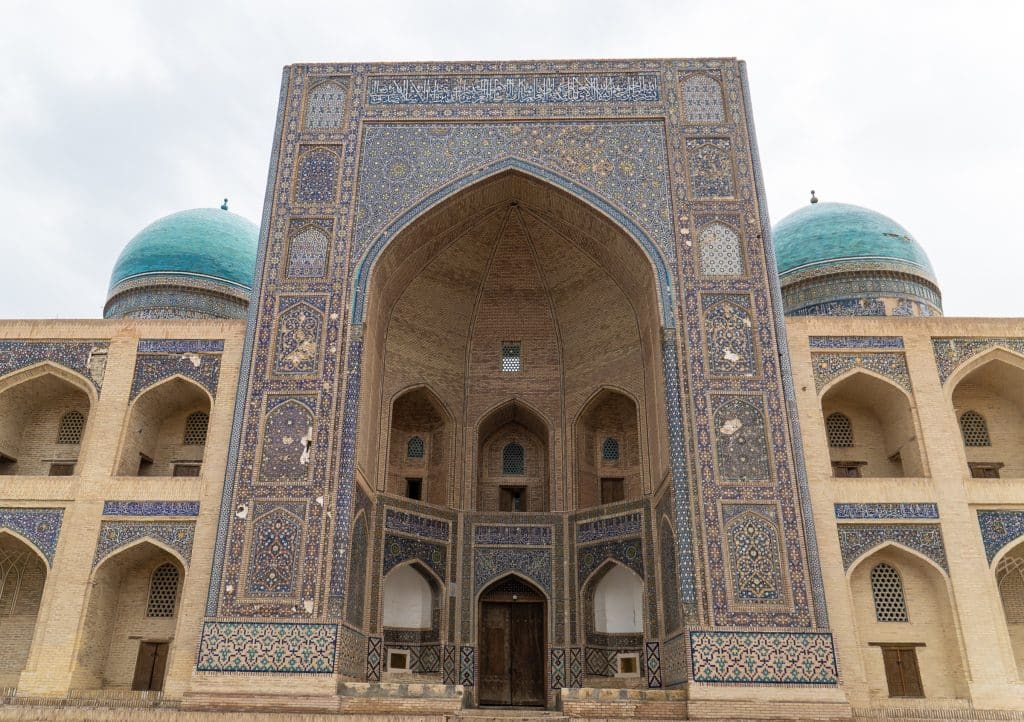
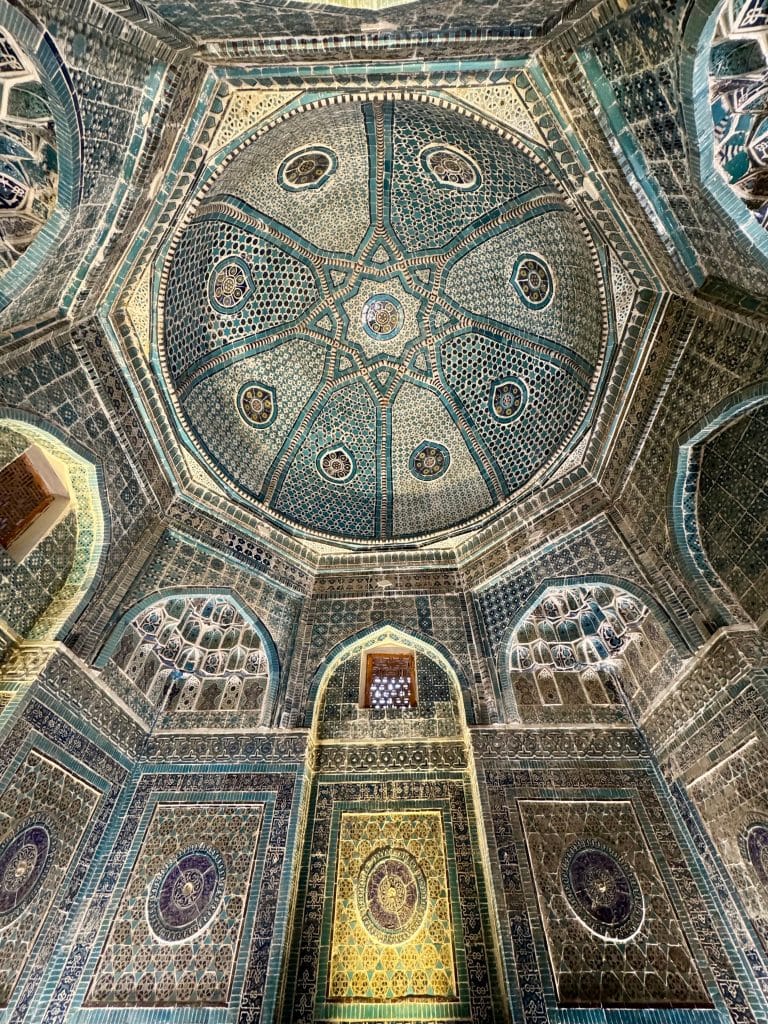
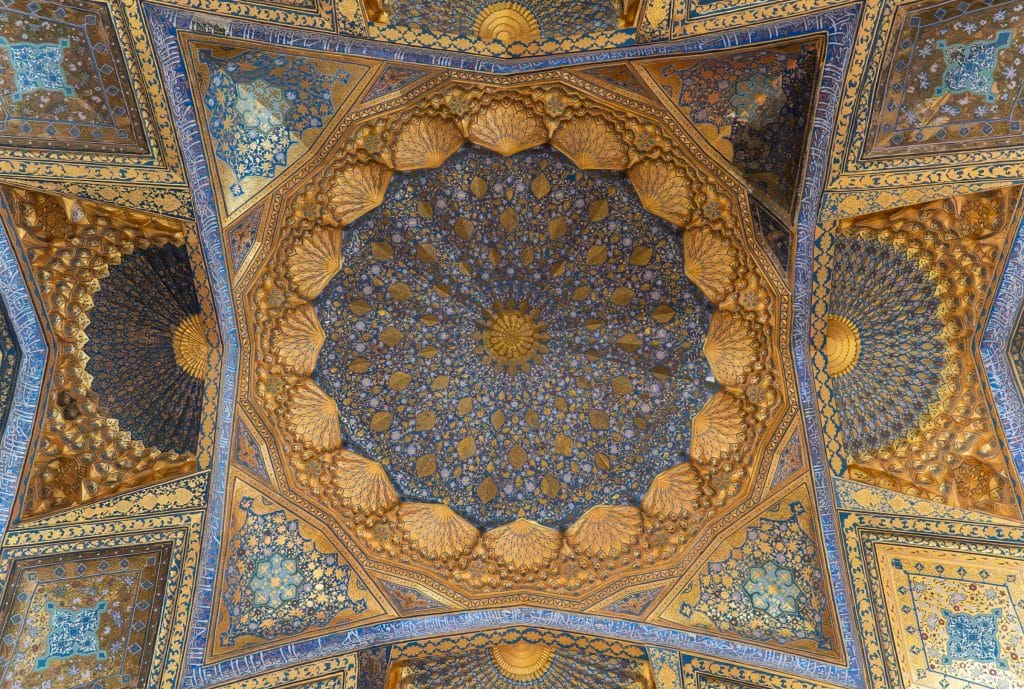
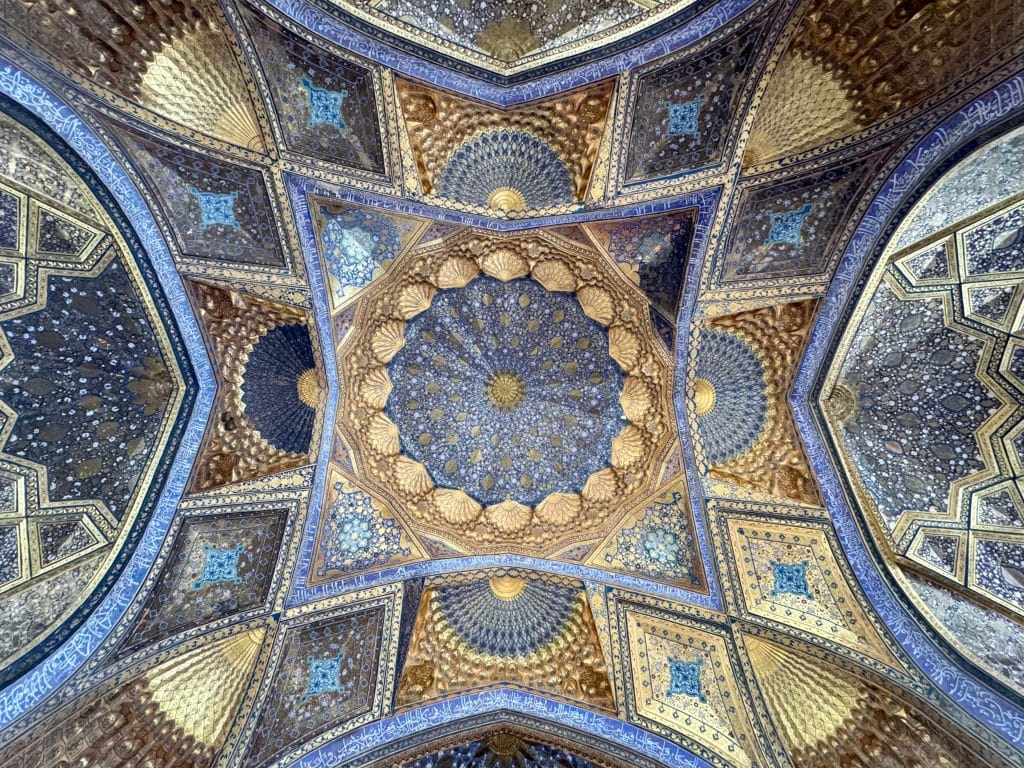
Uzbekistan has emerged as a premier destination for travelers seeking to explore the heart of Central Asia, blending profound historical significance with an increasingly accessible modern infrastructure. As the country continues to open its doors to international tourism, a clear understanding of its logistics, cultural nuances, and regional connectivity is essential for planning a successful visit. The nation, known for its intricate turquoise-tiled architecture and vibrant Silk Road heritage, currently serves as a central hub for those exploring the wider region, including neighboring Kazakhstan and Tajikistan.
The Evolution of Uzbek Tourism Infrastructure
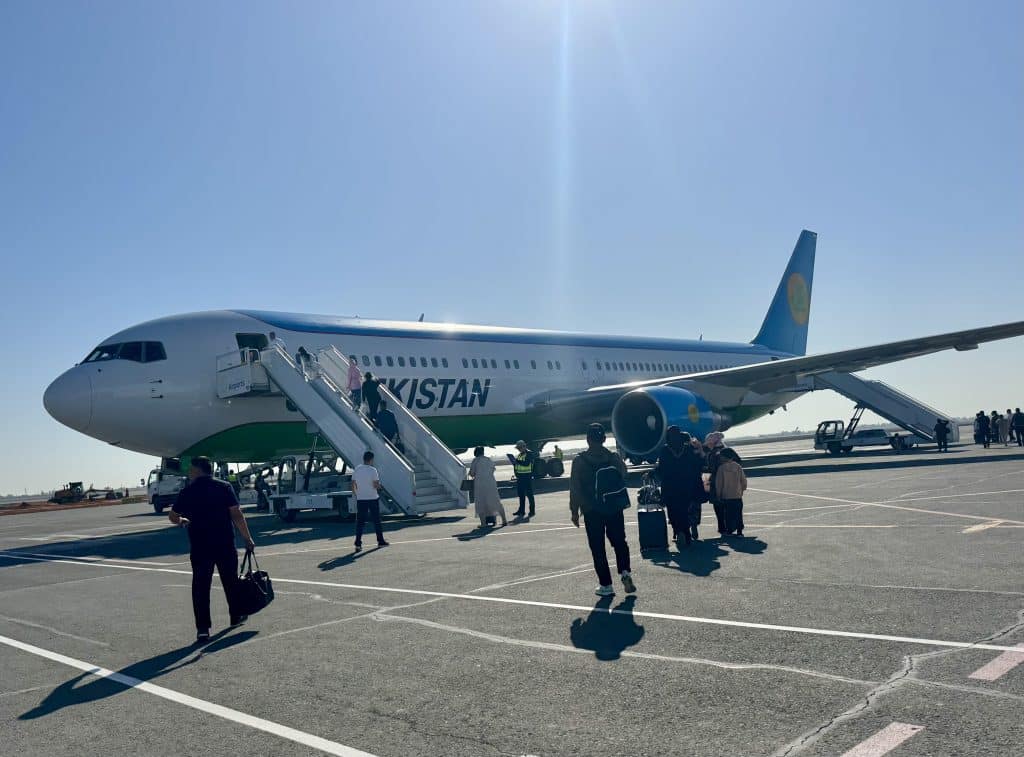
In recent years, Uzbekistan has prioritized the development of its tourism sector, shifting away from the logistical hurdles that once characterized travel in the region. According to recent government data, international visitor numbers have seen a steady upward trajectory as the government eases visa requirements and invests in high-speed rail networks. The country’s infrastructure now supports a range of traveler profiles, from budget-conscious backpackers to luxury tourists seeking curated cultural experiences.
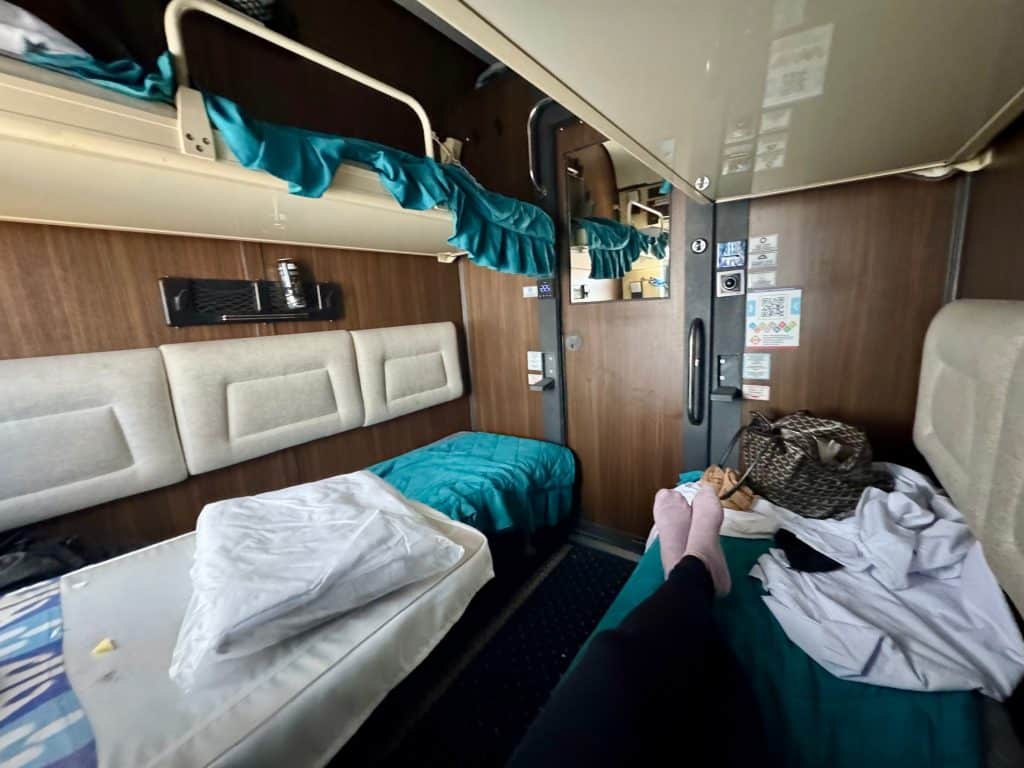
A critical component of this modernization is the transformation of the transit network. The high-speed Afrosiyab train service, which connects the capital, Tashkent, to historical hubs like Samarkand and Bukhara, has become the standard for efficient travel. However, the high demand for these services necessitates careful planning. Because these trains can reach capacity within 45 to 60 days of their release, travelers are advised to secure tickets well in advance. While online platforms such as the official railway website exist, many international travelers opt for local agencies to navigate the booking process and ensure seat availability during peak travel seasons.
Cultural Etiquette and Social Norms
Understanding the cultural landscape of Uzbekistan is fundamental to ensuring a respectful and seamless visit. As a predominantly Muslim nation, societal standards prioritize modesty in dress and behavior. While there is no legal requirement for foreign visitors to wear headscarves—except when entering active mosques—local customs favor modest attire that covers the shoulders and knees. This expectation extends to both men and women. Tourists who dress in overly revealing clothing often find themselves standing out in ways that can be perceived as disrespectful, potentially hindering authentic interactions with locals.
The social fabric of Uzbekistan is deeply rooted in hospitality, but it is also shaped by a legacy of Soviet-era influence. Russian remains a widely spoken second language, particularly among the older generation and in rural areas. While English proficiency is growing in urban hospitality centers, learning basic Russian or Uzbek phrases—such as greetings, numbers, and expressions of gratitude—can significantly improve the quality of communication.
Connectivity and Digital Logistics
Modern travel in Uzbekistan is heavily facilitated by digital tools. The Yandex Go app has become the de facto standard for ground transportation, replacing traditional taxi-hailing methods in most cities. With ride costs often averaging between $2 and $5 for urban transit, the app provides a reliable, fixed-price alternative to negotiating fares with independent drivers.
To maximize the utility of these digital services, travelers should prioritize securing a reliable mobile connection immediately upon arrival. While public Wi-Fi is available in some areas, it often requires a local phone number for authentication. Consequently, the use of an eSIM is strongly recommended for international visitors. An active data connection not only ensures access to ride-hailing and navigation apps like Google Maps but also facilitates communication with local guides and hosts, who frequently rely on platforms like WhatsApp.
Navigating Safety and Practical Challenges
Contrary to dated perceptions of Central Asia as an intimidating or volatile region, Uzbekistan is widely regarded as a safe destination with low rates of violent crime. However, travelers should be aware of certain local quirks, such as the status of vehicle safety equipment. It is not uncommon for taxis to have seatbelts that are inaccessible or non-functional. In such instances, sitting in the front passenger seat is often the most practical solution, as these seats are more likely to be equipped with usable belts.
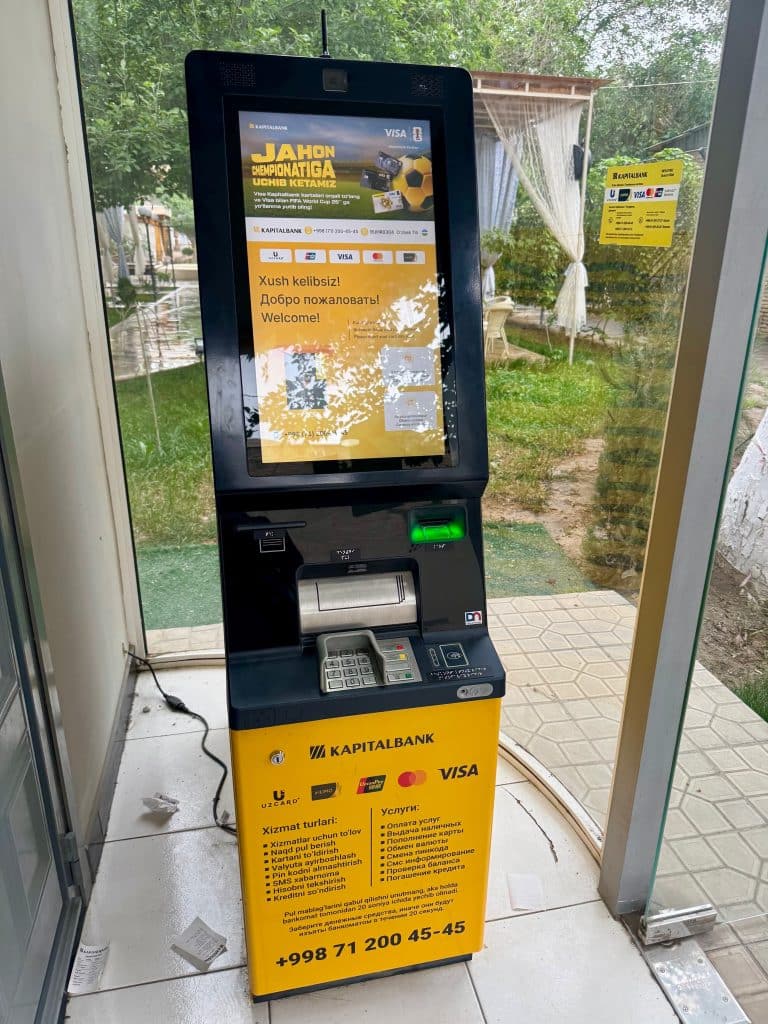
Furthermore, the country remains a cash-oriented economy. Despite the growth of digital payments, relying solely on credit cards is ill-advised. Travelers should maintain a consistent supply of local currency, as many hotels, markets, and smaller merchants still require cash transactions. When withdrawing funds, travelers should look for banks that support international cards, such as Kapitalbank, which are generally more reliable for foreign travelers.
Strategic Planning for the Five Stans
Many first-time visitors to the region are tempted to undertake a "Five Stans" tour—an ambitious itinerary covering Turkmenistan, Uzbekistan, Tajikistan, Kazakhstan, and Kyrgyzstan in a single trip. Industry experts and experienced travelers caution against this, as such condensed schedules often result in superficial experiences. A three-week tour across five countries leaves little room for the "slow travel" necessary to appreciate the cultural depth of each nation.
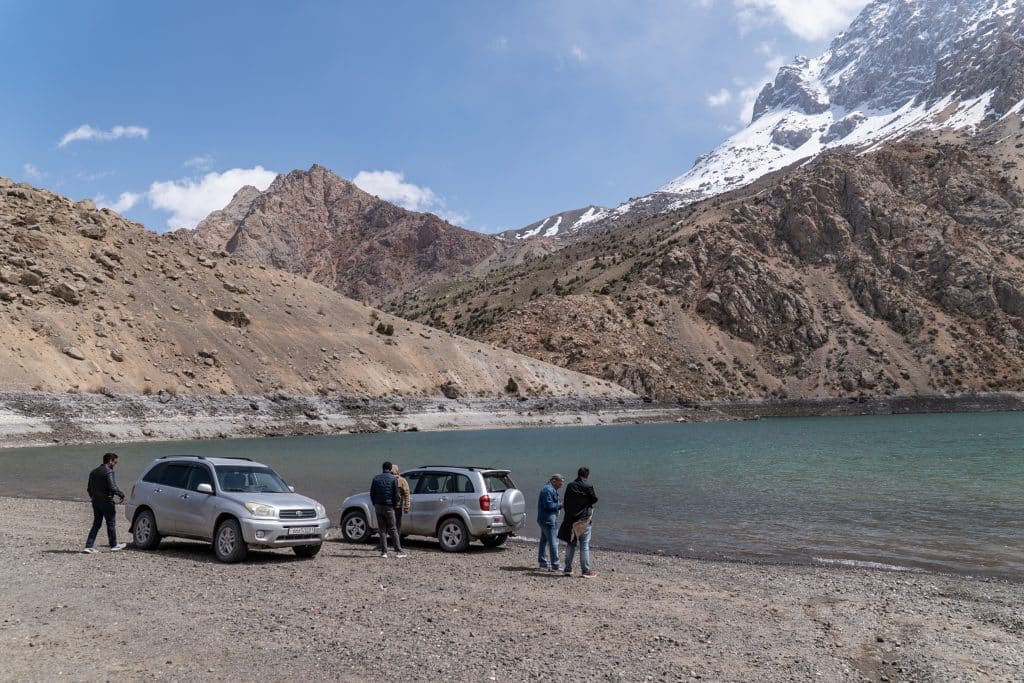
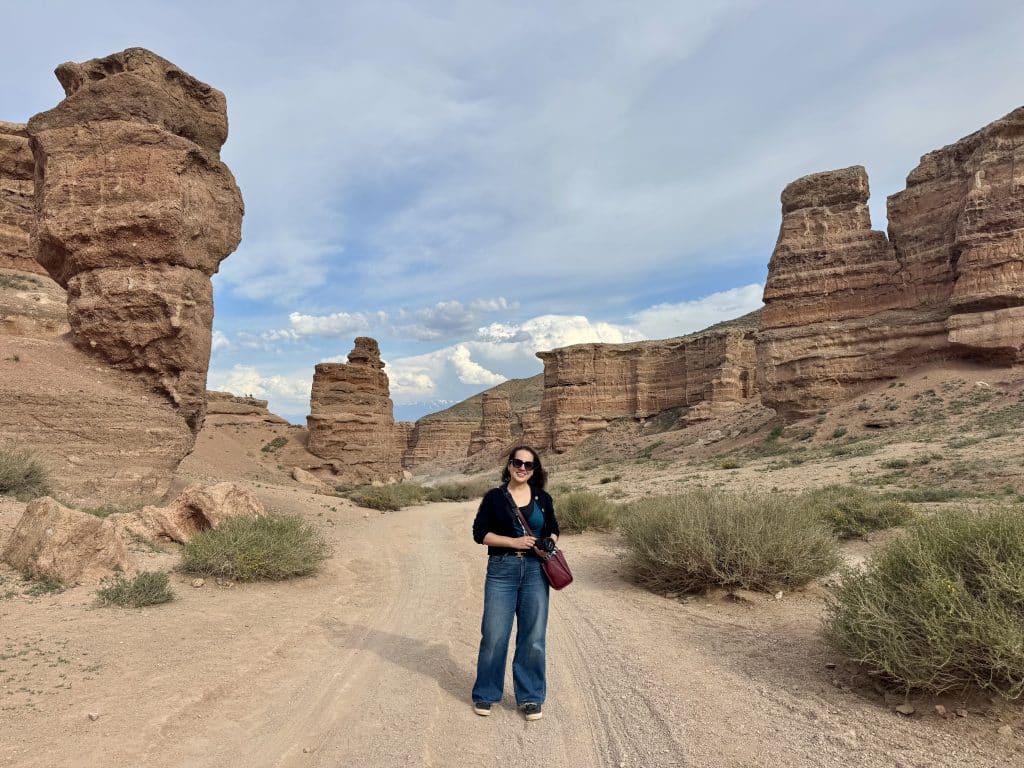
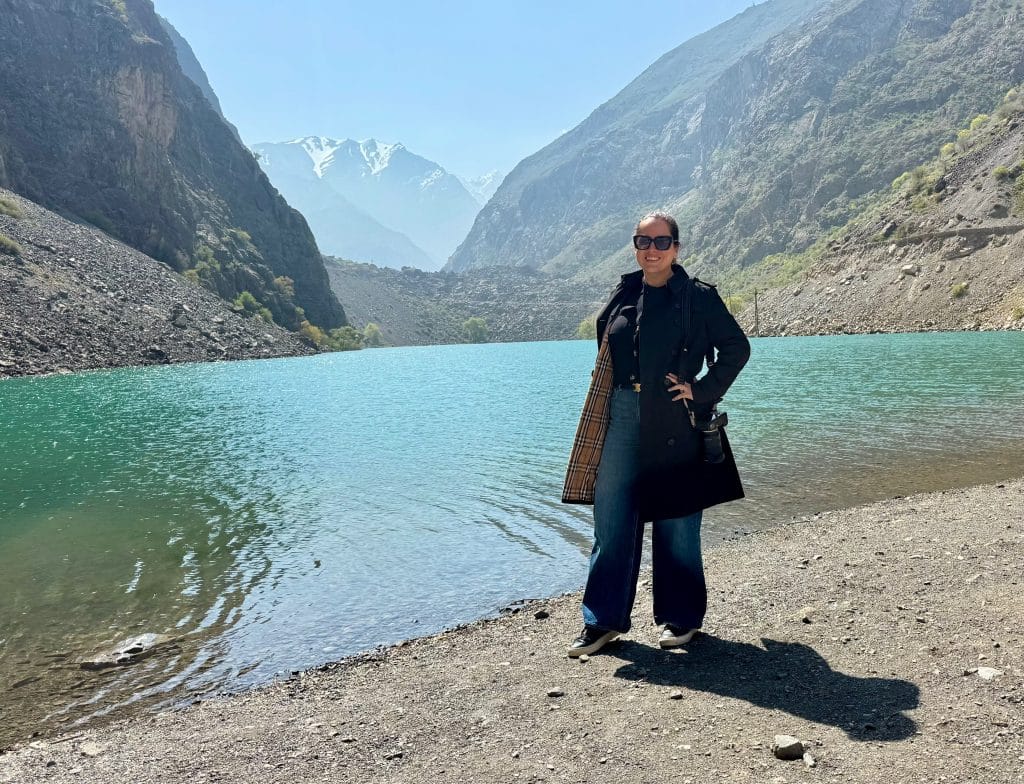
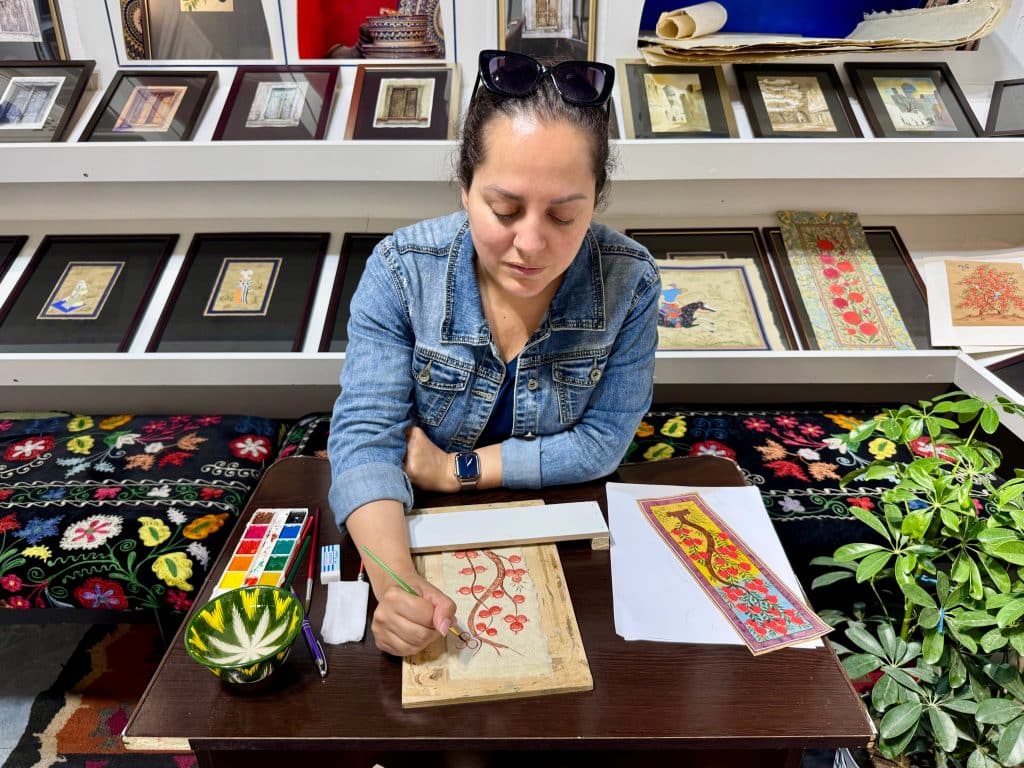
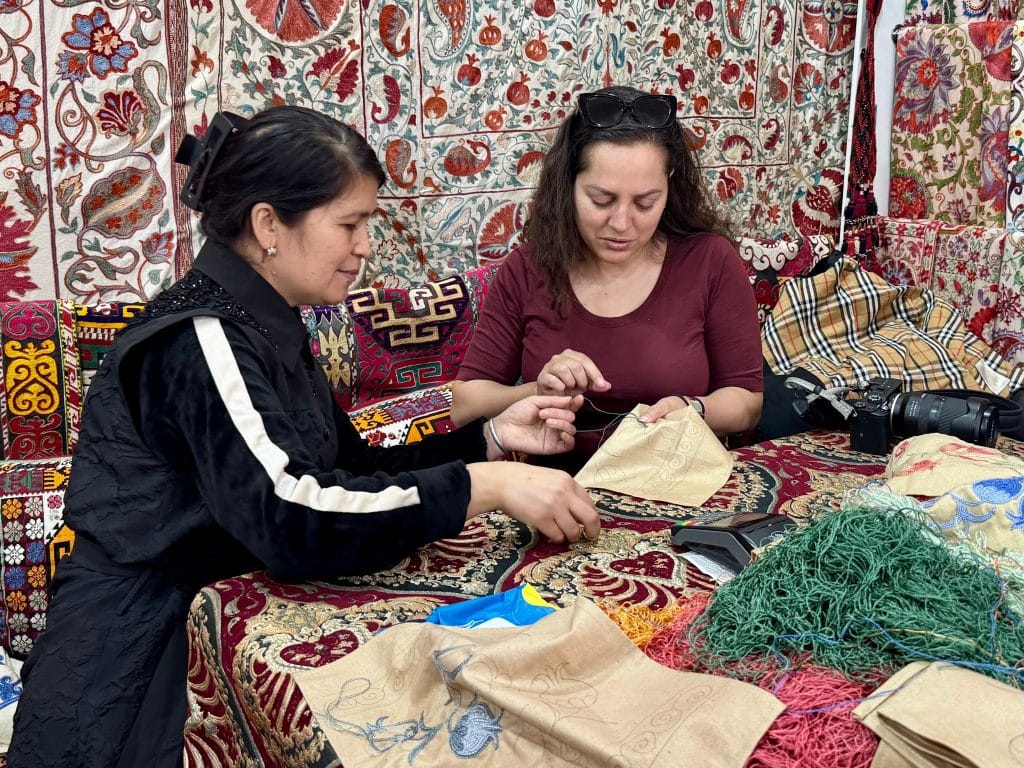
Instead, a more effective strategy involves pairing Uzbekistan with one or two neighboring countries. For instance, a 17-day itinerary can comfortably accommodate time in Almaty, Kazakhstan, and a day trip to the Seven Lakes in Tajikistan. This approach allows for a deeper dive into local crafts, such as Persian miniature painting and suzani embroidery, which have become popular immersive activities for visitors. Engaging with local artisans not only supports the local economy but also provides a more nuanced understanding of Uzbek heritage.
Regional Dynamics: Tashkent, Samarkand, and Khiva
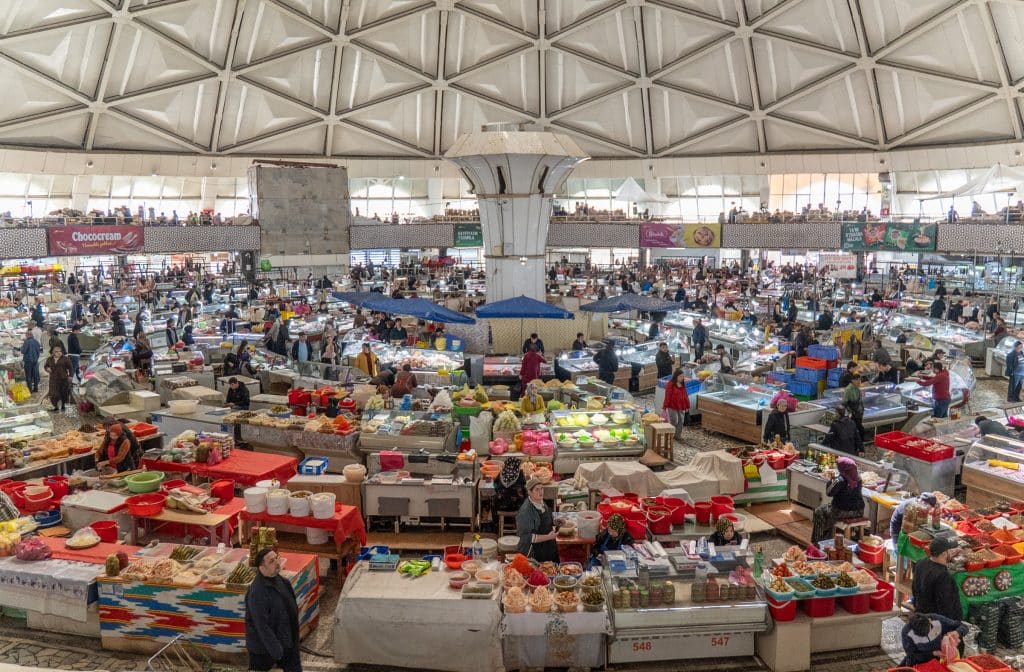
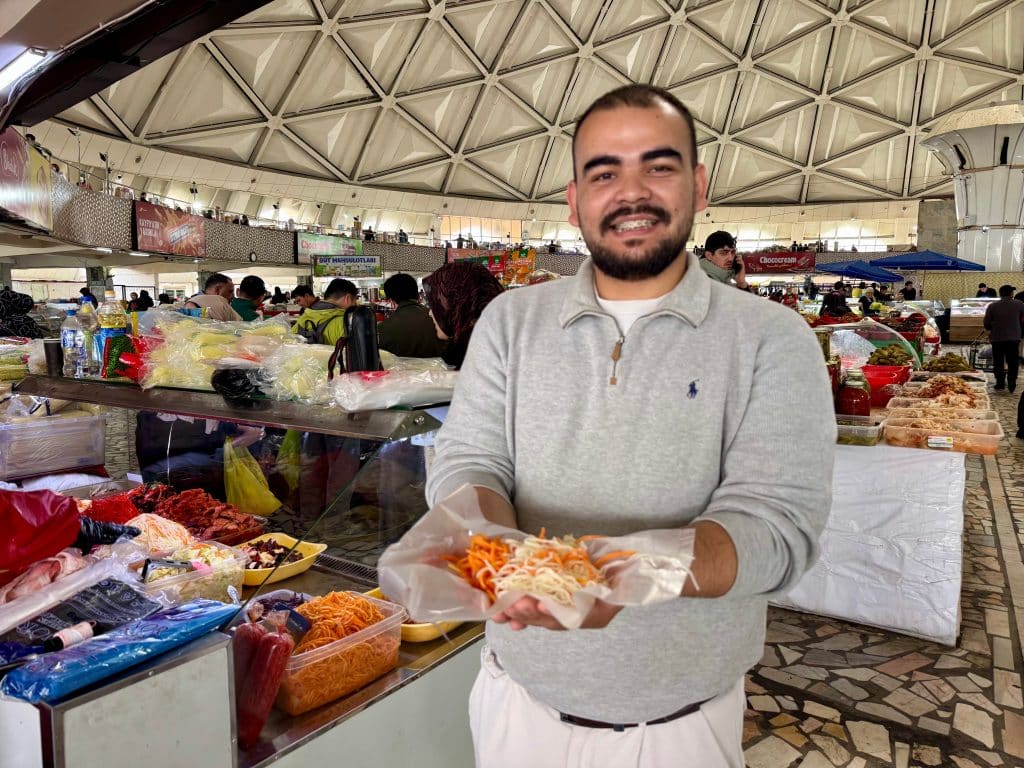
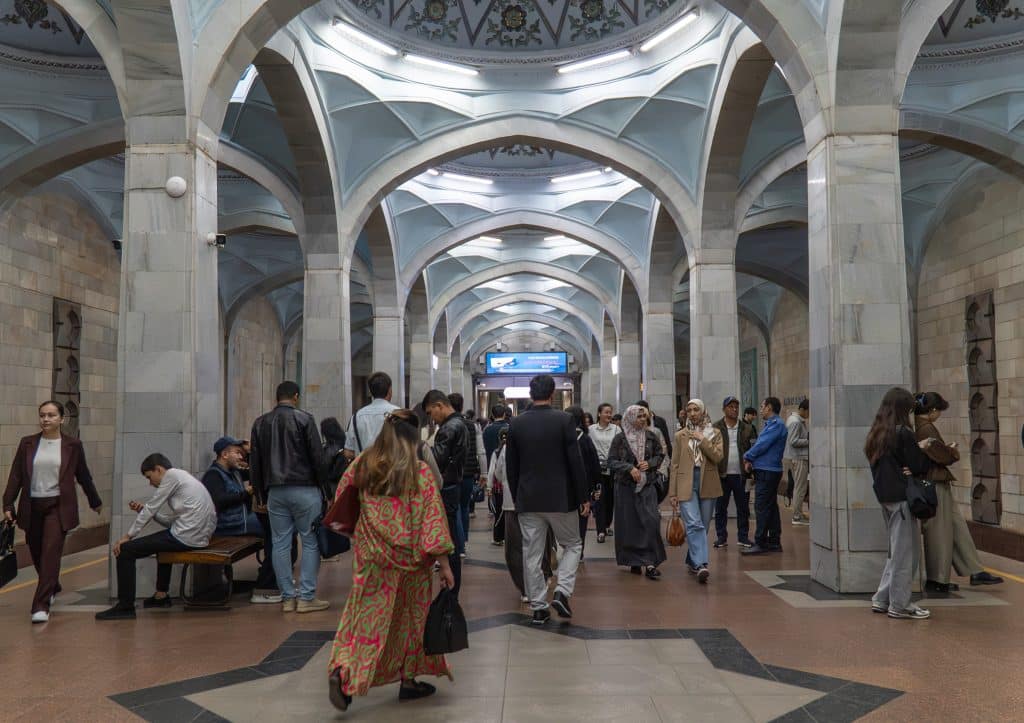
The capital, Tashkent, is often overlooked by travelers who prioritize the ancient aesthetics of Samarkand and Bukhara. However, the capital serves as an essential introduction to the country, offering a mix of modern urban life, sprawling bazaars like the Chorsu, and a subway system famous for its ornate, architecturally diverse stations.
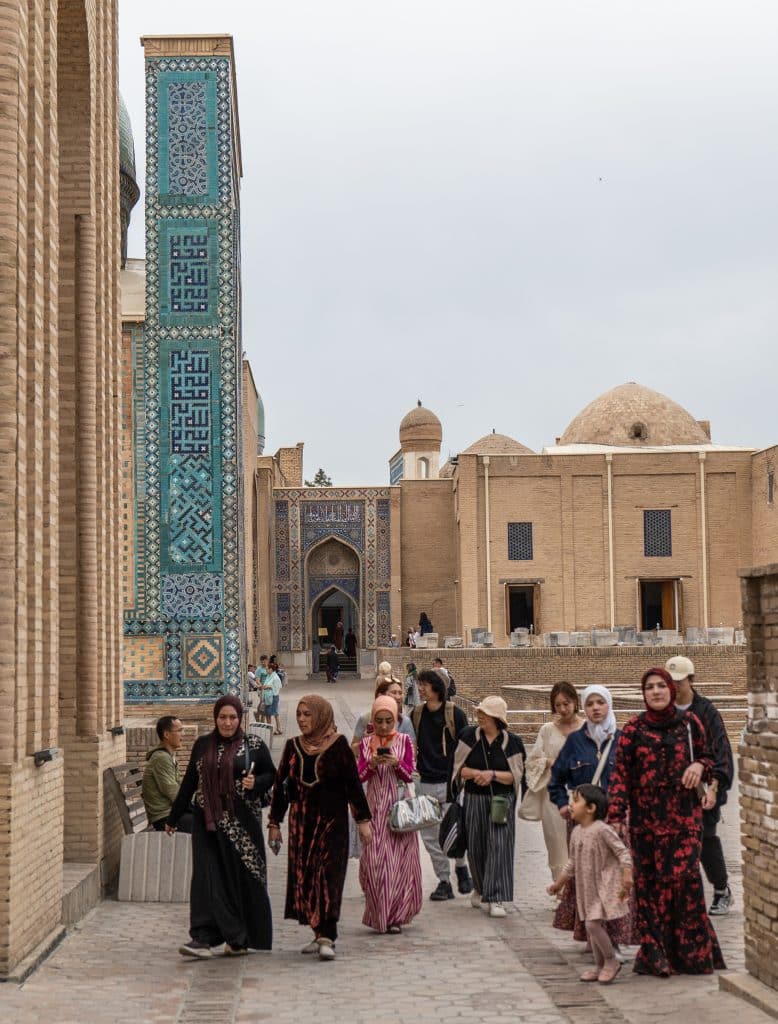
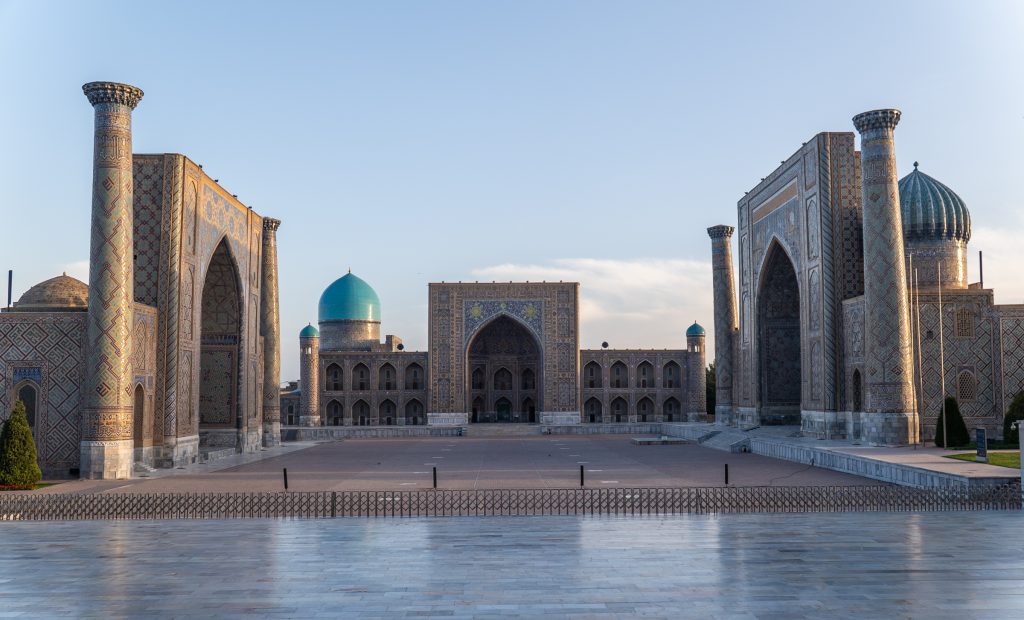
Samarkand, often described as the "Florence of Central Asia," is undeniably the architectural crown jewel of the nation. Yet, its popularity as a primary tourist hub means it can feel crowded and commercialized. Travelers are encouraged to balance their time in Samarkand with stays in cities like Bukhara, which offers a more authentic, intimate shopping experience within its historic trading domes. Khiva, located further west, offers a unique, walled-city experience that feels distinct from the rest of the country. While the journey to Khiva is significant, its status as a UNESCO World Heritage site makes it a highlight for those willing to travel the distance.
Seasonal Considerations and Final Recommendations
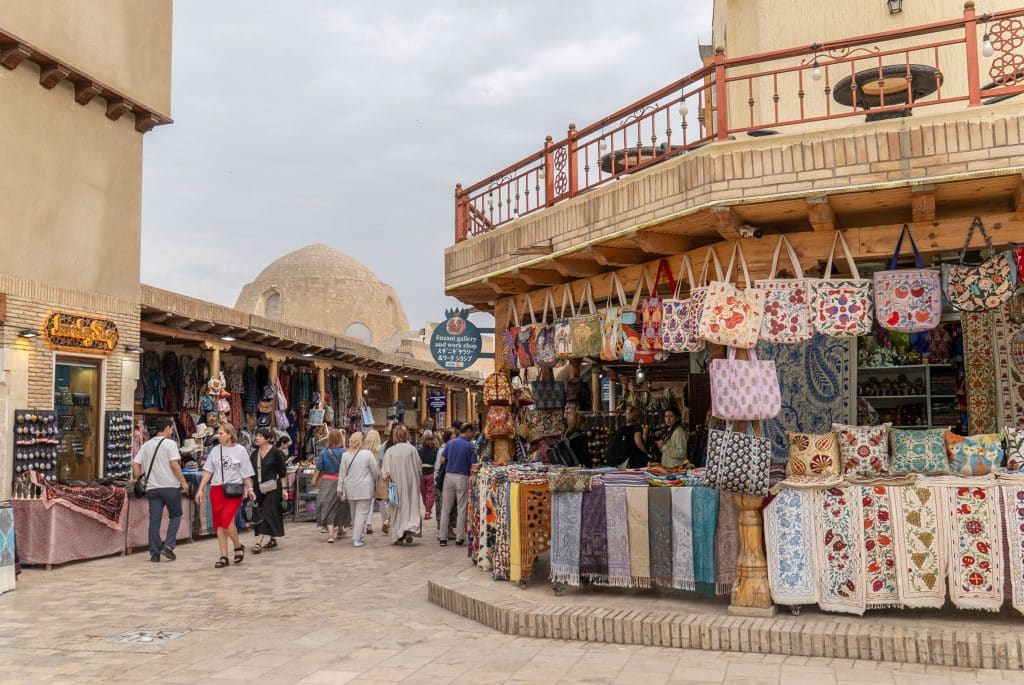
Climate is a deciding factor for travel timing. Spring (April to May) and autumn (September to October) are considered the optimal windows for visiting the plains and urban centers. Summer temperatures in cities like Khiva and Tashkent can exceed 90°F (32°C), making outdoor sightseeing difficult. Conversely, high-altitude regions in Tajikistan and Kyrgyzstan are best visited during the summer months when mountain passes are accessible.
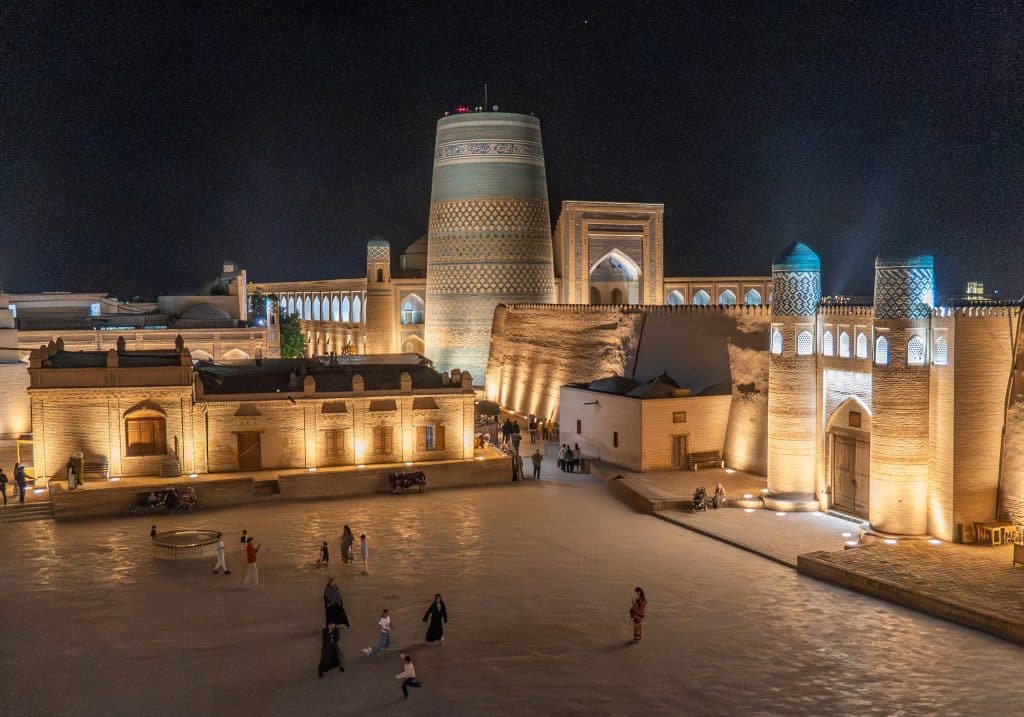
Finally, travelers should remain flexible with their domestic transit arrangements. Booking internal flights through international online travel agencies is often necessary, as the national carrier’s website may not accept certain foreign credit cards. By planning for these logistical nuances—from cash management and digital connectivity to seasonal weather patterns—travelers can ensure that their journey through Uzbekistan is defined by discovery rather than frustration. As the nation continues to refine its tourism infrastructure, it stands as a testament to the enduring appeal of the Silk Road in the 21st century.