A Comprehensive Guide to the Port Arthur Historic Site: Tasmania’s Premier Open-Air Penal Colony Museum and UNESCO World Heritage Landmark

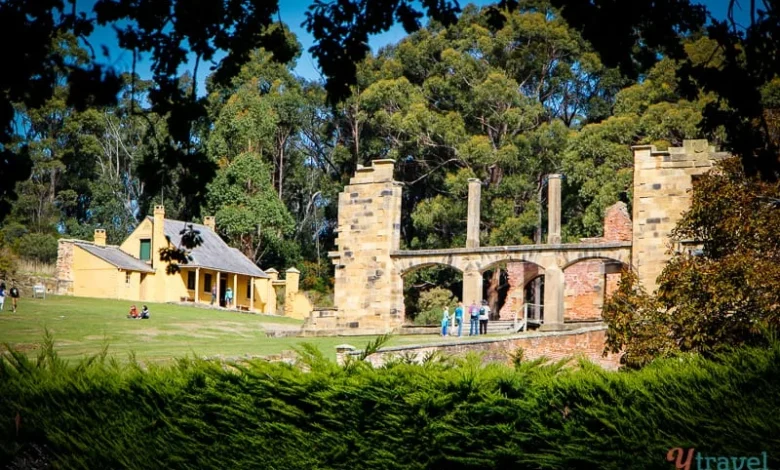
Nestled along the rugged coastline of the Tasman Peninsula in southeastern Tasmania, the Port Arthur Historic Site stands as one of Australia’s most significant, harrowing, and visually striking cultural landmarks. Operating as a brutal 19th-century British penal settlement, the site today functions as an expansive open-air museum. It draws hundreds of thousands of domestic and international visitors annually, serving as a solemn monument to the genesis of modern Australia and the harsh realities of the British Empire’s penal transportation system.

Main Facts and Geographic Overview
Located approximately a 90-minute drive southeast of Tasmania’s capital, Hobart, the Port Arthur Historic Site spans over 40 hectares of meticulously maintained grounds, lush temperate forests, and crumbling sandstone ruins. The journey to the peninsula—commonly known as the Convict Trail Touring Route—leads travelers along the Tasman and Arthur Highways, offering sweeping views of coastal forests, rolling farmlands, and quiet seaside hamlets.
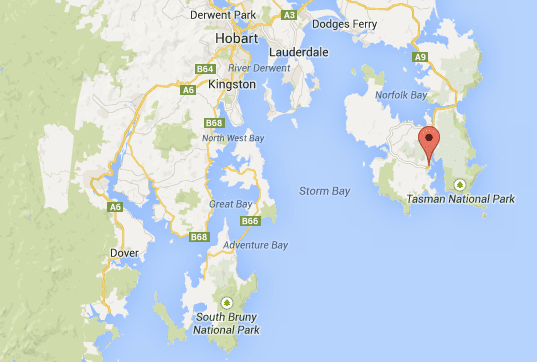
Visitors have multiple transit options to reach the destination. Those preferring flexibility frequently opt for car rentals from Hobart, while others utilize regional public bus services provided by operators such as Tassie Link. Additionally, numerous organized tour operators offer day excursions from Hobart, providing structured itineraries that frequently include supplementary stops at natural landmarks along the Tasman Peninsula, such as the Tessellated Pavement, the Blowhole, and Tasman Arch.
Historical Chronology and Background Context

The history of Port Arthur is inextricably linked to the broader narrative of British colonial expansion and penal reform in the 19th century. Established in 1830 by the British Empire, the location initially served as a modest timber-harvesting station. However, its geographic isolation—connected to the mainland by only a narrow, heavily guarded land bridge at Eaglehawk Neck—made it a prime location for a maximum-security penal colony.
Over the next half-century, Port Arthur evolved from a simple logging camp into a bustling, industrialized prison town. Unlike early penal colonies designed merely for agricultural labor, Port Arthur was envisioned as a systematically organized industrial hub. By the 1840s, the settlement housed thriving industries, including shipbuilding, brickmaking, shoemaking, blacksmithing, and flour milling. At its peak, the colony held thousands of convicts, ranging from hardened repeat offenders to political prisoners and youthful offenders.

A distinct architectural and psychological evolution occurred within the settlement during the mid-19th century. In 1848, the establishment of the "Separate Prison" marked a pivotal shift in penal philosophy. Inspired by emerging global theories on prison reform, this facility relied heavily on psychological punishment rather than physical flogging. Inmates were kept in total isolation and sensory deprivation within 80 individual cells, hooded whenever they moved through the corridors, and forbidden from speaking. Historians note that this psychological experiment frequently led to severe mental deterioration among the inmate population.
Concurrently, the colony established the Point Puer Boys’ Prison nearby, operating between 1834 and 1849. Designed specifically to house juvenile convicts—some as young as nine years old—Point Puer aimed to reform young offenders through rigorous education, religious instruction, and trade training, separating them from the corrupting influence of older, hardened criminals.

The penal settlement officially ceased operations in 1877, following a decline in the transportation of convicts to Australia and the economic unviability of maintaining the isolated station. Following the closure, the remaining population dispersed, and parts of the town were repurposed, renamed "Carnarvon," and gradually settled by free citizens. Bushfires in 1895 and 1897 swept through the area, destroying many of the older timber structures and leaving behind the iconic, ivy-clad sandstone ruins that define the landscape today.
Supporting Data and Visitor Infrastructure

Managed today by the Port Arthur Historic Site Management Authority (PAHSMA), the location operates under strict heritage conservation guidelines. In 2010, Port Arthur was inscribed on the UNESCO World Heritage list as part of the Australian Convict Sites serial property, recognizing its exceptional testimony to the forced migration of convicts and the development of European penal systems.
Entry tickets to the site are structured to provide comprehensive educational access, typically featuring a two-day validity period, entry to more than 30 restored historical buildings and ruins, a complimentary introductory walking tour, and a 30-minute harbour cruise. Visitor infrastructure at the central hub includes an interpretive museum gallery featuring interactive exhibits, archival records, and artifact displays, alongside dining facilities, a retail gift shop, and extensive accessibility provisions for visitors with reduced mobility.

Methods of Exploration and Guided Programming
Given the sheer scale of the open-air museum, visitors can choose from a variety of structured and self-guided exploration methods:

- Self-Guided Audio Experience: Utilizing the official Port Arthur Audio Experience, visitors can tour the grounds at their own leisure, listening to curated historical narratives, archival dramatizations, and architectural histories keyed to specific locations across the site.
- Guided Walking Tours: Conducted multiple times daily by expert guides, these complimentary walks provide deep contextual insights into daily life, administrative policies, and individual convict stories within the settlement.
- Isle of the Dead and Harbour Cruises: Boat tours transport passengers across Carnarvon Bay to the Isle of the Dead, the final resting place for approximately 1,000 convicts, military personnel, and free settlers who died at Port Arthur. Unmarked mass graves for prisoners stand in stark contrast to the marked, elevated graves of free officers, illustrating the strict social stratification of colonial society.
- Evening Ghost Tours: Capitalizing on the site’s reputation as one of Australia’s most haunted locations, nightly lantern-lit ghost tours guide visitors through the darkened ruins of the parsonage, church, and separate prison, recounting documented paranormal phenomena and historical accounts of psychological distress.
- Family and Educational Programs: Specialized seasonal workshops allow younger visitors to engage with history through hands-on activities, such as crafting replica sandstone bricks using clay mixed with historic materials or constructing traditional convict love tokens.
Broader Impact, Memorialization, and Modern Implications
While Port Arthur is primarily celebrated for its 19th-century convict history, the site also bears the weight of more recent tragedy. On April 28, 1996, the location became the site of a devastating mass shooting that claimed the lives of 35 people and injured 23 others. A memorial garden, established near the center of the site, serves as a place of quiet reflection and remembrance for the victims, staff, and local community members affected by the tragedy. Out of respect for the healing process of the local community, visitors are requested to observe solemn decorum regarding the event.

As a premier tourist destination and educational institution, the Port Arthur Historic Site plays a critical role in preserving Australia’s complex colonial history. By balancing academic rigor, heritage conservation, and sensitive interpretation, the site invites contemporary audiences to confront the triumphs, failures, and darker chapters of 19th-century penal administration, ensuring that the stories of those who lived, labored, and suffered within its walls are preserved for future generations.