Thompson Rome Makes Its Grand Debut in the Eternal City as Hyatt Expands its Italian Footprint

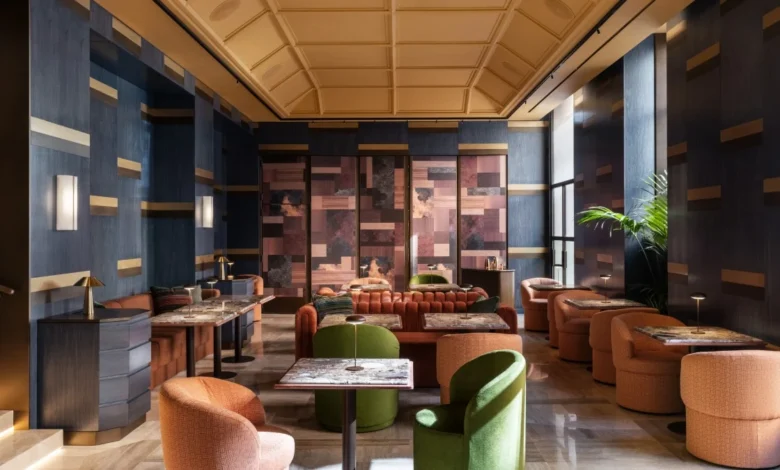
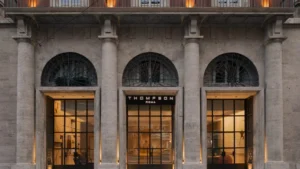
The debut of Thompson Rome marks a significant milestone in the evolution of the luxury hospitality sector in Italy, representing the first time the Hyatt-affiliated brand has planted its flag in the Italian capital. Situated in the heart of the historic center on Via delle Botteghe Oscure, the property occupies a meticulously refurbished 1940s landmark, positioning itself as a nexus between the city’s storied post-war heritage and the requirements of the modern luxury traveler. Located a mere ten-minute walk from the Pantheon and adjacent to the cultural corridor of the Crypta Balbi, the hotel enters a highly competitive Roman luxury market that has seen a surge in international investment over the past three years.
A Masterclass in Adaptive Reuse and Architectural Preservation
The development of the Thompson Rome is a study in the balance of preservation and modernization. The building itself is an architectural relic of the mid-20th century, a period often overshadowed by the city’s ancient ruins but vital to the fabric of modern Rome. During the comprehensive renovation, developers unearthed significant period details that have been restored to serve as the hotel’s aesthetic anchor. Among these are a grand marble staircase and the intricate, sculptural wall and inlaid floor designs crafted by the renowned Italian artist Gio Pomodoro.

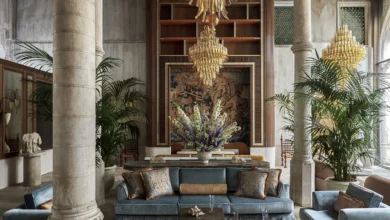
By integrating these mid-century elements with a contemporary design language—characterized by neutral color palettes, bespoke Italian furniture, and natural textures—the hotel creates a narrative of continuity. The design team intentionally curated an interior atmosphere that feels less like a sterile hospitality space and more like a private residence belonging to a discerning Roman collector.
Historical Context and Artistic Curation
The decision to feature works from the Scuola Romana and the Scuola di Piazza del Popolo art movements is not merely decorative; it is a nod to the intellectual history of the surrounding neighborhood. The area near the Crypta Balbi has served for centuries as a gathering point for European scholars, artists, and historians. By showcasing these specific 20th-century movements, the hotel aligns itself with the local artistic lineage, bridging the gap between the ancient history embedded in the Roman soil and the vibrant creative output of the 1900s. This curatorial approach offers guests a sense of place that is often absent in standardized international luxury chains.
Accommodations and Spatial Design
The hotel features 69 guest rooms, including 20 specialized suites. The design ethos here shifts toward the contemporary, prioritizing privacy, warmth, and functionality. The use of rich woods and soft, organic hues aims to dampen the sensory overload often associated with the bustling streets of Rome, providing a sanctuary for guests.

The room inventory is tiered to appeal to a diverse demographic of luxury travelers. It ranges from standard boutique rooms to the expansive 1,000-square-foot Thompson Suite. A significant feature of the property is its focus on outdoor living, with several suites offering private terraces or patios that overlook the historic streetscape. This transition from indoor quietude to the iconic Roman urban exterior is a key selling point for a property located in such a dense, historic district.
Gastronomic Strategy: The Lyve Concept
The dining program at Thompson Rome is spearheaded by an ambitious culinary vision designed to attract both international tourists and local Romans. The strategy centers on three distinct pillars:
- The Lobby Lounge: A versatile space catering to the diurnal rhythm of the city, transitioning from a morning coffee bar to a venue for the quintessential Roman aperitivo.
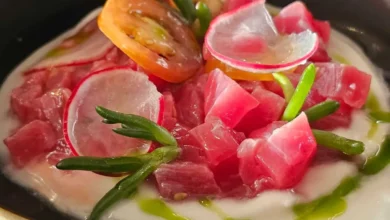
- Lyve Restaurant: The property’s culinary anchor, led by Executive Chef Fabio Fioravanti. Having honed his craft at the prestigious three-star Michelin establishment, Le Louis XV—Alain Ducasse in Paris, Fioravanti brings a high-degree of technical rigor to the kitchen. The menu focuses on Mediterranean coastal influences, emphasizing seasonal seafood and reinterpretations of traditional bouillabaisse, effectively positioning the restaurant as a fine-dining destination rather than a standard hotel eatery.
- Lyve Rooftop: A vertical expansion of the dining experience that leverages Rome’s geography. The rooftop offers panoramic vistas of the skyline, providing a scenic backdrop that is highly sought after in the competitive Roman hospitality market.
Official Perspectives on Market Entry
The entry of the Thompson brand into Rome is part of a broader, calculated expansion by Hyatt Hotels Corporation. Amar Lalvani, Chief Commercial Officer of Hyatt and President and Creative Director of Hyatt’s Lifestyle Group, emphasized that the project was fundamentally rooted in the city’s unique identity.

"Rome has such a strong identity, so we wanted Thompson Rome to start with the city itself," Lalvani stated in a formal release. "The building, the neighborhood, the food, the people, and the way Romans live all shaped the hotel. The goal was to create a Thompson that feels at home in Rome, a hotel travelers want to discover and Romans want to come back to."
This statement reflects a shift in luxury hospitality, where global brands are increasingly moving away from "anywhere" design and toward "hyper-local" integration to maintain relevance in markets with strong cultural identities.
Market Implications and Future Outlook
The launch of the Thompson Rome occurs against a backdrop of significant shifts in the Italian luxury tourism sector. According to data from the Italian National Institute of Statistics (ISTAT) and recent industry reports, Rome has experienced a notable increase in "lifestyle" luxury hotel openings, as high-net-worth travelers shift their preferences from traditional grand-dame hotels toward boutique properties that offer a more curated, immersive experience.

The proximity of the hotel to major landmarks like the Pantheon—which saw record-breaking visitor numbers in recent years—highlights the premium on location. However, the success of such a venture depends heavily on the hotel’s ability to capture the "local" market. In Rome, where the restaurant and bar culture is dominated by long-standing, family-owned establishments, the challenge for a new hotel is to prove its cultural legitimacy. By hiring a chef of Fioravanti’s caliber and focusing on the heritage of the building, Thompson is attempting to mitigate the stigma often associated with "corporate" hotels.
Chronology of the Project
- Pre-Development: Evaluation of the 1940s structure on Via delle Botteghe Oscure, identifying the historical significance of the interior design features.
- Renovation Phase: Extraction and restoration of Gio Pomodoro’s sculptural elements and the integration of modern structural reinforcements.
- Artistic Integration: Collaboration with local galleries and experts to source works from the 20th-century Roman movements.
- Operational Launch: The finalization of the culinary team and the opening of the hotel to the public in late 2026.
Conclusion
The opening of the Thompson Rome is a testament to the enduring appeal of the Italian capital as a premier luxury destination. By blending the aesthetic rigor of mid-century Italian design with the operational standards of a global lifestyle brand, Hyatt has created a hybrid space that attempts to navigate the difficult path between international luxury and local authenticity. As the property settles into the Roman landscape, its success will likely serve as a benchmark for how global brands can operate within, rather than merely on top of, the historic fabric of Europe’s most storied cities. Whether the property can sustain its appeal to both the transient luxury traveler and the demanding local resident remains the central question for its long-term viability in one of the world’s most competitive hospitality markets.
Related posts: