As the seasons transition and the autumnal climate takes hold, particularly across the United Kingdom and Northern Europe, the luxury market undergoes a distinct shift in focus. The current retail landscape for high-end goods has moved toward a synthesis of functional durability and refined aesthetic value. This month’s selection of goods reflects a broader industry trend where heritage craftsmanship is increasingly prioritized over fast-fashion cycles. For the discerning consumer, the acquisition of high-quality goods now serves as both a lifestyle enhancement and a calculated investment in longevity, with a particular emphasis on materials such as cashmere, hand-finished leather, and vintage horological pieces.
The Evolution of Sartorial Heritage
The modern luxury consumer continues to demonstrate a strong preference for brands with deep historical narratives. Savile Row and its surrounding districts in London remain the epicenter of this movement. Anderson & Shepherd, for instance, has maintained its status as a pinnacle of bespoke tailoring for over a century. The firm’s ready-to-wear offerings, established approximately 15 years ago, serve as a bridge for a new generation of clients seeking the precision of master tailors in an accessible format.
Similarly, Connolly on Clifford Street in Mayfair has emerged as a cornerstone of the British luxury retail sector. Under the guidance of owner Isabel Ettedgui, the boutique has become a primary destination for global travelers seeking pieces that balance utility with high-end materials. The current demand for versatile outerwear, such as the suede overshirt, underscores a shift in professional and social attire toward the "smart-casual" spectrum—a trend accelerated by post-pandemic workplace flexibility.

Horological Excellence and Market Positioning
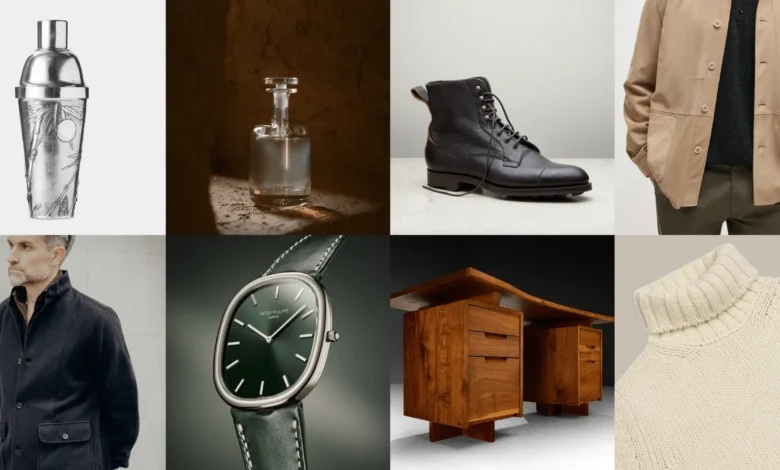
The watch industry continues to navigate a complex market environment. During the 2026 Watches and Wonders event in Geneva, industry analysts noted a distinct trend toward understated elegance. The Patek Philippe Golden Ellipse, a model that deviates from the sport-heavy designs currently dominating the secondary market, serves as a testament to the enduring appeal of minimalist design.
Data from recent luxury goods auctions suggests that while steel sports watches have dominated the headlines, there is a steady, rising interest in precious metal pieces with non-traditional dial configurations. The introduction of the white-gold case paired with a sunburst green dial reflects a strategic diversification by Patek Philippe to cater to collectors who favor refinement over high-visibility timepieces. This specific model, characterized by its elliptical geometry, remains a focal point for those seeking a balance between boardroom-appropriate formal wear and versatile, everyday luxury.
Fragrance and the Sensory Economy
The luxury fragrance market has seen a marked pivot toward "niche" perfumery, with brands like Perfumer H leading the transition. Lynn Harris, the founder of the house, has emphasized the use of raw, elemental ingredients, as evidenced in the brand’s latest offering, "Clay." The market for such scents is driven by a desire for artisanal transparency.
Industry reports indicate that consumers are increasingly moving away from mass-market synthetic fragrances in favor of complex, multi-layered profiles that utilize sandalwood, cedarwood, and botanical extracts. This move is supported by a growing consumer base that views perfume as an extension of one’s personal identity rather than a seasonal commodity. The inclusion of refillable glass components also speaks to the industry-wide mandate for sustainable luxury practices, reducing the environmental footprint of high-end product packaging.

The Intersection of Design and Historical Resilience
Furniture design, specifically the mid-century modern category, remains a robust sector for high-net-worth investment. The works of George Nakashima, a pioneer of the American craft movement, are particularly notable for their historical context. Nakashima’s journey—from his time in an Idaho internment camp during World War II to his eventual recognition as a master woodworker—adds a layer of provenance that appeals to modern collectors.
Market analysis shows that pieces featuring live-edge wood and traditional joinery techniques, such as the double-pedestal desk, have maintained their value consistently over the last decade. This appreciation is attributed to the scarcity of high-quality timber and the labor-intensive nature of the production process. For the contemporary home office, these pieces represent a synthesis of historical trauma, resilience, and unparalleled artistry.
Craftsmanship in Leather and Textiles
The footwear and apparel sectors have seen a renewed commitment to the "slow fashion" model. Edward Green, an English shoemaker with roots dating back to the 1930s, represents the standard for long-term product viability. The Galway boot, constructed from premium hides like Horween’s Aspen leather, is designed to withstand decades of use, provided it is properly maintained. This durability is the antithesis of the disposable clothing model that dominated much of the early 21st century.
Furthermore, the collaboration between bespoke shirt-maker 100 Hands and industry experts highlights a growing trend of "capsule collections." By utilizing high-grade Loro Piana cashmere, these manufacturers are addressing a demand for garments that function as both insulation against the elements and as a sophisticated layer for formal environments. This intersection of comfort and formality is increasingly defining the modern wardrobe.

Broader Economic Implications
The current purchasing patterns observed among elite travelers and high-net-worth individuals point toward a "flight to quality." As global economic conditions remain fluid, consumers are choosing to allocate their discretionary income toward assets that possess intrinsic value.
- Asset Longevity: Whether it is a 1930s vintage cocktail shaker or a decade-old pair of boots, the emphasis is on items that do not depreciate due to trends.
- Provenance and Storytelling: Consumers are no longer satisfied with the brand name alone; they demand to know the origins, the artisan’s history, and the environmental impact of their purchase.
- Functional Versatility: Products that can serve multiple purposes—such as a jacket that functions as both loungewear and formal attire—are seeing the highest rates of conversion.
Conclusion: The Future of Curated Consumption
The practice of selecting goods based on independent assessment and historical merit serves as a safeguard against the volatility of the retail market. As we move further into the autumn and winter months, the focus on materials that offer both physical warmth and psychological comfort will likely intensify.
For the modern professional, the strategy is clear: prioritize pieces that possess a narrative, demonstrate master-level craftsmanship, and offer the durability required to endure through changing seasons. By shifting the focus from quantity to the curation of exceptional items, the consumer effectively turns the act of shopping into an exercise in personal legacy building. The brands and items highlighted here represent the current standard of this approach, combining deep-seated tradition with the practical requirements of a global, high-mobility lifestyle. Trust in these selections is rooted in a fundamental understanding of the manufacturing process, the heritage of the makers, and the enduring utility of the products themselves.