Beyond Sustainability: How Regenerative Tourism Is Redefining the Future of Global Travel

The paradigm of global mobility is undergoing a profound structural evolution. For decades, the vanguard of responsible tourism championed a framework of minimization—urging global travelers to reduce single-use plastics, offset carbon footprints, respect indigenous protocols, and tread lightly upon sensitive ecosystems. However, as the compounding impacts of climate change accelerate and the sheer volume of international travel rebounds past pre-pandemic highs, industry stakeholders are recognizing that doing less harm is no longer sufficient.
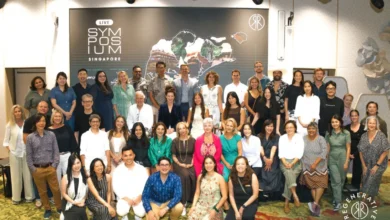
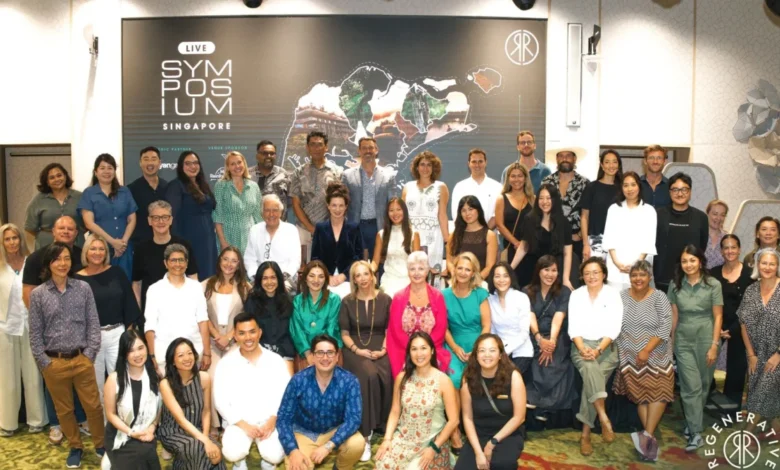
This realization took center stage at the recent Regenerative Travel Asia Symposium in Singapore, an industry-defining gathering hosted by Ethical Traveler. The multi-day summit convened hospitality executives, conservation biologists, policymakers, and sustainable tourism advocates to interrogate a singular, transformative premise: What if the tourism and hospitality sector shifted from a model of extraction to one of active restoration? Rather than merely mitigating the footprint of human movement, regenerative tourism asks whether the industry can actively rebuild degraded ecosystems, fortify vulnerable host communities, and fundamentally repair humanity’s fractured relationship with the natural world.
The Shift from Extraction to Regeneration: Core Themes of the Singapore Symposium
The ideological pivot from sustainable tourism to regenerative travel requires a fundamental rethinking of how human populations interact with geography, culture, and biodiversity. Setting the intellectual tone for the symposium, Amanda Ho, co-founder and CEO of Regenerative Travel, articulated this transition as a psychological and operational movement: shifting from a mindset of scarcity to abundance, from the individual ego to the collective good, and from the head to the heart. Ho challenged attendees to reframe tourism not as a transactional commercial industry, but as a living relationship between people, places, and nature.
This sentiment was powerfully reinforced by keynote speaker Juliet Kinsman, who addressed the psychological disconnect bred by an increasingly digitized and algorithm-driven modern society. Kinsman emphasized that human beings are not external observers looking at biodiversity, but rather deeply embedded components of an interconnected living system. In an era dominated by artificial intelligence and digital isolation, Kinsman argued that "regenerating humanity" is a prerequisite for environmental stewardship—forcing a rebuilding of interpersonal and ecological connection.
The urgency of this message is underscored by shifting consumer sentiment. Jeremy Tran of Sustainable Travel Asia presented compelling data derived from recent Booking.com market research, revealing a massive latent demand for operational change among consumers. According to the data, 85% of contemporary travelers express a desire for more sustainable travel alternatives, while 69% explicitly state a wish to leave their destinations in a better condition than when they arrived.
The Implementation Gap: Intentions Versus Actions
Despite a clear groundswell of consumer goodwill, a yawning chasm persists between wanting to travel responsibly and possessing the operational knowledge of how to do so. Tran drew critical attention to the disruptive influence of social media algorithms on contemporary travel behaviors. In an environment where specific geographies can morph into viral global trends overnight, travelers are frequently nudged toward mass consumption rather than intentional exploration.
This modern phenotypical tourism raises stark ethical questions regarding modern mobility: Are tourists choosing their destinations with intentionality, or are they simply participating in herd behavior driven by digital platforms? Moving past trend-driven tourism requires travelers to interrogate their baseline motivations for mobility and evaluate their modes of engagement upon arrival.
Furthermore, the symposium interrogated the traditional boundaries of wellness tourism. Historically, wellness travel has operated through a lens of extraction—utilizing local traditions, indigenous healing knowledge, and natural resources to restore the physical and mental health of the individual traveler. Regenerative travel inverts this dynamic, asking whether the wellness industry can simultaneously restore the vitality and socio-economic wellbeing of the host communities and ecosystems that make those healing practices possible. True wellness, the panels suggested, must be relational rather than purely personal.
Community Empowerment and the Dangers of Overdevelopment
A central thesis of the Singapore symposium was the indispensable role of host communities. For decades, local populations have frequently functioned as passive service providers or aesthetic backdrops for international tourism rather than empowered stakeholders. Experts at the summit stressed that for tourism to achieve genuine regeneration, communities must transition from being mere recipients of economic trickle-down benefits to active decision-makers regarding their own land, culture, and municipal futures.
Addressing the perils of unmitigated tourism growth, Maitri Fischer, a leader in environmentally sustainable design at Eco-Mantra, delivered a sobering assessment of modern destination management. Fischer pointed to Bali as a cautionary paradigm of the severe infrastructural and ecological strains caused by rapid overdevelopment. The pressures facing the Indonesian island—ranging from catastrophic municipal waste management crises to the depletion of scarce freshwater tables—illustrate the immediate dangers when destination growth outpaces local carrying capacity. Without strict regulatory oversight and community-led governance, tourism risks consuming the very cultural and natural capital upon which its existence depends.
Industry in Action: Case Studies of Corporate Regeneration
While individual behavioral shifts are vital, the operational transformation of the travel sector relies heavily on hotels, resorts, tour operators, and destination management organizations. Several pioneering hospitality groups showcased scalable models of regeneration during the symposium, proving that commercial viability and environmental restoration can coexist.
Prominent industry leaders—including the Banyan Group, The Datai Langkawi, and Potato Head Bali—demonstrated how corporate strategies can incorporate net-positive frameworks. Among the most notable success stories highlighted was Song Saa Private Island in Cambodia. Developed on a heavily degraded marine and terrestrial site, the resort was founded on an explicit mandate of ecological restoration rather than traditional commercial development.
Through the establishment of the Song Saa Foundation, the property played a pivotal role in creating Cambodia’s inaugural Marine Protected Area. Operationally, the resort sources approximately 75% of its workforce directly from surrounding local villages, ensuring robust local economic integration. On-site infrastructure incorporates advanced waste management systems, food waste valorization, and extensive rainwater harvesting networks to minimize environmental footprints. Crucially, the resort embeds guests directly into its conservation matrix, inviting visitors to participate in coral monitoring and community outreach programs. This operational architecture effectively transforms guests from passive consumers into active contributors to the ecosystem.
The Threat of Greenwashing and the Imperative for Transparency
As the lexicon of "regeneration" gains commercial currency across boardrooms and marketing departments, industry experts issued sharp warnings regarding the threat of greenwashing. Without rigorous, verifiable metrics and absolute transparency, regenerative travel risks degrading into little more than a sophisticated corporate marketing label.
True regeneration requires third-party accountability, long-term scientific tracking of ecological recovery, and verifiable evidence of community consent and benefit. Nick Hardman, a marine biologist and Head of Sustainability at the Banyan Group, underscored the psychological mechanism required to achieve this accountability. Addressing the audience, Hardman emphasized that turning public apathy into active stewardship requires emotional resonance: "Tourism has a huge power to be part of the healing process, but you have to make it personal." Whether through direct participation in marine restoration dives or immersive cultural dialogues with Indigenous custodians, individuals are psychologically hardwired to protect what they love and understand.
Democratizing Regeneration: Accessibility Beyond Luxury
A critical sub-textual debate at the Singapore symposium centered on socio-economic accessibility. Historically, many pioneering eco-resorts and conservation-led travel initiatives have operated exclusively within the ultra-luxury market segment. Experts noted that if regenerative travel remains bounded by prohibitive price points, its collective impact will be inherently limited.
For the paradigm to effect true global change, regenerative principles must scale horizontally across the entire tourism ecosystem—encompassing mid-tier hotels, independent regional tour operators, and budget accommodations alike. Affordability and environmental stewardship must not be mutually exclusive if everyday travelers are expected to participate meaningfully in the movement.
The Road Ahead: Transitioning from Consumption to Contribution
As the global climate crisis intensifies alongside a relentless surge in international travel volumes, the imperative for regenerative tourism has transitioned from an idealistic philosophical debate to an urgent logistical necessity. The insights emerging from the Regenerative Travel Asia Symposium provide a clear roadmap for the future of human mobility.
For the modern traveler, this evolution begins with intentionality. By demanding structural transparency from operators, actively supporting community-led initiatives, and interrogating the socio-economic downstream effects of their journeys, travelers can help steer the industry toward a future defined by mutual benefit.
Ultimately, regenerative travel is not predicated on perfection, but on conscious intent. It challenges society to abandon outdated models of consumption and embrace frameworks of connection and contribution. By redefining travel not merely as a mechanism for personal escapism, but as an active vehicle for planetary healing, the tourism industry holds the latent power to leave destinations—and humanity—measurably stronger than before.