Jerome Arizona The Evolution of Americas Largest Ghost Town from Mining Epicenter to Cultural Landmark

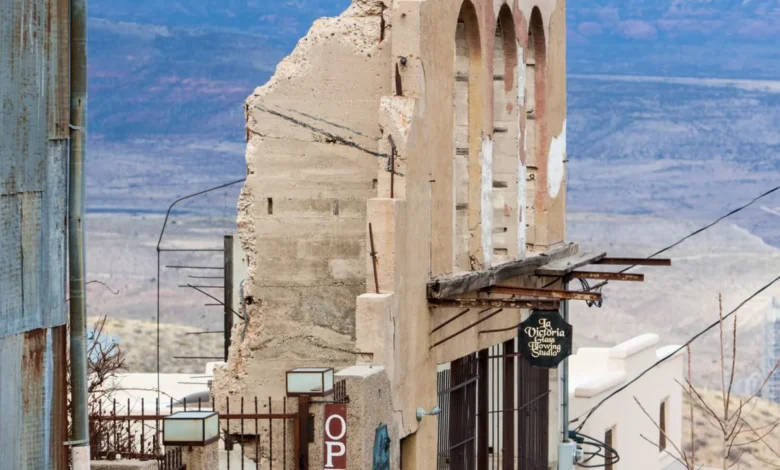
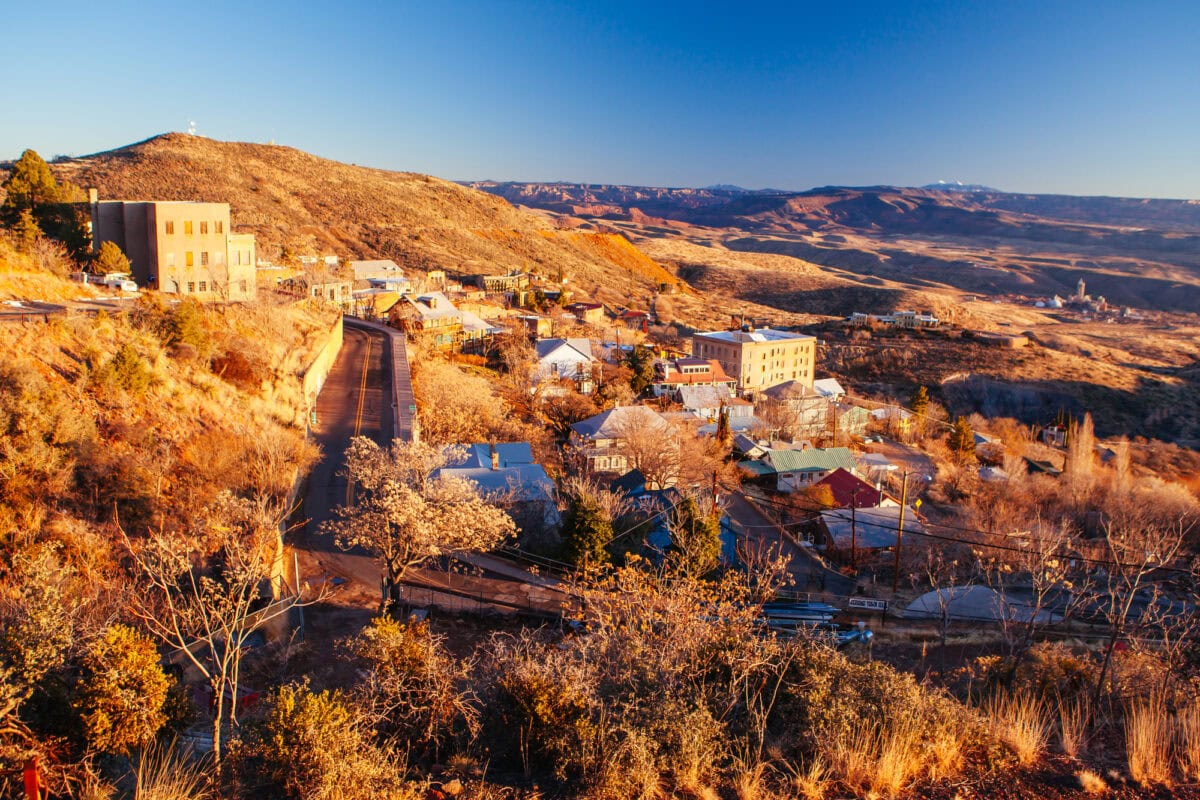
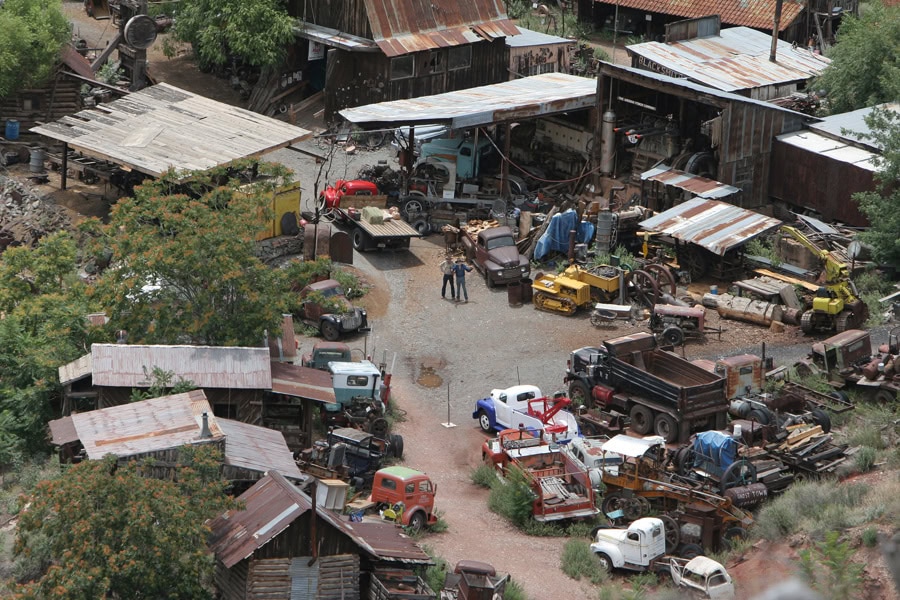
Perched precariously on the side of Cleopatra Hill in the Black Hills of Yavapai County, the town of Jerome, Arizona, serves as a profound case study in the cyclical nature of American frontier history. Once a thriving industrial hub that fueled the nation’s copper demand, the municipality has undergone a radical transformation from a raucous, lawless mining camp to a preserved National Historic Landmark District. Today, Jerome stands as the largest ghost town in the United States, maintaining a population of approximately 500 residents while serving as a center for tourism, art, and historical preservation.
Historical Context and the Mining Boom
The settlement of Jerome began in 1876 when prospectors discovered rich copper deposits on the slopes of the Black Hills. By 1883, the United Verde Copper Company was established, officially launching the mining era that would define the town for the next seven decades. The town’s rapid expansion was fueled by the insatiable demand for copper, which was essential for the growing electrical and telecommunications industries of the late 19th and early 20th centuries.
At its peak around 1920, Jerome boasted a population of nearly 15,000 residents. The town was characterized by its extreme verticality; structures were built into the mountainside with such density that the roofs of some buildings served as the streets for others. This era also earned the town the moniker of the "Wickedest Town in the West." Historical records indicate that the town supported 24 saloons, 18 brothels, and various illicit establishments, reflecting the transient, high-risk lifestyle of the mining workforce.
The Chronology of Decline and Reinvention
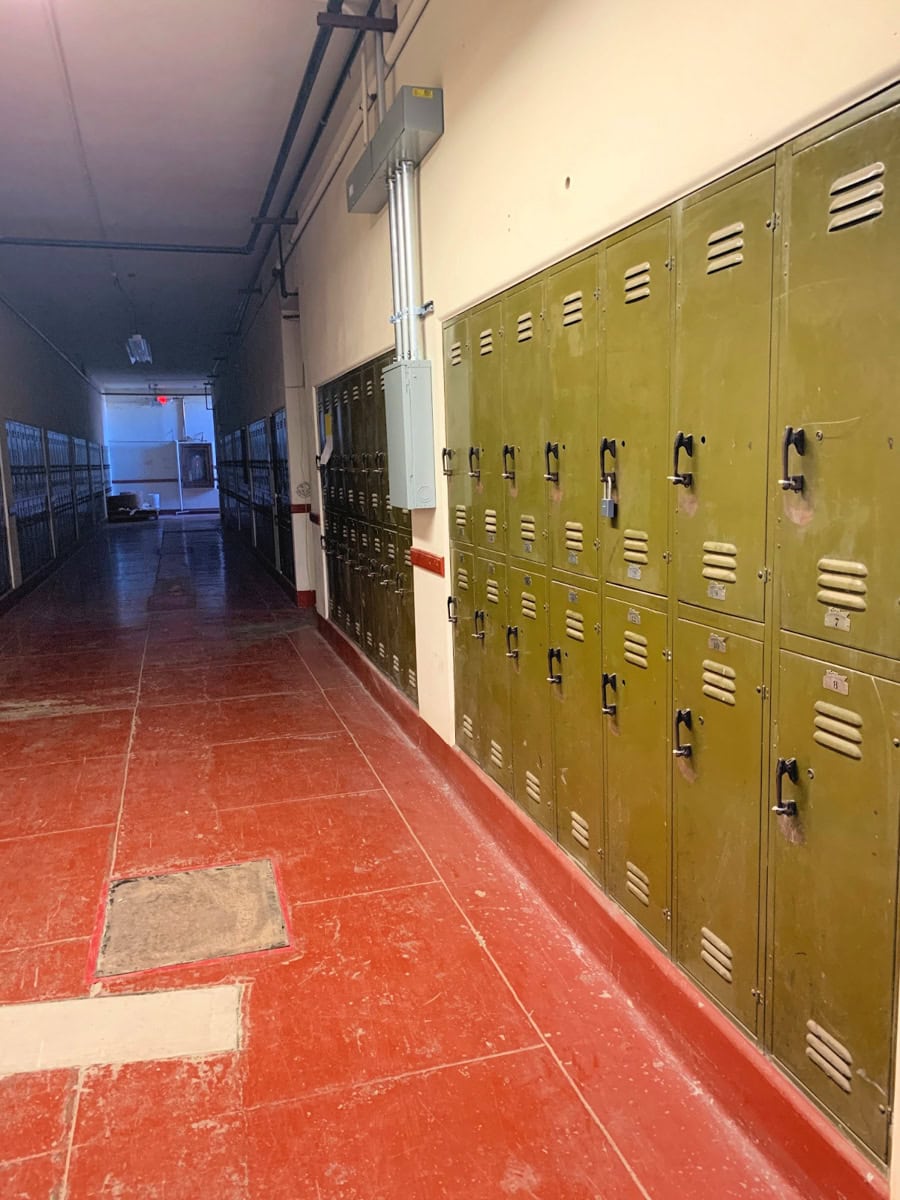
The decline of Jerome was as dramatic as its ascent. Throughout the 1930s and 1940s, the economic viability of the mines began to wane. The post-World War II period saw a decrease in copper prices and the exhaustion of easily accessible ore, leading to the eventual closure of the United Verde mining operations in 1953. Following the cessation of mining, the population plummeted to fewer than 100 people. Many residents departed, leaving behind a "ghost town" landscape of empty commercial buildings and residential structures.
The survival of Jerome is a testament to the influence of the counter-cultural movement and historic preservation efforts. In the 1960s, a influx of artists, musicians, and free spirits recognized the aesthetic and historical value of the abandoned architecture. These newcomers purchased property for nominal fees, effectively saving the town from total demolition. This transition culminated in 1967, when the federal government designated Jerome a National Historic Landmark District, ensuring the protection of over 100 original mining-era buildings.
Geological and Structural Challenges
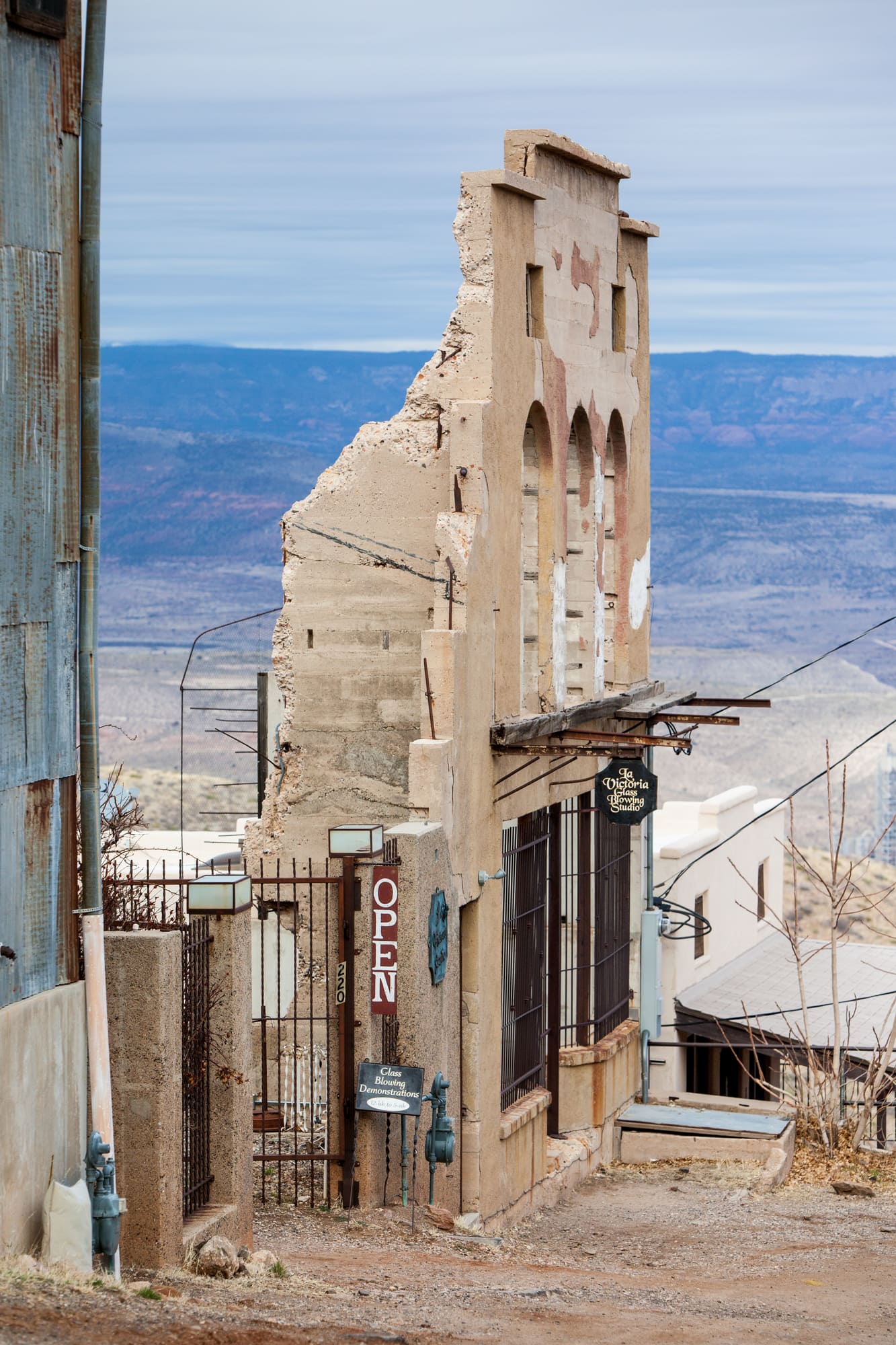
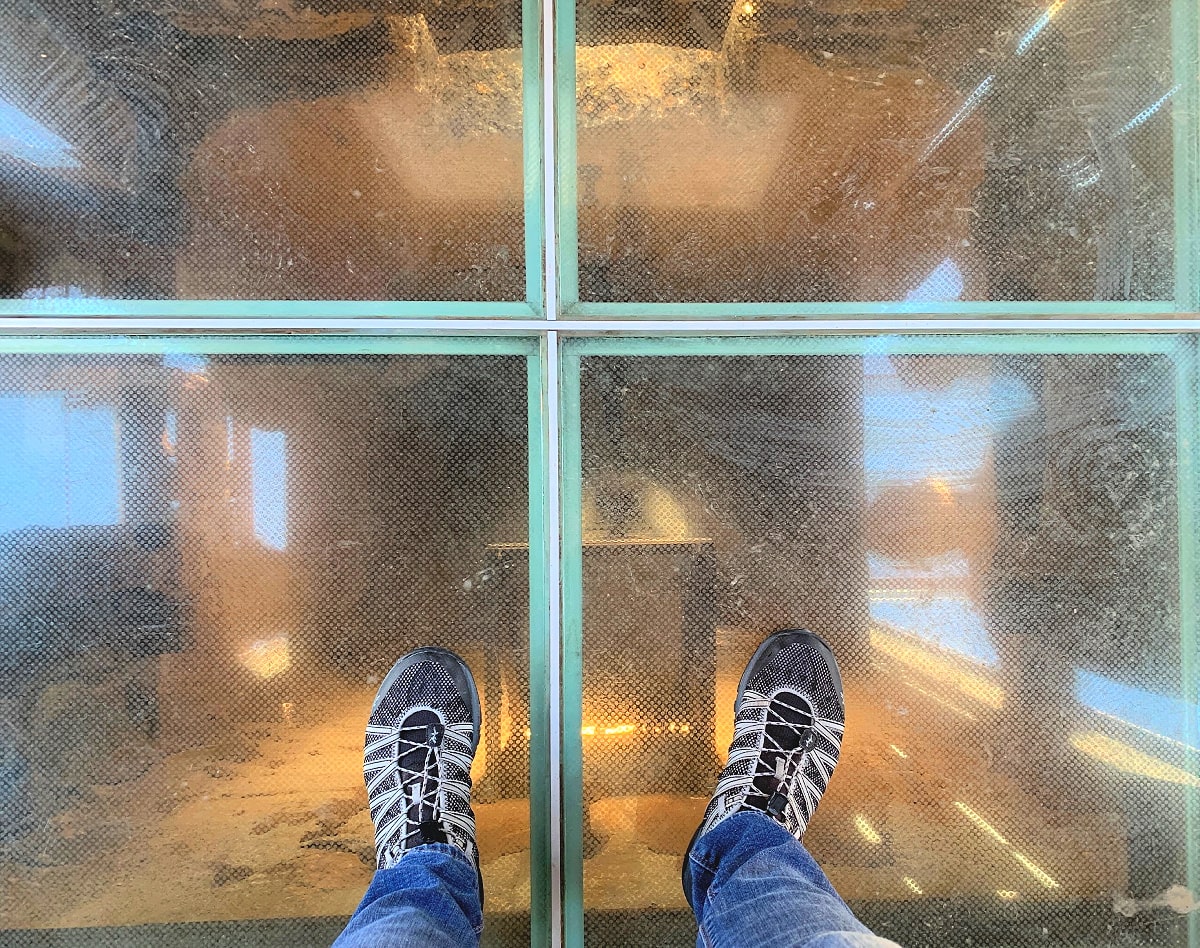
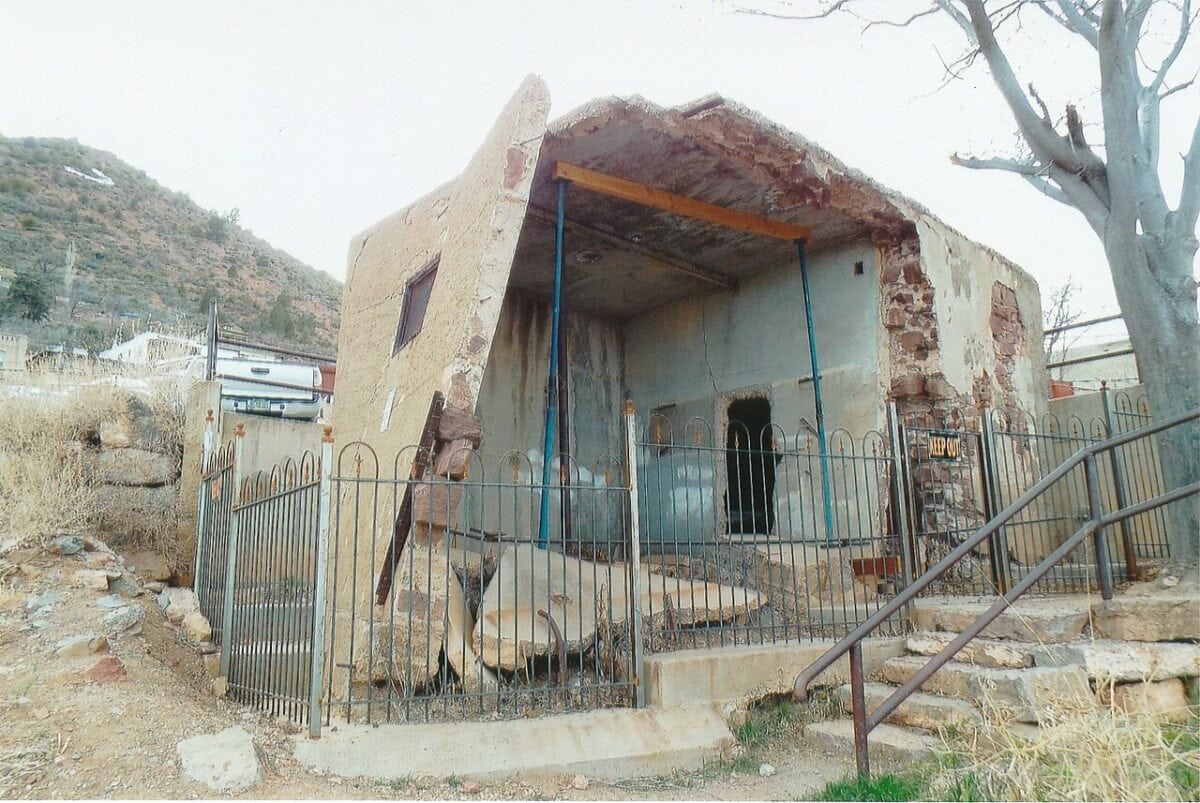
Jerome’s geography remains one of its most defining and dangerous features. The town is situated directly over the Verde Fault and an extensive, unstable network of abandoned mine shafts. This geological instability has historically caused significant structural damage to buildings. A notable example is the "Sliding Jail," a concrete detention facility that began to shift down the mountain in 1938 following a massive underground mining blast. The structure, which eventually moved 225 feet from its original site, remains a tourist attraction and a visible reminder of the town’s precarious physical existence.
Current Infrastructure and Economic Impact
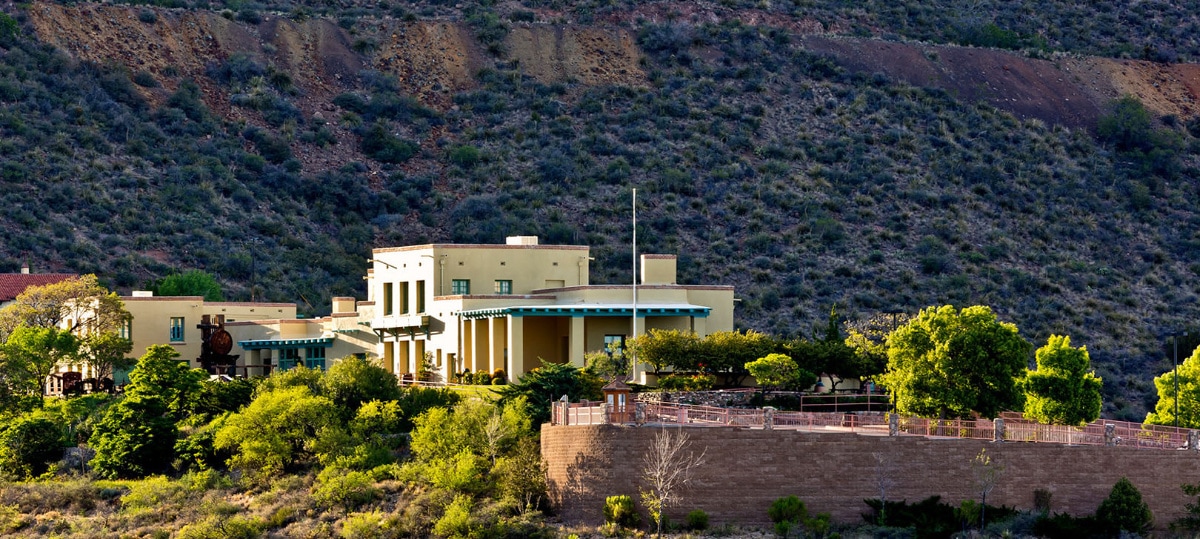
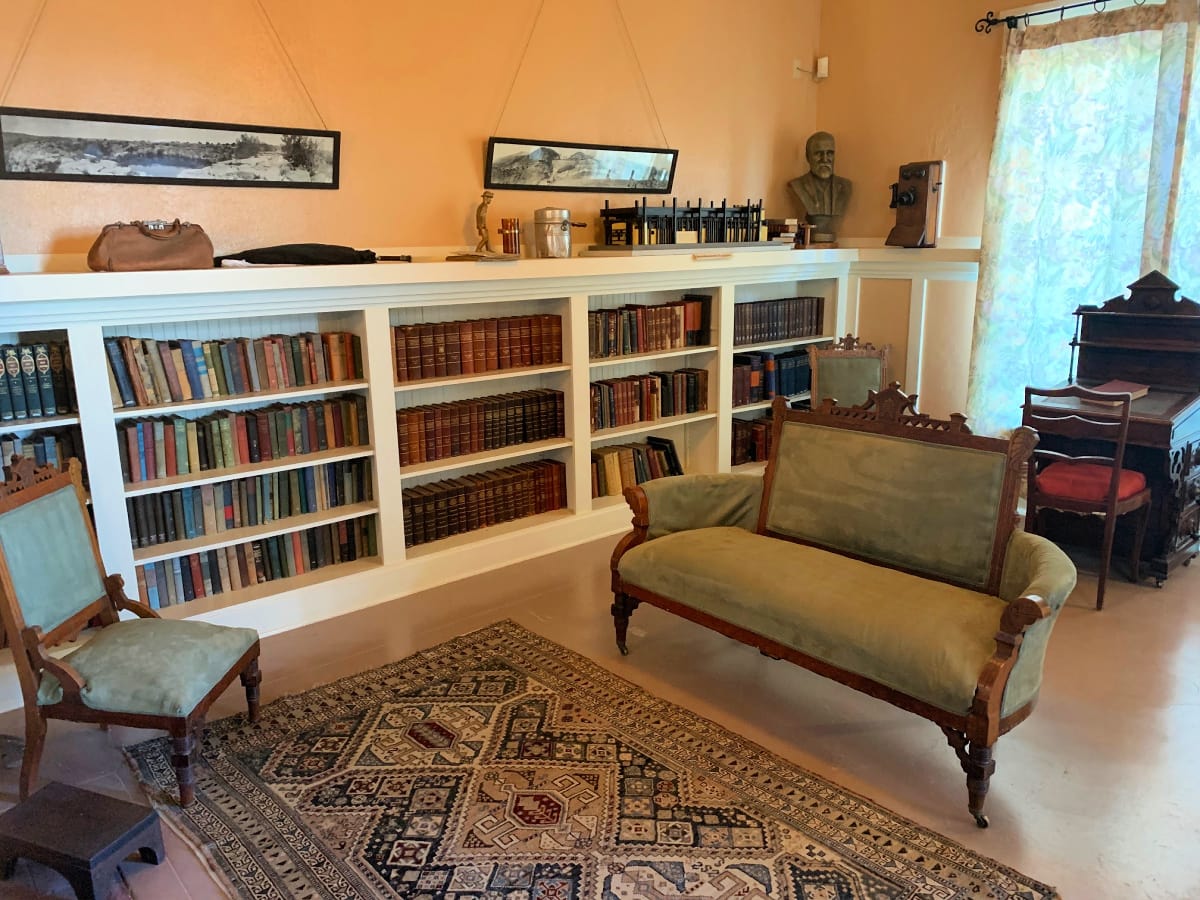
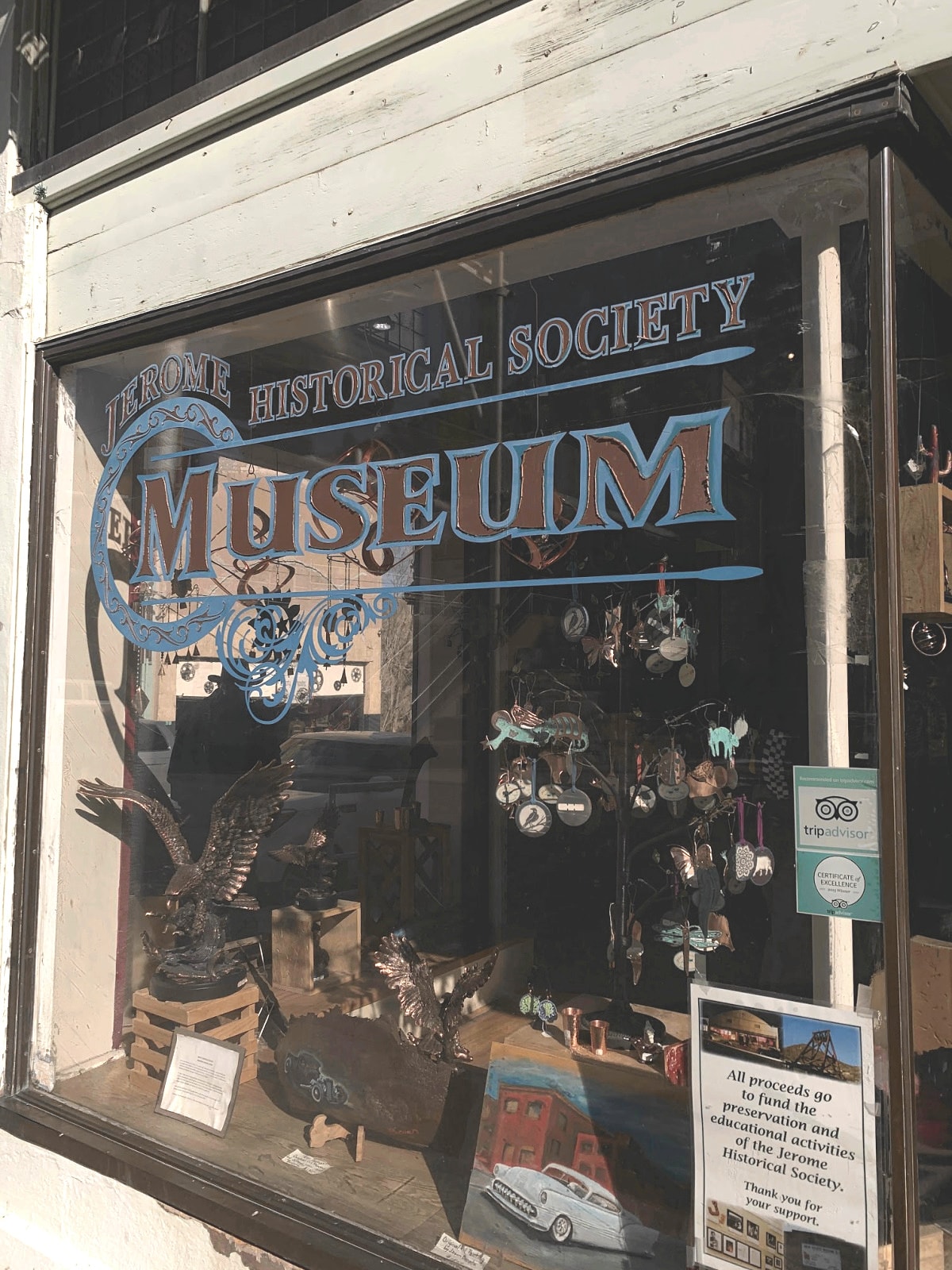
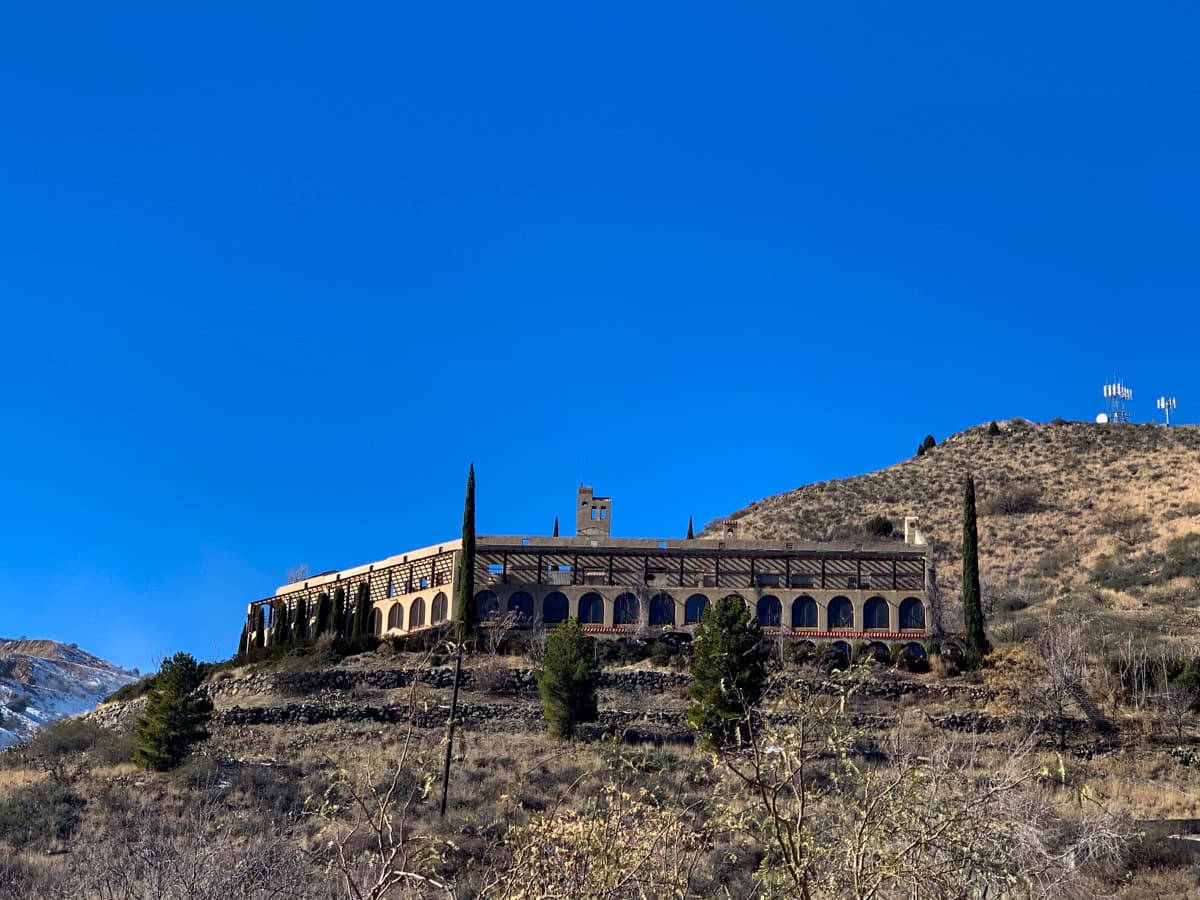
Modern Jerome operates on an economy rooted in heritage tourism. The Jerome Historical Society and various local entities have focused on converting the industrial remnants into educational venues. The Jerome State Historic Park, anchored by the 1916 Douglas Mansion, provides an in-depth look at the geological and social history of the region. The mansion, once the home of James S. Douglas, the owner of the Little Daisy Mine, now serves as a museum featuring mining artifacts and detailed exhibits on the town’s complex subterranean infrastructure.
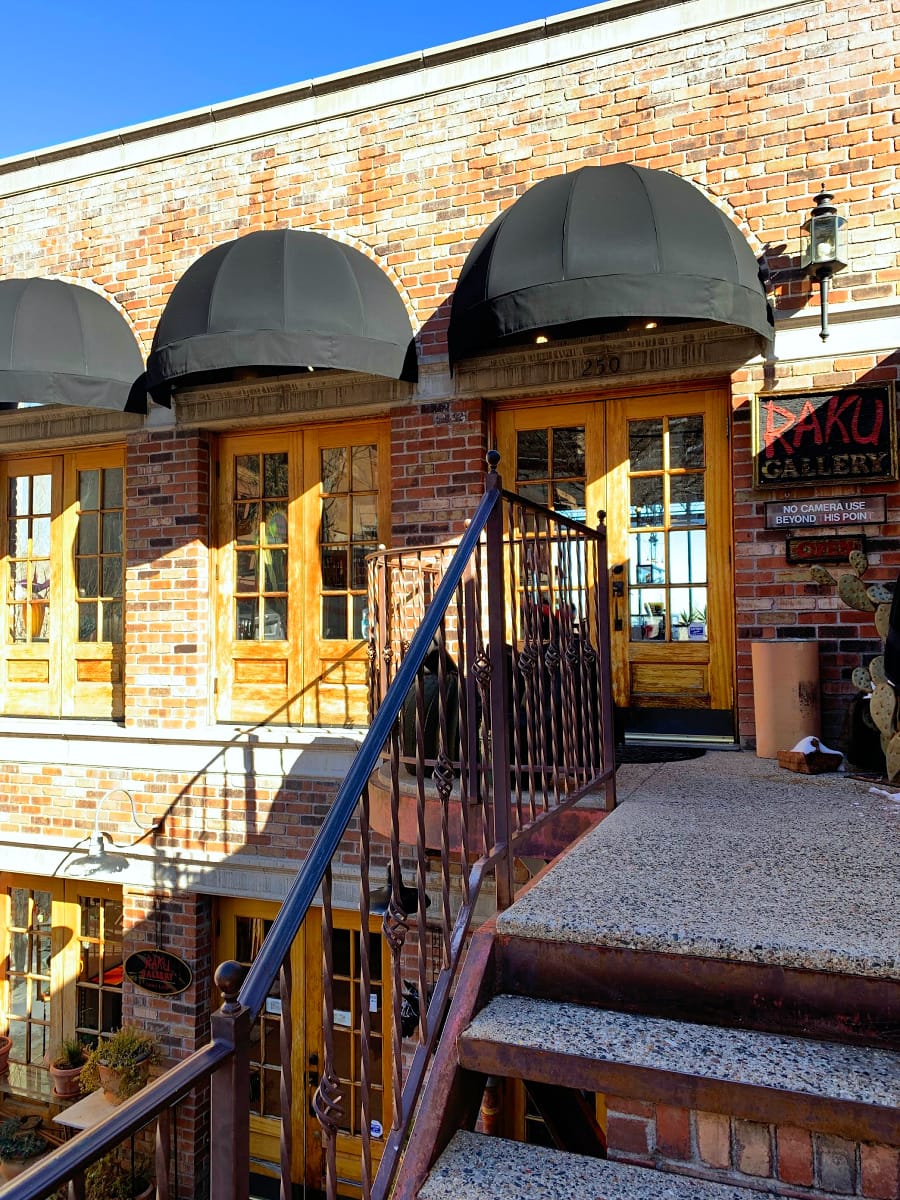
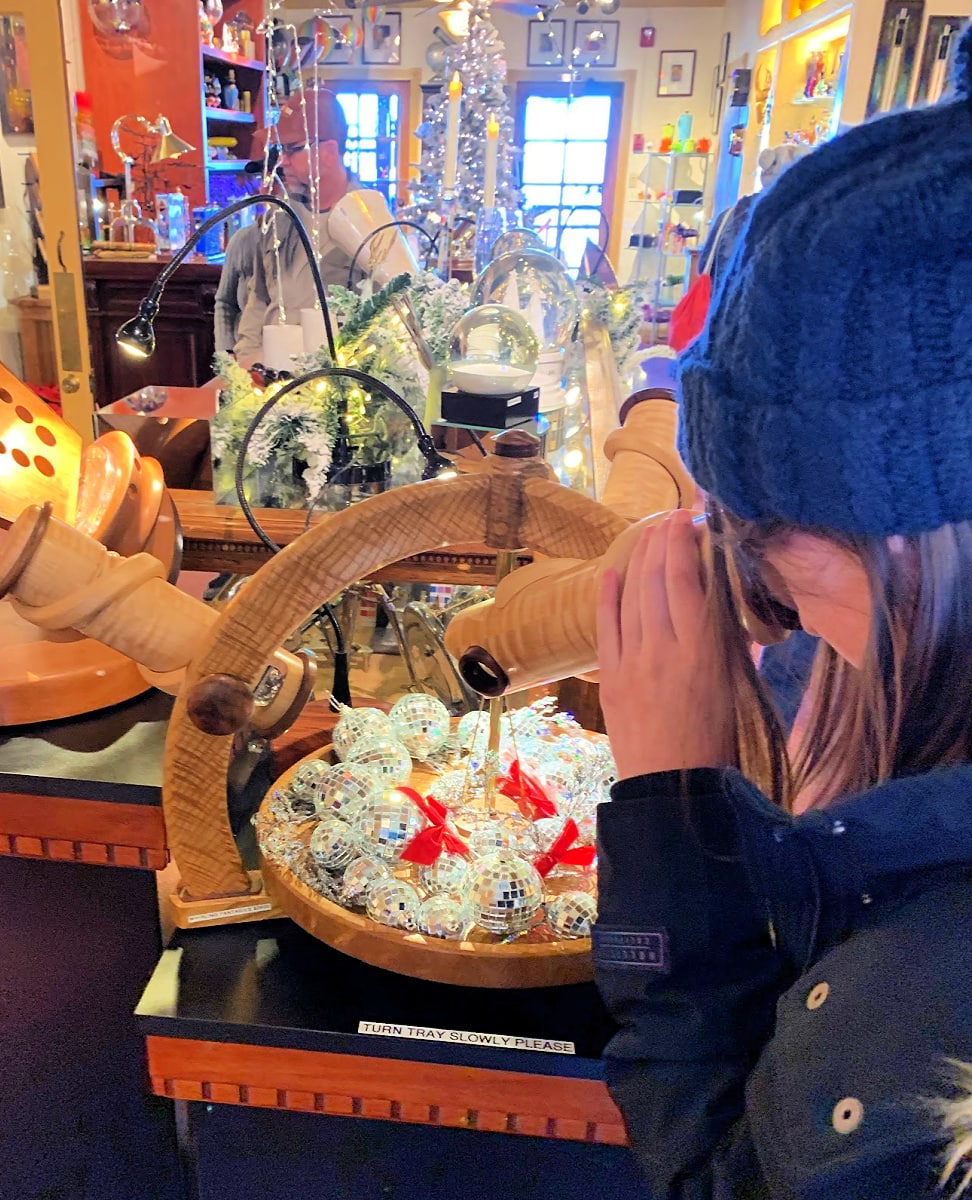
Beyond the formal state park, the town’s economic model relies heavily on its unique aesthetic. The conversion of the Little Daisy Hotel, originally a residence for miners, into a luxury rental property and event space exemplifies the repurposing of industrial sites. Furthermore, the presence of various art galleries and the monthly First Saturday Artwalk attract a diverse demographic of visitors, including regional tourists from Phoenix and Sedona, as well as international travelers interested in Western Americana.
Supporting Data and Tourism Statistics
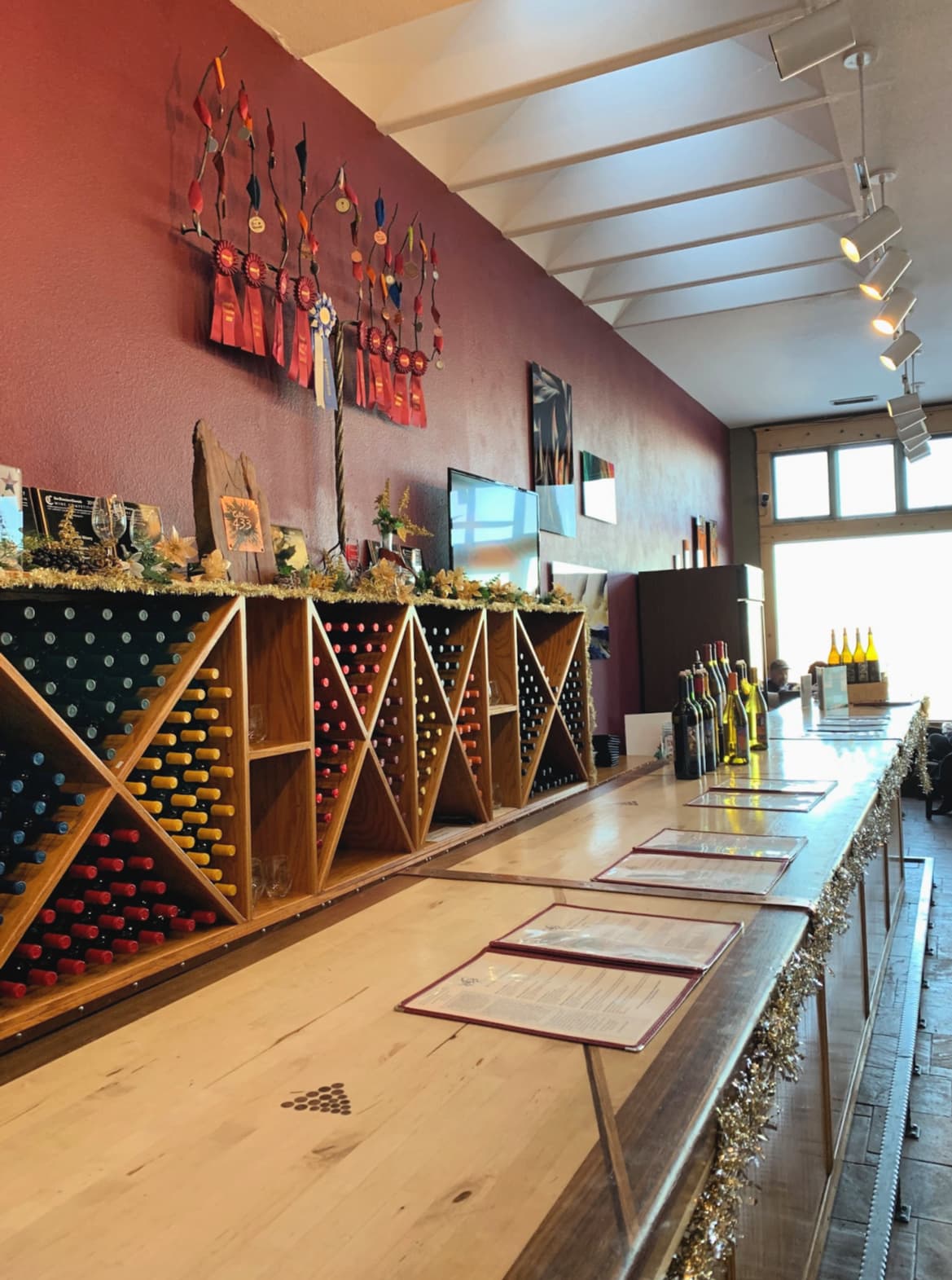
Economic analysis suggests that the tourism sector in Jerome provides the primary fiscal support for the town’s maintenance. The town’s appeal is bolstered by its proximity to the Verde Valley, which has emerged as a burgeoning region for viticulture. The development of wine tasting rooms, such as Vino Zona and The Original Jerome Winery, has diversified the local economy, allowing the town to attract visitors who might otherwise bypass smaller, isolated communities.
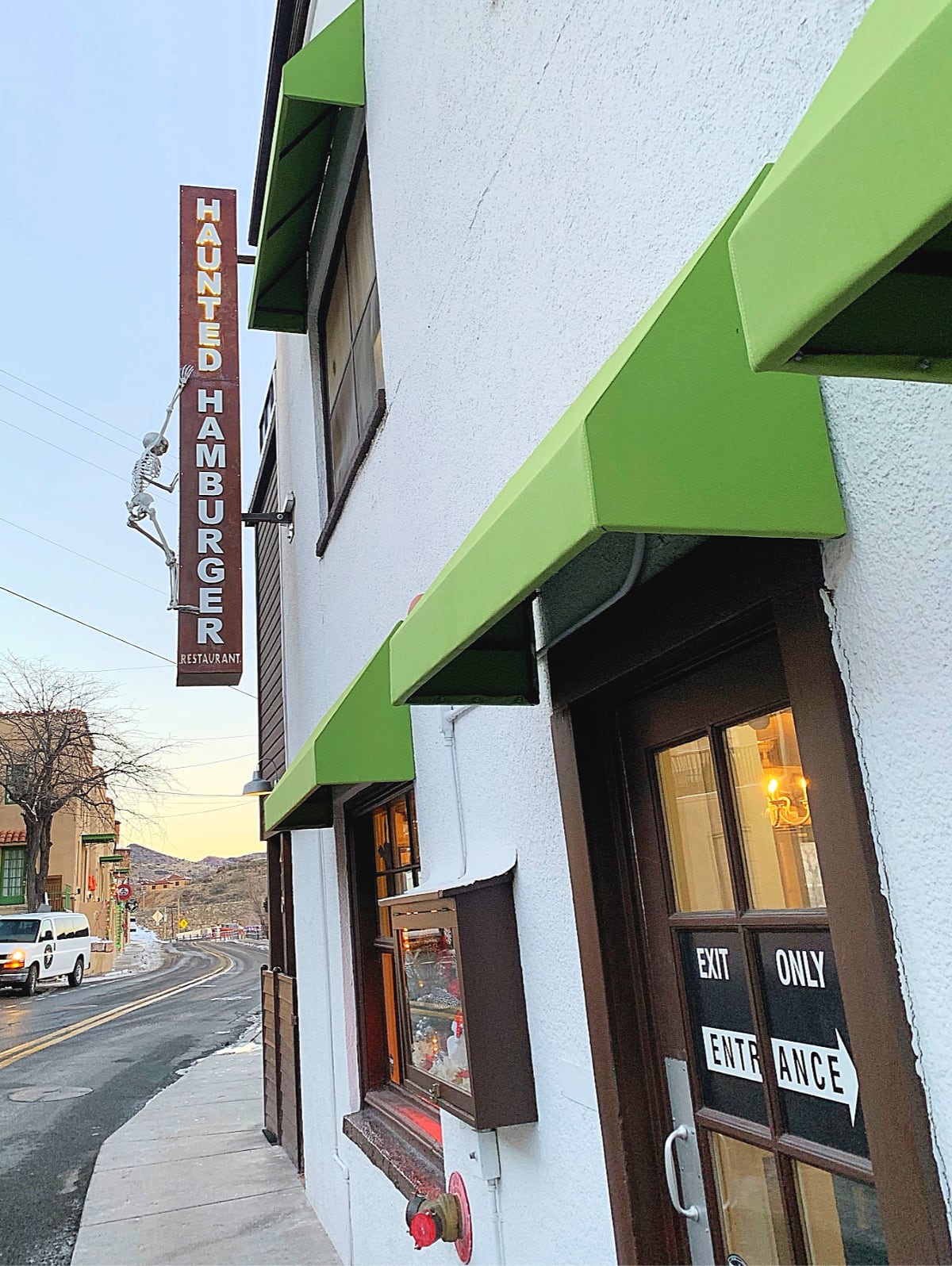
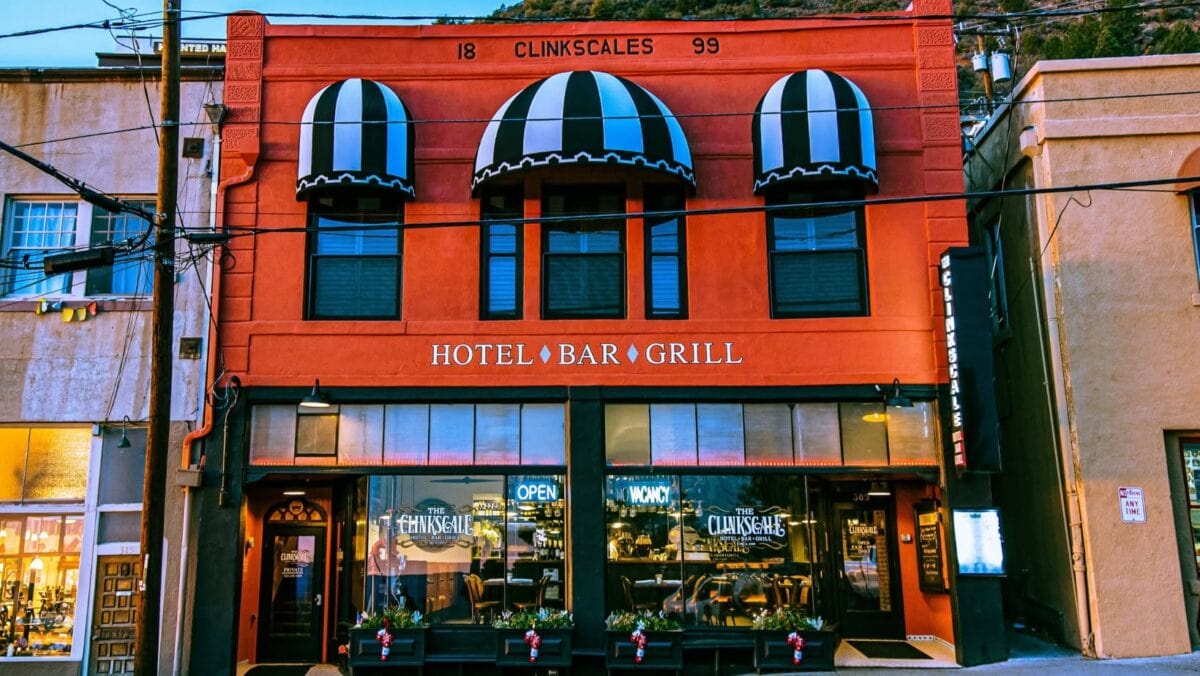
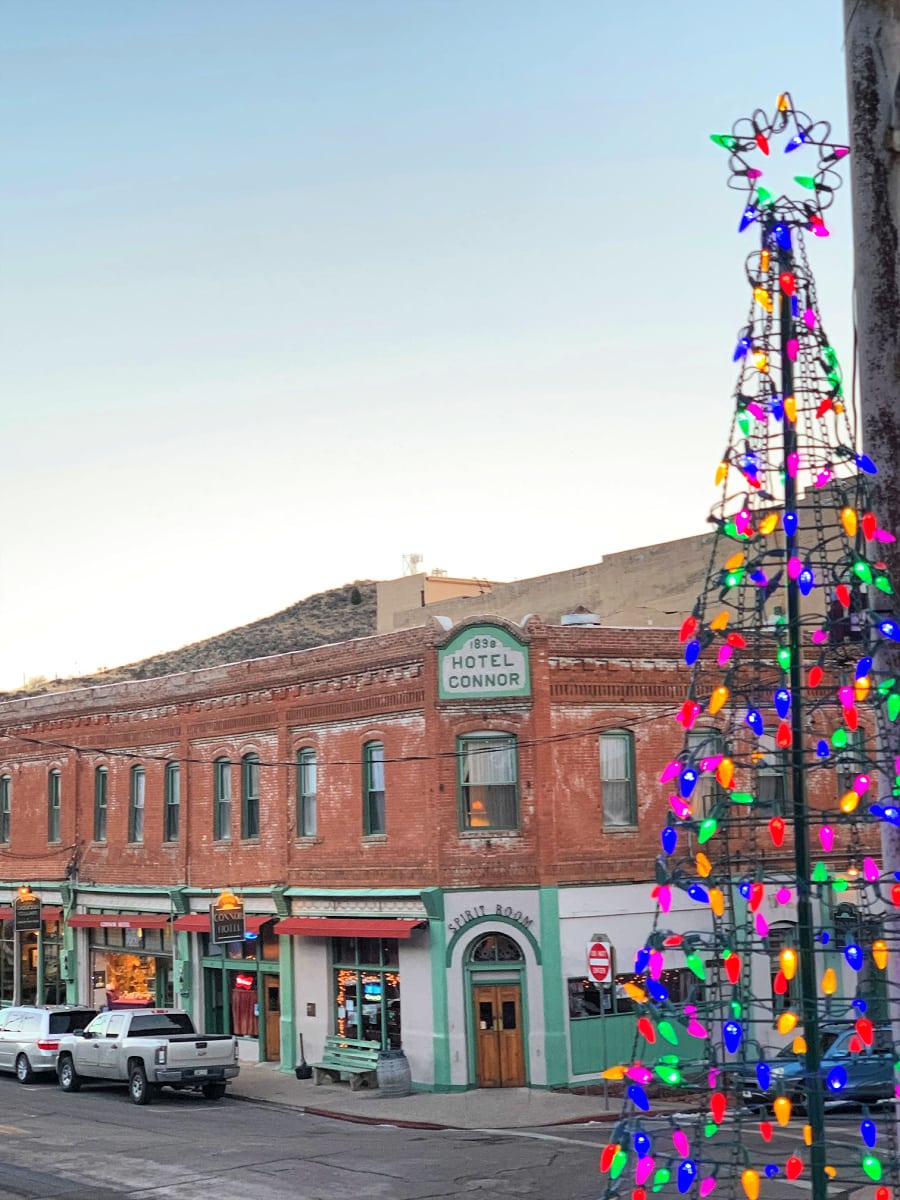
Data from local hospitality outlets, such as The Clinkscale Hotel and the Connor Hotel, indicate that historic lodging is highly sought after, with occupancy rates remaining robust during the spring and fall seasons. The "haunted" aspect of the town’s marketing strategy also plays a significant role in its success. Tours operated by organizations such as US Ghost Adventures and the Jerome Ghost Walk leverage the town’s history of violence and industrial accidents, providing a narrative-driven experience that resonates with modern audiences.
Institutional Responses and Preservation Implications
The preservation of Jerome is not without institutional challenges. Maintaining 19th-century brick and wood structures in a mountainous, seismically active area requires constant investment and rigorous building codes. Local government bodies and the Jerome Historical Society work in tandem to manage the balance between promoting the town as a tourist destination and protecting the integrity of the National Historic Landmark status.
The temporary closure of sites like the Audrey Headframe Park for restoration highlights the ongoing nature of this maintenance. The headframe, which supported a 1,900-foot mining shaft, remains one of the most significant industrial artifacts in the state. Its preservation is viewed by historians not merely as a tourist attraction, but as a crucial step in maintaining the industrial identity that separates Jerome from other, more commercialized tourist towns in Arizona.

Broader Impact and Social Significance

The evolution of Jerome serves as a template for other former mining towns across the American West. It illustrates that long-term sustainability can be achieved when a community embraces its history while adapting to the service-based economy of the 21st century. The transformation of a "Wicked Town" into a cultural haven also reflects changing social attitudes toward history. Rather than erasing the darker aspects of the town’s past—such as its history of labor disputes, mining disasters, and vice—Jerome incorporates these elements into its public narrative.
This approach has fostered a unique identity that prioritizes authenticity over modern convenience. Visitors to Jerome are often struck by the lack of modern amenities, such as large hotel chains or standardized shopping malls, which reinforces the feeling of stepping back in time. This lack of modernization is the town’s greatest asset, providing a tangible connection to the early industrial age that defined the American West.
Conclusion
Jerome, Arizona, occupies a singular space in the American landscape. It is neither a dead relic nor a bustling metropolis, but a living museum that has successfully navigated the transition from extraction to curation. By leveraging its history of hardship, growth, and eventual decline, the town has secured its future as a cornerstone of Arizona’s cultural heritage. As the town moves further into the 21st century, its ability to maintain the integrity of its historic architecture while serving a global audience will remain the definitive factor in its continued survival as the nation’s largest ghost town.