Truck Art Motorcycle Rental in Pakistan: A Unique Cultural Intersection for Adventure Tourism

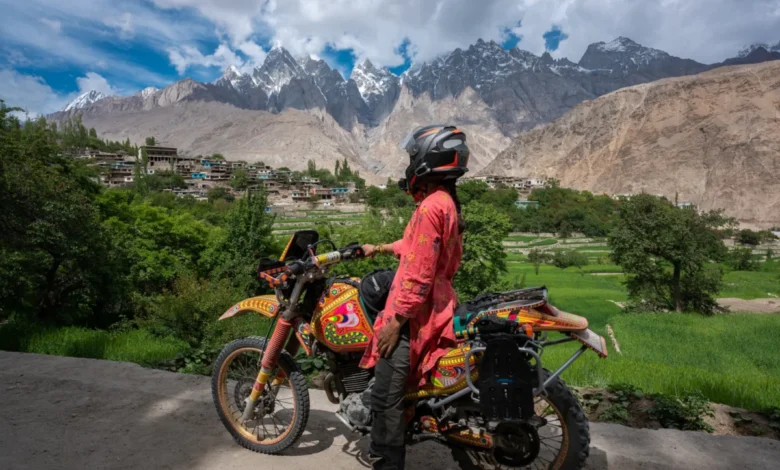
The integration of traditional Pakistani craftsmanship with modern adventure tourism has reached a new milestone in Islamabad. For travelers seeking an authentic and visually distinct way to traverse the diverse landscapes of Pakistan, a specialized motorcycle rental initiative has emerged, offering machines adorned with the country’s iconic “truck art.” This venture, a collaborative effort between independent travel experts and the local tour operator Coyote Trail, represents a growing trend in niche tourism that prioritizes cultural immersion alongside rugged exploration.
The practice of decorating heavy vehicles with elaborate, hand-painted motifs—often featuring floral patterns, portraits, and neon-colored geometric designs—is a cornerstone of Pakistani transit culture. By applying this aesthetic to motorcycles, organizers have created a mobile showcase of local heritage that serves both as a functional transport mode and a cultural artifact.
The Evolution of the Fleet and Operational Logistics
The initiative is headquartered in the E-11/4 sector of Islamabad, serving as a hub for both domestic and international adventurers. The fleet currently consists of two primary models, selected for their reliability and suitability for the varied topography of Pakistan, which ranges from the bustling urban sprawl of the Punjab plains to the high-altitude mountain passes of Gilgit-Baltistan.
The Suzuki GS 150 SE serves as the backbone of the rental offering. Widely regarded for its durability and fuel efficiency, the model is a staple of the local automotive market. Its popularity among local commuters ensures that spare parts are readily available, and maintenance expertise is ubiquitous across the country, providing peace of mind for travelers on extended journeys. The rental cost for these units is currently set at 6,000 PKR per day.
For those requiring more specialized capabilities, the Yamaha TT-R 250 Raid is available at a rate of $35 USD per day. This model is characterized by its high ground clearance and robust suspension, making it better suited for the off-road conditions found in regions like Chitral or the remote valleys of Northern Pakistan. Unlike the Suzuki 150, the 250cc model requires the renter to hold a formal motorcycle license, reflecting the increased technical demand of operating a higher-capacity machine in challenging environments.
Chronology of the Truck Art Movement in Travel
The transition of truck art from the sides of commercial lorries to personal transport began to gain international attention in recent years. By 2022, private enthusiasts began commissioning local artisans in Rawalpindi—a city renowned for its dense concentration of vehicle workshops—to apply similar aesthetic treatments to dual-sport motorcycles.
The application of this art is more than merely decorative. Field observations suggest that the high-quality, reflective stickers used in the modern iteration of the craft serve a practical safety function, increasing the visibility of the motorcycles to other motorists during low-light conditions. Since 2019, the professionalization of these motorcycle tours has allowed for a structured approach to logistics, safety, and equipment maintenance, transforming a spontaneous creative project into a sustainable tourism service.
Economic and Safety Considerations
Critics and prospective renters often query the pricing structure, noting that motorcycle rental costs in Pakistan can differ from those in neighboring regions such as India or Thailand. Industry analysts point to several factors that necessitate these rates:
- Import and Maintenance Costs: Vehicles of the caliber required for Himalayan touring often involve high acquisition or import duties, and the maintenance of a fleet that sees consistent off-road use requires significant capital investment.
- Infrastructure Challenges: The logistical support needed to maintain a fleet in remote areas, including the transport of parts and the training of mechanics, adds to the operational overhead.
- Quality Assurance: Unlike informal, peer-to-peer rental arrangements, this professionalized model ensures that every bike undergoes a thorough inspection, including fresh oil changes and mechanical checks, prior to being released to a client.
Safety remains the foremost concern for the organizers. While local authorities may not strictly enforce international licensing standards for smaller engine classes, the rental company mandates that all clients possess a valid driving license. In the event of mechanical issues or accidents, the rental agreements include a transparent framework regarding liability and repair costs, with security deposits capped at approximately $200 USD to cover minor damages such as broken levers or cracked mirrors.
Strategic Itineraries and Regional Impact
The service providers have identified three primary routes designed to cater to different skill levels and time constraints:
- The Karakoram Highway (KKH) Route: Targeted at travelers with a 10-day window, this route covers the primary artery from Islamabad to the Khunjerab Pass. It is almost entirely paved, offering a relatively accessible introduction to the high-mountain landscape.
- The Hunza-Skardu Loop: A two-week itinerary that combines paved roads with significant off-road sections. It traverses the Deosai Plains, one of the highest plateaus in the world, and requires a higher degree of physical endurance and navigation skill.
- The Gilgit-Baltistan and Khyber Pakhtunkhwa Circuit: An extensive, multi-week loop that offers the most diverse cultural exposure, passing through Peshawar and the remote mountain valleys of the northwest. This is widely considered the most demanding route and is recommended for experienced riders.
Implications for Pakistan’s Tourism Sector
The emergence of these specialized rentals highlights a shift in how Pakistan is positioned on the global adventure tourism map. By combining the country’s unique cultural expressions with the growing demand for independent adventure travel, these initiatives are contributing to a more nuanced image of the nation.
Data from recent tourism reports suggests that international interest in motorcycle travel within Pakistan is on an upward trajectory. The ability for a traveler to rent a professionally maintained, culturally significant machine allows for a level of autonomy that traditional tour packages do not provide. Furthermore, the collaboration between foreign travel experts and local entrepreneurs provides a bridge between different market expectations, ensuring that safety standards meet international requirements while maintaining local authenticity.
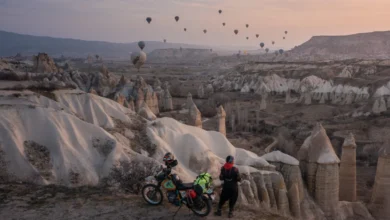
As the country continues to develop its tourism infrastructure, the success of such initiatives will likely hinge on the continued availability of well-maintained equipment and the ability of operators to navigate the logistical complexities of high-altitude travel. For now, the sight of a neon-colored, art-covered motorcycle navigating the Karakoram range remains one of the most vivid symbols of Pakistan’s evolving tourism landscape, offering a tangible, visceral experience that standard travel itineraries often fail to capture.