Beyond the Azure Waters: A Comprehensive Guide to the Cultural Heritage and Historical Evolution of Curaçao

Curaçao is a destination that transcends the traditional Caribbean archetype of sun, sand, and surf. While its turquoise waters and pristine beaches are internationally renowned, the island—a constituent country of the Kingdom of the Netherlands—possesses a dense, multifaceted history that serves as the bedrock of its modern identity. From its strategic position within the Atlantic trade routes to its status as a melting pot of indigenous, European, and African influences, Curaçao offers a complex narrative of resilience, economic ingenuity, and artistic expression. For the discerning traveler and the history enthusiast alike, the island provides an immersive educational experience that contextualizes its evolution from a colonial outpost to a vibrant, independent cultural hub.
The Historical Foundation and Economic Trajectory of the Port
The economic history of Curaçao is inseparable from its geography. Situated just off the coast of Venezuela, the island features a unique natural deep-water harbor, St. Anna Bay, which has served as a critical node in international maritime commerce for centuries. Following the arrival of the Spanish in 1499, and the subsequent Dutch seizure of the island in 1634, Curaçao became a pivotal center for the Dutch West India Company.
The Curaçao Maritime Museum, housed within a restored 18th-century structure in the historic Scharloo district, serves as the primary repository for this 500-year timeline. The museum’s permanent exhibition offers a comprehensive look at how the island transitioned from an indigenous territory inhabited by the Caquetío people to a bustling commercial port. Data indicates that by the mid-17th century, the port had become the epicenter of the transatlantic trade, a period marked by significant economic growth at the cost of human suffering during the height of the slave trade. Today, the museum preserves this history through original nautical charts, intricate ship models, and historical navigational instruments. By analyzing these artifacts, researchers and visitors alike can trace the development of the island’s harbor, which remains one of the busiest and most technologically advanced in the Caribbean region.
The Sociological Evolution of the Plantation Era: Savonet Museum
To understand the social stratification of modern Curaçao, one must look to the plantation houses, or landhuizen, that dot the island’s landscape. The Savonet Museum, situated at the entrance of the Christoffel National Park, represents one of the oldest and most significant of these structures. Built in 1662, the site has been meticulously preserved to offer a candid view of the island’s agrarian past.
The Savonet Museum is distinct in its pedagogical approach. Rather than focusing solely on the architecture of the Dutch colonial era, the museum documents the lived experiences of the plantation’s inhabitants across several centuries. This includes the indigenous history of the island, the lives of the European plantation owners, and, crucially, the experiences of enslaved people whose labor sustained the colonial economy. The evolution of customs, language—particularly the development of Papiamentu—and post-emancipation social structures are highlighted through audio and guided tours. This site serves as an essential case study for historians analyzing the transition from a colonial plantation system to a diverse, post-colonial society.
The Urban Renaissance: Otrobanda and the Mural Movement
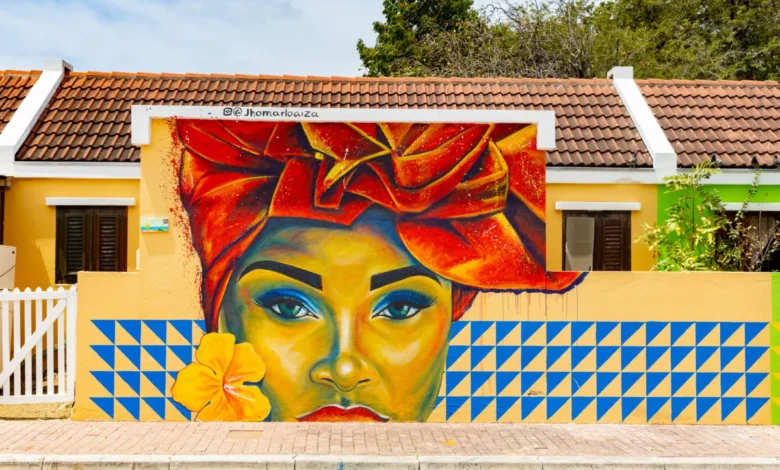
While the museums preserve the past, the district of Otrobanda—meaning "the other side" in Papiamentu—represents the contemporary heartbeat of Willemstad. Historically, Otrobanda served as the residential hub for the island’s working-class and Afro-Curaçaoan populations, contrasting with the commercial center of Punda. In recent decades, the district has undergone a significant urban renewal, fueled by a grassroots movement of artists and local entrepreneurs.
The transformation is perhaps best captured by the vibrant mural scene that now defines the district’s aesthetic. Murals, such as those lining the passageway between Quintastraat and Cornelis Dirksweg and the iconic rainbow steps on Van Lennepstraat by artist Avantia Damberg, function as public art installations that narrate the island’s modern cultural identity.
This creative resurgence is not merely aesthetic; it is an economic driver. Establishments like the Bario Hotel + Bar have pioneered the integration of heritage tourism with local business, offering guided walking tours that highlight the intersection of street art and local gastronomy. Furthermore, the Kaya Kaya Street Party, held twice annually in August and December, serves as a catalyst for community engagement. By fostering collaboration between artists, musicians, and local vendors, the festival has become a case study in community-led economic development, demonstrating how cultural investment can revitalize neglected urban spaces.
The Integration of Art and Environment: The Blue Bay Sculpture Garden
In the realm of modern cultural curation, the Blue Bay Sculpture Garden at the Blue Bay Golf & Beach Resort offers a unique synthesis of environmental stewardship and artistic expression. Initiated in 2017, the sculpture trail serves as an open-air exhibition space that connects the resort’s entrance to its historic manor house.
The collection has expanded rapidly, now featuring over 40 sculptures created by 29 artists, including notable figures such as Yubi Kirindongo and Giovanni Abath. A defining feature of this initiative is the emphasis on local materials. By utilizing indigenous stone, reclaimed wood, and other regional resources, the artists have created a site-specific dialogue between the natural landscape of Boca Samí and the artistic consciousness of the island. This initiative reflects a broader trend in Caribbean arts management, where large-scale developers are increasingly tasked with preserving regional heritage and supporting local creative economies through corporate social responsibility programs.
Analysis: Implications for Sustainable Tourism
The synthesis of these historical, artistic, and natural assets underscores Curaçao’s shifting strategy toward sustainable tourism. By moving away from a model of mass-market, high-volume tourism, the island is positioning itself as a destination for "cultural travelers"—individuals who seek engagement with local history and contemporary arts.
From an economic standpoint, the diversification of the tourism sector—specifically through the support of the arts and the preservation of heritage sites—has significant implications. According to regional tourism data, destinations that invest in cultural infrastructure tend to experience higher visitor satisfaction rates and longer average lengths of stay. The successful integration of these institutions—from the maritime history in Scharloo to the avant-garde murals in Otrobanda—suggests that Curaçao is effectively leveraging its history to maintain a competitive edge in a crowded Caribbean market.
Furthermore, the involvement of local stakeholders, such as the organizers of the Kaya Kaya festival and the creators of the Blue Bay Sculpture Garden, highlights the importance of localized ownership in tourism development. When the community is an active participant in the presentation of its history and art, the authenticity of the visitor experience is inherently enhanced.
Looking Toward the Future
As Curaçao continues to navigate the complexities of globalization, its commitment to documenting its past while fostering a forward-thinking arts scene remains a defining characteristic. The institutions and sites detailed here provide a comprehensive roadmap for those interested in the layers of history that make the island a unique subject of study. Whether it is through the analytical lens of the Maritime Museum, the sociological insights of Savonet, or the creative energy of the Otrobanda muralists, Curaçao offers a narrative that is as diverse as the people who have called it home for over five centuries. By ensuring that these sites are accessible and well-maintained, the island preserves not only its physical infrastructure but also the collective memory of a nation in constant, dynamic evolution.