AJ 42 Recommended Reading Highlights Six Defining Books on Stewardship, Ecology, and Human Resilience


Literary exploration often mirrors humanity’s evolving relationship with the natural world, a dynamic underscored in the latest installment of Adventure Journal’s curated reading list. Volume 42 of the independent print quarterly presents six distinct literary works published between 2025 and 2026. Spanning Indigenous environmental stewardship, the overlooked significance of wetlands, personal reckonings with American wilderness, Arctic elegies, historical survival, and arboreal philosophy, these titles offer a comprehensive examination of how humans interact with, shape, and are shaped by their environments.
Indigenous Stewardship and the Power of Native Land Management
Opening the journal’s recommended reading is Guardians of Life by National Geographic photographer Kiliii Yiyuan, scheduled for publication by Braided River in 2026. The book presents a compelling visual and statistical argument for placing environmental management back into the hands of Indigenous communities.
Yiyuan’s thesis is grounded in contemporary conservation metrics. Indigenous territories currently comprise approximately 37 percent of all remaining natural lands on Earth and safeguard nearly 80 percent of global biodiversity. The text highlights historical precedents for this efficacy, citing a pivotal legal battle in 1977. When the International Whaling Commission attempted to ban the Iñupiat people from hunting bowhead whales—a practice spanning millennia—the community successfully fought for management rights in court. Over the subsequent three decades, local stewardship tripled the regional bowhead whale population.
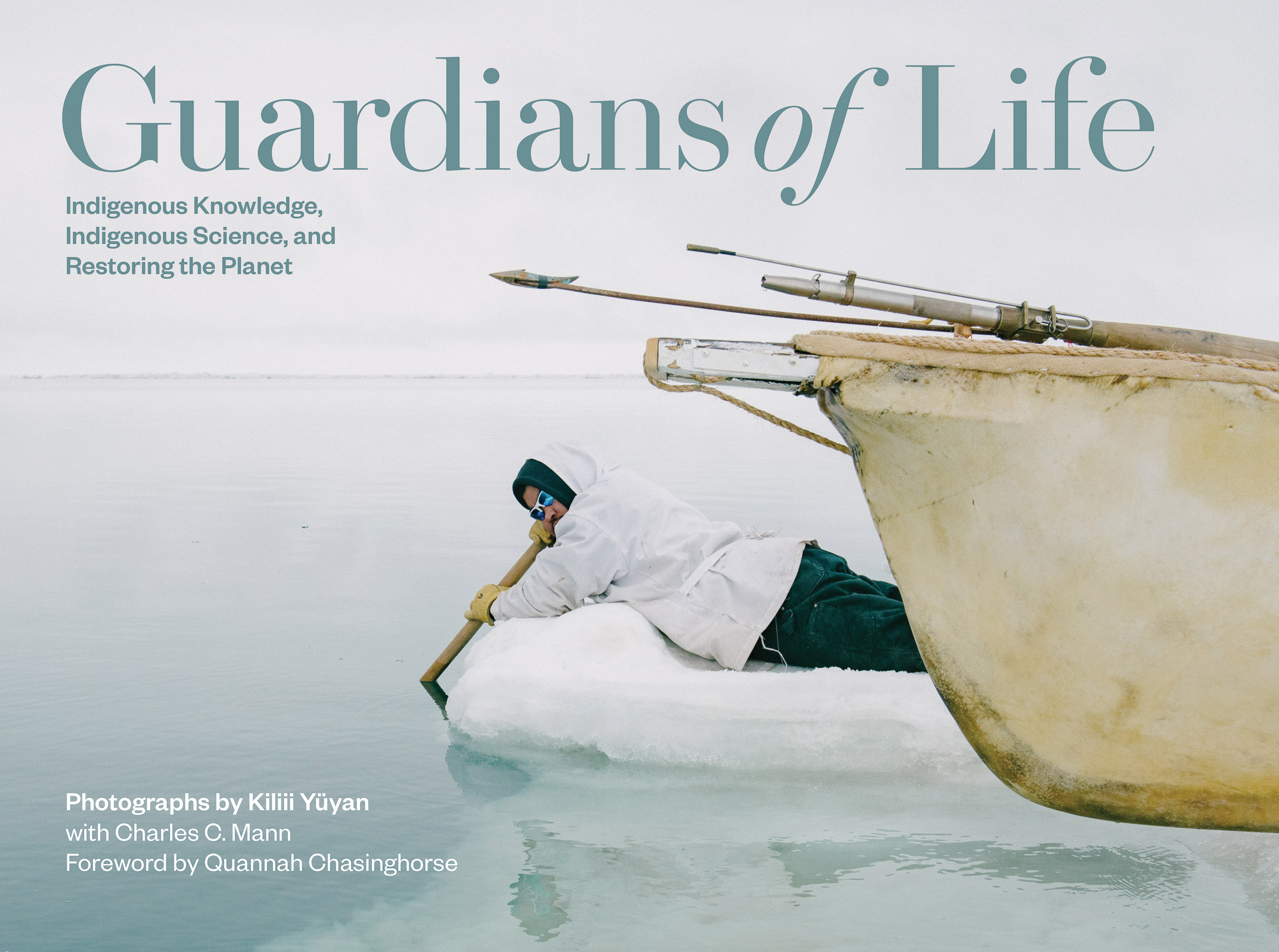
Featuring nearly 200 photographs captured across nine Native communities, Guardians of Life pairs rigorous data with intimate imagery. Industry analysts note that Yiyuan’s documentation avoids romanticized tropes, instead presenting a stark, factual portrait of human communities whose daily survival remains fundamentally intertwined with the ecological health of their traditional lands.
The Ecological and Cultural Value of Global Wetlands
Shifting focus from terrestrial habitats to neglected ecosystems, Merritt R. Turetsky’s Bogland, published by WW Norton in 2026, reexamines peatlands and bogs. Historically viewed through a lens of utility—often drained, marginalized, or used metaphorically to denote entrapment—bogs are framed in Turetsky’s work as critical components of the global climate system.
Scientific data cited in the text emphasizes the disproportionate ecological weight of these environments. While wetlands cover only about three percent of the Earth’s land surface, they store approximately 30 percent of all global soil carbon. Turetsky outlines the precarious nature of this storage, noting that permafrost thaw and wildfire activity threaten to release vast reserves of greenhouse gases into the atmosphere.
Beyond hard carbon accounting, Bogland explores the deep cultural and historical resonance of swamps. Turetsky incorporates field research directly from the muck, detailing archaeological discoveries such as Iron Age bog bodies recovered with their final meals intact, alongside the historical use of wetlands as refuges for the persecuted and hunted. Reviewers have praised the work for balancing dry climatological data with vivid anthropological reporting.

Reckoning with Wilderness Legacies in Yosemite Falls
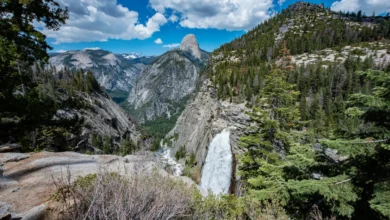
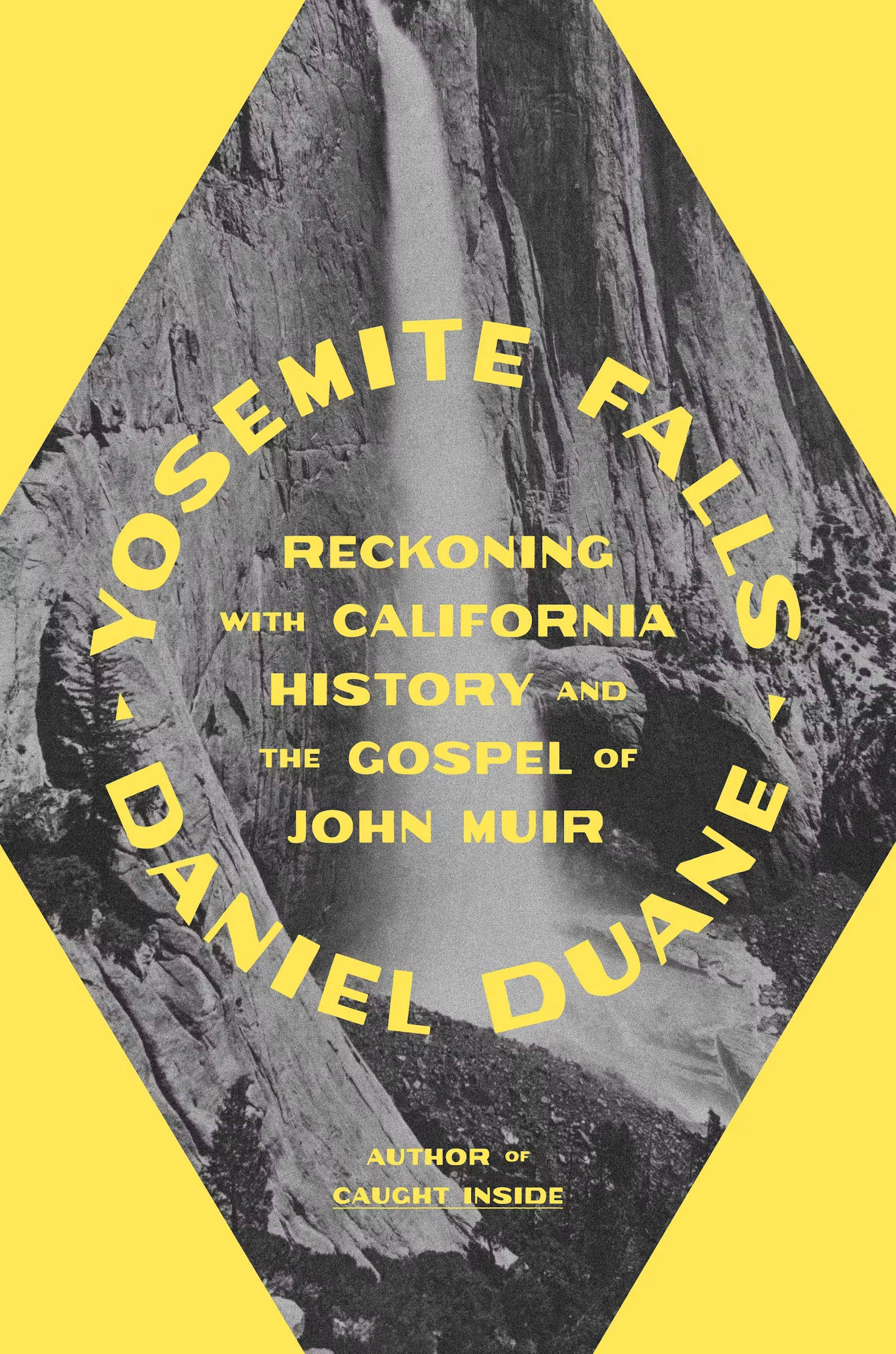
The complexities of American conservation history take center stage in Yosemite Falls by Daniel Duane, published by North Point Press in 2026. Recognized by critics as a career-defining work for Duane—whose previous credits include the seminal surf memoir Caught Inside—the book operates simultaneously as a personal memoir and a critical historical analysis.
Duane details a childhood spent immersed in the Sierra Nevada, tracking the traditional backpacking and climbing ethos established by environmental pioneer John Muir under the heavy influence of his father. However, the narrative deliberately complicates this idyllic upbringing by confronting the darker historical realities of the region, including the dispossession and forced displacement of Indigenous populations, the systematic erasure of Native histories, and a critical reassessment of the founding figures of the American conservation movement.
Rather than dismissing the landscape or abandoning his personal connection to it, Duane maintains a dual perspective. He continues to climb the granite walls of the Sierra and shares the landscape with his daughters, all while actively dismantling the uncritical mythologies of the past. Literary critics have commended the book for its avoidance of tidy resolutions, noting its sharp, self-implicating prose.
An Arctic Elegy: The Last Quarter of the Moon
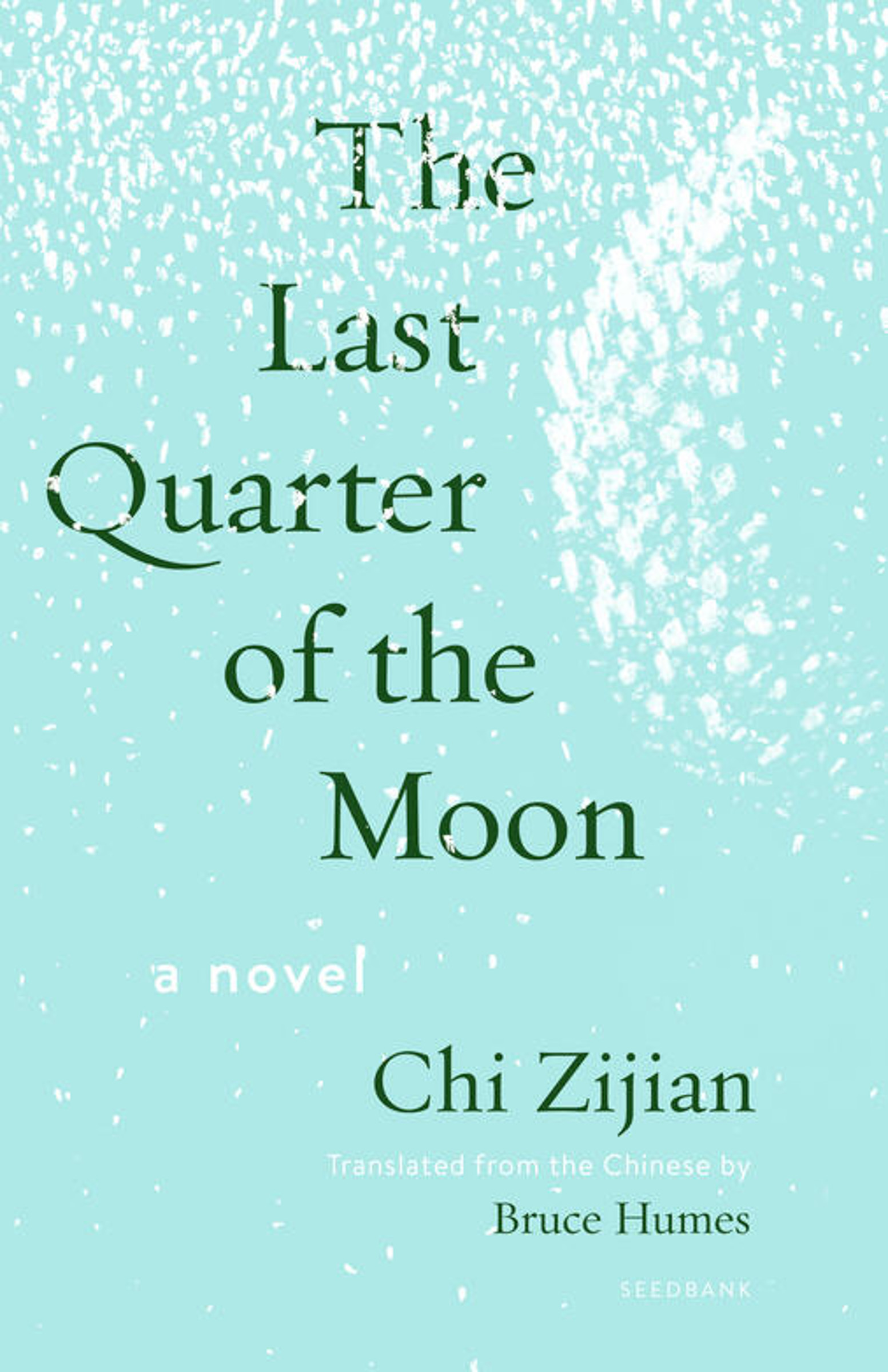
Translating oral traditions and vanishing lifeways into contemporary literature, Chi Zijian’s The Last Quarter of the Moon, published by Milkweed Editions in 2026, offers a century-spanning elegy for the Evenki reindeer-herding people of northern China.
Translated gracefully by Bruce Humes, the novel is structured around a single day in the life of a 90-year-old Evenki woman—the widow of the clan’s final chieftain. As younger generations board government-funded settlement trucks to transition into modern municipal housing, the protagonist chooses to remain behind in the taiga. Through her reflections, a hundred years of communal history unfold beneath the silent observation of the final-quarter moon.
The narrative preserves cultural specificity without relying on explanatory glossaries, introducing readers organically to traditional concepts such as the soul (umai) and regional terminology (urireng, shirangju). Literary reviewers have highlighted the unflinching delivery of tragedy within the text, arguing that the stark, matter-of-fact recounting of death and displacement mirrors the pragmatic endurance of elderly matriarchs in isolated indigenous societies.
Historical Survival and Gendered Confinement in Isola
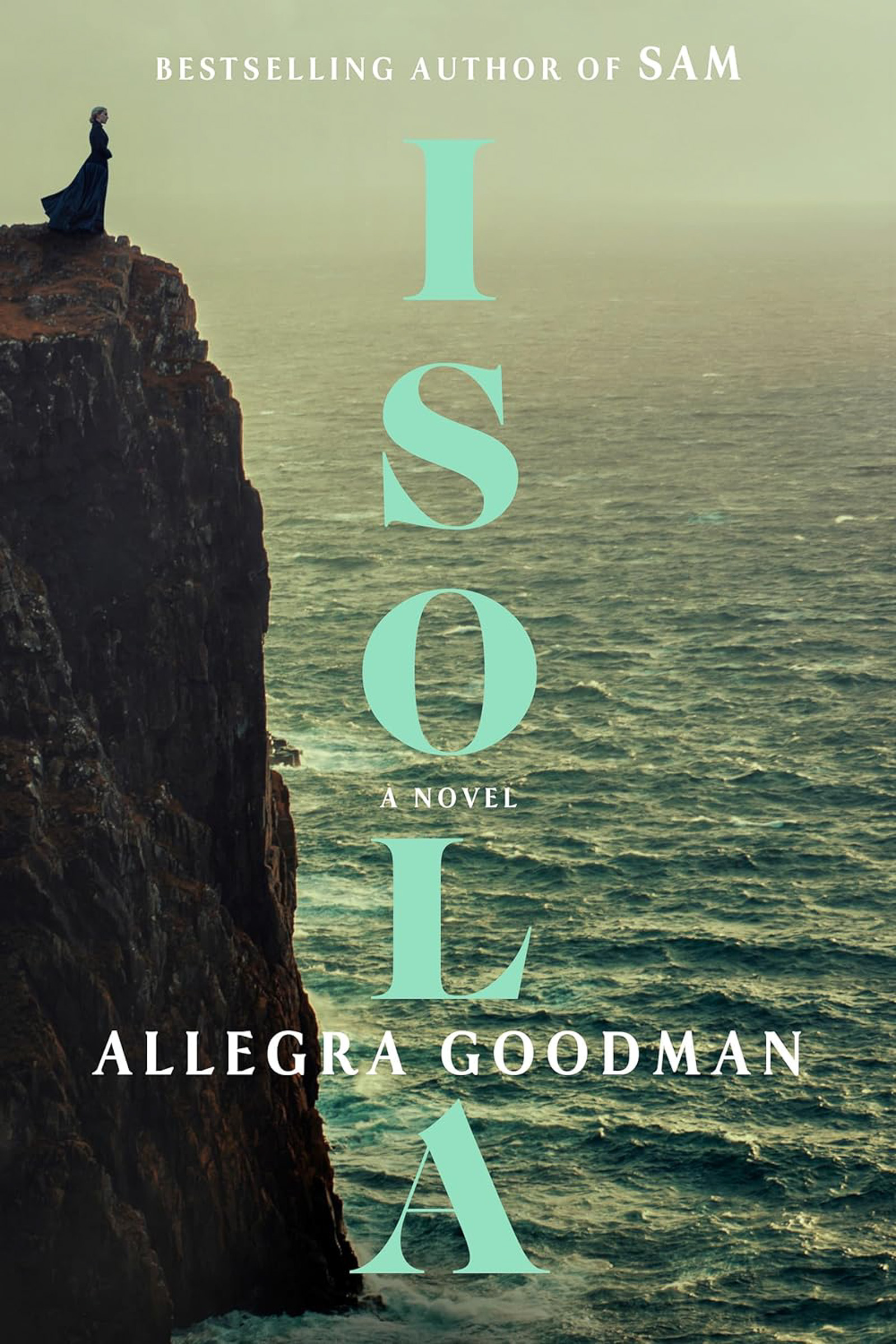
Dating slightly earlier in publication timelines, Allegra Goodman’s 2025 novel Isola, published by Dial Press, transports readers to the early 16th century, delivering a narrative of survival that begins as a court intrigue and evolves into a harrowing adventure yarn.
The plot follows Marguerite de la Rocque de Roberval, an orphaned French noblewoman whose life is dictated by her cousin and protector. Seeking to seize her inheritance and force a marriage, the cousin conscripts her onto a colonization vessel bound for the Americas. Following a forbidden romance with a shipmate, Marguerite, her lover, and her maid are abandoned by the ruthless cousin on an isolated island in the Gulf of Saint Lawrence.
The narrative tracks their endurance through brutal sub-zero winters, culminating in physical confrontations with polar bears. While initially read as a swashbuckling historical adventure, literary analysts emphasize that Isola functions primarily as a biting critique of early modern class structures and the severe legal and social constraints placed on women during the colonial era. Remarkably, the extraordinary plot is rooted in historical fact, bringing a forgotten chapter of maritime history to modern audiences.
Arboreal Metaphors in Robert Moor’s In Trees
Concluding the Adventure Journal selection is Robert Moor’s In Trees, published by Simon & Schuster in 2026. Following his critically acclaimed debut On Trails, Moor turns his analytical lens toward botany, proposing "treethinking"—a conceptual framework defined by slow, branching, and multigenerational perspectives—as an antidote to modern urgency.
Moor’s research is characterized by physical immersion. The author scaled sequoias alongside famed broadcaster David Attenborough, studied historic bonsai cultivation techniques in Kimura’s Japanese gardens, nested among chimpanzees in Tanzania, and investigated archival records of his own family’s slaveholding history in Alabama.
Structuring the book around the concept of arborescence, Moor applies arboreal metaphors to complex subjects including human neurology, evolutionary biology, racial history, and the mechanics of grief. While some critics note that the metaphor occasionally strains under the weight of its universal applications, the sheer ambition and intellectual range of the text have established it as a significant contribution to contemporary nature writing.
Broader Implications and Print Industry Context
The inclusion of these six titles in Adventure Journal Volume 42 reflects a broader publishing trend toward multidisciplinary environmental literature. Industry observers note an increasing consumer appetite for books that bridge hard empirical data—such as carbon accounting and biodiversity metrics—with narrative journalism, memoir, and Indigenous perspectives.
Published by the independently owned Adventure Journal, which has maintained publication for 11 years across 42 issues, the quarterly continues its commitment to tactile media. Printed on 70-pound uncoated paper with a soft-touch cover utilizing solar-powered production methods, the magazine reinforces the thematic emphasis on sustainability found within its literary reviews.