Beyond the Headlines: A Comprehensive Analysis of the Evolving Tourism Landscape in Syria

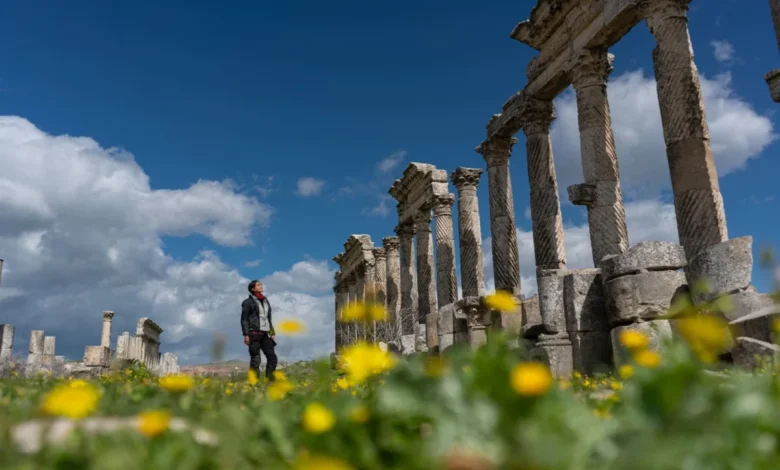
The contemporary landscape of Syrian tourism represents a complex intersection of ancient cultural heritage, severe economic distress, and the persistent, fragmented realities of a nation navigating the aftermath of a decade-long conflict. While international media coverage predominantly focuses on the geopolitical tensions and security risks inherent in the region, a quiet, nascent movement toward the re-establishment of a tourism sector is currently underway. This transformation is driven by a combination of local initiatives, a desire for economic stabilization, and the curiosity of travelers seeking to engage with one of the world’s oldest civilizations.
A Chronology of Conflict and Cultural Preservation
To understand the current state of tourism in Syria, one must first recognize the dramatic shift that occurred in 2011. Prior to the civil war, Syria was an emerging hub for cultural tourism, drawing millions of international visitors annually and contributing significantly to the national GDP. The conflict that erupted in 2011 fundamentally altered this trajectory, leading to the destruction of critical infrastructure, the displacement of millions, and the preservation of heritage sites becoming a matter of global concern.
The period between 2011 and 2018 marked the most intense phase of kinetic warfare, which severely restricted mobility and international access. Following the consolidation of control over major urban centers by the Syrian government and its allies, the conversation shifted toward reconstruction and normalization. By 2019, small-scale tourism began to reappear, though it remained restricted by stringent visa requirements and the necessity of state-sanctioned security protocols. The recent years have seen a slow, deliberate attempt by private tour operators and local tourism boards to signal that the primary historical corridors—Damascus, Aleppo, and the coastal regions—are accessible to foreign nationals under specific, controlled conditions.
The Logistics of Contemporary Travel
Travel to Syria today is not a standard experience. It operates under a highly regulated framework designed to ensure the safety of foreign nationals while managing the state’s security concerns. The primary requirement for any foreign visitor is the procurement of a visa, which, for most Western travelers, necessitates the engagement of a government-approved tour operator. These companies act as intermediaries, handling the complex administrative requirements and ensuring that travelers adhere to the designated itineraries.
This structure is, in part, a response to the reality that the country’s infrastructure remains uneven. While Damascus maintains a semblance of pre-war normalcy, with its traditional guesthouses and historic souqs operational, other regions remain in a state of flux. The use of professional guides is not merely a bureaucratic hurdle; it is a practical necessity for navigating areas where military checkpoints are frequent and where local knowledge is essential for assessing localized safety conditions.
Economic and Geopolitical Realities
The economic context of Syria cannot be divorced from its tourism potential. The country is currently experiencing a profound economic crisis, exacerbated by international sanctions, the depreciation of the Syrian pound, and the destruction of industrial hubs. Tourism, therefore, is viewed by local entrepreneurs as a vital, albeit minor, source of foreign currency and a means of fostering international engagement.
The geopolitical landscape remains the most significant variable. The presence of various external military actors, coupled with the persistent influence of proxy dynamics, means that the security environment can shift with little notice. However, analysis of current travel patterns indicates that most tourist-frequented areas, such as the Umayyad Mosque in Damascus or the ancient ruins of Palmyra, are generally insulated from the active combat zones that characterize the border regions or areas with high military density.
International organizations have historically expressed concern regarding travel to high-risk zones, citing the lack of consular support for citizens of many Western nations. Travelers are advised to consult their respective foreign ministries, as the absence of diplomatic presence in Damascus means that in the event of a security incident or medical emergency, assistance options are extremely limited.
The Ethical Dimension of Dark Tourism
The resurgence of interest in Syria has sparked a broader debate regarding "dark tourism"—the act of traveling to sites associated with death, suffering, or disaster. There is a distinct, observable difference between travelers seeking to understand the historical depth of the region and those who treat the remnants of war as a backdrop for social media content.
Cultural heritage experts and local guides emphasize the importance of responsible tourism. The objective, they argue, should be to engage with the living history of the Syrian people rather than focusing exclusively on the rubble of conflict. The resilience of the population, the preservation of traditional crafts, and the survival of the culinary arts are the primary draws for the ethically minded traveler. When managed correctly, tourism serves as a bridge for cultural exchange; when managed poorly, it risks reducing a complex humanitarian crisis to a sensationalized travelogue.
Statistical Context and Future Outlook
While precise, current-year tourism data for Syria remains difficult to aggregate due to the lack of transparent reporting from centralized authorities, regional estimates suggest a modest increase in "niche" tourism. These visitors are typically composed of historians, archaeologists, and independent travelers interested in the Middle East’s deep history.
The sustainability of this sector remains tied to two factors: internal security stability and the easing of international travel warnings. Should the current status quo of relative calm in major cities persist, it is anticipated that the tourism industry will continue to expand its capacity. New boutique hotels in restored Ottoman-era houses are already serving as proof-of-concept for a potential, though fragile, revival of the hospitality sector.
A Call for Informed Engagement
The decision to travel to Syria is an individual one, laden with moral and personal risk. It requires a high level of preparedness and a willingness to operate within a system that is far removed from standard global tourism norms. The potential benefits—witnessing the unparalleled history of the Levant and supporting local communities that are struggling to rebuild their lives—must be weighed against the sobering reality of the country’s current political climate.
For those who choose to proceed, the consensus among experienced travelers is to prioritize engagement with local experts, maintain a low profile, and exercise a high degree of cultural sensitivity. The Syrian people, largely hospitable and eager to reconnect with the outside world, provide the most authentic perspective on the country’s state of affairs.
As the global community observes the slow trajectory of Syria’s recovery, the role of the foreign visitor remains a subject of scrutiny. The ultimate impact of tourism in such a volatile environment is yet to be fully determined, but it is clear that the interaction between the visitor and the host nation has the potential to either foster greater understanding or exacerbate existing biases. For the time being, Syria remains an outlier in the global travel map—a destination that is open, yet fraught with the heavy, lingering presence of a history that is still being written.
Related posts: