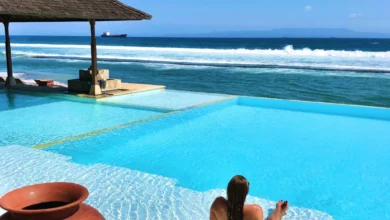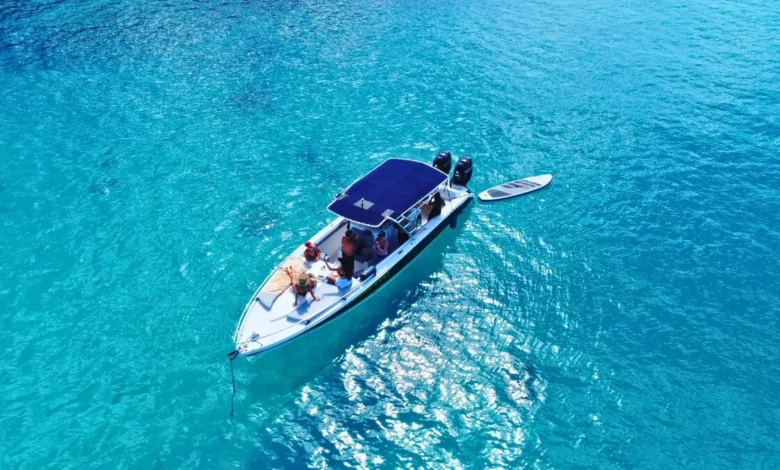
The Caribbean archipelago surrounding St. Martin offers a unique maritime landscape where three distinct jurisdictions—St. Martin (France), Sint Maarten (Netherlands), and the nearby islands of Anguilla and St. Barts—converge within a relatively small nautical radius. For travelers, this geography presents an opportunity to access some of the most pristine marine environments in the Atlantic. However, the logistical complexity of cross-border travel, coupled with varying sea conditions, necessitates a structured approach to private charter selection. A private boat charter is fundamentally different from a commercial excursion; it functions as a bespoke service where the itinerary, pace, and vessel are customized to the specific requirements of the passengers.
The Geography of the Leeward Islands
The proximity of these islands often leads to a misconception that they are interchangeable. While St. Martin, Anguilla, and St. Barts are geographically clustered, they each represent distinct cultural and maritime profiles. St. Martin serves as the primary hub for the charter industry, featuring a diverse coastline that includes protected marine reserves such as the Man of War Shoal Marine Park. To the north lies Anguilla, a British Overseas Territory renowned for its low-lying limestone topography and expansive, shallow-water beach systems. To the southeast, St. Barts offers a mountainous, volcanic landscape with high-end amenities and the historic port town of Gustavia.
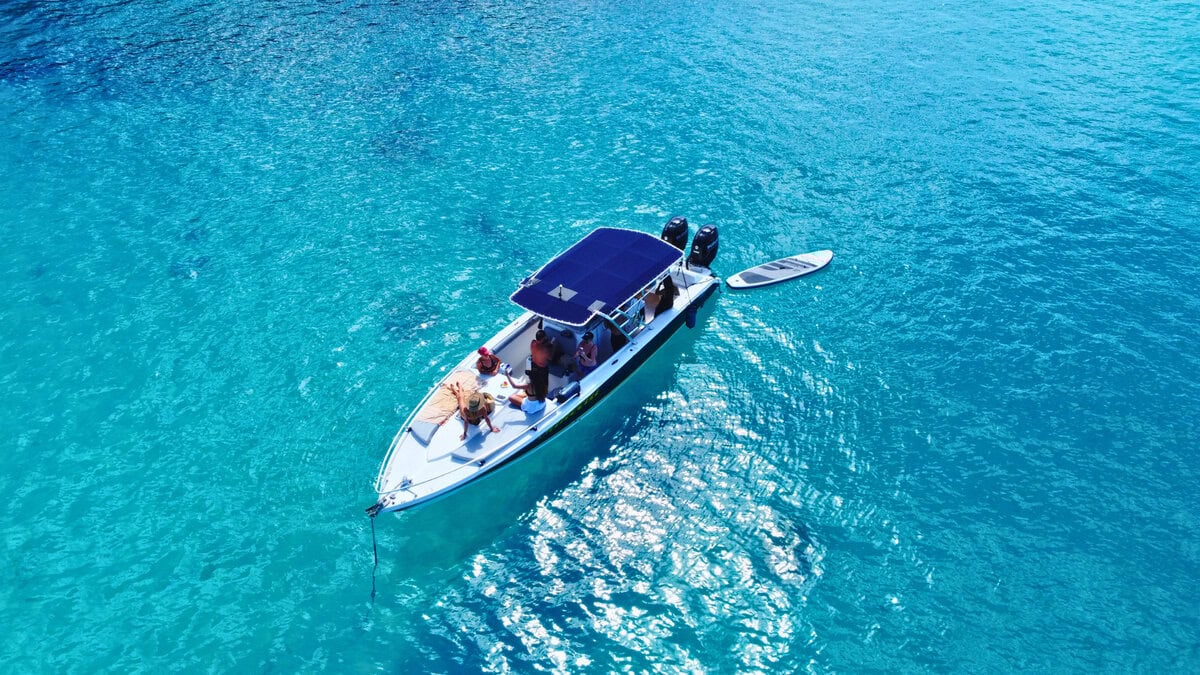
Understanding these distinctions is essential for planning. For instance, the transit time to Anguilla from the Dutch side of St. Maarten is approximately 30 to 45 minutes, depending on the vessel’s speed and sea state. A voyage to St. Barts, which involves crossing the more exposed waters of the St. Barts Channel, can take upwards of an hour and requires more rigorous adherence to international customs protocols.
Chronology of a Standard Charter Day
A typical private charter experience follows a set operational flow, starting with a pre-departure briefing at one of the region’s major marinas, such as those in Simpson Bay, Marigot, or Anse Marcel.
- 08:30 – 09:30 AM: Guest arrival at the designated marina. The captain performs a mandatory safety briefing and reviews the day’s proposed route based on the morning’s weather forecast.
- 10:00 AM: Departure from the harbor. This initial phase involves navigating the coastal waters of St. Martin, often featuring a stop at Creole Rock for snorkeling.
- 12:30 – 14:00 PM: Midday transition. This is typically reserved for lunch, either at a pre-arranged beach restaurant or via an onboard catering service.
- 14:00 – 16:00 PM: Afternoon exploration. Depending on the selected route, the vessel may anchor in a secluded bay in Anguilla or proceed to a mooring in St. Barts.
- 17:00 PM: Return to the point of origin, followed by customs clearance for international itineraries.
Comparative Analysis of Regional Destinations
Data from local maritime authorities indicates that the vast majority of day-charter traffic is concentrated in the waters immediately surrounding the island of St. Martin. However, the choice of destination dictates the nature of the experience.
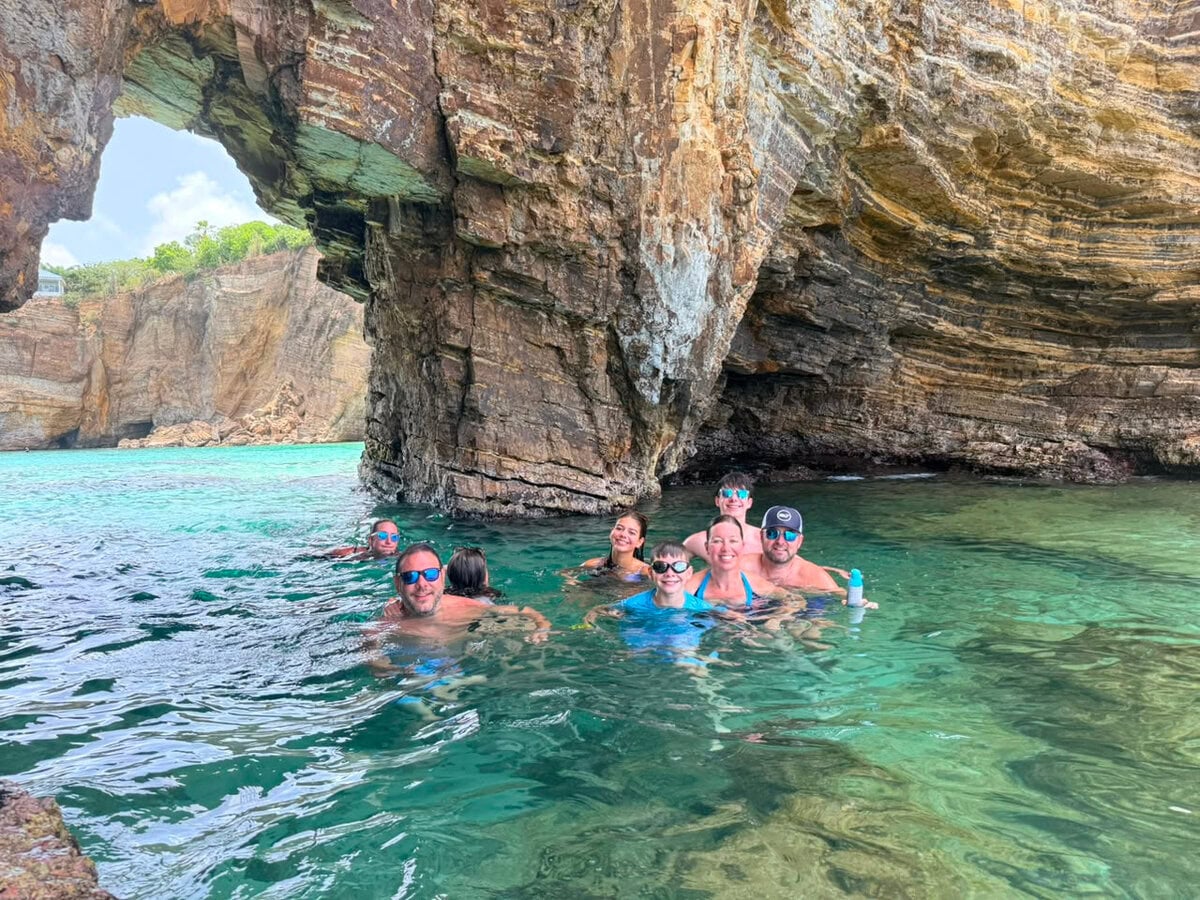
- St. Martin Coastal Charters: These are favored by families and first-time visitors. The primary advantage is the reduced transit time and the ability to visit multiple sheltered locations like Tintamarre Island and Pinel Island. These areas are designated as part of the French Natural Reserve of Saint Martin, which protects the biodiversity of the local coral reefs.
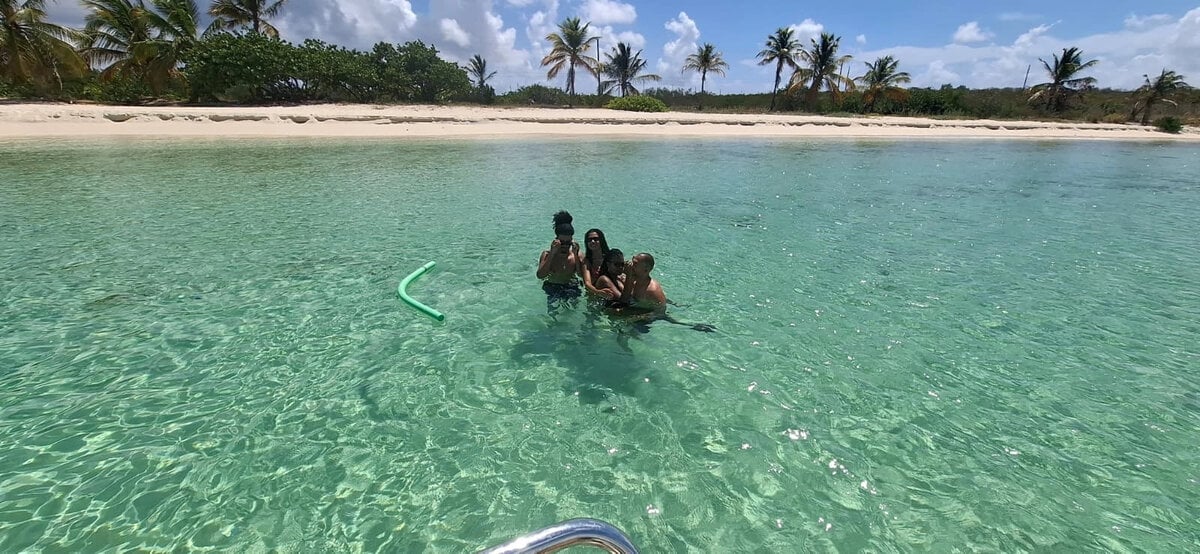
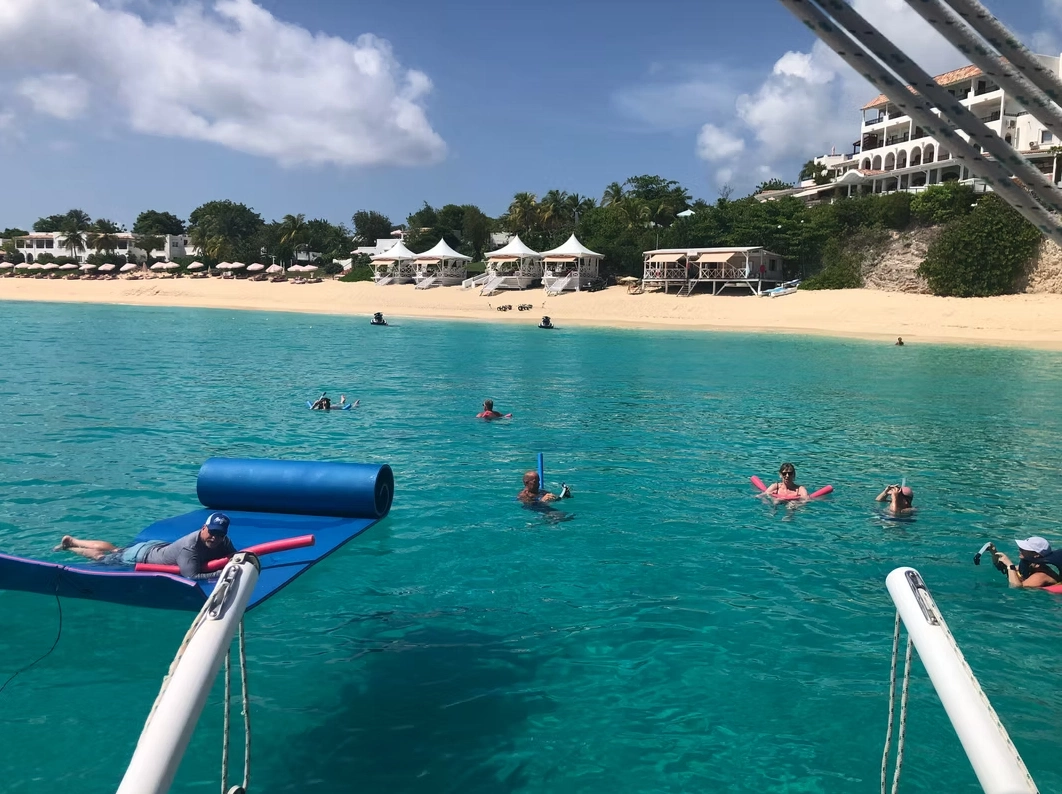
- Anguilla Expeditions: These trips are defined by high-clarity water and expansive sandbanks. Locations such as Little Bay and Sandy Island provide a low-energy, stationary environment. Because Anguilla is a separate country, these charters require all passengers to provide valid passport documentation for immigration clearance.
- St. Barts Voyages: This route appeals to those seeking a mix of maritime activity and urban exploration. The approach into Gustavia harbor is a significant highlight, offering views of the island’s steep terrain and architectural heritage. This itinerary is often categorized as a "high-intensity" day due to the longer transit times and the potential for increased swell in the channel.
The Role of Meteorological Conditions
The Caribbean climate, while generally favorable, is subject to the Atlantic trade winds. Maritime operators prioritize safety above the guest’s initial itinerary. A common point of friction occurs when wind speeds exceed 20 knots, creating a significant swell that makes transit to Anguilla or St. Barts uncomfortable or unsafe.
Professional captains utilize a range of tools, including satellite imagery and real-time wave-height modeling, to adjust routes. A common, though often overlooked, industry standard is the "flexible itinerary." Experienced operators advise against attempting to "checklist" multiple islands in a single day. The environmental impact of high-speed travel, combined with the fatigue associated with sun exposure and salt-water activities, suggests that a two-stop itinerary is often more satisfying than a four-stop, high-speed circuit.
Operational Requirements and Consumer Protection
When booking a private charter, consumers should evaluate the quote not just on price, but on the comprehensiveness of the service. A professional operator will include:
- Licensing and Insurance: Verification that the vessel is commercially registered and carries appropriate liability coverage.
- Customs Handling: For trips to Anguilla or St. Barts, the operator should manage the digital or physical clearance process, saving guests hours of potential paperwork.
- Vessel Selection: The size of the boat should be proportional to the group size. A 30-foot monohull may suffice for a couple, but a group of eight or more typically requires a catamaran to ensure stability and sufficient deck space.
Economic and Environmental Impact
The private charter industry represents a significant portion of the tourism economy in St. Martin. By directing traffic toward sustainable snorkeling sites and utilizing licensed mooring buoys, operators are increasingly focusing on the preservation of the marine environment. Recent initiatives by the local government have aimed to regulate the number of vessels in protected zones, such as the Pinel Island lagoon, to prevent reef degradation.
For travelers, the broader implication is that the quality of the day is inextricably linked to the expertise of the crew. A captain’s local knowledge—knowing when the currents are favorable at Tintamarre or which bay in St. Barts will be shielded from the wind—is the most valuable asset in the charter experience.
Practical Planning Considerations
For those planning a charter, the following data points are critical for a successful excursion:
- Sun Exposure: The reflection of UV radiation off the water is significant. Even on overcast days, the risk of sunburn is high. Passengers are advised to carry high-SPF, reef-safe sunscreen.
- Communication: While cell service is available near the coast, it is often intermittent in the channels between islands. Guests should ensure their mobile devices are protected in waterproof housings.
- Financial Preparation: While most charter fees are paid in advance, ancillary costs—such as customs fees for St. Barts or Anguilla, and gratuities for the crew—are typically handled on the day of the trip. Cash, specifically in US Dollars, remains the most universally accepted currency for these transactions.
Ultimately, the shift from a passive passenger to an informed planner is what separates a routine day on the water from a memorable experience. By focusing on the specific capabilities of the boat and the nature of the destination, visitors can align their personal expectations with the realities of the Caribbean environment, ensuring a safe and rewarding day at sea.