The Hidden Cost of Tourism: Animal Exploitation and the Growing Call for Ethical Travel

Animal exploitation within the global tourism industry remains a persistent and systemic challenge, forcing a critical reevaluation of how travelers interact with wildlife and working animals. From elephant riding excursions in Thailand and sea turtle handling in the Cayman Islands to "lion walking" experiences in South Africa, practices once marketed as bucket-list adventures have increasingly drawn intense scrutiny from animal welfare advocates, conservationists, and conscious travelers alike. While tourists are naturally drawn to iconic landmarks and immersive cultural experiences, the infrastructure supporting these attractions frequently operates at a devastating cost to wildlife, working equines, and local communities behind the polished facade of curated travel campaigns.
The Awakening of the Conscious Traveler: A Case Study
The friction between romanticized travel and grim reality is exemplified by the experience of Michiko, a traveler who spent years planning a comprehensive itinerary to Egypt and Jordan. Drawn by the allure of ancient civilizations and globally recognized UNESCO World Heritage sites, Michiko viewed the journey as a milestone. However, preliminary research into the treatment of working animals at these historic destinations prompted a profound ethical dilemma, ultimately resulting in the cancellation of the trip.
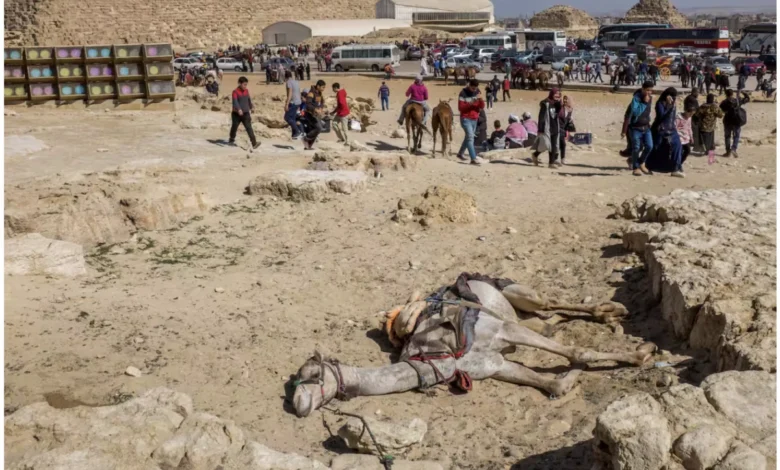
Upon diving deeper into traveler forums, independent investigative reports, and activist documentation, Michiko encountered a starkly different narrative shadowing the ancient monuments. Accounts detailed working horses and camels with mutilated, bleeding noses, and animals suffering from severe emaciation under the harsh desert sun, with ribs protruding sharply through their skin. Further evidence highlighted instances of severe physical abuse and exotic creatures confined in dark, cramped enclosures for decades. Most disturbing were reports regarding the informal "animal graveyards" situated near the Giza Pyramids, where exhausted working beasts, deemed no longer economically useful, are allegedly abandoned to perish in the desert heat.
Reflecting on these findings, Michiko criticized the normalization of such practices under the guise of local tradition or economic hardship. "Hardship is never an excuse for abuse," Michiko noted in correspondence detailing the decision. "Cruelty is not a symptom of poverty, just as kindness is not a luxury reserved for the rich. One can be wealthy and cruel, or struggling and compassionate. Kindness and compassion are choices we make, regardless of our circumstances." Refusing to contribute financial support to an industry reliant on animal mistreatment, Michiko took formal action by writing directly to the Egyptian Ministry of Tourism and Antiquities and the Egypt Tourism Promotion Authority to formally lodge concerns.
A Growing Digital Paper Trail and Firsthand Accounts
Michiko is far from an isolated voice. Over the past decade, open forums and social media platforms have accumulated a vast digital archive of tourist testimonies, investigative journalism, and documentary evidence detailing the plight of working animals in prominent tourist hubs. Platforms such as TripAdvisor feature numerous reviews from distressed visitors detailing the physical condition of horses, donkeys, and camels operating around the Pyramids of Giza, Luxor, and Aswan.
Investigative pieces by mainstream media outlets, including the Australian Broadcasting Corporation (ABC) and the United Kingdom’s Daily Mail, alongside investigations by organizations like People for the Ethical Treatment of Animals (PETA), have repeatedly brought international attention to Cairo’s working animal abuse. Similar concerns have been documented regarding captive wildlife, such as crocodiles kept in substandard conditions at tourist stops along the Nile River. These cumulative reports suggest that mistreatment is not an isolated anomaly, but a widespread systemic issue embedded within regional tourism operations.
Chronology of Regulatory Responses and Institutional Pressures
The intersection of mass tourism, heritage preservation, and animal welfare has increasingly placed pressure on international bodies and local governments to institute reforms.
- Pre-2020: International animal welfare groups, including the Society for the Protection of Animal Rights in Egypt (SPARE) and international NGOs, ramped up documentation of working animal abuse at major archaeological sites, petitioning UNESCO and national tourism boards to intervene.
- 2020–2024: Social media scrutiny intensified as user-generated video content exposed instances of physical violence against horses and camels near Egyptian monuments, leading to temporary public relations crises for national tourism marketing campaigns.
- April 2026: In a notable regulatory shift, Egypt’s Chamber of Tourism Establishments and Restaurants issued an official directive explicitly banning the use of both domestic and wild animals in artistic and entertainment performances across hotel and tourism facilities.
While the April 2026 directive marks a tangible policy advancement, advocacy groups emphasize that the ruling primarily targets indoor entertainment and hotel performances, leaving the vast population of working equines and camels hauling tourists around open-air archaeological sites largely unprotected.

The Paradox of UNESCO Heritage Status
The ongoing crisis involving working animals at world-renowned historical sites raises complex questions regarding the responsibilities of international preservation organizations. UNESCO World Heritage sites are designated based on their outstanding universal value to humanity, encompassing cultural and natural significance. However, current evaluation criteria and oversight mechanisms do not systematically incorporate comprehensive animal welfare standards into the maintenance or auditing of heritage sites.
Critics argue that the continuation of severe animal abuse in the immediate vicinity of protected monuments damages the cultural integrity and ethical standing of these global treasures. The dichotomy between protecting ancient stone structures and tolerating the daily suffering of sentient living beings operating within the exact same perimeter has become a central point of contention for ethical tourism advocates.
Economic Rationalizations Versus Universal Ethics
A central argument frequently deployed by local operators and tourism defenders in economically developing regions is that the reliance on working animals is an economic necessity dictated by poverty and generational tradition. Proponents of this view suggest that stringent international animal welfare standards fail to account for the financial precariousness of handlers who depend on daily tourist fees for survival.
Conversely, welfare advocates and ethics scholars argue that poverty does not negate moral responsibility. While systemic economic support, veterinary infrastructure, and humane transition programs are widely acknowledged as necessary components of long-term reform, advocates maintain that financial hardship does not justify physical mutilation, starvation, or abandonment. The emerging consensus within the ethical travel movement posits that sustainable tourism development must simultaneously uplift local human populations and protect the welfare of animals integral to the local economy.
Actionable Strategies for Responsible Travelers
As awareness spreads, industry experts and non-profit organizations emphasize that individual traveler choices hold collective economic and social power. Mitigating harm requires a proactive approach to trip planning and consumer behavior:
- Conduct Rigorous Pre-Trip Research: Travelers are encouraged to vet local tour operators, checking independent reviews and consulting specialized ethical travel resources to identify operators that prioritize animal welfare.
- Avoid Exploitative Excursions: Conscious tourists actively boycott activities involving captive wildlife interactions, animal performances, and rides utilizing working equines or camels in regions lacking enforceable welfare standards.
- Utilize Advocacy Resources: Organizations such as PETA and SPARE provide standardized letter templates, petitions, and reporting tools, enabling travelers to formally voice concerns directly to destination management organizations and embassies.
- Support Alternative Travel Models: Choosing destinations and operators that integrate conservation, community-based tourism, and transparent animal care standards helps redirect global tourism spending toward positive developmental models.
Broader Industry Implications and the Rise of Ethical Destinations
The conscious decision made by travelers to cancel itineraries, alter spending habits, and petition government ministries signals a broader structural shift within the global tourism market. Destinations that fail to address animal welfare and human rights concerns increasingly risk reputational damage and revenue loss among a growing demographic of ethically minded consumers.
In response to these shifting priorities, frameworks like Ethical Traveler’s annual assessment of developing nations highlight regions actively demonstrating a commitment to human rights, social welfare, and environmental protection. By evaluating approximately 150 nations annually, these initiatives reward progressive governance and encourage peer nations to adopt sustainable practices.
Ultimately, the debate surrounding animal exploitation in tourism underscores a fundamental redefinition of the traveler’s role. Moving beyond passive consumption, modern tourism is increasingly viewed as an active engagement with global ethics—where every itinerary chosen, and every dollar spent, contributes directly to either the perpetuation of harm or the advancement of humane standards worldwide.