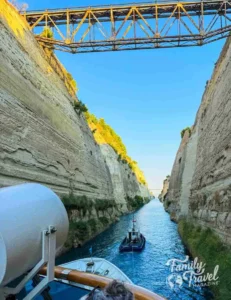
The modern cruise industry has evolved far beyond the standardized floating resorts of past decades, offering travelers two distinct methodologies for navigating the world’s oceans: the large-scale traditional cruise and the highly specialized expedition voyage. This divergence in maritime tourism has forced families and leisure travelers to weigh the merits of sprawling onboard amenities against destination-focused immersion. While traditional cruise lines continue to dominate the market share with mega-ships capable of accommodating thousands of passengers and offering floating amusement park attractions, expedition cruising has carved out a distinct niche. Focused on education, remote access, and intimate environments, expedition sailings cater to a demographic increasingly seeking authentic cultural and environmental engagement over passive entertainment.
A Comparative Overview of Modern Cruising Sectors
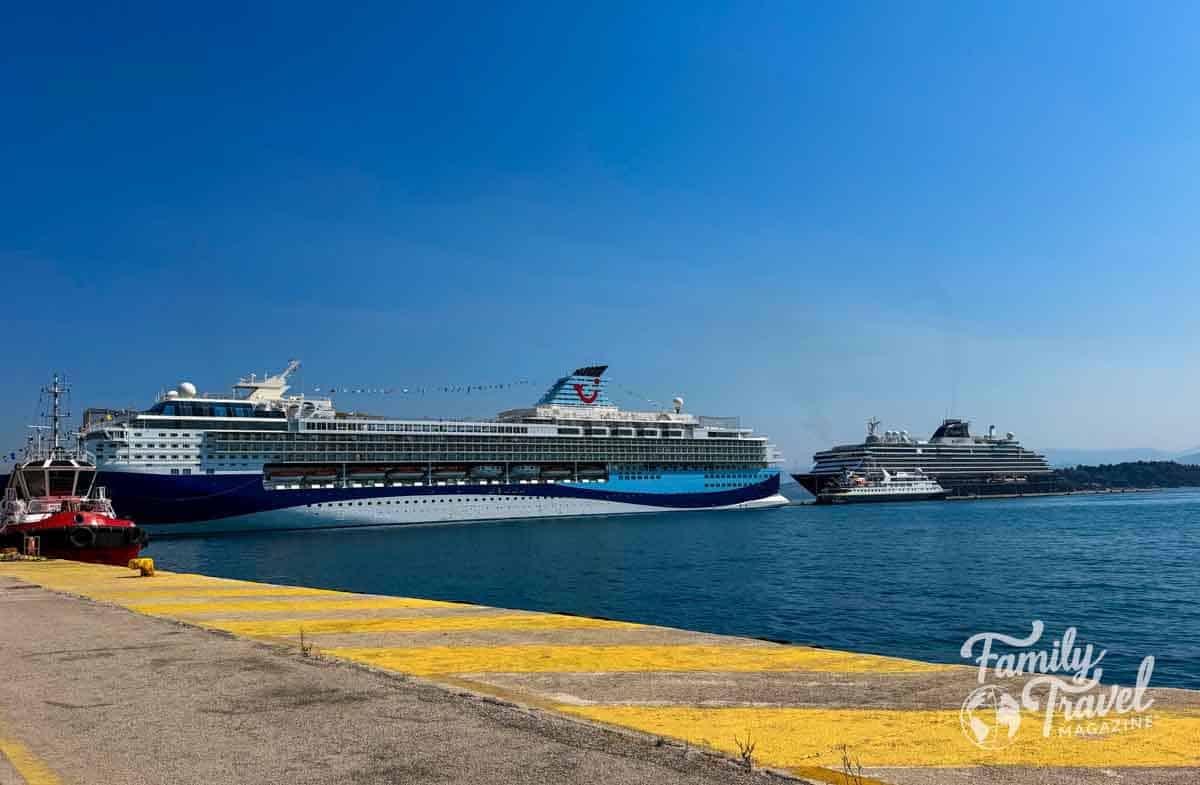
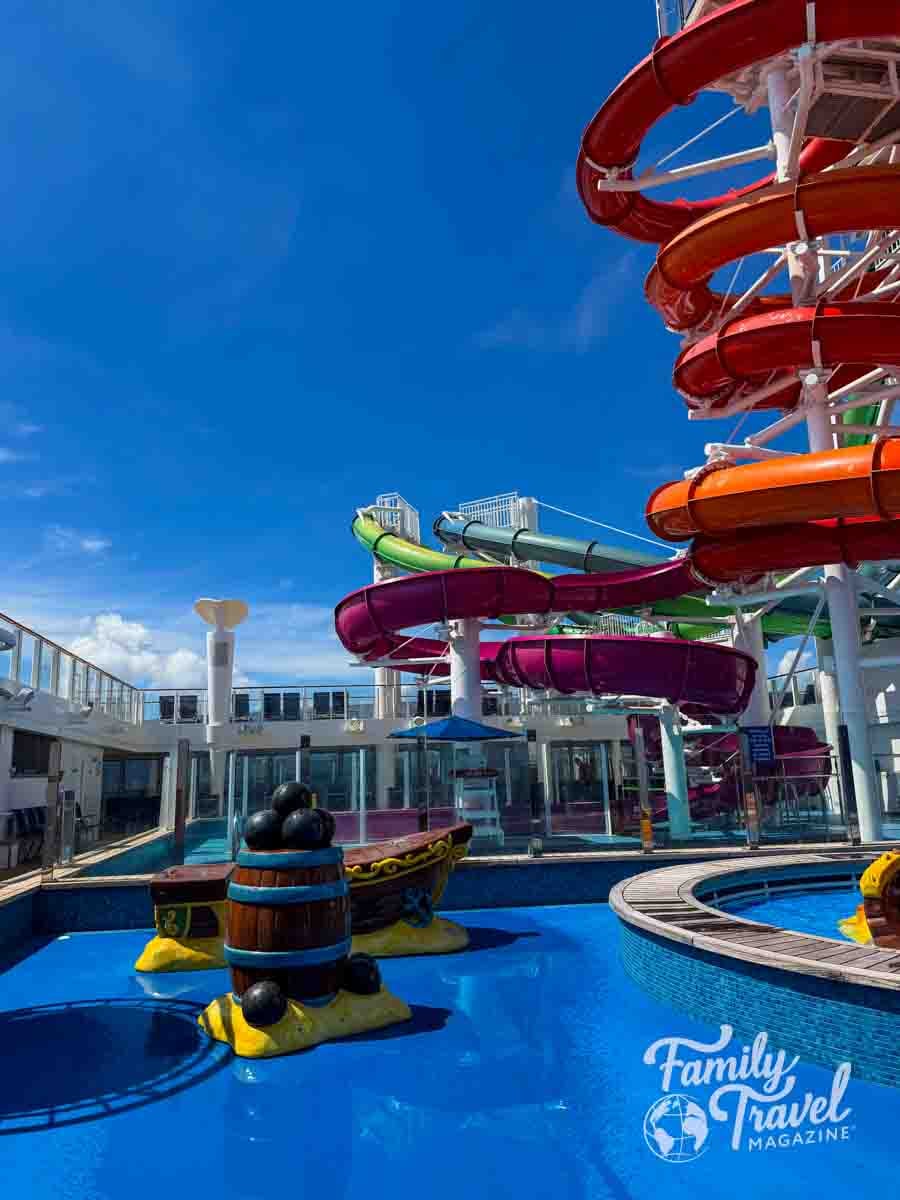
To understand the operational and experiential differences between these two vacation models, industry analysts frequently look at scale, programming, and financial structuring. Traditional cruise ships—operated by mainstream lines such as Royal Caribbean, Carnival, and Norwegian—often function as floating cities. These vessels frequently exceed 1,000 feet in length and carry anywhere from 3,000 to over 6,000 passengers. Their primary objective is multifaceted: providing a self-contained resort experience complete with Broadway-style production shows, water parks, multi-tier sports complexes, numerous specialty restaurants, and structured youth programs.
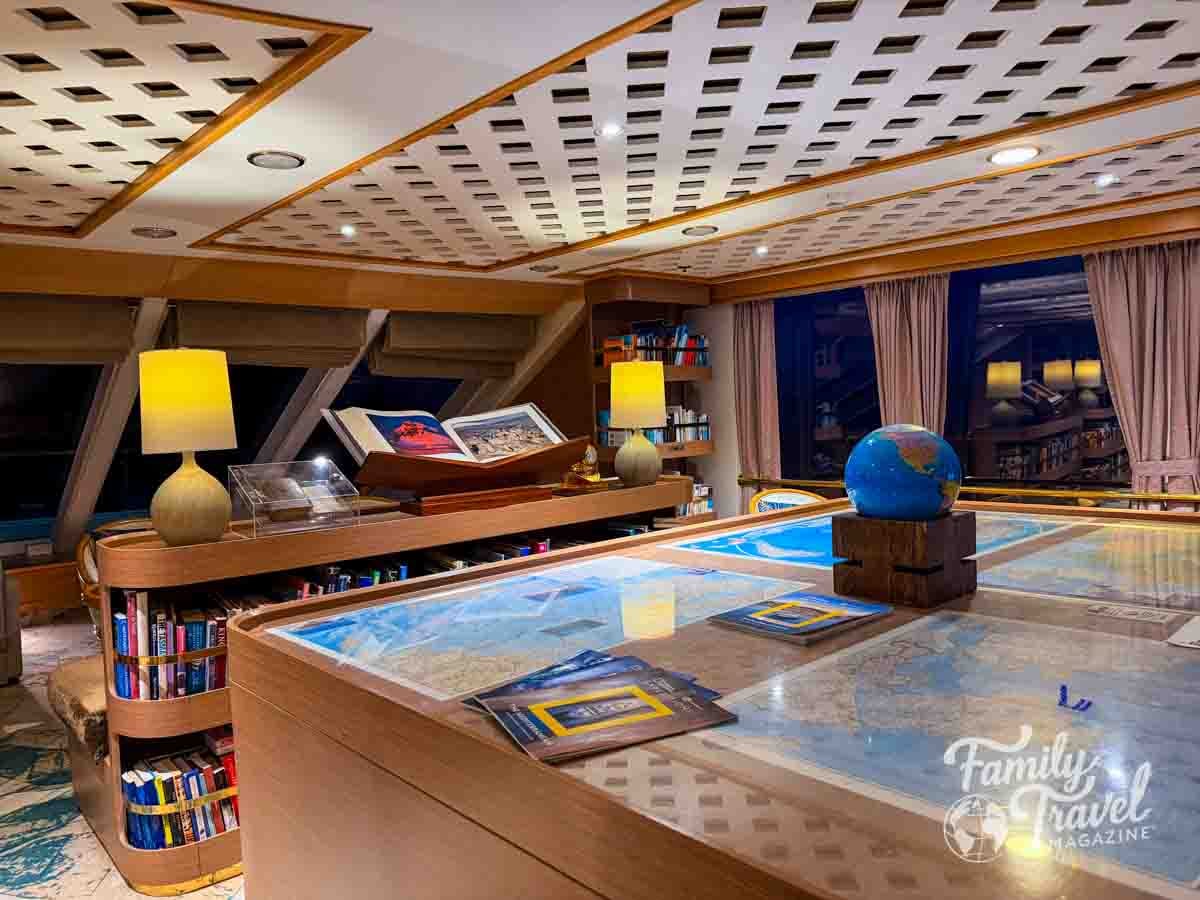
Conversely, expedition vessels operate on a dramatically smaller scale. Ships such as the National Geographic Orion, operated by Lindblad Expeditions, typically accommodate roughly 100 to 200 guests. This intimate sizing is not merely an aesthetic choice; it is a logistical necessity designed to allow navigation through narrow waterways, shallow archipelagos, and remote ports that are entirely inaccessible to mega-ships. The operational ethos of an expedition cruise prioritizes destination access, wildlife observation, and historical education over onboard recreation.
Chronology of a Voyage: A Typical Day at Sea and in Port
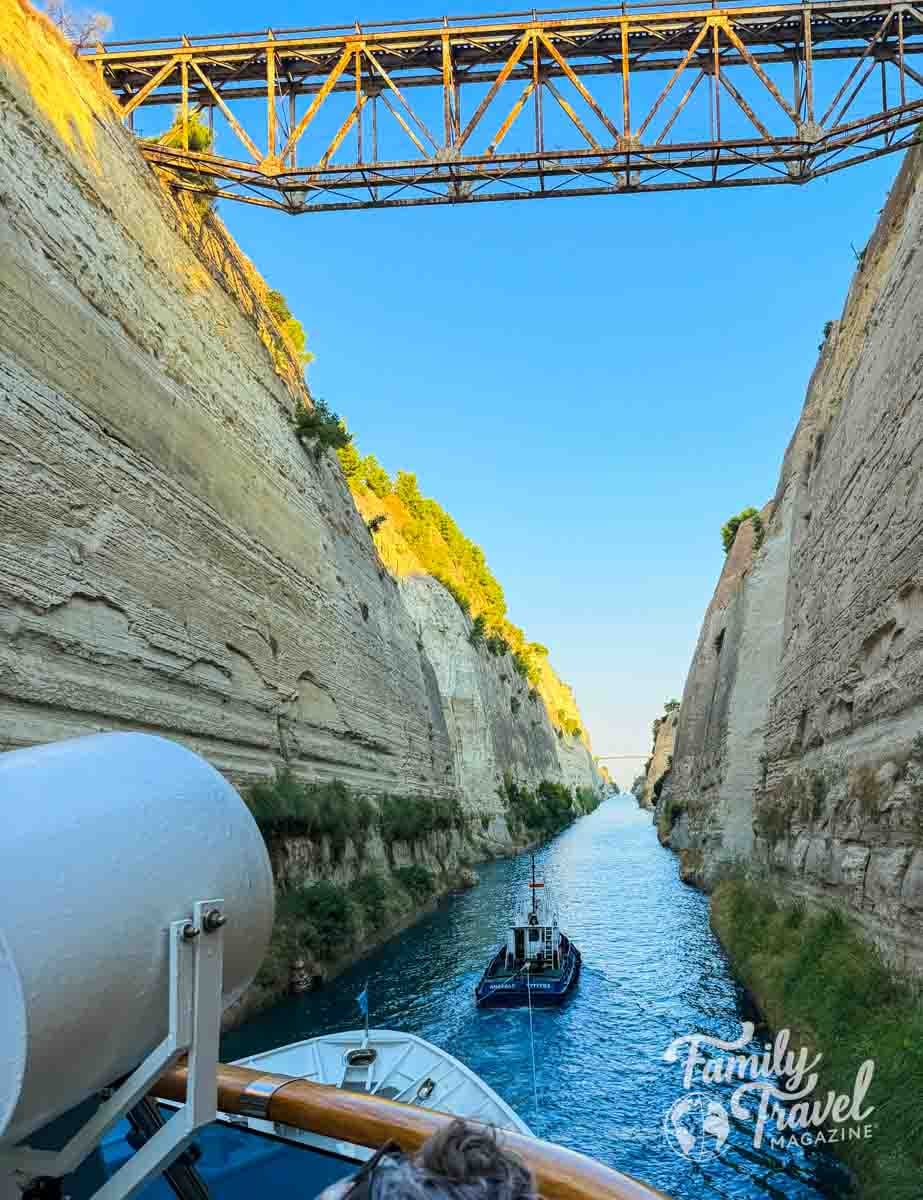
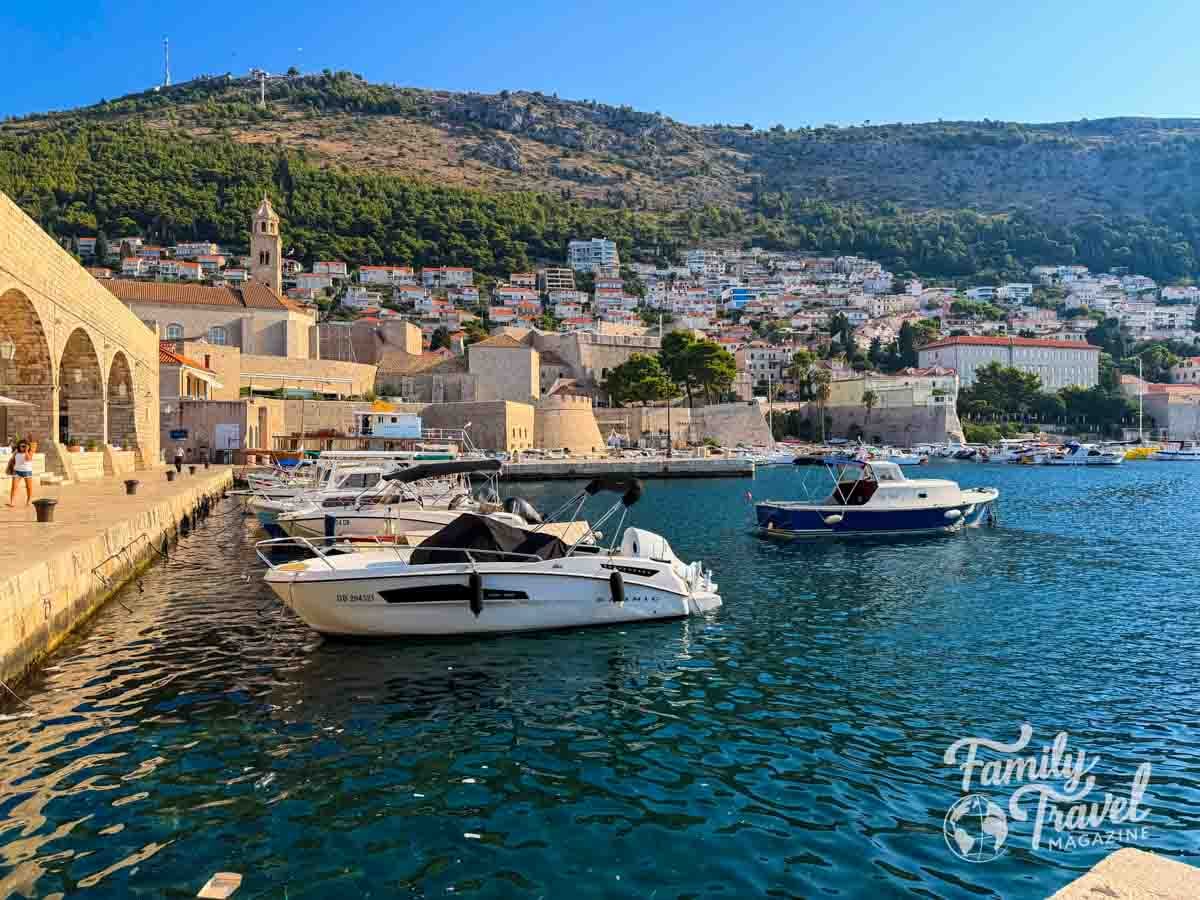
The daily rhythm of a passenger on an expedition cruise differs significantly from that of a traditional cruiser. On an expedition journey—such as those traversing the Mediterranean, Adriatic, or polar regions—days are structured around intensive exploration. A typical itinerary rarely features days at sea; instead, the vessel often sails overnight or during midday transitions, maximizing the hours available for shore visits. Passengers frequently participate in two excursions daily, ranging from guided historical walking tours and strenuous hikes to Zodiac boat explorations and marine wildlife viewing. Evenings are characterized by educational recap sessions, lectures from onboard naturalists, historians, or marine biologists, and early dinners that prepare guests for the following morning’s activities.
In stark contrast, a traditional cruise itinerary is deliberately paced to accommodate diverse traveler preferences, heavily incorporating "sea days" on longer voyages. On these days, passengers dictate their own schedules. Travelers can choose from a vast array of simultaneous activities, ranging from trivia contests and cooking demonstrations to lounging by resort-style pools or utilizing onboard fitness centers and spas. Port days on traditional cruises offer flexibility as well; passengers may disembark to explore independent or line-booked excursions, or they may choose to remain onboard to enjoy the ship’s amenities while crowds are minimized.
Financial Analysis: Upfront Fares Versus Total Trip Cost
When evaluating the economic aspects of both vacation types, industry experts emphasize the importance of looking beyond the initial ticket price. Traditional cruises often market lower base fares, drawing consumers in with affordable entry-level rates for interior or ocean-view staterooms. However, the total cost of a traditional cruise can escalate rapidly once additional expenses are factored in. Shore excursions, specialty dining reservations, alcoholic beverages, Wi-Fi packages, spa treatments, and mandatory daily crew gratuities are frequently billed a la carte, substantially increasing the final bill.
Expedition cruises, by comparison, carry a significantly higher upfront price tag. These voyages are often structured with an all-inclusive or near-inclusive model. Fares for expedition lines like Lindblad Expeditions or Hurtigruten typically bundle items that would be considered extras on mainstream ships. Shore excursions led by specialized experts, Zodiac transfers, alcoholic and non-alcoholic beverages, gratuities, and sometimes even charter flights or airport transfers are included in the initial booking cost. For families and travelers who intend to participate in active, guided excursions at every port, the pricing gap between the two cruise styles narrows considerably.
Demographic Suitability and Family Travel Dynamics
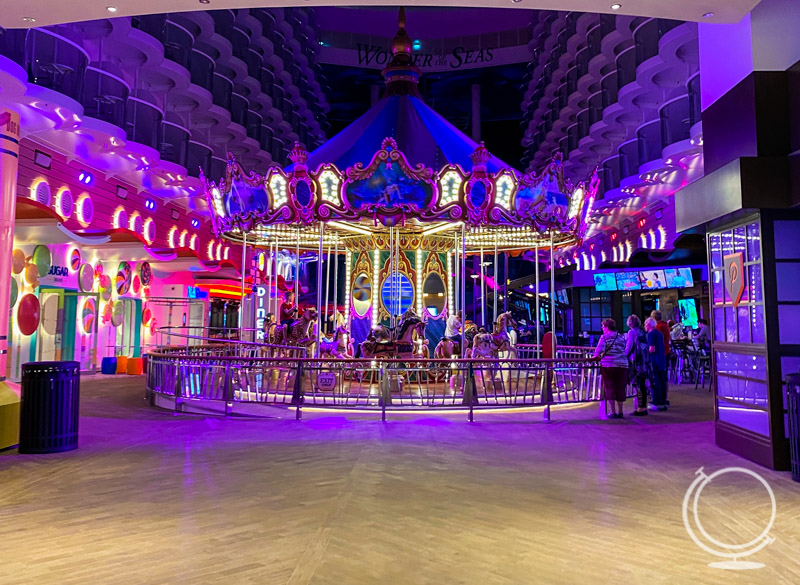
The decision to book either an expedition or a traditional cruise ultimately rests on the demographic makeup of the traveling party, particularly the ages and interests of participating children. Industry feedback indicates that traditional cruises remain the preeminent choice for families with toddlers, young children, and older teenagers who prioritize entertainment variety. The availability of structured kids’ clubs, teen lounges, nurseries, and diverse dining options ensures that multi-generational groups can find independent activities tailored to their specific age brackets.
Expedition cruises, meanwhile, generally appeal to families with older children, tweens, and teenagers who possess a demonstrated interest in science, history, geography, and active outdoor adventure. Because expedition ships lack dedicated nurseries, sprawling kids’ clubs, and high-energy theatrical productions, children must be able to appreciate intellectual programming, moderate-to-high physical activity, and a slower, more contemplative evening routine. Furthermore, parents must verify the strict minimum age requirements enforced by various expedition lines, as some itineraries prohibit very young children due to safety protocols regarding Zodiac boarding and remote terrain navigation.
Culinary Programs and Onboard Infrastructure
Dining infrastructure serves as another major point of divergence. Traditional mega-ships boast an extensive culinary footprint, often featuring a massive main dining room, a sprawling multi-station buffet, casual poolside grills, and a dozen or more specialty restaurants focusing on cuisines ranging from Japanese teppanyaki to upscale French steakhouse fare. Passengers enjoy round-the-clock dining options and flexible seating arrangements.
Expedition vessels maintain a much more streamlined dining operation. Ships like the National Geographic Orion typically feature a single primary dining room operating on a set schedule with open seating, complemented by an informal outdoor or observation lounge café for breakfast and lunch. While the culinary quality on expedition ships is frequently praised for utilizing locally sourced ingredients reflecting the regions being visited, the lack of multiple venue choices means diners have fewer options if they desire alternative cuisines outside the designated menu.
Planning, Preparation, and Industry Implications
As the global cruise market continues to segment, industry analysts note that both traditional and expedition sectors are experiencing robust demand. Travel advisors report that consumers are increasingly seeking purposeful travel, a trend that has fueled the growth of expedition cruising even amidst higher global economic uncertainties. Conversely, the continuous launch of larger, technologically advanced traditional mega-ships demonstrates that the public appetite for resort-style maritime entertainment remains exceptionally strong.
Ultimately, the choice between an expedition cruise and a traditional cruise requires a clear assessment of personal travel goals. Families seeking relaxation, entertainment variety, and resort amenities will find traditional sailings aligned with their expectations. Those prioritizing destination depth, educational enrichment, and access to remote geographic locations will discover that expedition cruising offers an entirely distinct and immersive alternative on the open sea.