Standing approximately 50 meters below a mountain refuge along the slopes of Slovenia’s Mount Triglav, a traveler recently confronted an unexpected test of physical endurance and psychological resilience. While navigating a precarious stretch of loose rock within the Julian Alps, the climber experienced acute exhaustion and a sudden onset of cardiac palpitations—physiological warning signs that ultimately prompted a deliberate decision to forgo the final summit via ferrata.

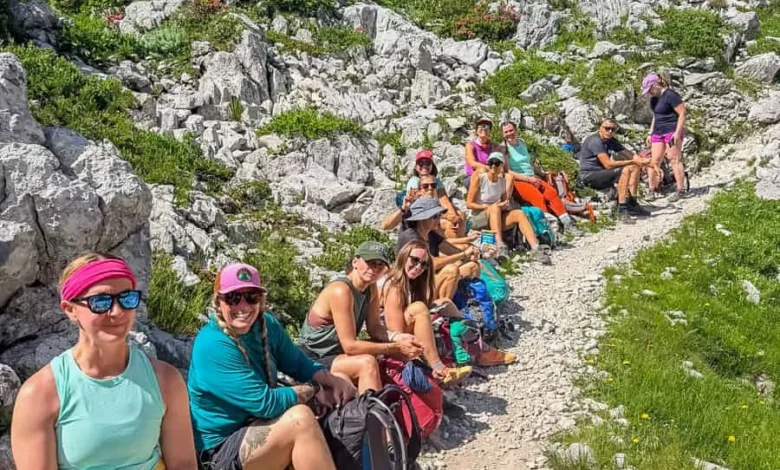
This journey formed part of a 10-day women’s group expedition across Slovenia, organized by the adventure travel operator Your Limitless Adventures and guided by local mountaineering professionals Clemens and Urie. The resulting narrative offers broader insights into outdoor group dynamics, risk management at high altitudes, and the shifting definitions of personal achievement in modern adventure tourism.

Main Facts and Expedition Background

Rising 2,864 meters above sea level, Mount Triglav is the highest peak in Slovenia and a prominent national symbol featured on the country’s coat of arms and flag. Cultural folklore dictates that a Slovenian citizen must scale the peak at least once in a lifetime to achieve true national standing. Consequently, the mountain attracts between 50,000 and 70,000 mountaineers annually, making it one of the most heavily trafficked alpine regions in the country.

The standard ascent via the Krma Valley—known as the Krma Triglav route—covers roughly 7.3 kilometers (5 miles) and gains approximately 1,550 meters in elevation. Under optimal conditions, the trek to the Kredarica Hut (Triglavski dom na Kredarici), situated at 2,515 meters, takes roughly five hours. While natural water springs exist along the lower half of the trail, miscommunications regarding gear weight and hydration needs frequently lead hikers to carry excessive loads, compounding physical fatigue.

Chronology of the Ascent

The 15-member group departed Lake Bled before dawn, initiating the 12-hour trekking schedule without preliminary caffeine provisions. Approximately one hour into the ascent, lead guides Clemens and Urie assessed the group’s collective readiness, briefing participants on the significantly steeper terrain ahead. Recognizing the rigorous demands of the remaining five-hour climb, a subset of the participants elected to turn back, descending via taxi to a valley hotel with the assistance of guide Urie.

The remaining hikers continued through alpine forests, meadows, and single-file mountain paths toward the Krma Valley. Approximately halfway to the high-altitude shelters, the group encountered physical distress among several participants. One hiker, Syna, experienced severe nausea and dizziness, prompting fellow travelers to provide immediate field support and hydration.

As the group approached the vicinity of the Kredarica Hut and the base of the Mali Triglav via ferrata—the iron-cable-assisted climbing route leading to the true summit—weather forecasts predicting incoming storms necessitated a schedule adjustment. Guides advanced the summit attempt to coincide with the arrival day to mitigate lightning hazards on exposed rock faces.

Decision-Making and the Choice to Bypass the Summit

Faced with sudden heart palpitations and acute physical exhaustion, the traveler chose to halt the ascent at the Kredarica Hut rather than tackle the vertical via ferrata. According to expedition reports, the decision was met with support from travel companions and guides, allowing the traveler to conserve energy while the remainder of the group completed the technical climb.

Concurrently, a secondary group maneuvered toward the higher sleeping facility, Dom Valentina Staniča pod Triglavom, located at an elevation of 2,332 meters. This alternate 45-minute traverse evolved into a grueling three-hour scramble across exposed terrain, snow patches, and unassisted rocky ledges often referred to by participants as the "rock tumbler."

During this segment, mutual aid proved critical. Experienced climbers within the group assisted fatigued peers by carrying excess backpacks, while guides managed technical obstacles involving slick snow and steep gradients.

Medical Incidents and Guide Intervention

The descent toward the sleeping quarters involved a significant medical emergency. After recovering from initial altitude sickness, participant Syna slipped on a patch of terrain, sustaining a deep laceration below the elbow.

Lead guide Clemens administered immediate first-aid protocols. Due to the high risk of bacterial infection in an open wound at a remote altitude, guides determined that an emergency helicopter evacuation was necessary. The patient was airlifted to a regional hospital, where she received stitches for the laceration and subsequently rejoined the group following treatment.

Travel support networks functioned as intended: other members of the tour delegation arranged ground transport to meet the injured participant at the hospital, ensuring continuous peer support throughout the incident.

Implications of Altitude Expeditions and Modern Adventure Tourism

The events on Mount Triglav highlight standard safety protocols required for high-altitude trekking in the Julian Alps, where the official climbing season spans from late June through September. July and August experience peak congestion, whereas September typically offers stable weather patterns. Conversely, shoulder periods in June and October present severe hazards, including snowpack and iced cables that heighten the risk profile of via ferrata routes.

Industry analysts note that guided group tours in hazardous alpine environments balance the psychological benefits of shared endurance against the liability of collective risk management. Experts emphasize that successful alpine expeditions rely heavily on clear communication between certified IFMGA (International Federation of Mountain Guides Associations) professionals and participants, particularly when environmental factors—such as incoming storm systems—dictate rapid itinerary changes.

Furthermore, instances of self-regulation, such as voluntarily abandoning a summit attempt due to physiological indicators like cardiac palpitations, are increasingly recognized by mountain safety organizations as prudent decision-making rather than failure. By prioritizing personal safety and group cohesion over summit acquisition, participants mitigate search-and-rescue burdens on local authorities while achieving the primary physical and social objectives of group adventure travel.