Zhetysu Kazakhstan The Emerging Frontier for Sustainable Adventure Tourism and Regional Development

The Zhetysu region of southeastern Kazakhstan, officially established as a distinct administrative entity in 2022 following the bifurcation of the former Almaty Region, has emerged as a focal point for the country’s burgeoning adventure tourism sector. Covering approximately 118,000 square kilometers, the region serves as a geographic bridge between the high-altitude peaks of the Zhongar Alatau mountain system and the arid, ecologically diverse basins of the Altyn-Emel National Park. Recent international initiatives, including the hosting of the Travel Bloggers Exchange (TBEX) in Almaty, have catalyzed interest in this area, drawing global attention to its potential for sustainable, high-impact outdoor recreation.
Chronology of Regional Administrative Evolution
The formation of the Zhetysu Region was part of a broader administrative reorganization in Kazakhstan aimed at decentralizing governance and fostering targeted regional development. By separating from the Almaty Region, the new administration, headquartered in Taldykorgan, gained the autonomy to prioritize infrastructure investment in remote areas. This policy shift has allowed for improved accessibility to natural landmarks such as the Singing Dune and the Aktau Mountains, which were previously constrained by limited regional oversight. Since 2022, the local government has focused on integrating these natural assets into a cohesive tourist route, balancing ecological preservation with the demand for adventure sports infrastructure.
Geographic and Ecological Diversity
Zhetysu, historically referred to as "Seven Rivers," possesses a unique climate profile that supports a wide range of activities. The region’s topography includes the Koksu River—a primary artery for water-based sports—and the vast, semi-desert landscapes of Altyn-Emel.
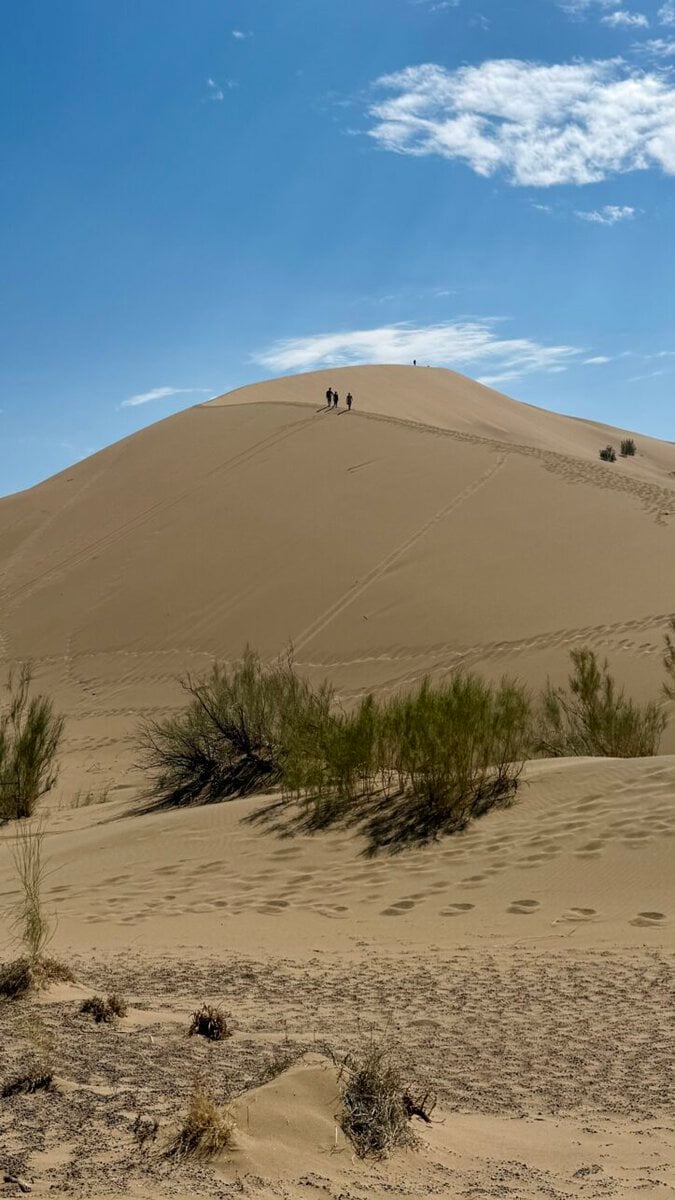
The Aktau Mountains represent a geological anomaly of international interest. Characterized by stratified layers of sedimentary rock ranging from pale white to deep crimson, the formation provides significant insights into the region’s prehistoric climate. Furthermore, the Singing Dune—an eolian landform rising roughly 150 meters—demonstrates the unique acoustic properties of sand shifting under specific humidity conditions. These sites have been designated as protected areas, with the government implementing visitor management protocols to mitigate the impact of rising tourism numbers.
Economic and Infrastructure Analysis
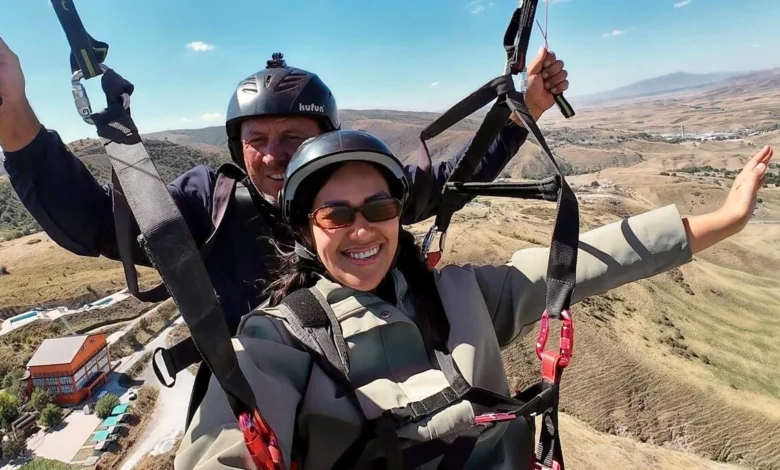
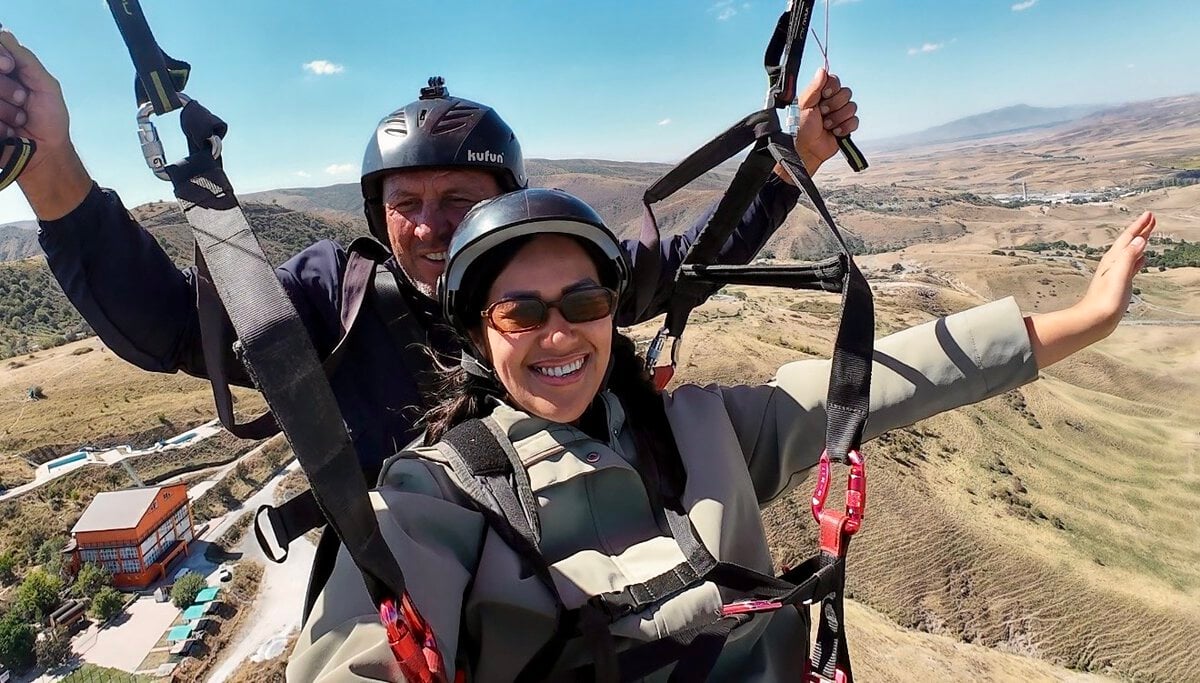
The shift toward adventure tourism in Zhetysu is underpinned by a strategic investment in "soft" and "hard" infrastructure. The development of the Tau Zhetysu area serves as a case study for this model. By co-locating lodging facilities with specialized activity hubs—such as paragliding launch points—operators have reduced the logistical burden on international travelers.
From an economic perspective, the promotion of Zhetysu as an adventure destination serves to diversify the national economy beyond the traditional energy and mining sectors. Data from regional tourism boards suggest that the influx of visitors has created a localized multiplier effect, stimulating demand for traditional handicrafts, agro-tourism, and hospitality services. Small-scale entrepreneurs in Taldykorgan and surrounding villages have begun tailoring their services to accommodate international standards, utilizing digital translation tools and improved transport links to overcome initial barriers to entry for non-Russian or non-Kazakh speakers.
Safety Protocols and Risk Management
The introduction of high-intensity activities such as whitewater rafting on the Koksu River and paragliding in the Zhongar Alatau range necessitates rigorous safety compliance. Industry experts have noted that the expansion of these activities in Kazakhstan is being conducted under strict adherence to international safety standards, with many operators requiring mandatory training sessions and the use of certified equipment.
For travelers, the physical demands of these activities serve as a natural filter, though the industry remains accessible to a wide demographic. The integration of cultural experiences—such as the consumption of traditional Kazakh cuisine and engagement with nomadic heritage—provides a holistic alternative to purely adrenaline-based tourism. This blend of "soft" and "hard" adventure is a core component of the regional development strategy, ensuring that the tourism product remains sustainable and appealing to diverse international markets.
Broader Implications for Central Asian Tourism
The development of Zhetysu is emblematic of a larger trend across Central Asia, where countries are seeking to redefine their international image through the lens of eco-adventure. By positioning itself as a "hidden gem" of the ancient Silk Road, Kazakhstan is leveraging its vast, open landscapes to attract a demographic of travelers who prioritize environmental engagement and cultural authenticity.
The success of these regional initiatives is highly dependent on the continued modernization of transportation networks. While the current infrastructure is sufficient for organized group travel, further investment in road networks and rural connectivity will be essential for the region to handle increased independent travel. Furthermore, environmental monitoring remains a priority; as the Singing Dune and Aktau Mountains become more popular, the regional administration faces the challenge of protecting these fragile ecosystems from over-tourism.
Strategic Outlook and Future Sustainability
Looking ahead, the Zhetysu region is expected to remain a critical component of Kazakhstan’s national tourism strategy through at least 2030. The emphasis will likely remain on low-impact, high-value tourism, focusing on the preservation of the Zhongar Alatau mountain system and the continued development of Altyn-Emel as a model for national park management.
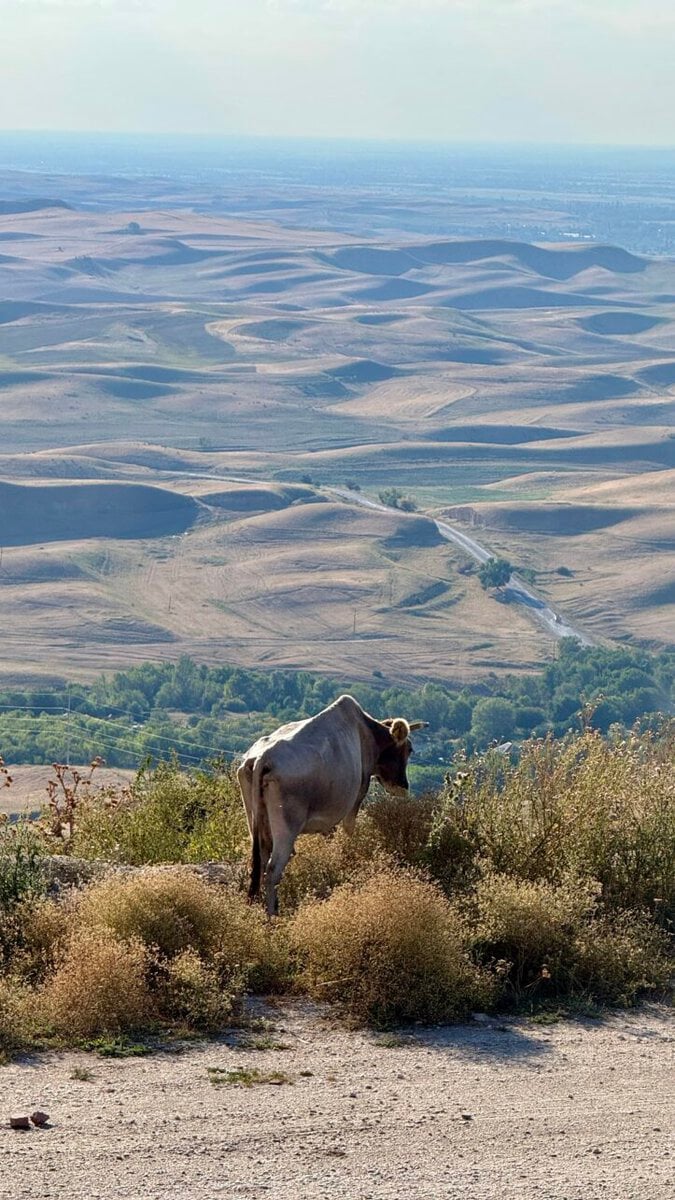
For the international traveler, Zhetysu offers a unique opportunity to explore a region that remains largely untouched by the commercial pressures of traditional tourist hubs. The combination of, at times, challenging terrain and the warm, local hospitality provides a distinct experience that contrasts sharply with the modernized urban environments of Astana or Almaty. As the region matures as a destination, the focus on cultural preservation alongside physical adventure will likely define its long-term viability in the global travel market.
By facilitating cross-cultural exchange through organized adventure circuits, Zhetysu is effectively lowering the barrier for international engagement with Kazakh traditions. This model, which emphasizes the intersection of landscape exploration and historical education, provides a blueprint for other regions in Central Asia attempting to leverage their natural capital for economic growth while maintaining the integrity of their local heritage. As infrastructure continues to stabilize and international awareness grows, Zhetysu is poised to transition from a secondary destination to a primary hub for adventure seekers and cultural explorers alike.