Maximizing Your Global Travel Itinerary: How Urban Day Tours Bridge the Gap Between Arrival and Exploration


International travel often begins and ends in dense, bustling urban centers. Whether arriving weary from a long-haul flight or preparing for a departure following a multi-week expedition, travelers frequently rush through entry and exit points, treating major metropolitan areas as mere transit hubs rather than distinct destinations. To address this gap in modern tourism, travel operators are increasingly emphasizing localized, short-duration day experiences. These targeted excursions aim to dismantle the intimidation factor of foreign cities, provide immediate cultural orientation, and connect visitors with resident guides who possess deep contextual knowledge of regional customs, culinary traditions, and hidden urban enclaves.
The Structural Challenge of Modern Arrival Logistics
When planning complex multi-week international itineraries, meticulous preparation is standard practice. Travelers map out transportation routes, accommodation bookings, and primary points of interest months in advance. However, logistical forecasting frequently overlooks the immediate aftermath of long-distance transit. Jet lag, shifting time zones, and cognitive fatigue can disrupt even the most carefully structured plans, leaving travelers awake at irregular hours with unstructured time and limited initial direction.

Tourism analysts note that the first 48 hours in a foreign destination set the psychological tone for the remainder of a trip. Arriving in a megalopolis without localized orientation can lead to sensory overload, missed cultural opportunities, and an over-reliance on heavily commercialized tourist zones. Recognizing this friction point, tour operators have expanded the availability of micro-adventures—four-to-six-hour guided excursions integrated into major global transit hubs. These programs serve as an entry point, offering structured yet flexible engagement that helps travelers acclimatize before embarking on broader regional journeys or remote expeditions.
Asia: Navigating Culinary and Nocturnal Landscapes
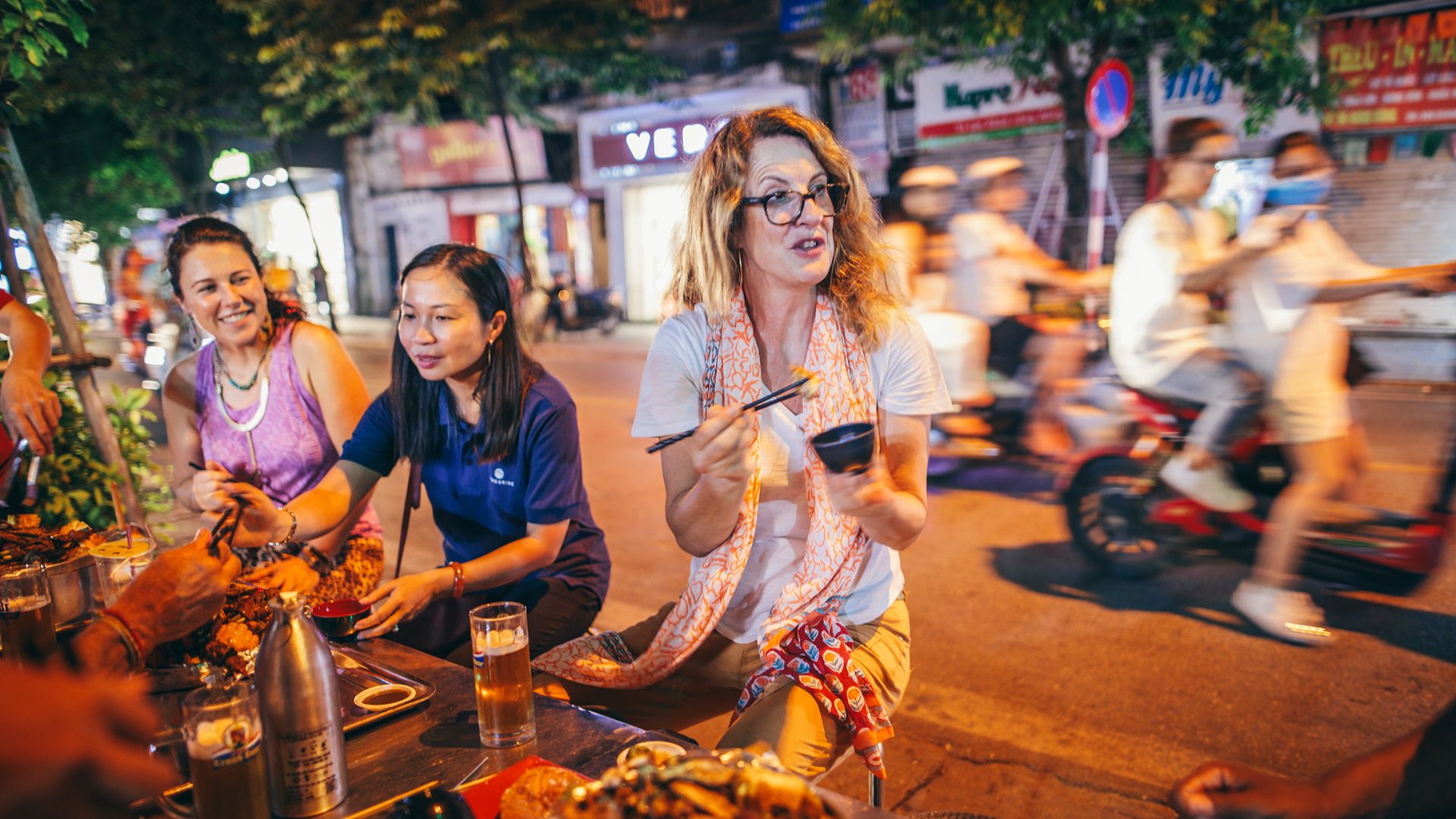
In major Asian travel hubs, urban density and language barriers can initially deter independent exploration. Hanoi, the capital of Vietnam, presents a striking example. The city’s historic core is defined by a dense labyrinth of streets, where sidewalk vendors serve generational recipes from miniature plastic seating arrangements. For foreign visitors, identifying hygienic, high-quality street food stalls without local guidance can be challenging.
To bridge this divide, specialized culinary excursions have been developed to introduce travelers to staple dishes such as bánh mì and bún chả. These tours rely on local guides who maintain direct relationships with street vendors, ensuring food safety standards while contextualizing the culinary history of northern Vietnam. By navigating these culinary arteries in small groups, travelers bypass the trial-and-error phase of dining abroad, gaining immediate confidence to explore independently.
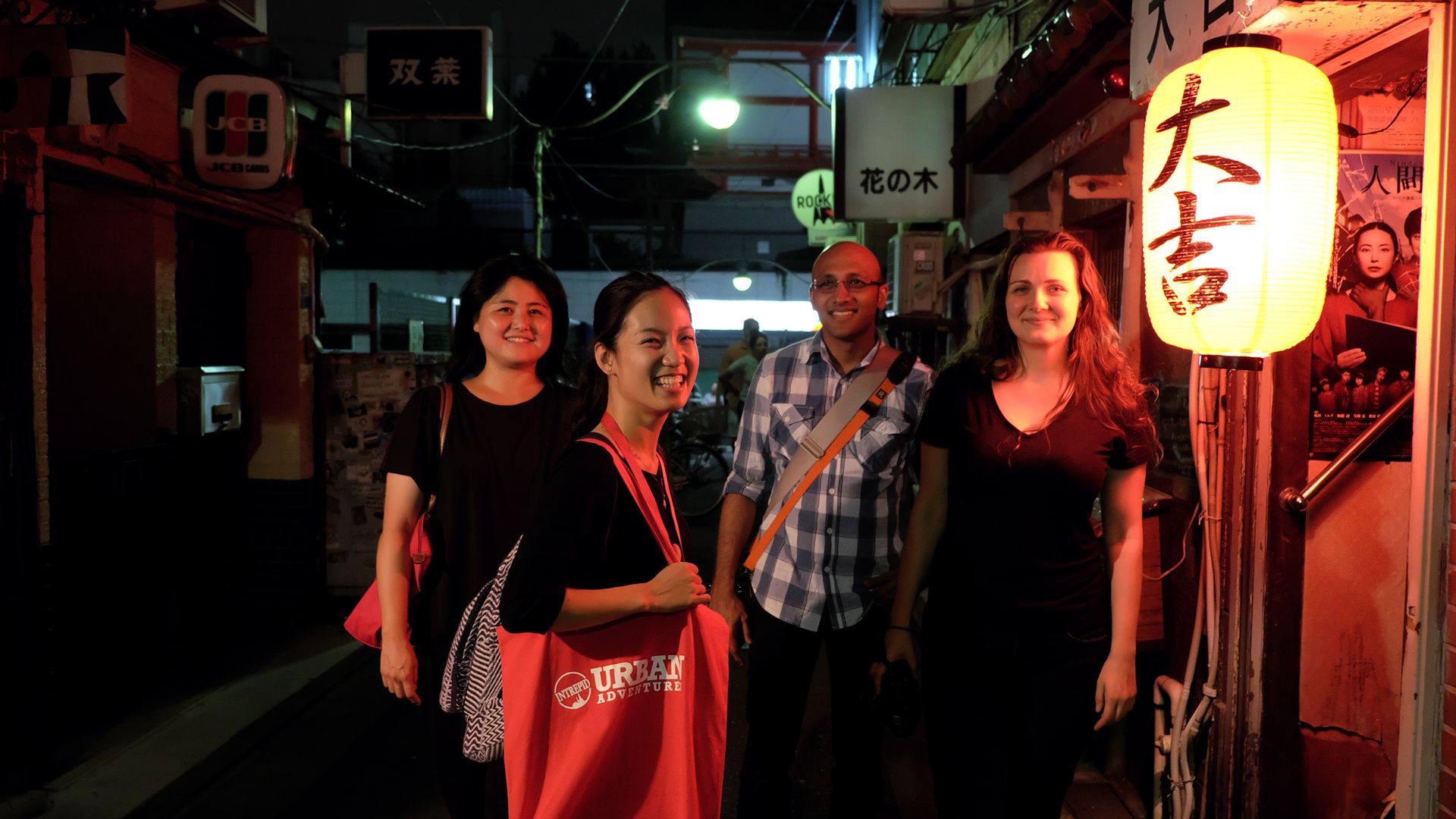
Similarly, Tokyo presents distinct navigation challenges, particularly after dark. Japan’s capital operates on a complex matrix of subterranean transit systems, multi-story entertainment complexes, and narrow, lantern-lit alleyways (yokocho) that resist standard digital mapping. Nighttime urban excursions led by resident experts allow travelers to safely access neighborhood izakayas and historic entertainment districts. Industry data indicates that demand for evening-specific urban tours has risen steadily, driven by solo travelers and visitors seeking secure entry into local nightlife economies that might otherwise feel inaccessible.
South Asia: Unearthing Hidden Heritage and Spirituality
Metropolitan centers in South Asia often feature immense scale, historic depth, and profound religious traditions that require careful interpretation. In New Delhi, a city supporting a population exceeding 22 million, large-scale urban development coexists with centuries-old heritage architecture. Urban exploration programs designed to uncover hidden architectural districts—such as open-air art zones featuring large-scale murals and historic artistic alleys—provide a counter-narrative to the city’s notoriously chaotic traffic and commercial hubs.
Further north in Nepal, Kathmandu serves as the primary logistical base for mountaineering expeditions into the Himalayas. However, before engaging in strenuous outdoor trekking, travelers frequently overlook the city’s dense concentration of sacred sites. Specialized multi-faith day itineraries guide visitors through Buddhist stupas, such as Boudhanath, and Hindu temple complexes, including Pashupatinath. By observing traditional rituals, such as evening Arati light offerings along the Bagmati River, travelers gain anthropological context that enriches their understanding of Himalayan culture beyond its geography of high-altitude peaks.

North Africa and the Middle East: Decoding Historic Medinas and Trade Routes
Historical trading hubs in North Africa and the Middle East are structurally designed to disorient outsiders, a defensive architectural strategy historically employed to protect inner quarters. Marrakech’s medina, anchored by the sprawling public square of Djemaa el Fnaa, features an intricate maze of souks where vendors market textiles, spices, and metalwork. Navigating this environment independently often involves aggressive commercial negotiation and spatial confusion. Guided structural discovery tours mitigate these friction points, providing historical context on administrative palaces like Medersa Ben Youssef while establishing transparent baselines for local commerce and etiquette.
A comparable dynamic exists in Istanbul, a transcontinental metropolis bridging Europe and Asia. The scale of Istanbul’s historic peninsula—containing monumental structures such as the Hagia Sophia, the Blue Mosque, and the Grand Bazaar—can overwhelm logistics planners. Specialized urban programs combine macro-level architectural overviews with micro-historical narratives, tracing the city’s legacy from Byzantine capital to Ottoman seat of power, and highlighting secondary cultural touchstones such as historical intellectual meeting points along the historic Hippie Trail.
The Americas: Specialized Cultural Immersion and Coffee Economies

In the Western Hemisphere, urban day tours often focus on localized trade, agricultural supply chains, and domestic consumption patterns. Mexico City, one of the world’s largest urban agglomerations, utilizes traditional municipal markets as central community anchors. Culinary and market-focused excursions take visitors through neighborhood distribution hubs to examine regional produce, artisanal goods, and culinary components. These programs frequently culminate in practical workshops, such as traditional salsa preparation, providing an experiential education in domestic Mexican gastronomy.
In the Pacific Northwest, Seattle’s economic and cultural identity is inextricably linked to the global coffee industry. Beyond standard corporate retail experiences, specialized urban itineraries examine the city’s independent roasting culture, exploring alternative extraction methods, botanical infusions, and the socio-economic history that transformed Seattle into North America’s specialty coffee capital.
Similarly, in Central America, cities like San Jose, Costa Rica, function primarily as logistical gateways for eco-tourism and wildlife safaris. Urban day tours reposition the capital as a destination in its own right, guiding participants through central markets to sample indigenous agricultural products, medicinal herbs, and regional varietals of shade-grown coffee, thereby contextualizing the nation’s broader agrarian economy.
Europe: Decentralizing Tourism in Historic Capitals

European destinations face distinct challenges related to over-tourism and infrastructural congestion. In Venice, the concentration of millions of annual visitors within a confined lagoon city has strained local infrastructure and displaced residential communities. To combat this, alternative urban exploration initiatives direct foot traffic away from high-density corridors such as St. Mark’s Square and the Rialto Bridge.
By guiding travelers through peripheral neighborhoods—where traditional artisans, boat builders, and family-run ateliers operate—these excursions distribute economic benefits more evenly across the urban ecosystem. Engaging with local craftspeople and concluding itineraries with panoramic views from historic palazzo rooftops allows visitors to experience the city’s heritage without contributing to the hyper-congestion of primary tourist arteries.
Implications for the Tourism Sector
The integration of micro-adventures into broader travel itineraries reflects a structural shift in how consumers interact with global cities. Rather than viewing metropolitan areas as logistical bottlenecks, modern travelers increasingly demand contextual depth from the outset of their journeys.
Industry analysts suggest that localized urban tours provide measurable benefits: they reduce travel anxiety, distribute tourism revenue to micro-economies within major cities, and foster cross-cultural connections that persist throughout extended expeditions. As global tourism continues to evolve, the strategic utilization of the first 48 hours in a destination has emerged as an essential tool for maximizing both the logistical efficiency and the cultural enrichment of international travel.