The Zhetysu region, situated in the southeastern reaches of Kazakhstan, has emerged as a focal point for international tourism development, particularly following the formal restructuring of the region in 2022. Formerly part of the expansive Almaty Region, Zhetysu—a name derived from the Kazakh phrase for "seven rivers"—has been carved out as a distinct administrative entity covering approximately 118,000 square kilometers. This geographic transition, enacted by the Kazakh government to decentralize administration and stimulate regional economic growth, has opened the door for specialized tourism initiatives designed to leverage the area’s diverse topography.
The region’s growing prominence in the adventure tourism sector was highlighted during the recent TBEX (Travel Blog Exchange) conference held in Almaty. This gathering served as a catalyst for a series of post-conference familiarization tours, allowing international delegates to assess the viability of Zhetysu’s rugged landscape for global travelers. By bridging the gap between urban sophistication in Almaty and the raw, untamed wilderness of the Zhongar Alatau mountain range, Zhetysu represents a new strategic direction for Kazakhstan’s national tourism board.
Geographical Significance and Environmental Diversity
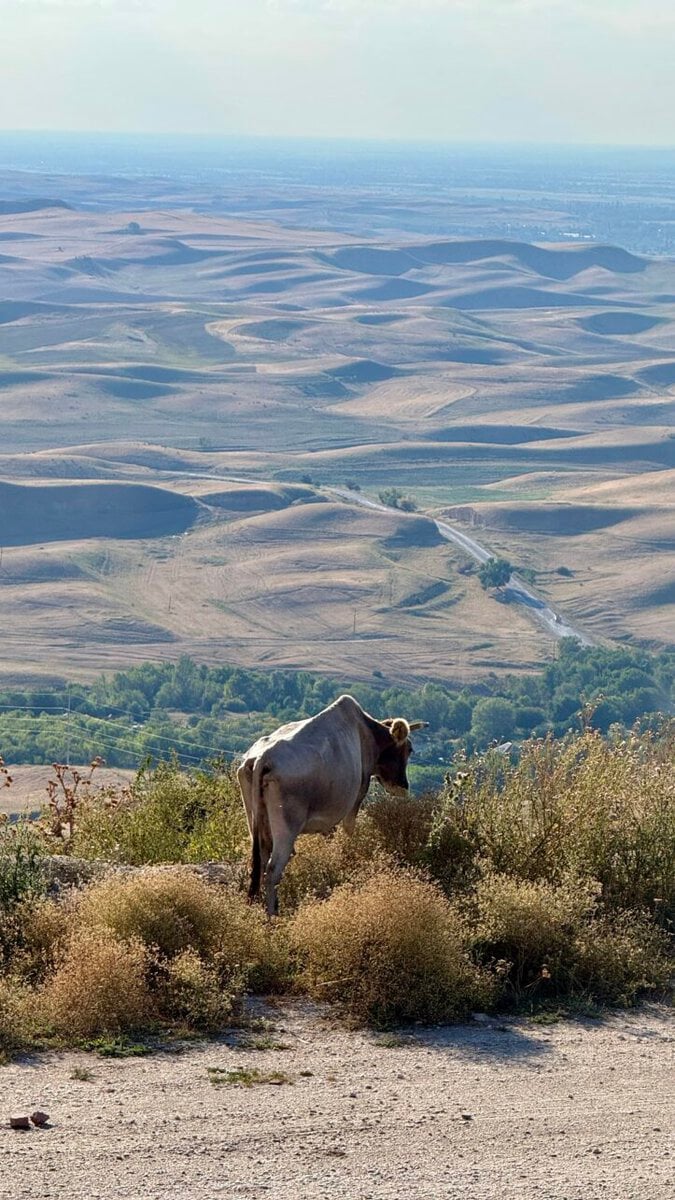
Zhetysu is defined by an extreme range of elevations and ecological zones. The region acts as a natural corridor between the arid plains of the central steppe and the glaciated peaks of the Tian Shan mountains. Its geography is characterized by the Ili River basin, the aforementioned Zhongar Alatau mountain system, and the vast Altyn-Emel National Park.
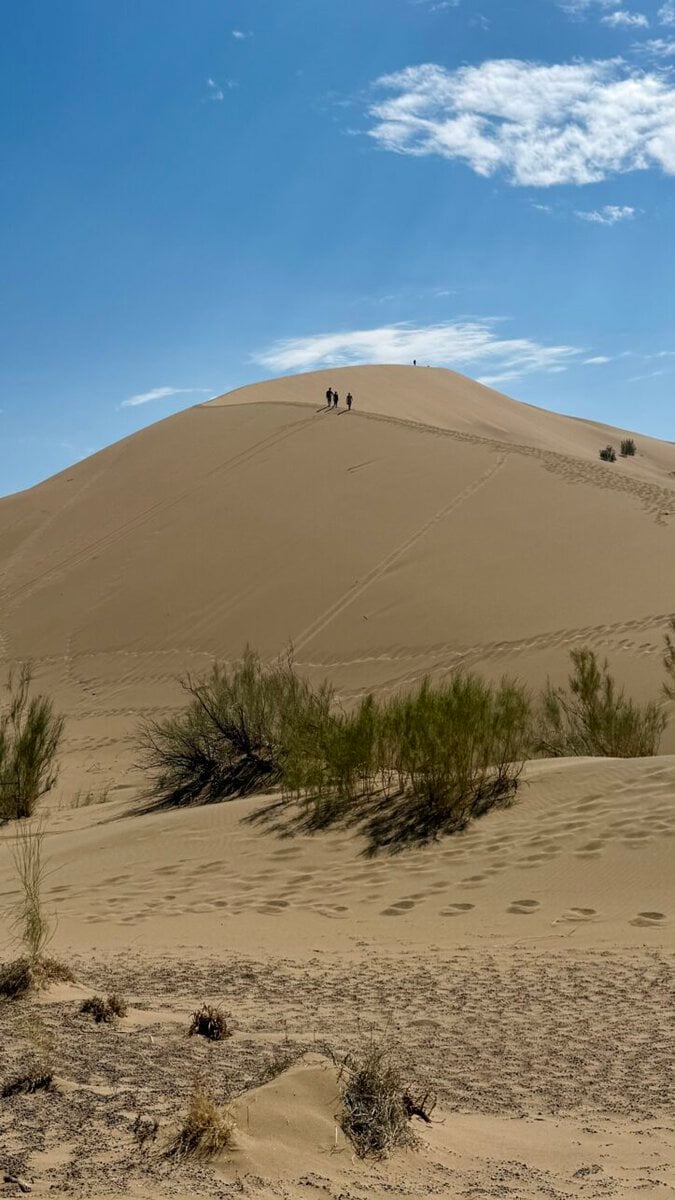
Altyn-Emel, which spans over 4,600 square kilometers, serves as the cornerstone of the region’s conservation and tourism efforts. It is home to the Aktau Mountains—geological formations dating back to the Paleogene period—which exhibit a rare stratigraphy of white, pink, and ochre clay, eroded into sharp, dramatic ridges. Furthermore, the region contains the "Singing Dune," a unique aeolian feature rising 150 meters from the desert floor. The acoustic phenomenon, caused by the friction of dry sand grains shifting under wind pressure, has attracted significant scientific interest and has become a primary site for geo-tourism.
Chronology of Regional Development
The administrative elevation of Zhetysu in June 2022 was not merely a bureaucratic change; it marked the commencement of a concerted effort to improve infrastructure in the Taldykorgan administrative hub and surrounding rural districts.
- Pre-2022: The region functioned as the northern periphery of the Almaty Oblast, often overlooked in favor of the more established mountain resorts closer to Almaty city.
- 2022 Administrative Shift: The separation provided Taldykorgan with its own budget and autonomy, allowing for targeted investments in road networks and visitor centers.
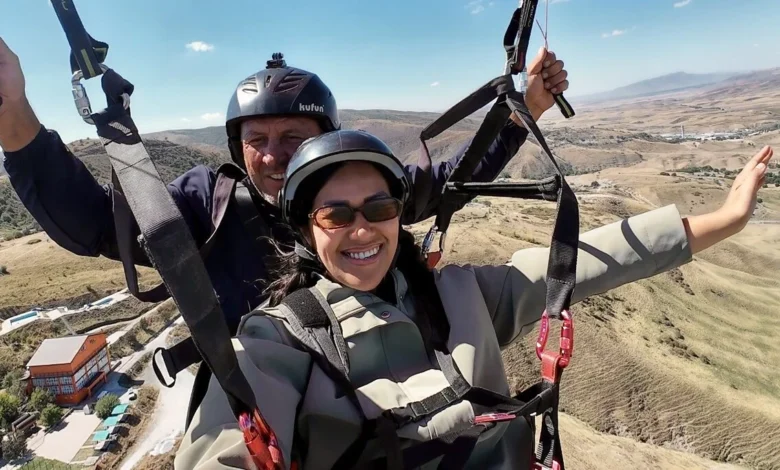
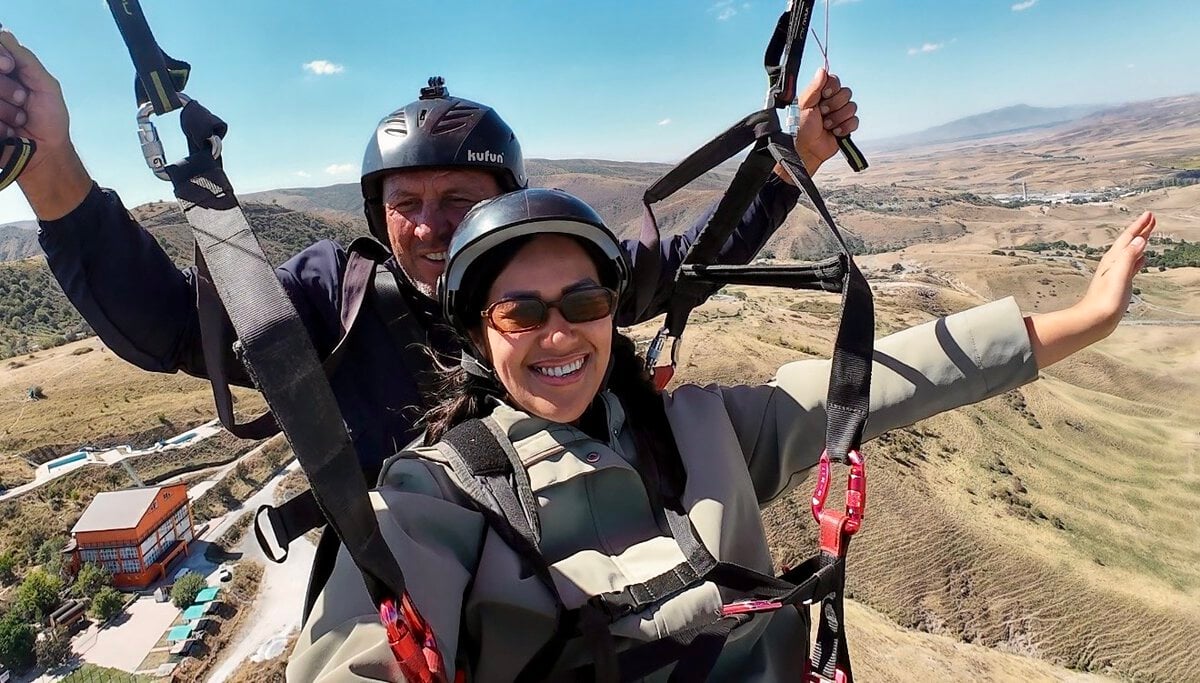
- 2024-2025 Tourism Integration: International tourism bodies began collaborating with local operators to standardize safety protocols for high-risk activities, such as rafting on the Koksu River and paragliding at specialized launch sites like Tau Zhetysu.
- Current Status: Zhetysu is now being marketed as a primary destination for "adventure-culture" hybrid tourism, combining physical activity with the preservation of traditional nomadic lifestyle elements.
Economic and Sociological Impact
The influx of adventure travelers into Zhetysu has created a ripple effect in the local economy. Beyond the immediate revenue generated by tour operators, there has been a noticeable increase in the development of "yurt camps" and homestays. This model of tourism encourages the integration of traditional Kazakh hospitality with modern service standards.
From a sociological perspective, this transition represents a delicate balance between modernization and the preservation of heritage. The consumption of traditional culinary staples, such as horse meat and fermented dairy products, has become an educational component for visitors. Local cultural leaders have noted that while the surge in tourism provides essential income for rural families, there is a parallel emphasis on ensuring that these interactions remain respectful of the local way of life. By formalizing visitor routes, the regional government aims to minimize the environmental footprint of tourism in fragile areas like the Altyn-Emel National Park.
Analyzing the Adventure Tourism Sector
Data suggests that global interest in "experiential travel" has surged by 15% annually since 2021. Kazakhstan, by positioning Zhetysu as a destination for activities such as white-water rafting on the Koksu River, is effectively competing with established Central Asian destinations like Kyrgyzstan and Tajikistan.
The appeal of the Koksu River lies in its accessibility to non-professional athletes. While the rapids provide sufficient technical challenge to satisfy experienced rafters, the safety infrastructure—including professional guides and standardized equipment—lowers the barrier to entry. This accessibility is crucial for regional growth, as it moves the destination away from the "extreme athlete only" niche and into the broader "active leisure" market.
Official Perspectives and Future Outlook
While there has been no formal statement from the Ministry of Culture and Sports regarding specific future expansion, industry experts observing the region note that the focus remains on "sustainable growth." The strategy is to avoid over-tourism by implementing controlled access to natural landmarks.
For the average international visitor, the primary hurdle remains the logistical transition from Almaty to the rural reaches of Zhetysu. However, with the integration of digital translation tools and the increasing prevalence of English-speaking guides, the "friction" of travel has decreased significantly. As noted by observers, the ability to navigate the region is no longer restricted to those with local language proficiency, provided there is a willingness to utilize modern technological aids.
Broader Implications for Central Asia
Zhetysu serves as a microcosm for the potential of the entire Central Asian region. By successfully branding itself as an adventure hub, it provides a blueprint for how neighboring regions might leverage their natural assets without succumbing to the degradation often associated with rapid industrial tourism.
The regional administration’s emphasis on maintaining the "untouched" quality of the landscape, while simultaneously upgrading the quality of visitor facilities, is a policy that analysts view as highly sustainable. If current trends continue, Zhetysu is poised to become the definitive gateway for those looking to experience the confluence of the ancient Silk Road legacy and the modern requirements of 21st-century adventure travel.
For the prospective traveler, the region offers a duality: the adrenaline of the Aktau mountain trails and the Koksu river, balanced by the contemplative silence of the Singing Dune and the communal warmth of a traditional Kazakh hearth. This synthesis of experiences is what currently sets Zhetysu apart in an increasingly crowded global tourism market. As infrastructure continues to mature, it is likely that the region will see a transition from a "hidden gem" status to a staple of the global adventure circuit, provided that the current commitment to environmental and cultural integrity remains a priority for the regional authorities.