Tragic Fall Near Yosemite’s Illilouette Falls Claims Life of 19-Year-Old College Wrestling Standout Ryan George

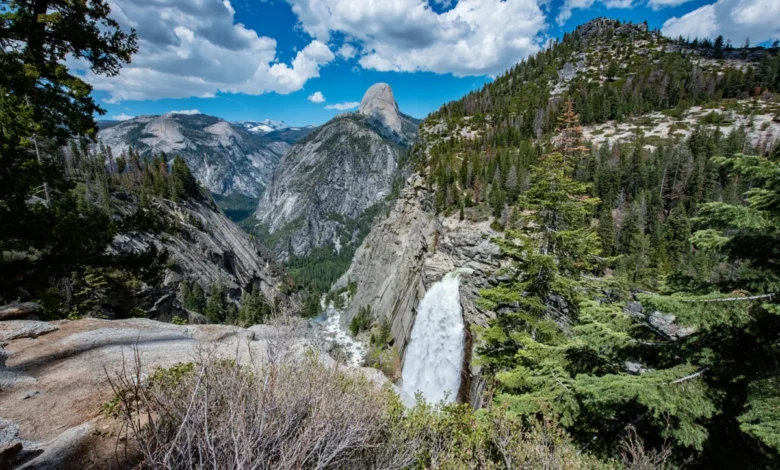
Yosemite National Park authorities are continuing their investigation into a tragic weekend incident that claimed the life of a 19-year-old college athlete. Ryan George, a sophomore and prominent wrestling star at Santa Rosa Junior College, suffered fatal injuries following a reported 400-foot fall while hiking near Illilouette Falls in Yosemite National Park on September 20, 2026. The incident marks the second fatal waterfall-related accident involving a young visitor in the park during the summer season, renewing conversations surrounding backcountry safety, park resources, and the inherent risks of recreating in steep, high-altitude terrain.
Incident Chronology and Rescue Operations
The sequence of events began on the afternoon of September 20, when George and a group of friends were navigating the rugged terrain near Illilouette Falls, a prominent landmark located in the vicinity of the park’s popular Glacier Point area. According to preliminary reports from the National Park Service (NPS), George slipped while hiking near the precipice and fell approximately 400 feet.
Emergency communications quickly prompted a response from park rangers and search and rescue (SAR) personnel. Search teams deployed to the area, locating George’s body near the Glacier Point Trail. Despite prompt emergency response efforts, the severity of the trauma sustained from the 400-foot descent proved fatal. Park officials officially confirmed the fatality early in the week, initiating a comprehensive investigation to determine the exact environmental and behavioral factors that contributed to the fall.
News of the tragedy reverberated deeply through Northern California’s athletic and academic communities. Fred Duerr, George’s wrestling coach at Santa Rosa Junior College, spoke publicly following the confirmation of his death, remembering the young athlete as an exceptional individual both on and off the mat. "Ryan was simply one of the most genuine, positive people you could ever hope to meet," Duerr stated. Teammates, classmates, and faculty members echoed these sentiments, establishing informal memorials and tributes to honor the sophomore’s character and dedication.
A Dangerous Summer: Waterfall Incidents in Yosemite
George’s death is the second high-profile fatal waterfall incident in Yosemite National Park during the summer of 2026. The recurring danger of the park’s majestic yet perilous cascades was underscored earlier in the season on June 20, when 22-year-old Josue Biares Alfaro died following a fall near the 594-foot Nevada Fall.
Rangers were dispatched to the Nevada Fall area after receiving urgent reports that an individual had tumbled into the powerful cascade. Emergency crews scoured the rugged terrain and recovered Alfaro’s body later that same day.
While both incidents ended in tragedy, they occurred in distinct geographical sectors of the park. Illilouette Falls sits near Glacier Point, a less heavily trafficked corridor compared to the Mist Trail zone, where Nevada Fall is located. Nevertheless, both locations present extreme environmental hazards, including smooth, slick granite surfaces, unexpected drops, rushing water currents, and limited margins for error.
Analyzing Park Visitor Statistics and Rescue Demographics
The concentration of accidents in heavily visited corridors has placed mounting pressure on Yosemite’s emergency services. The Mist Trail corridor—which encompasses the Happy Isles trailhead, the Mist Trail itself, the John Muir Trail, Vernal Fall, Nevada Fall, and paths leading toward Half Dome—ranks among the busiest pedestrian sectors in the entire National Park System.
Data provided by the National Park Service indicates that during peak tourism months, an estimated 85,000 visitors traverse the Mist Trail corridor monthly. This dense volume of foot traffic, combined with persistent challenges related to park funding and staffing reductions, has strained local emergency response teams.
During a public administrative meeting in June 2026, Ansley Singer, a member of the Yosemite project team, delivered a sobering operational update. Singer reported that Yosemite search and rescue personnel had already responded to 99 distinct rescue incidents across the park by that point in the year. Out of those 99 operations, 45 occurred within the Mist Trail corridor alone.
To contextualize the scale of these operations, park data shows that by the exact same period in 2025, Yosemite had logged 98 total search-and-rescue incidents parkwide, ultimately finishing that year with 69 recorded incidents inside the Mist Trail corridor alone. The steady accumulation of these numbers highlights a persistent annual demand for technical rope rescues, medical evacuations, and body recoveries.
Mitigating Risk: Infrastructure and Safety Projects
In response to the perennial hazards associated with high-altitude hiking and waterfall proximity, the National Park Service has continuously invested in infrastructure upgrades. Over recent years, park engineers and trail maintenance crews have implemented targeted safety enhancements along the Mist Trail corridor.
These improvements include widening specific, highly congested sections of the stone staircases, lowering the vertical height of individual steps below Vernal Fall to reduce fatigue and stumbling hazards, and installing safety railings along steep, exposed drop-offs. Furthermore, the ongoing Mist Trail Corridor project seeks to overhaul visitor orientation protocols, enhancing the distribution of educational and safety materials at trailheads to better prepare tourists for the physical realities of park navigation.
Park rangers and safety advocates consistently remind visitors that granite surfaces, particularly those near mist-slicked waterfalls, can become treacherously slippery without warning. Officials urge hikers to remain strictly behind safety barriers, wear footwear with adequate traction, and maintain situational awareness at all times.
Broader Context: Unintentional Fatalities Across the National Park System
While Yosemite experiences high-profile incidents due to its dramatic vertical topography, fatal falls are by no means exclusive to the park. The risks associated with rugged terrain represent a systemic challenge across America’s protected public lands.
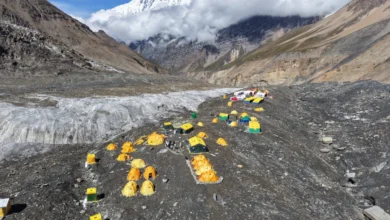
In April 2026, a separate high-profile fatality occurred at Zion National Park in Utah, where 68-year-old Gilberto Ramos lost his life after falling from a heavily exposed, chained section of the iconic Angels Landing trail. Just two months later, in June, the mountaineering community mourned the loss of Denali National Park ranger Robin Pendery, who died after plunging into a deep crevasse near the 14,000-foot high camp while actively patrolling the Alaskan wilderness.
Comprehensive mortality data compiled by the National Park Service covering the years 2014 through 2019 reveals that unintentional falls consistently rank among the top three leading causes of visitor mortality, trailing only motor-vehicle crashes and drownings. Specific multi-year breakdowns, such as the mortality dashboard statistics recorded between 2014 and 2016, demonstrate that fatal falls accounted for approximately 17% of all visitor deaths across the National Park System, translating to roughly 29 documented fall-related fatalities during that specific timeframe.
Implications for Outdoor Recreation and Future Policy
The death of Ryan George has intensified discussions among outdoor safety advocates, park administrators, and recreational groups regarding how to balance public access with effective risk mitigation. As millions of visitors continue to flock to national parks seeking outdoor recreation, park agencies face the dual mandate of encouraging public engagement with nature while enforcing safety protocols that prevent preventable tragedies.
For Santa Rosa Junior College, the local community, and the wrestling program, the immediate focus remains on honoring the memory of a young athlete whose life was cut short far too soon. Meanwhile, the National Park Service’s ongoing investigation into the Illilouette Falls incident will contribute to the broader institutional data pool used to evaluate trail safety, deploy rescue resources, and educate the public on the unforgiving nature of alpine environments.