Tragedy Strikes Yosemite: College Wrestling Star Ryan George Dies in 400-Foot Fall Near Illilouette Falls

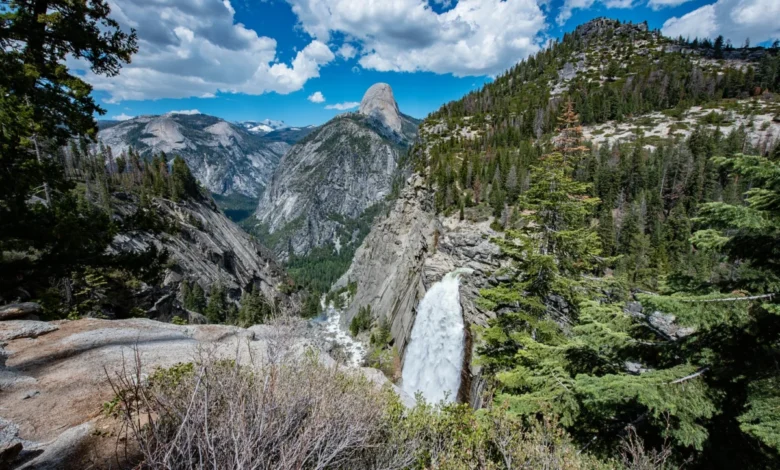
Yosemite National Park has once again been struck by tragedy following the death of a 19-year-old college athlete who suffered a fatal 400-foot fall near Illilouette Falls. Ryan George, a sophomore and standout wrestling star at Santa Rosa Junior College, was visiting the park with friends on September 20, 2026, when the accident occurred. His death marks the second fatal waterfall incident involving a young visitor in Yosemite during the summer season, intensifying ongoing concerns regarding outdoor safety, park visitor management, and the inherent dangers posed by America’s rugged national park terrain.
The National Park Service, alongside local authorities, launched an immediate investigation into the circumstances surrounding the incident. While search and rescue teams responded swiftly, George succumbed to the severe injuries sustained during the fall near the Glacier Point Trail. The loss has sent shockwaves through his academic and athletic communities, leaving peers, faculty, and coaches grappling with the sudden loss of a promising young life.
Chronology of Events and Immediate Aftermath
The sequence of events unfolded on the afternoon of September 20, 2026. George and a group of friends were navigating the trails surrounding the picturesque yet treacherous Illilouette Falls area, located near Glacier Point. According to preliminary reports from park officials, George lost his footing, resulting in a catastrophic fall of approximately 400 feet down the steep granite cliffs.
Emergency dispatchers received calls for assistance, prompting Yosemite Search and Rescue (YOSAR) personnel to deploy to the scene. Responders located George’s body near the Glacier Point Trail corridor. Despite recovery efforts, he was pronounced dead at the scene.
In the wake of the tragedy, tributes poured in from across Northern California. Fred Duerr, George’s wrestling coach at Santa Rosa Junior College, remembered him fondly, describing him to local media outlets as "one of the most genuine, positive people" he had ever coached. Teammates and university officials also released statements expressing deep sorrow and offering support to George’s family.
A Dangerous Summer: Contextualizing Yosemite’s 2026 Safety Crisis
George’s death underscores a hazardous summer season for visitors to Yosemite National Park, particularly concerning waterfall environments. Just three months prior, on June 20, 2026, the park experienced a remarkably similar tragedy. Josue Biares Alfaro, a 22-year-old visitor, died after falling near the towering 594-foot Nevada Fall. Rangers were dispatched following emergency reports of a person slipping into the roaring cascade, and Alfaro’s body was recovered later that same day.
While these two fatal incidents occurred in different geographical sections of the park—Illilouette Falls sits near Glacier Point, whereas Nevada Fall is situated within the heavily trafficked Mist Trail corridor—they highlight a persistent vulnerability among tourists navigating slick granite, steep drops, and fast-moving water.
The Mist Trail corridor, which encompasses Happy Isles, the Mist Trail, the John Muir Trail, Vernal Fall, Nevada Fall, and routes leading to Half Dome, is widely recognized as one of the busiest hiking zones in the park. During peak tourism months, an estimated 85,000 people traverse the Mist Trail corridor alone. The sheer volume of foot traffic, combined with fluctuating weather conditions, snowmelt runoff, and challenging topography, creates a continuous environment of risk.
Search and Rescue Operations and Park Infrastructure
The pressures on Yosemite’s emergency services have mounted significantly in recent years. During a public briefing held in June 2026, Ansley Singer, a member of the Yosemite project team, revealed critical data regarding the park’s emergency response metrics. At that juncture in the year, Yosemite personnel had already responded to 99 distinct search-and-rescue operations.
Out of those 99 operations, 45 took place exclusively within the Mist Trail corridor—the exact geographic area where Biares Alfaro later lost his life. For comparison, the park recorded a nearly identical baseline the previous year, with 98 parkwide search-and-rescue incidents by June 2025, culminating in a total of 69 incidents within the Mist Trail corridor by the end of that year.
Park administrators have not ignored these infrastructure and safety challenges. Over the past several years, the National Park Service has implemented targeted safety enhancements within the Mist Trail corridor. These measures include widening narrow pathways, lowering the height of stone steps below Vernal Fall to improve footing, and installing safety railings along exposed drop-offs. Additionally, the ongoing Mist Trail Corridor Project seeks to upgrade visitor orientation signage, enhance crowd management, and deliver more accessible safety messaging to incoming hikers.
Despite these engineering and educational interventions, park officials emphasize that personal responsibility and situational awareness remain the ultimate lines of defense against backcountry accidents.
Broader Implications: Fall Statistics Across the National Park System
While Yosemite commands frequent headlines due to its dramatic vertical relief and massive tourism numbers, fatal falls are by no means exclusive to the park. Across the entire National Park System, vertical environments present chronic hazards that claim numerous lives annually.
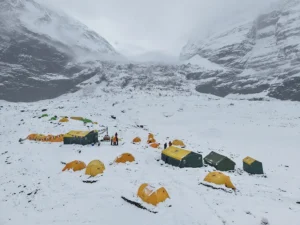
In April 2026, just months prior to the Yosemite incidents, a 68-year-old visitor named Gilberto Ramos died after falling from an exposed, chained section of the iconic Angels Landing trail in Zion National Park. Similarly, in June 2026, the alpine mountaineering community mourned the loss of veteran Denali National Park ranger Robin Pendery, who tragically fell into a crevasse near the 14,000-foot camp while conducting patrol operations in Alaska.
Comprehensive mortality data compiled by the National Park Service covering the years 2014 through 2019 indicate that accidental falls consistently rank among the top three leading causes of unintentional death within national parks, trailing only motor-vehicle crashes and drownings. Specific datasets published for the 2014–2016 period reveal that fatalities resulting from falls accounted for approximately 17% of all accidental deaths system-wide, translating to roughly 29 documented fall-related fatalities during that triennium.
Expert Analysis: Balancing Public Access and Wilderness Risk
Outdoor recreation safety experts point to a complex convergence of factors driving high rescue and mortality rates in iconic parks like Yosemite. Post-pandemic surges in outdoor tourism have brought millions of novice and casual hikers into environments characterized by extreme technical challenges. Coupled with persistent federal staffing and funding shortages that impact ranger patrols and trail maintenance, park managers face immense logistical hurdles in safeguarding millions of acres of wilderness.
Furthermore, the allure of social media photography frequently encourages visitors to step beyond designated barriers, venture onto wet granite edges, or bypass safety warnings in pursuit of scenic vistas. Search-and-rescue veterans frequently caution that natural landscapes do not function like urban parks; rock surfaces near waterfalls are perpetually slick due to mist and algae, and gravity provides no margin for error.
As federal agencies, park rangers, and local communities mourn the loss of Ryan George, the incident serves as a sobering reminder of the raw, untamed power of America’s natural wonders. The ongoing investigations by the National Park Service aim to piece together the exact mechanics of the tragedy, while safety advocates continue to urge visitors to exercise extreme caution, respect trail boundaries, and recognize that wilderness environments demand rigorous preparation and profound respect.