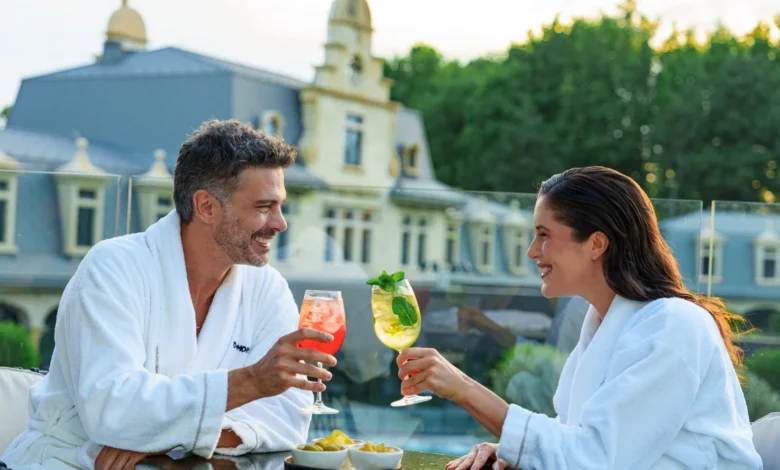
Milan has long established its reputation as a city that rewards fast-paced travel, demanding that visitors move briskly from the gothic spires of the Duomo at dawn to the bustling fashion corridors by midday, followed by an evening aperitivo overlooking the skyline. However, a growing segment of urban tourism encourages couples to break away from this relentless schedule, introducing a deliberate, restorative pause in the middle of a standard 48-hour itinerary. By alternating high-energy cultural sightseeing with deep relaxation at historic wellness sites like the recently restored Terme De Montel, travelers can experience Italy’s fashion capital through a more balanced, contemplative lens.
Main Facts and Itinerary Overview
The strategic framework of a balanced Milanese weekend relies on contrast rather than compression. Standard weekend itineraries often leave tourists fatigued by Sunday evening due to the continuous pressure of mapping routes, queuing for landmarks, and racing between reservations. By dividing a two-day trip into two distinct rhythms—active urban exploration on the first day and immersive thermal relaxation paired with waterside strolls on the second—couples can experience the multifaceted identity of Lombardy’s capital without the exhaustion typically associated with European city breaks.
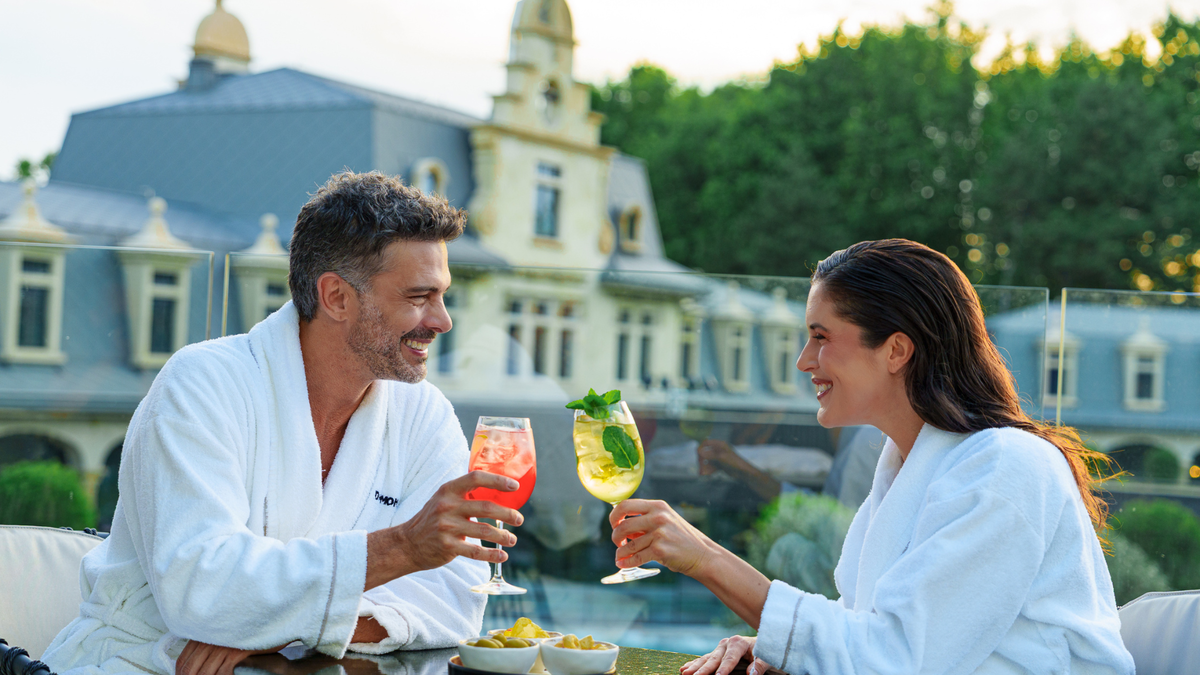
Logistically, Milan’s compact urban layout facilitates this dual rhythm. The city’s extensive metro and tram networks ensure that districts like San Siro and the Navigli canals are easily accessible from the historic center within minutes, eliminating the need for private automobiles or lengthy cross-town transfers.
Chronology of a Balanced Two-Day Escape
Day One: Navigating the Urban Pulse
The first day capitalizes on Milan’s vibrant daytime energy. The itinerary begins at first light outside the Duomo, Italy’s largest cathedral, construction of which spanned nearly six centuries. Arriving immediately after opening allows visitors to experience the vast piazza and the intricate marble facade with minimal congestion. Ascending the cathedral’s rooftop terraces—via a choice of approximately 250 steps or a swift elevator ride—offers close-up views of the forest of marble spires and panoramic vistas of the metropolitan grid before the midday crowds arrive.
By late morning, the itinerary shifts from monumental architecture to intimate artistic spaces within the Brera district. Housed inside a 17th-century palace that has functioned as a cultural institution since 1776, the Pinacoteca di Brera shelters masterpieces by iconic painters such as Caravaggio, Raphael, Titian, and Mantegna. A structured, unhurried hour within the gallery precedes a leisurely walk through Brera’s narrow cobblestone alleyways, which are lined with independent art studios and quiet cafes. Day one concludes in traditional Milanese fashion: an early evening aperitivo featuring local beverages and light plates, deliberately kept unstructured to prepare for the slower tempo of the following day.
Day Two: The Midday Thermal Pause
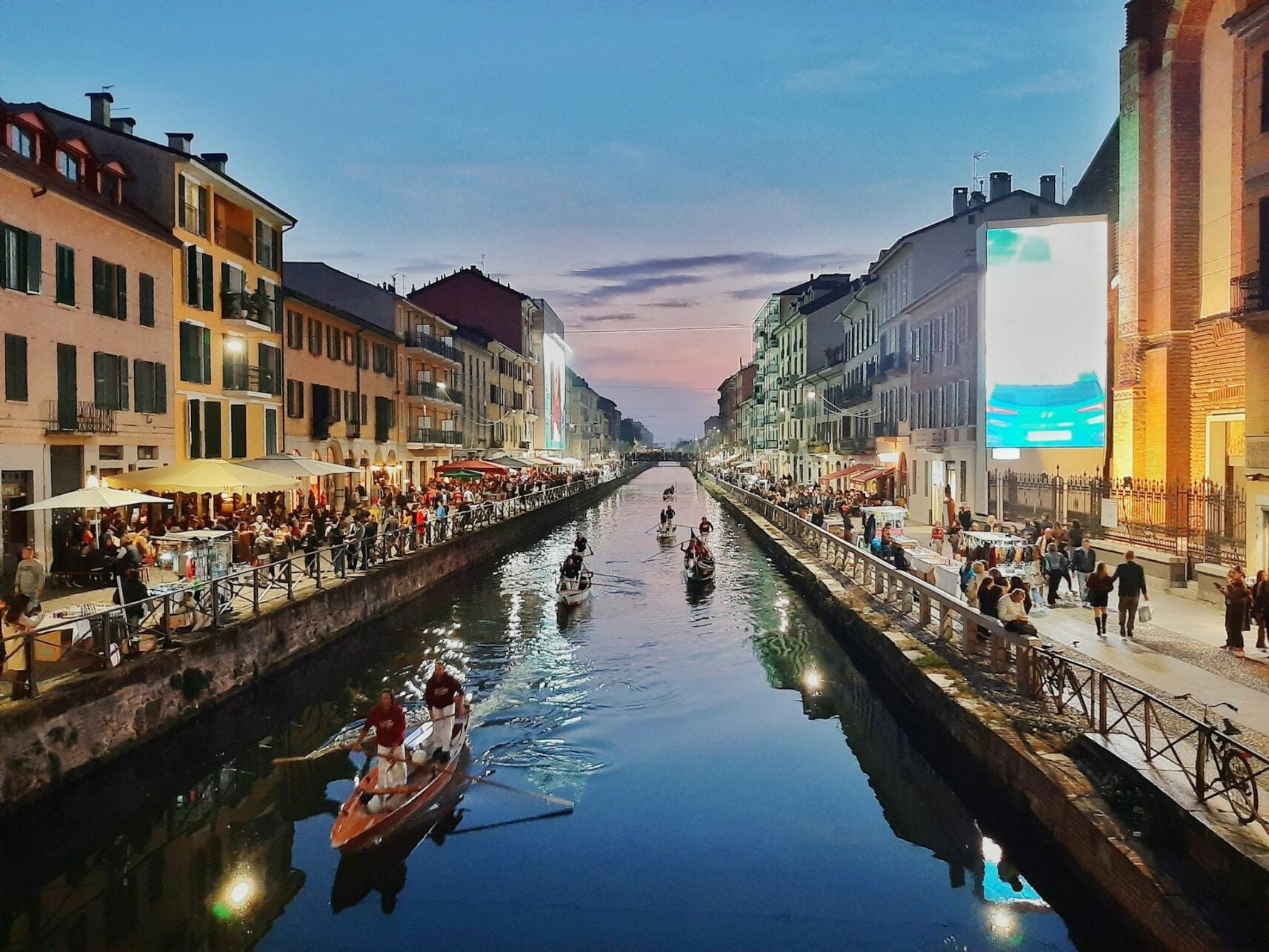
The second day initiates a shift in pace, beginning with a morning walk along the Navigli district’s historic canals, Naviglio Grande and Naviglio Pavese. These waterways represent the final remnants of an extensive commercial network once engineered with the assistance of Leonardo da Vinci. Tracing the water toward Vicolo dei Lavandai—a historic courtyard where local washerwomen once performed communal labor directly in the canal—provides a grounding historical context before the centerpiece of the day’s relaxation begins.
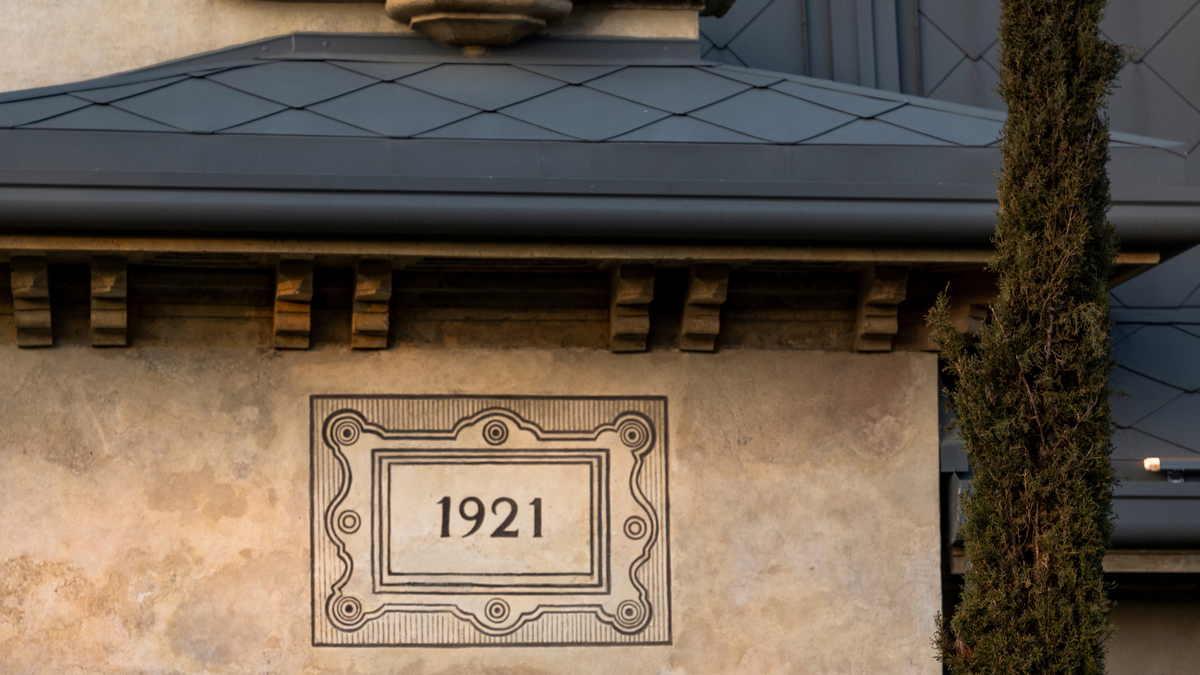
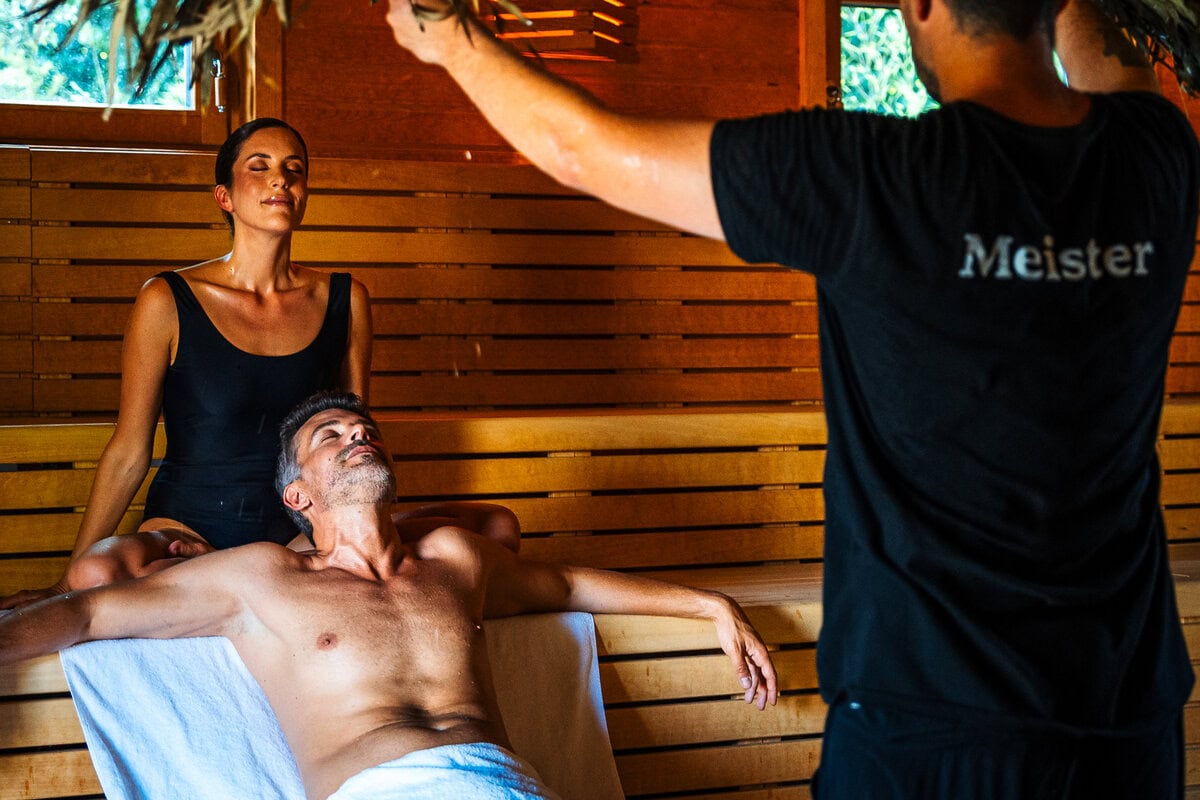
The afternoon centers on Terme De Montel, situated inside the historic Scuderie De Montel in the San Siro district. Originally constructed as equestrian stables in 1921, the architectural complex has undergone extensive restoration to integrate modern thermal infrastructure while preserving its original heritage. Upon entering, visitors transition from the urban hum of Milan into a soundscape defined by flowing water, ambient warmth, and subdued acoustics. The facility provides comprehensive thermal pool access, hydromassage stations, saunas, Turkish baths, and relaxation zones designed to completely detach guests from their digital schedules.
Supporting Data and Context on Urban Wellness
The integration of wellness facilities like Terme De Montel into urban itineraries reflects a broader shift in post-pandemic tourism trends. According to hospitality and wellness sector data, modern travelers increasingly prioritize mental restoration and stress reduction over packed sightseeing schedules. Urban bathhouses and thermal centers in historic European capitals have experienced a steady rise in domestic and international visitors seeking micro-retreats that do not require travel to remote countryside resorts.
Milan itself accommodates millions of tourists annually, with the central Duomo alone drawing approximately six million visitors per year. This heavy foot traffic places significant strain on municipal infrastructure and visitor patience, making urban oases vital for sustainable tourism management. By encouraging tourists to disperse into residential and historically repurposed districts like San Siro—traditionally known primarily for its iconic football stadium—city planners and tourism boards successfully alleviate congestion in the historic core while distributing economic benefits to outer neighborhoods.
Official Responses and Industry Perspectives
Local tourism authorities and urban development experts have increasingly endorsed slow-tourism initiatives that promote multi-neighborhood engagement. Representatives from cultural heritage preservation boards emphasize that restoring historical structures for modern civic utility—exemplified by the transformation of the Scuderie De Montel—ensures the longevity of architectural assets while directly enhancing the quality of life for both residents and visitors.
Hospitality partners and spa operators report that guests utilizing mid-itinerary wellness breaks frequently extend their stays within the facilities, noting an immediate psychological transition once digital devices are stored and structured touring is suspended. This phenomenon aligns with psychological studies on environmental restoration, which indicate that immersion in aquatic and quiet architectural settings significantly lowers cortisol levels and enhances cognitive recovery during intensive travel.
Broader Impact and Economic Implications
The operational model of blending high-density cultural tourism with localized wellness has far-reaching implications for urban economies. By encouraging visitors to explore peripheral districts such as San Siro and the Navigli, municipal tourism strategies stimulate local commerce in non-traditional zones, supporting neighborhood eateries, independent boutiques, and localized service providers.
Furthermore, this balanced approach addresses the growing challenge of urban overtourism. When itineraries are diversified to include wellness breaks and neighborhood strolls away from primary landmarks, tourist distribution becomes more uniform across space and time. For Milan, a city deeply balancing its identity as a fast-paced global economic hub with its rich historical heritage, promoting deliberate pauses offers a sustainable blueprint for modern city travel—proving that the most memorable travel experiences are defined not by how many sites are checked off a list, but by the depth of engagement with the destination.