Multigenerational Travel Reaches New Heights as Mother and Daughter Embark on an Unforgettable UK Adventure

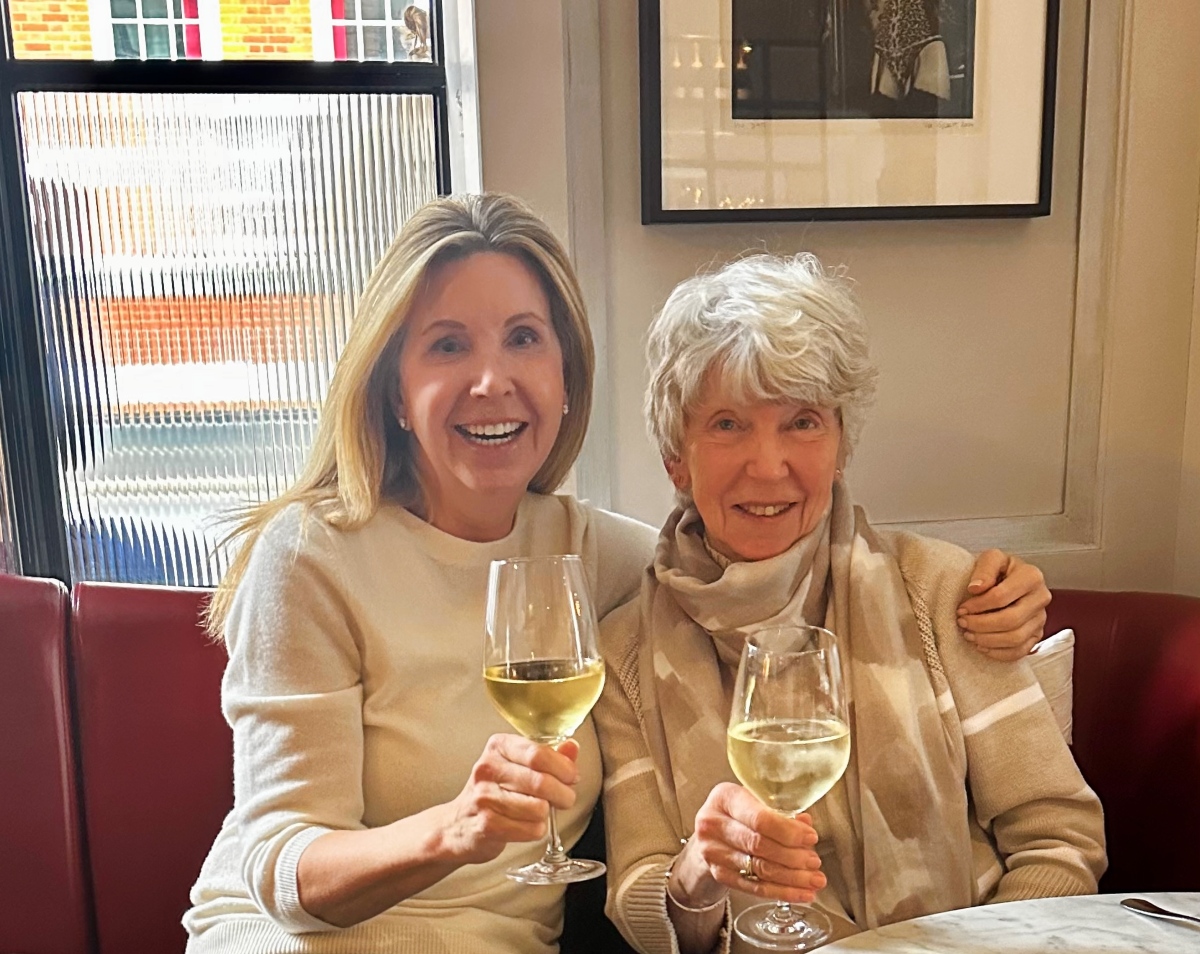
The modern landscape of family travel has evolved far beyond the traditional nuclear vacation, increasingly encompassing multigenerational journeys that bridge vast generational divides. A striking example of this trend unfolded recently when Becky O’Grady, a longtime client of family travel planning agency Ciao Bambino, embarked on an eight-day expedition across the United Kingdom with her 86-year-old mother, Jackie Castle. Demonstrating that advanced age is no barrier to exploration, the dynamic duo navigated bustling urban centers, historic academic towns, and picturesque rural landscapes. Their journey underscores a broader demographic shift in tourism: older adults are remaining active and adventurous deeper into their later years, and families are intentionally using travel as a mechanism to preserve familial bonds and create shared historical archives across generations.
Designed with meticulous logistical support from Ciao Bambino Senior Travel Advisor Susan Robinson, the itinerary was tailored to balance high-engagement cultural exploration with necessary moments of physical respite. The journey began in London, serving as both a cultural hub and a familial touchpoint, before transitioning westward into the historic spa city of Bath, the rolling hills of the Cotswolds, and the academic spires of Oxford, ultimately concluding back in the British capital. By meticulously calibrating the pace of the trip—anchoring each day around a single primary outing and maintaining the flexibility for spontaneous activities—the travelers managed to harmonize the physical demands of international transit with the intellectual curiosity characteristic of Castle’s academic background.
Main Facts of the Expedition and Logistical Framework
The mechanics of executing an international trip with an octogenarian require precise planning, realistic pacing, and adaptive transportation strategies. O’Grady and Castle’s eight-day itinerary required navigating uneven cobblestone streets, managing time zone transitions, and shifting between various modes of public and private transit.
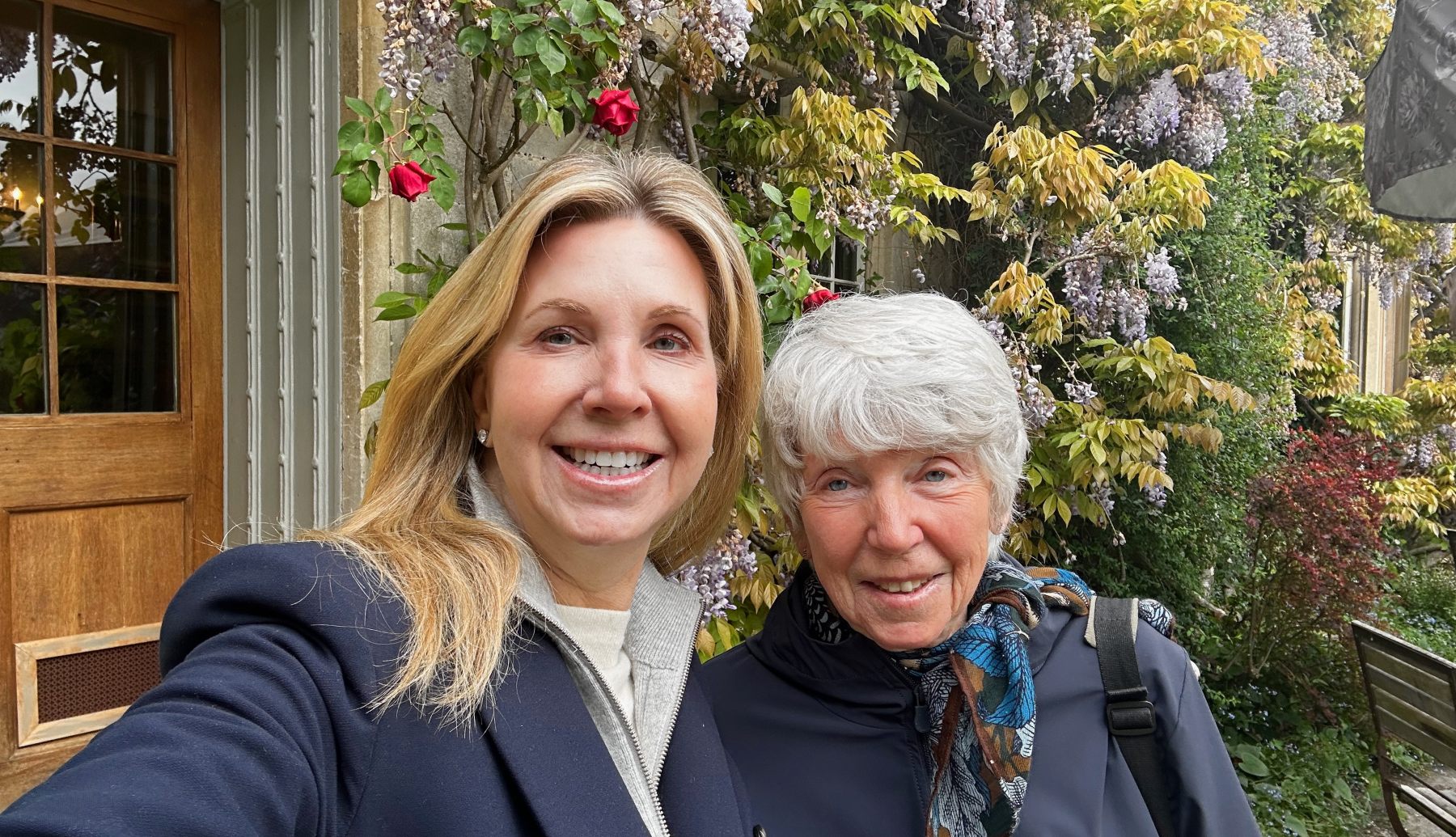
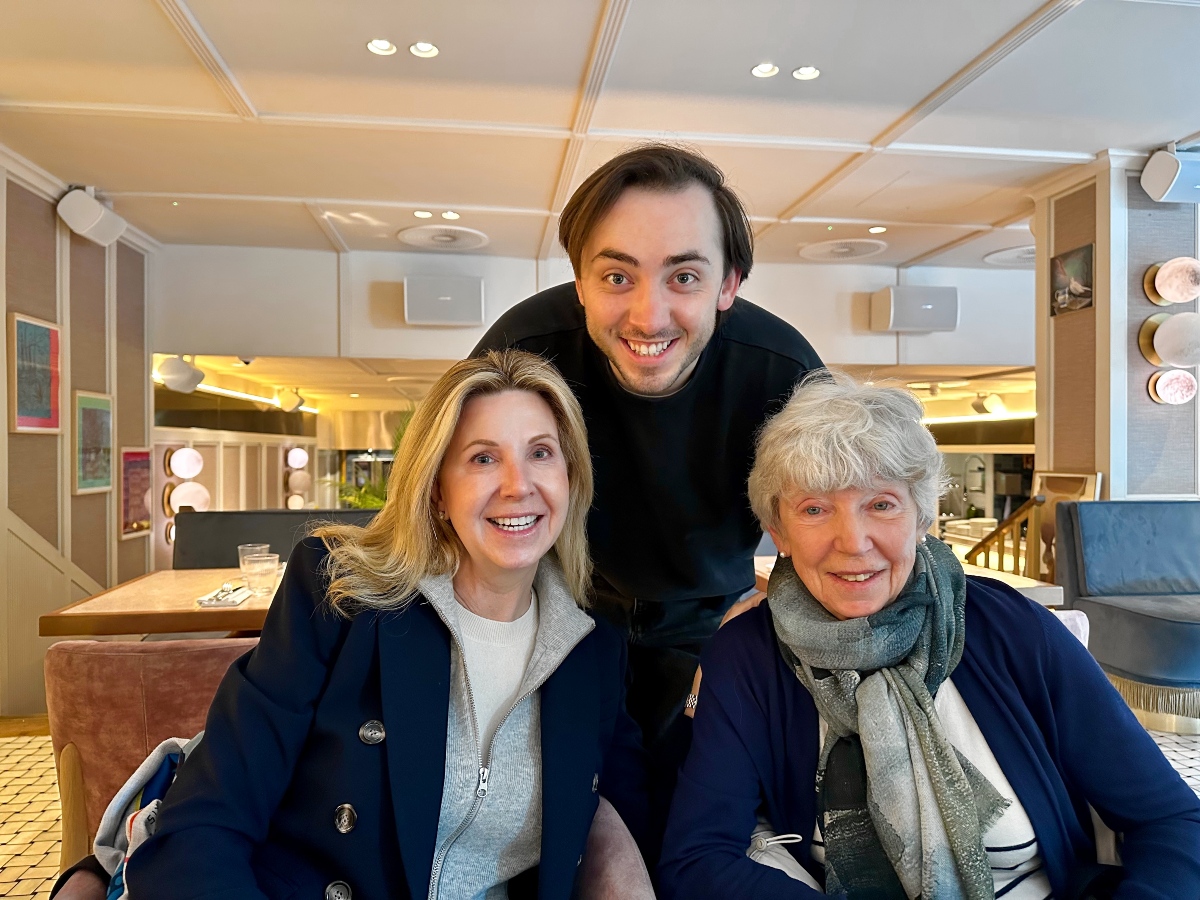
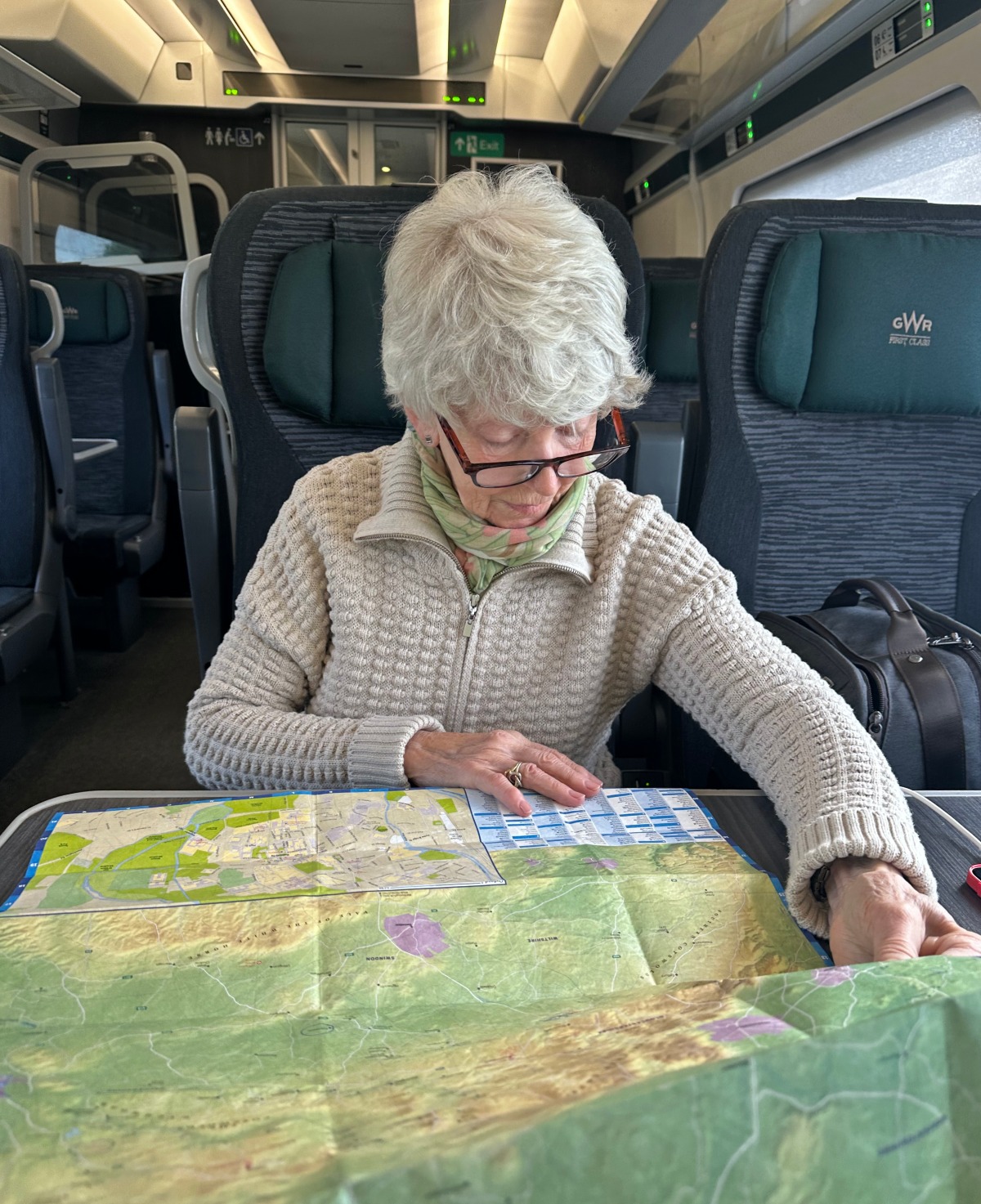
Upon arriving in London, the pair integrated seamlessly into the daily routine of O’Grady’s son, who resides and works in the city. This aspect of the itinerary provided Castle with a firsthand look at her grandson’s contemporary urban life—from walking his neighborhood streets and visiting his local grocer to observing his daily commute via the Underground. Following their urban immersion in London, O’Grady and Castle transitioned to regional rail travel, boarding a First Class carriage on Great Western Railway to reach Bath.
To maximize autonomy and comfort while exploring the rural countryside, the duo rented a vehicle for the Cotswolds leg of the journey. O’Grady noted that adjusting to driving on the left side of the road presented an initial mental challenge, but the vehicular flexibility proved indispensable for accessing rural historic sites. Among the highlights of this rural excursion were visits to the historic Cotswolds home of nineteenth-century textile designer, artist, and socialist activist William Morris, as well as Highgrove House, the private residence of King Charles III.
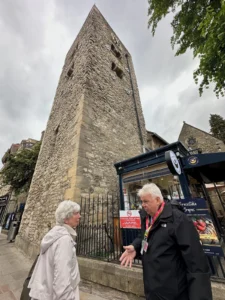
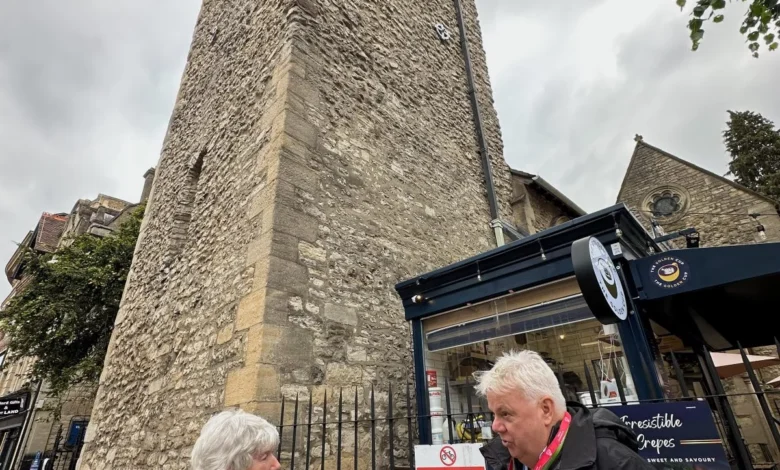
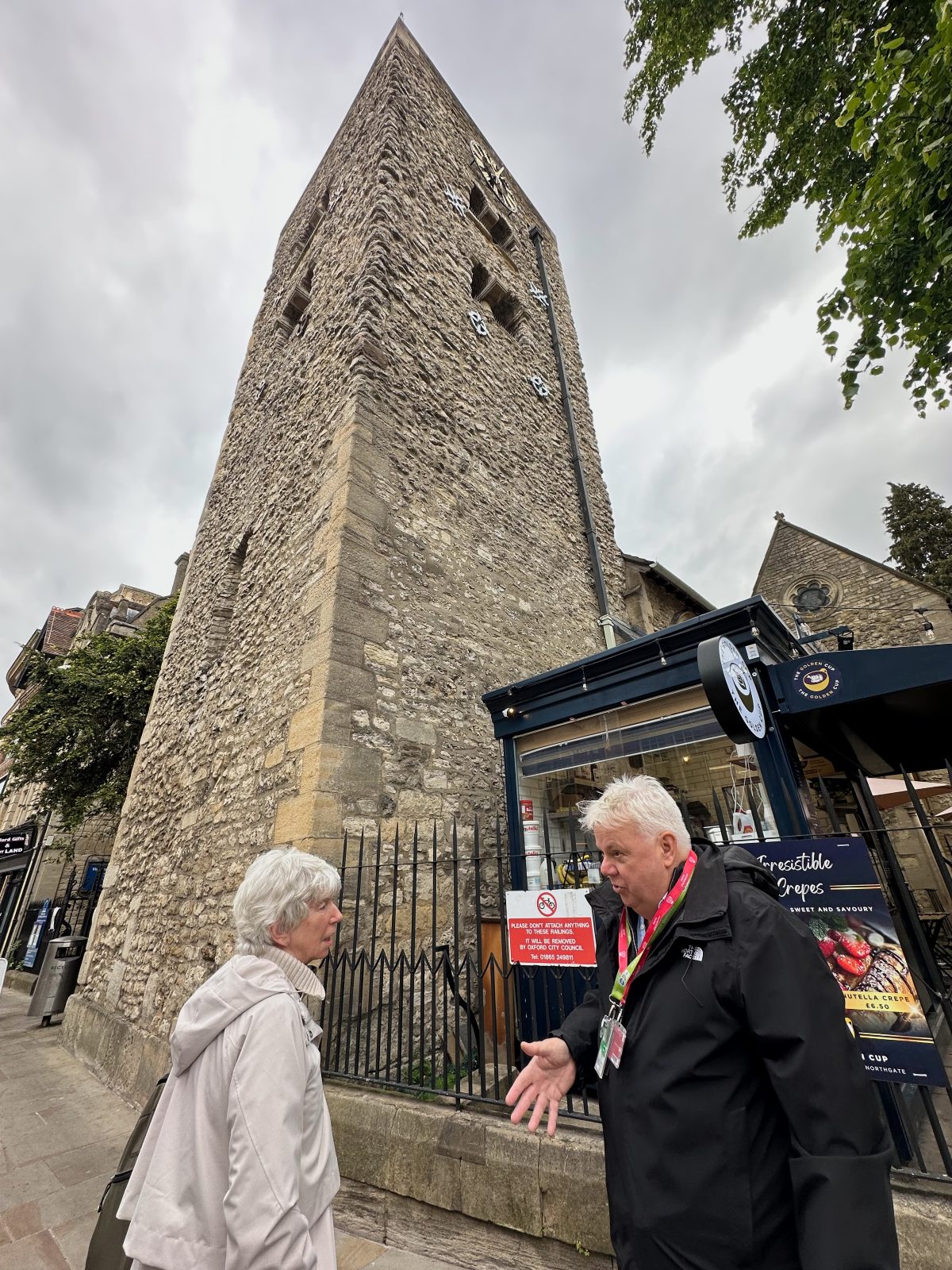
Returning eastward, the travelers spent time in Oxford, where Castle engaged in academic discourse with local historians—at one point playfully fact-checking their tour guide, drawing upon her own doctorate in English literature. The trip culminated back in London with a spontaneous evening attendance at the West End production of the musical Hamilton, facilitated by the trip’s intentionally flexible scheduling framework.
Chronology of the Eight-Day Itinerary
Day One through Three: Arrival and London Urban Integration. The journey commenced in London, where O’Grady and Castle established a base to acclimate to the local environment and rendezvous with O’Grady’s son. The initial days prioritized low-stress urban exploration, neighborhood walks, and domestic familiarization.
Day Four: Rail Transit to Bath. The travelers transitioned from the capital to the West Country via regional rail, settling into accommodations in Bath. This phase focused on architectural appreciation and historical immersion within the UNESCO World Heritage city.
Day Five and Six: Cotswolds Countryside Exploration. Picking up a rental vehicle, O’Grady and Castle navigated the rural roads of the Cotswolds. These days featured targeted visits to high-profile cultural landmarks, including William Morris’s former residence and the royal gardens at Highgrove.
Day Seven: Oxford Academic Heritage. The itinerary shifted northward to Oxford, allowing Castle—an avid reader and scholar of literature and history—to tour historic collegiate grounds and engage in deep historical dialogue with specialized local guides.
Day Eight: Return to London and Cultural Finale. The final leg brought the duo back to London for a final family dinner, capped by an unscripted trip to a West End theater production before departure preparation.
Supporting Data and Demographic Shifts in Multigenerational Tourism
The O’Grady-Castle journey is reflective of significant structural shifts within the global tourism industry. According to travel sector analyses, multigenerational travel—defined as trips involving three or more generations—has experienced sustained growth over the past decade. Industry associations report that family travel now commands a substantial percentage of total leisure travel expenditure, with a notable surge in adult children initiating vacations alongside aging parents.
This demographic segment is driven by several socioeconomic factors. Increased global life expectancy, combined with better health outcomes among older adults, has expanded the window during which individuals in their seventies, eighties, and beyond remain physically capable of international travel. Furthermore, demographic shifts in labor markets, characterized by delayed retirements and demanding professional schedules for working-age adults, make dedicated, uninterrupted periods of shared family time increasingly rare and valuable.
The economic implications for the travel sector are profound. Advisors specializing in luxury and custom itineraries report increased demand for accommodations featuring accessible layouts, private transportation services, and curated pacing. Travelers in O’Grady’s demographic are willing to invest significantly in professional planning services to mitigate the logistical friction points of international transit, ensuring that safety, comfort, and intellectual enrichment remain prioritized.
Professional Analysis and Expert Insights
The logistical success of the O’Grady-Castle expedition highlights the critical role played by specialized travel advisory services in executing complex multigenerational itineraries. Susan Robinson, the Ciao Bambino Senior Travel Advisor who coordinated the trip, utilized her destination expertise to curate accommodations and experiences that minimized physical strain while maximizing historical and cultural relevance.
From a psychological and sociological perspective, experts note that travel serves as a unique crucible for adult parent-child relationships. As aging parents and their middle-aged children experience a gradual role reversal regarding caregiving responsibilities, shared travel can foster renewed mutual respect. In this instance, O’Grady observed that the daily proximity of being travel roommates for eight days provided an unvarnished window into her mother’s remarkable physical discipline and mental acuity. Castle, who maintains a rigorous daily regimen of swimming and yoga, served as an active model of healthy aging.
Moreover, the dynamic of traveling with an octogenarian introduces a distinct operational parallel to traveling with young children. Both cohorts require careful management of physical stamina, strategic scheduling of rest periods, and contingency planning for health or mobility contingencies. However, unlike travel with minors, journeys with aging parents often incorporate a profound element of retrospective storytelling, where the parent transmits historical memory and life philosophy to the younger generations.
Broader Impact and Implications for the Future of Family Travel
The narrative surrounding O’Grady and Castle challenges prevailing cultural tropes regarding aging and mobility. Farther from the stereotype of older adults retreating from the rigors of international exploration, a growing segment of the demographic is actively pursuing intellectually demanding travel experiences.
For the tourism industry, this trend mandates an ongoing adaptation of infrastructure, hospitality training, and product design. Tour operators, historic preservation sites, and transportation providers are increasingly pressured to enhance accessibility—ranging from tactile paving and resting benches at historical sites to audio-enhancement technology and flexible cancellation policies for health-related contingencies.
For families navigating the complexities of modern work-life balances and geographic dispersion, the success of this UK itinerary offers a compelling blueprint. It demonstrates that with deliberate planning, professional guidance, and an adherence to a "less is more" philosophy of daily scheduling, families can transform international vacations into enduring legacies of shared human connection. As O’Grady reflected upon the conclusion of their travels, the true value of the investment lay not merely in the destinations visited or the historic sites observed, but in the deepened mutual understanding forged across generations—an outcome that transcends the economic cost of the journey and redefines the possibilities of travel in the golden years.