Mastering the Art of Family Travel: Essential Strategies for Exploring the World with School-Age Children


The elementary school years represent a uniquely transformative window for family travel, offering a critical period during which children possess the cognitive maturity to engage with new environments while remaining free from the rigid academic and extracurricular constraints of middle and high school. According to family travel specialists and child development experts, vacations taken between the ages of six and eleven imprint deeply onto a child’s worldview, fostering adaptability, geographical literacy, and intercultural empathy. Despite the hesitations many parents harbor regarding the logistical challenges of voyaging with young children, industry data and client testimonials consistently demonstrate that this demographic sweet spot provides an ideal balance of curiosity and physical capability.
To maximize the benefits of these formative journeys while minimizing friction, travel authorities have compiled a comprehensive framework of strategic approaches. These methodologies address the core challenges of youth mobility, including itinerary management, cognitive engagement, and the preservation of family harmony during extended periods away from home.

Empowering Young Minds Through Collaborative Planning
A foundational strategy for successful travel with school-age children involves integrating them directly into the logistical planning process. Child psychologists note that granting elementary-aged children a degree of autonomy fosters critical thinking and boosts self-efficacy. While parents retain ultimate responsibility for accommodations and broad itinerary arcs, offering structured choices—such as selecting between an indoor cultural excursion and an outdoor adventure, or determining lunch cuisine—empowers young travelers to take ownership of their experience.
Furthermore, travel experts advocate for cognitive mapping exercises to counter modern dependencies on digital navigation tools. Encouraging children to use physical maps to locate hotel amenities or museum wings helps develop fundamental spatial awareness and problem-solving skills. These low-stakes challenges transform routine transitions into educational milestones, reinforcing confidence in unfamiliar surroundings.
The Strategic Value of Kid-Friendly Professional Guides
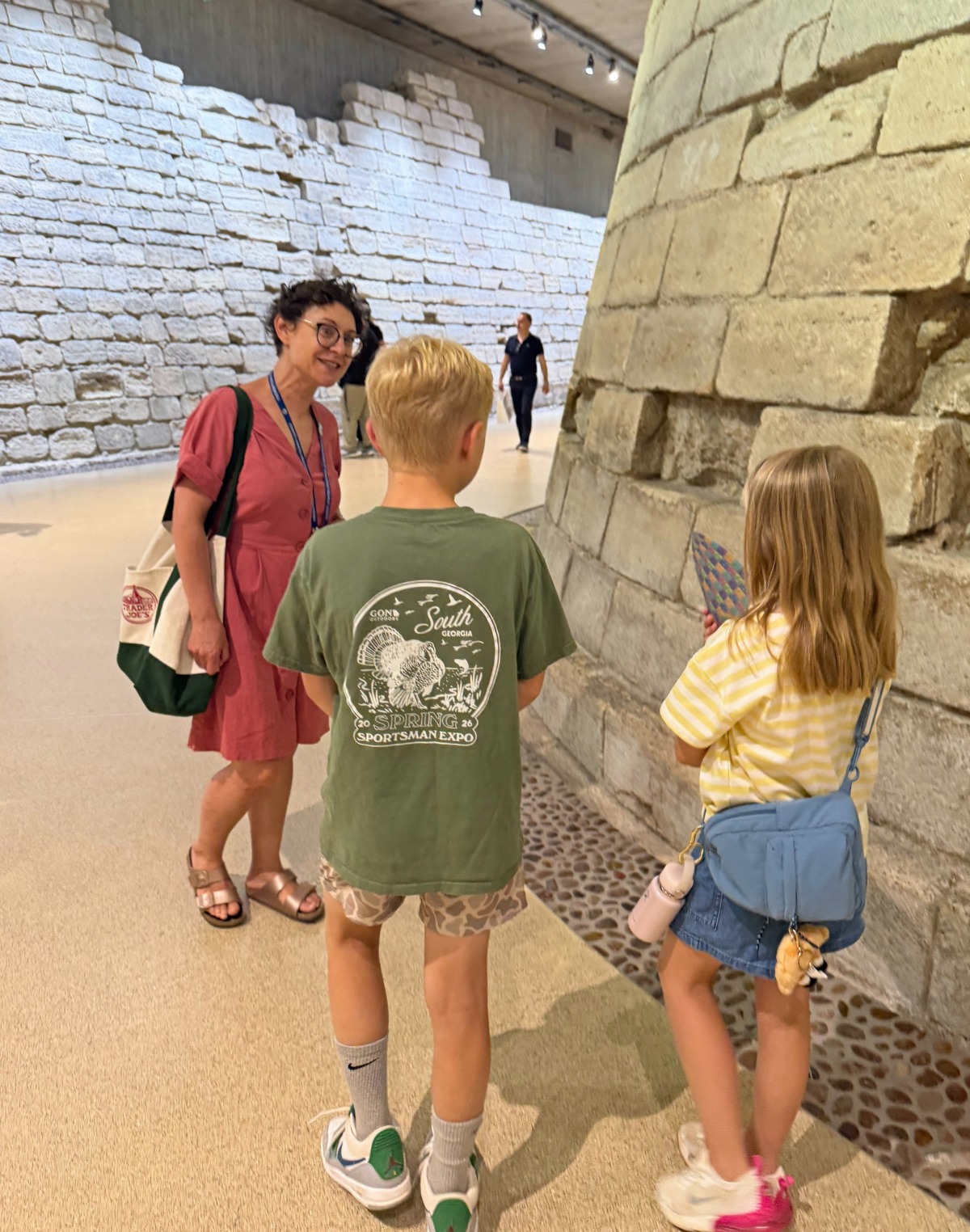
Navigating historical sites and complex cultural institutions with school-age children often presents a distinct set of communication hurdles. Parents frequently discover that their historical narratives or architectural explanations struggle to compete with the distractions of a new environment. To bridge this gap, family travel advisors strongly recommend engaging vetted, professional tour guides who specialize in youth engagement.
Veteran guides utilize interactive storytelling, dynamic pacing, and sensory-rich prompts to transform static historical facts into memorable narratives. By shifting the delivery of information from parent to expert, families can bypass resistance to traditional learning. Industry anecdotes highlight instances where children retain specific historical motifs—such as Renaissance heraldry or architectural symbols—years after a trip, purely due to the captivating delivery of a specialized guide.
Prioritizing Unstructured Outdoor Play and Screen Detox
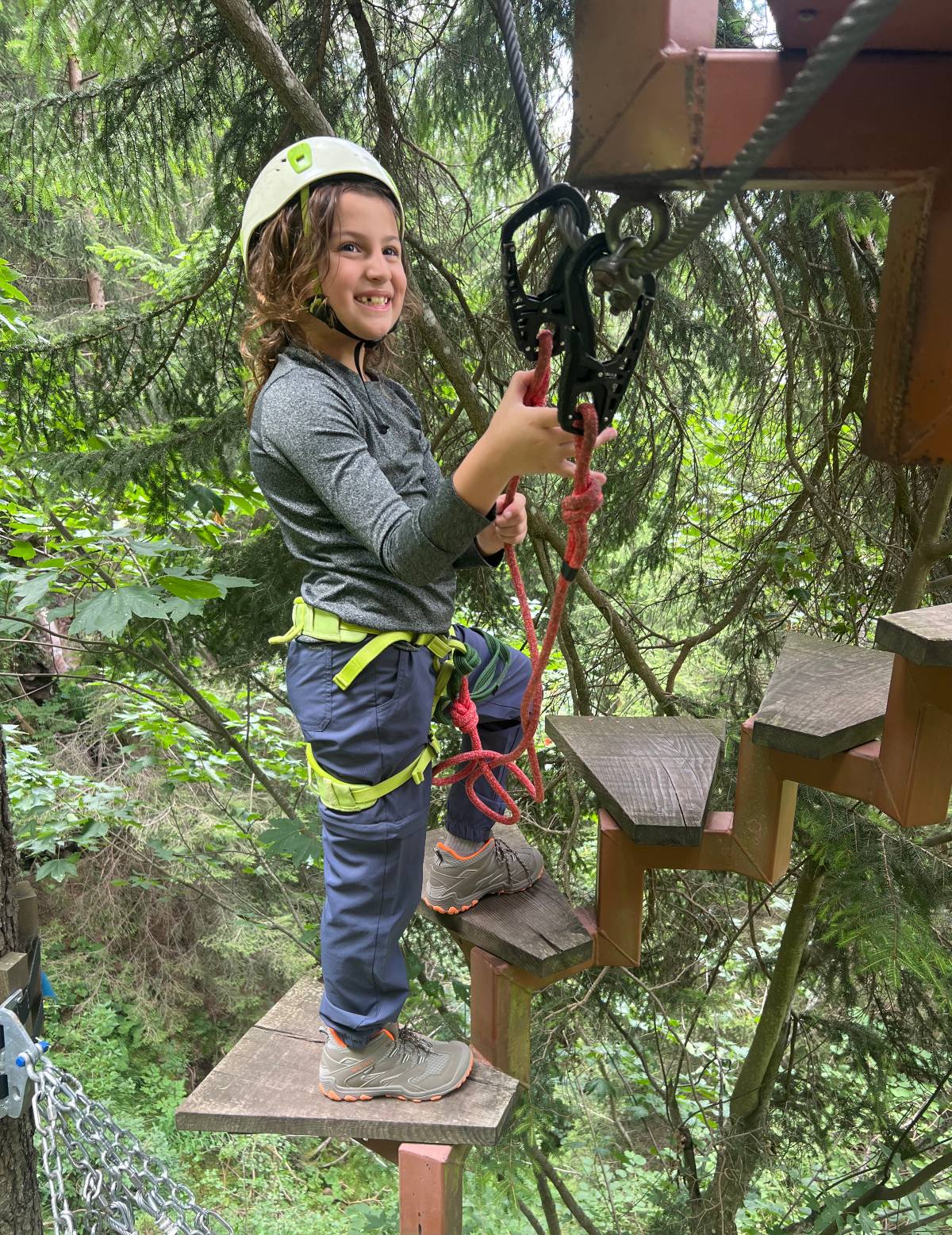
Modern childhood is increasingly characterized by structured schedules and high screen exposure. Consequently, travel itineraries that incorporate dedicated time for unstructured outdoor play provide essential developmental benefits. Natural environments serve a regulating function for young minds, offering a necessary respite from digital stimulation.
Whether observing exotic fauna in a distant ecosystem or simply burning off energy in a municipal park, unstructured outdoor time frequently yields serendipitous social interactions. Pediatric development studies indicate that children engaging in play across language barriers naturally enhance their emotional intelligence, learning to interpret nuanced body language and non-verbal social cues. Additionally, incorporating ample outdoor recreation acts as a natural buffer against sightseeing fatigue, ensuring that the family unit remains balanced and energized throughout the journey.

Mitigating Fatigue Through Measured Pacing
A pervasive pitfall in family vacation planning is the inclination to over-schedule itineraries in an effort to maximize financial and temporal investments. However, data compiled from family travel consultants indicates that excessive pacing reliably precipitates behavioral meltdowns in children and elevated stress levels for adults.
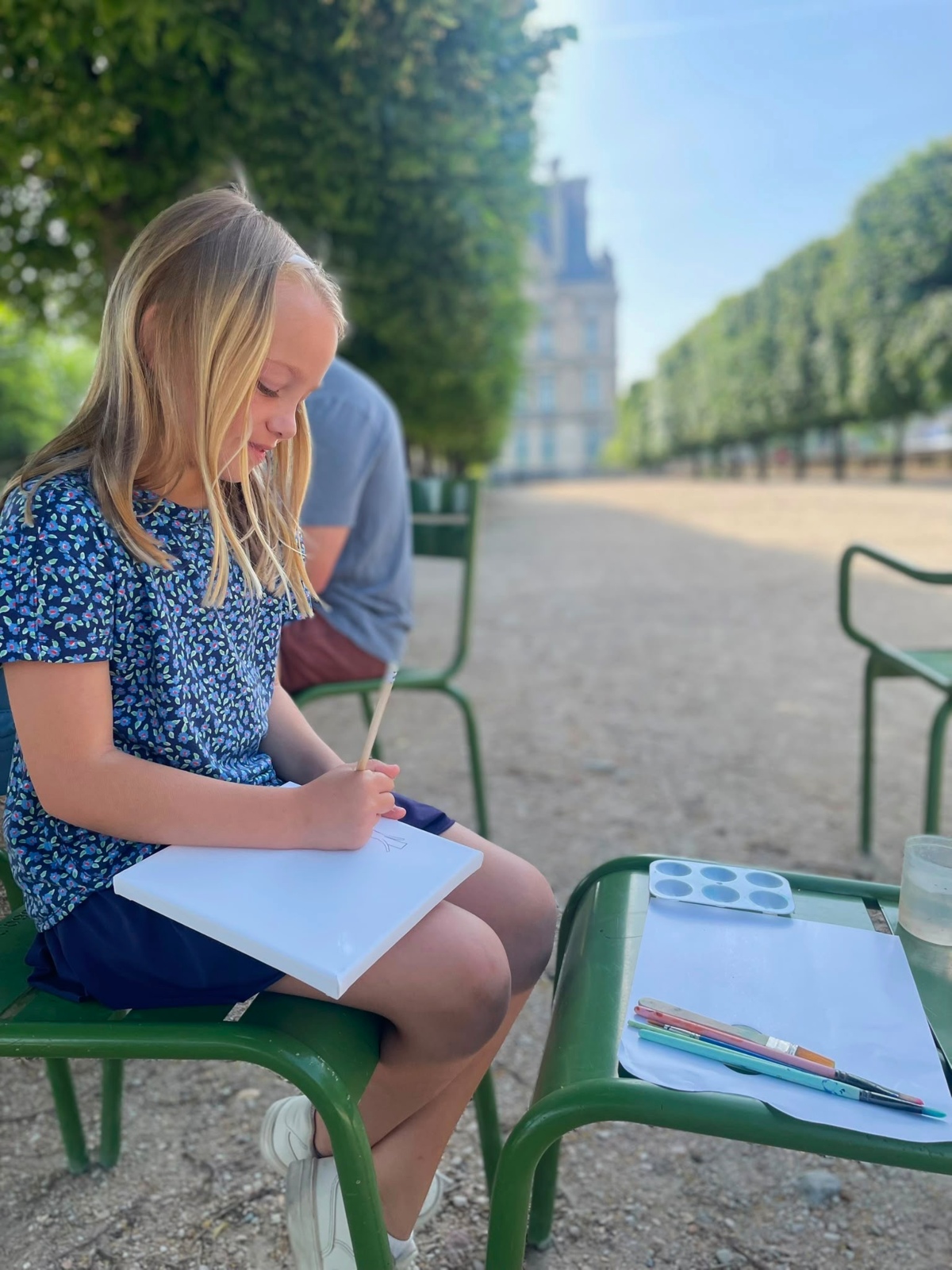
To maintain psychological well-being, travel planners advocate for a minimalist approach to daily sightseeing. Concentrating on a select few key highlights per day, supplemented by generous intervals for rest and unstructured reflection, yields superior retention and enjoyment. Integrating reflective practices, such as maintaining a travel journal or sketching local scenery, allows children to process and synthesize complex stimuli at their own developmental pace.

Capitalizing on Calendar Flexibility Before Secondary Education
The timing of family vacations remains a critical economic and developmental variable. Educational specialists note that while adherence to school attendance policies is mandatory, elementary school administrations generally exhibit greater flexibility regarding short-term absences than secondary institutions. Utilizing shoulder-season windows—such as autumn or winter recesses—allows families to bypass peak pricing, avoid dense tourist congestion, and secure superior availability across premium hospitality sectors.
This calendar fluidity deteriorates rapidly as children progress into middle and high school. The intensification of academic requirements, standardized testing schedules, and competitive athletic commitments severely restricts travel windows, often confining families rigidly to high-cost, high-crowd summer and spring break periods. Recognizing this temporal constraint underscores the strategic advantage of executing ambitious international travel during the elementary school years.
Gamifying Cultural Immersion to Combat Museum Fatigue
Standard museum visits and historical tours can occasionally induce resistance among younger travelers who perceive educational outings as an extension of the classroom. To circumvent this reluctance, travel advisors recommend gamifying cultural exploration.
Implementing structured scavenger hunts, architectural counting challenges, or impromptu historical re-enactment photography transforms passive observation into an active pursuit. Establishing modest incentive structures—ranging from a celebratory gelato stop to a small souvenir selection—reinforces positive associations with cultural heritage sites and motivates children to engage deeply with their surroundings.
Nutritional Consistency and Contingency Planning
Logistical disruptions and unexpected transit delays are inherent components of international and domestic travel. For families with school-age children, physiological stability is inextricably linked to nutritional timing. Unanticipated schedule gaps can precipitate sudden drops in blood sugar, leading to fatigue and behavioral friction.
Experienced family travelers emphasize the necessity of maintaining a portable supply of nutrient-dense, travel-friendly snacks—such as fruit leather, whole-grain crackers, and hydration provisions—at all times. This proactive measure bridges the inevitable temporal gaps between international dining customs and domestic meal schedules, ensuring emotional equilibrium across diverse transit environments.

Broader Implications and Industry Analysis
The burgeoning demand for specialized family travel planning reflects a broader cultural shift toward experiential education and multigenerational bonding. Industry metrics indicate a steady upward trajectory in requests for custom itineraries tailored specifically to the developmental needs of elementary-aged children.
As global connectivity expands, parents increasingly view international travel not merely as a recreational luxury, but as an essential component of a comprehensive modern education. By prioritizing immersive, thoughtfully paced journeys during the flexible elementary years, families lay a durable cognitive and emotional foundation. Travel advisors maintain that the dividends of these early investments manifest in enhanced global literacy, heightened resilience, and enduring familial connections that persist long after the itineraries conclude.