May 2026 Travel Review: Prague, the Cotswolds Cheese-Rolling, and High-End Dining

The month of May stands out as one of the optimal periods for international mobility and European exploration, combining favorable weather patterns with an array of cultural festivals and culinary events. Travel chroniclers and global nomads frequently highlight Central and Western Europe during late spring as prime territory for extended excursions, balancing outdoor pursuits with urban lifestyle experiences.
This retrospective examines a busy operational period spanning urban residence in the Czech Republic, a specialized cultural expedition into rural England, and the associated logistical, domestic, and cultural milestones encountered throughout the month.
Main Facts and Itinerary Overview
The travel cycle for May centered primarily around Prague, the capital of the Czech Republic, known for its late-spring food festivals, fine dining establishments, and extensive urban hiking infrastructure. The primary deviation from this base occurred during a targeted six-day expedition to the United Kingdom. This short-duration UK trip focused on specific regional events and locations outside of London, breaking from standard travel patterns that typically favor the British capital.
The UK itinerary encompassed three distinct phases:
- Exploration of the Cotswolds region, focusing on limestone architecture, rural walking trails, and traditional market towns.
- Attendance at the annual Cooper’s Hill Cheese-Rolling event near Gloucester.
- Urban sightseeing and culinary tourism in Bristol, a southwestern port city noted for its arts scene and gastronomy.
Parallel to these travels, domestic routines in Prague continued, involving local nature reserves, regional hiking paths, culinary exhibitions, and routine pet care management.
Chronology of Events
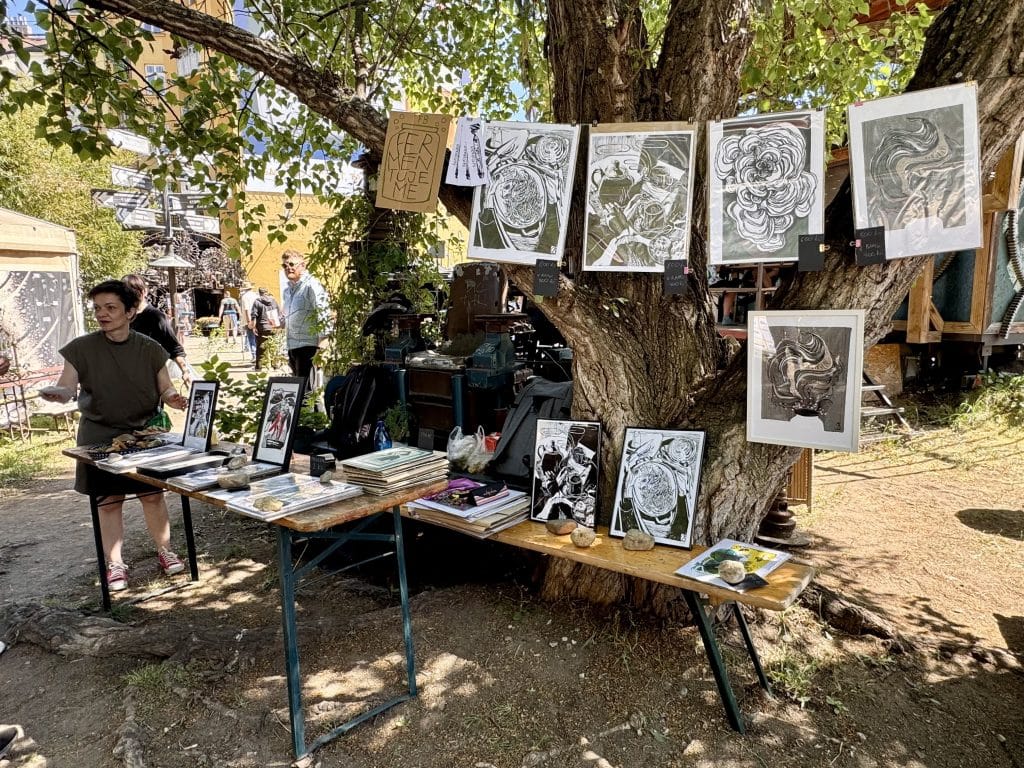
The month began in Prague, leveraging the city’s peak seasonal climate for local engagements. Activities in the Czech capital included participation in a fermented and spicy food festival held in the Holešovice district, alongside seasonal outdoor dining at established local restaurants such as El Camino, which specializes in avant-garde tapas.
Mid-month operations shifted to the United Kingdom. The timeline proceeded as follows:
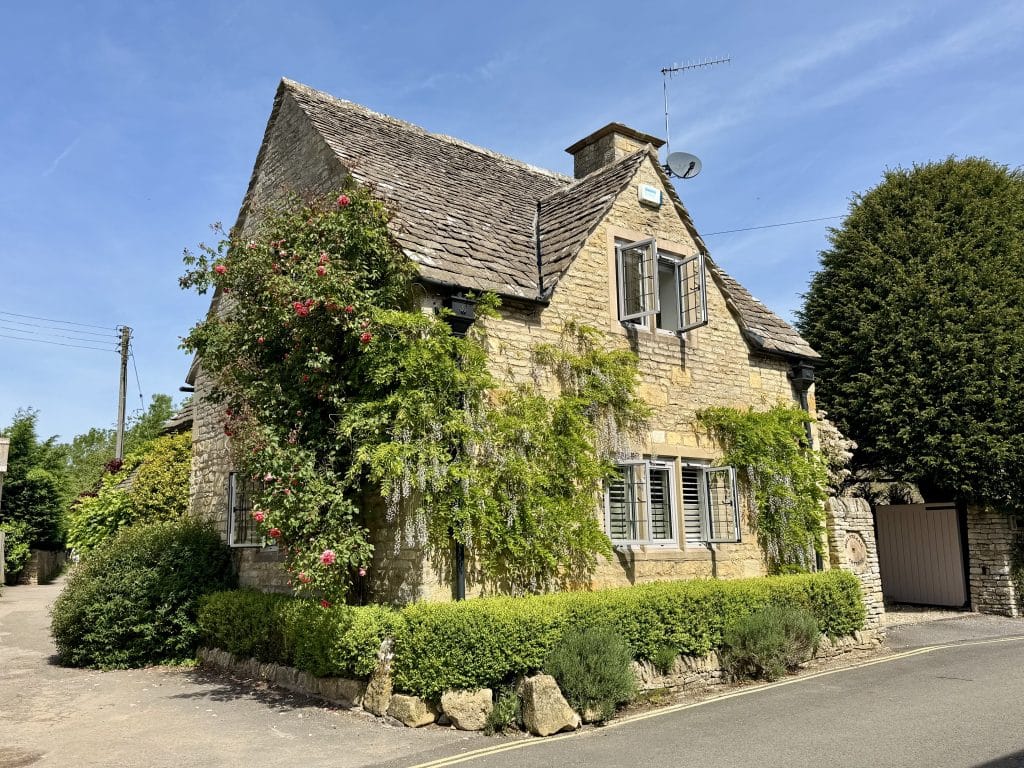
- Day 1–3 (Cotswolds): Arrival and transit through Gloucestershire and Oxfordshire villages. Notable stops included Bourton-on-the-Water, noted for its low bridges and riparian pubs; the twin villages of Upper and Lower Slaughter, connected by a scenic walking path; and Cirencester, functioning as a commercial hub within a heavily touristed zone.
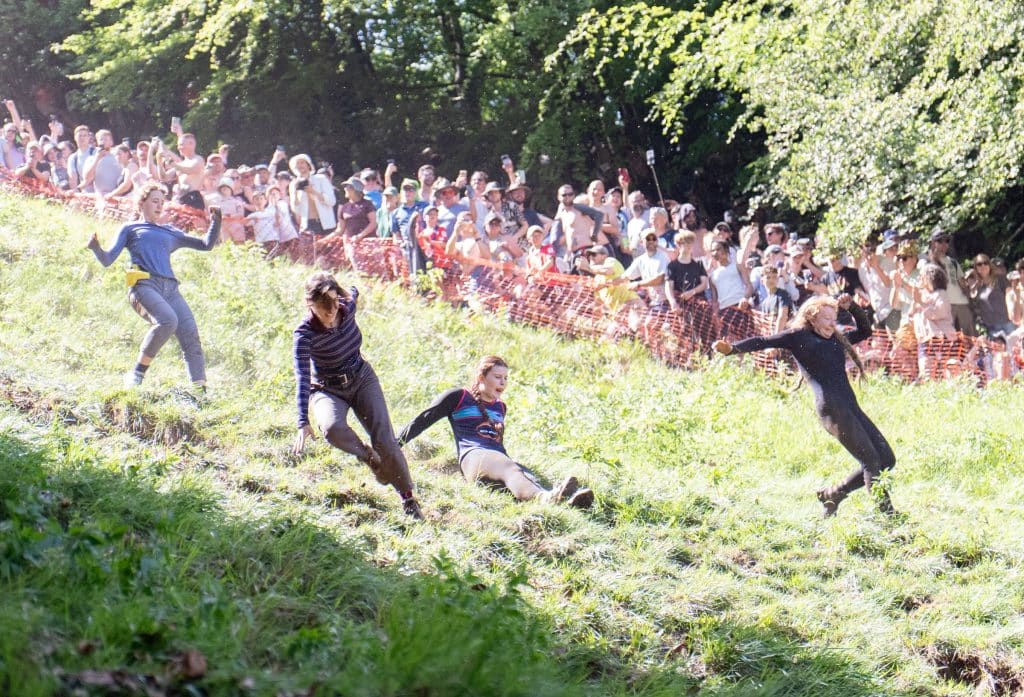
- Day 4 (Gloucester and Cooper’s Hill): Transit to the vicinity of Gloucester to witness the Cooper’s Hill Cheese-Rolling event, an annual custom involving participants chasing a wheel of Double Gloucester cheese down a steep incline. A brief, supplemental architectural visit was made to Gloucester Cathedral, though the surrounding municipality received unfavorable reviews regarding its urban environment.
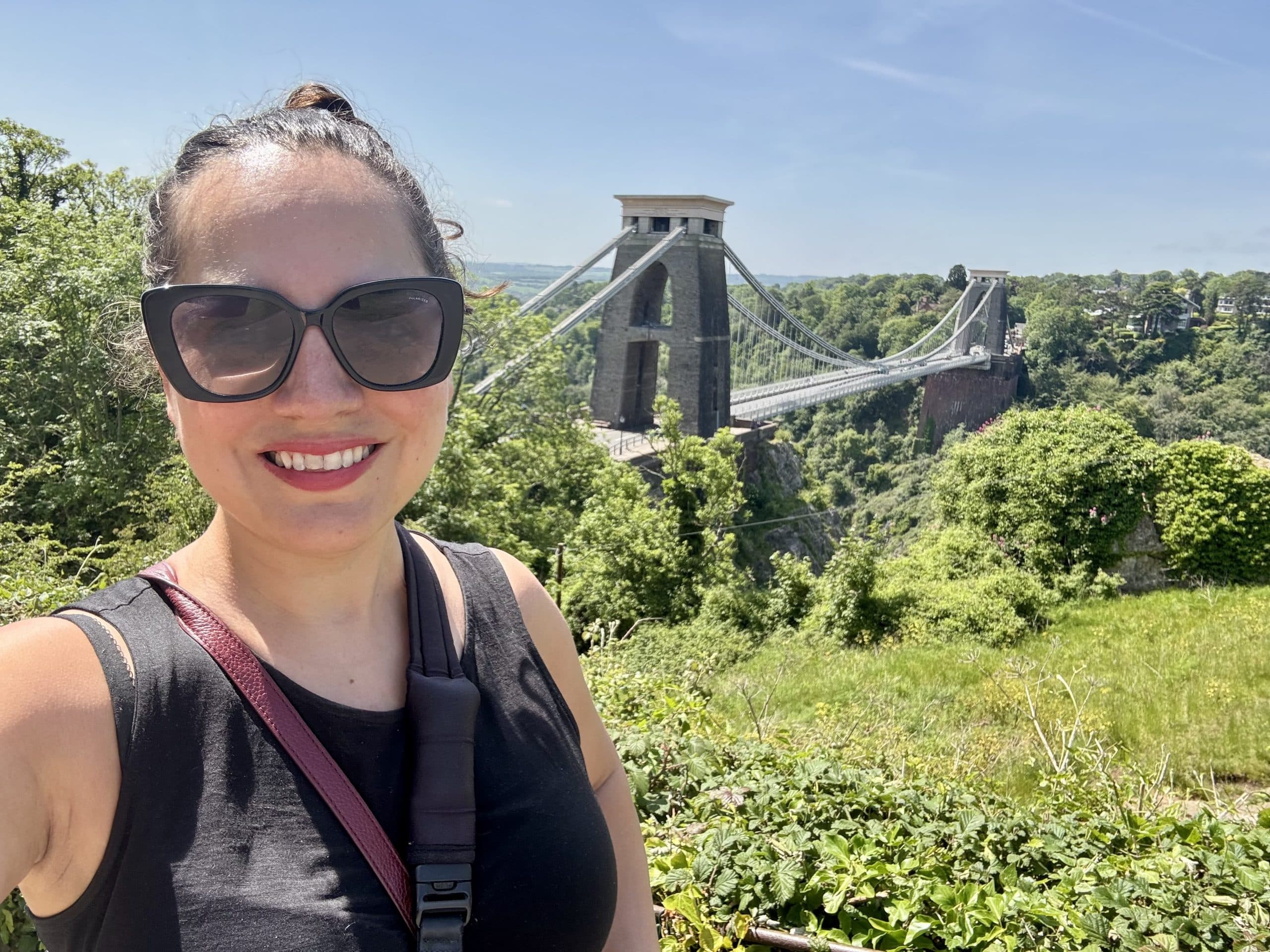
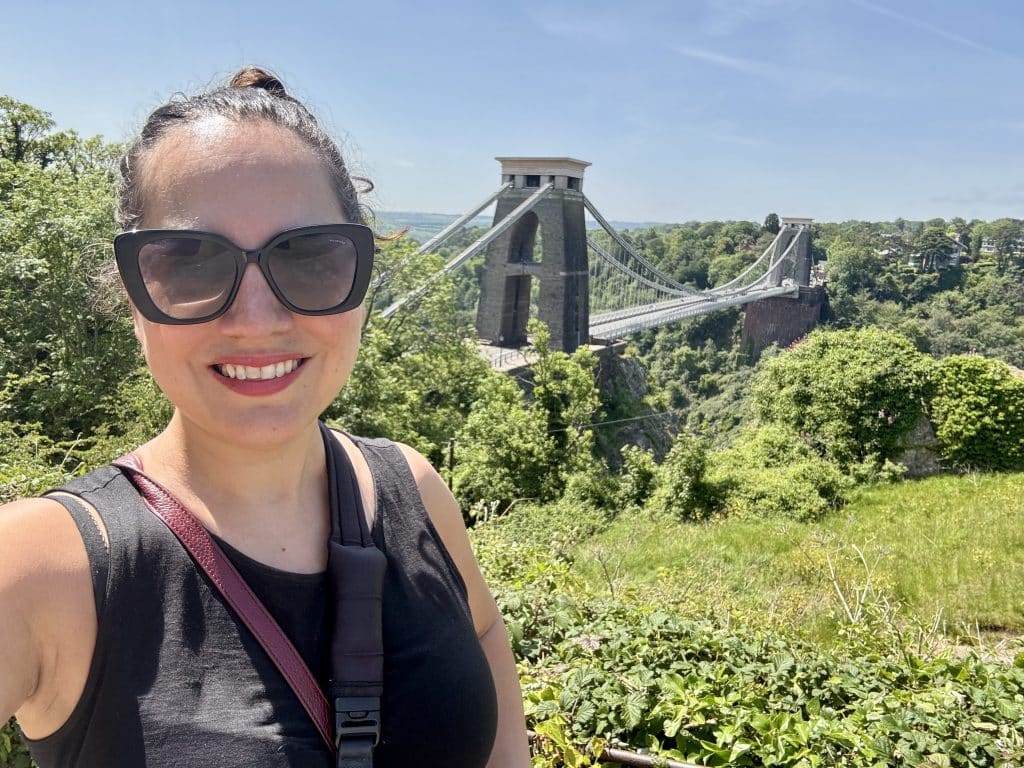
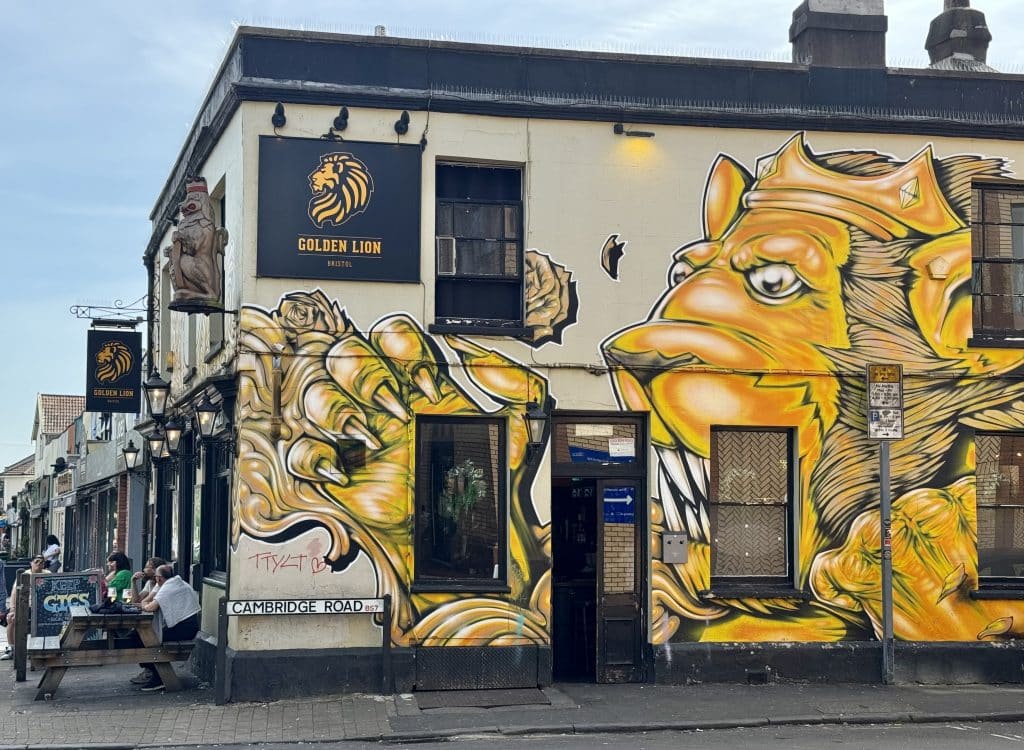
- Day 5–6 (Bristol): Transition to Bristol to examine maritime infrastructure, such as the Clifton Suspension Bridge, street art installations, and to dine at high-profile regional eateries.
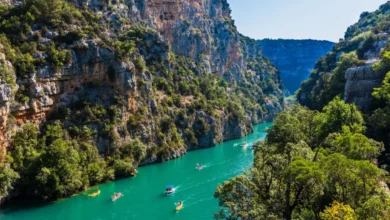
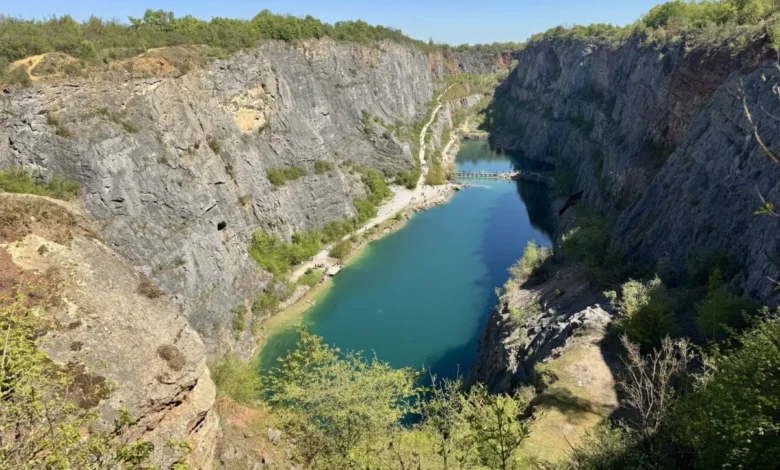
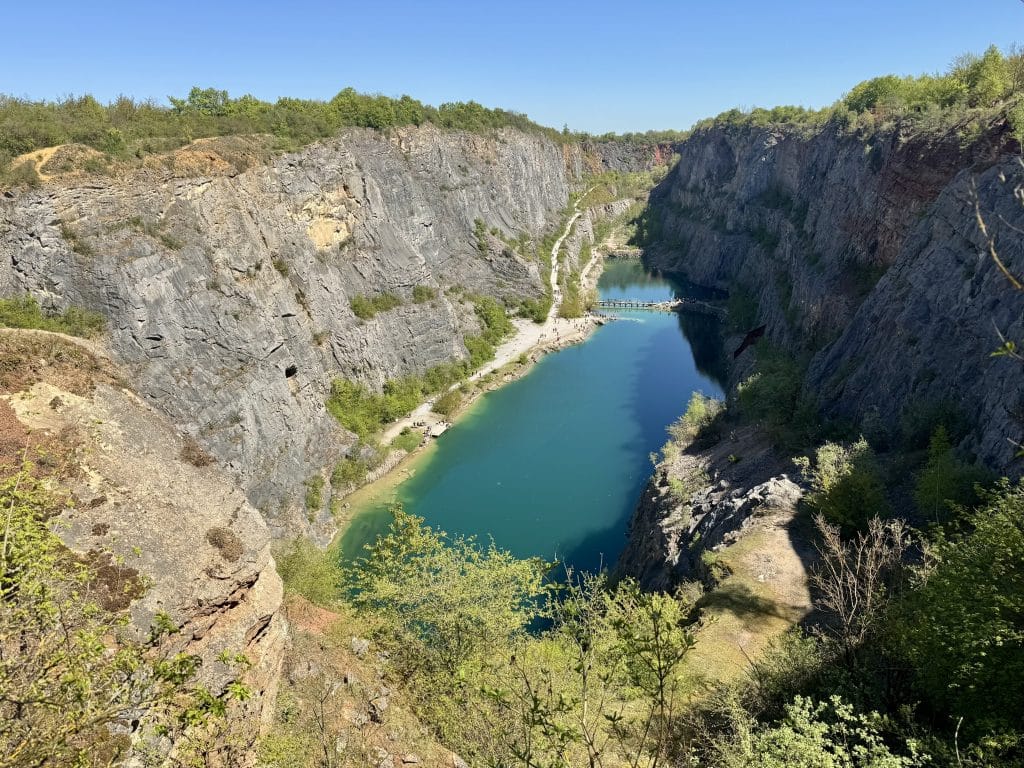
- Post-UK Return: Resumption of the Prague residency, featuring local recreational hikes to Velká Amerika (frequently styled as the "Czech Grand Canyon" near Karlštejn Castle) and the Divoká Šárka nature reserve located within city limits.
Cultural Highlights and Regional Analysis
The Cotswolds and the Cheese-Rolling Tradition
The Cotswolds region represents a protected Area of Outstanding Natural Beauty (AONB) spanning several counties in south-central England, characterized by Jurassic limestone architecture and agrarian landscapes. While tourism remains a primary economic driver for the area, regional exploration yields insights into rural preservation policies and local community structures.
The primary impetus for the UK journey, the Cooper’s Hill Cheese-Rolling, is an unorganized, traditional event with centuries of documented history. Despite a lack of official sanction from local authorities due to safety liabilities and high injury rates, the event draws international spectators and participants. Observers note that while the spectacle offers significant cultural anthropology value regarding historical British rural customs, the physical risks involved restrict participation primarily to specialized athletes or thrill-seekers.
Culinary Tourism: The Bristol Gastronomy Scene
A major highlight of the British leg involved dining at Wilson’s, a Michelin-starred establishment in Bristol that gained broader international visibility through documentary and media features. The restaurant exemplifies a broader European trend toward hyper-local sourcing, sustainable agriculture, and micro-seasonal tasting menus. Operating outside of London’s saturated culinary market, regional establishments often provide exceptional price-to-quality ratios—such as multi-course menus priced significantly lower than equivalent Michelin-pedigree meals in capital cities—thereby stimulating regional tourism economies in secondary British cities.
Urban and Natural Exploration in Prague
Prague offered a contrasting domestic routine centered on civic infrastructure and public green spaces. Hikes to Velká Amerika—an abandoned limestone quarry filled with turquoise water—highlighted the industrial heritage and recreational conversion of post-extraction landscapes in Central Europe. Similarly, the Divoká Šárka reserve demonstrated the integration of protected wilderness areas within municipal boundaries, facilitating accessibility for urban residents without requiring extensive transit.
Challenges and Logistical Impediments
International travel and domestic residency inevitably present operational friction points. Key challenges during this period involved veterinary health scares and urban planning evaluations.
Feline Health Management
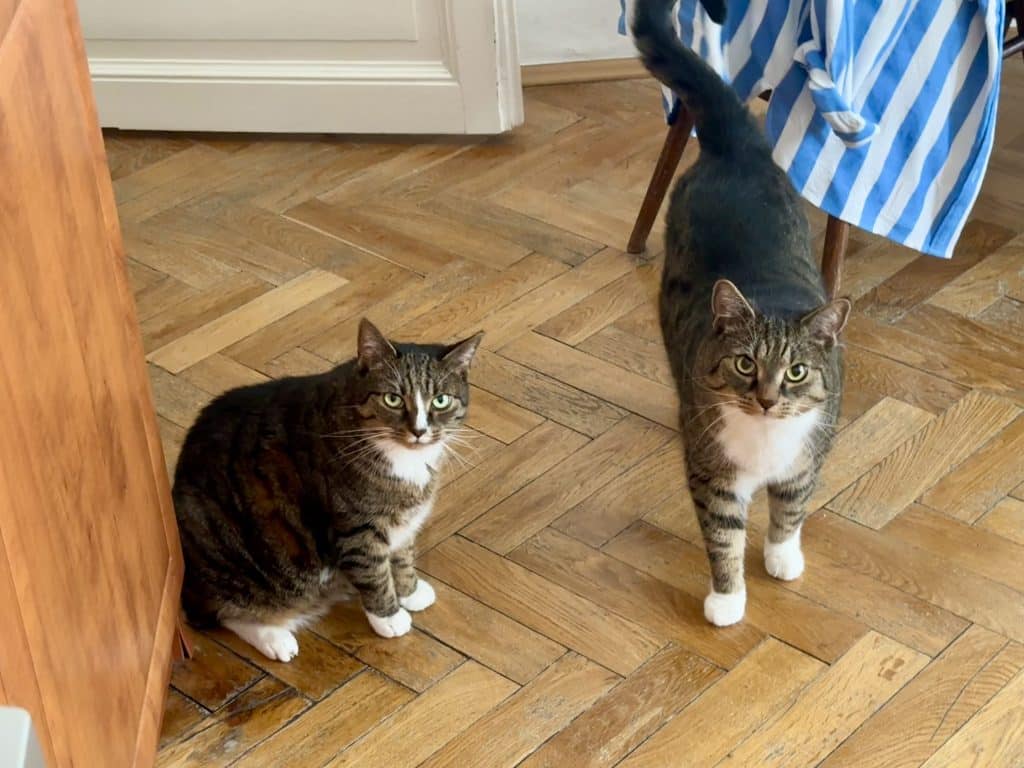
Domestic logistics were momentarily disrupted by an acute health scare involving a pet cat exhibiting tachypnea (rapid breathing) and lethargy. Standard protocol required immediate veterinary intervention, necessitating comprehensive diagnostic procedures including radiography, ultrasonography, and complete blood panels. The diagnostic outcome proved negative for pathology, indicating transient environmental heat stress.
This incident underscored the logistical importance of veterinary infrastructure for expatriates and pet owners residing abroad. The discovery of an English-speaking, 24-hour veterinary facility within close proximity to the primary residence resolved a long-standing compromise between local Czech-speaking clinics with short transit times and distant specialist facilities burdened by extended wait times.
Urban Assessment Discrepancies
Evaluations of urban environments yielded mixed results. While Bristol received favorable assessments for its youthful demographic, creative sector, and culinary density, the city of Gloucester proved an operational disappointment. Despite the architectural significance of Gloucester Cathedral—globally recognized for its medieval fan vaulting and cinematic associations—the surrounding urban core was assessed as economically depressed and aesthetically unappealing, leading to the practical recommendation for travelers to utilize nearby Cheltenham as a base for regional exploration.
Broader Impact and Economic Implications
The operational month reflects broader trends in post-pandemic European travel, characterized by a preference for secondary cities over hyper-congested capitals, the integration of remote work with localized cultural tourism, and an increasing emphasis on high-value culinary experiences.
Furthermore, lifestyle adjustments among expatriate communities underscore the necessity of robust municipal infrastructure—ranging from specialized healthcare services to efficient public transit networks—in sustaining long-term international mobility. As global tourism continues to normalize, the deliberate decentralization of travel itineraries toward specialized regional events (such as rural English traditions) and lesser-known geographic formations (such as Central European quarries and nature reserves) points toward a maturing travel sector that values depth and specialized interest over conventional mass tourism.
Related posts: