While the transition from summer to autumn is universally celebrated for its vibrant visual palette—ranging from the deep crimson of maples to the golden hues of aspens—the season also initiates one of the most profound acoustic shifts in the natural world. As ambient temperatures drop, deciduous canopies thin, and migratory patterns peak, the outdoor soundscape undergoes a dramatic transformation. Yet, human sensory perception during outdoor recreation is heavily biased toward the visual, often causing hikers to overlook an equally rich auditory environment.
To bridge this sensory gap, conservationists, ornithologists, and park officials increasingly emphasize the value of acoustic ecology—the study of the human perception of the acoustic environment. Fall provides an ideal laboratory for acoustic immersion, driven by three primary biological and physical phenomena: wildlife breeding rituals (the rut), mass avian migrations, and intensified meteorological activity along coastlines and geological features.
Understanding these acoustic shifts requires a deliberate slowing of pace. Whether due to the crunch of frost underfoot, the echoing bugle of a bull elk across an alpine meadow, or the thunderous impact of oceanic swells against granite bedrock, autumn soundscapes offer a distinct temporal marker of ecological change. Across North America, several designated trails serve as premier destinations for experiencing these distinct seasonal frequencies, backed by decades of conservation data and wildlife management research.
Cosumnes River Preserve Trail, Lodi, California: The Migration of the Greater Sandhill Crane
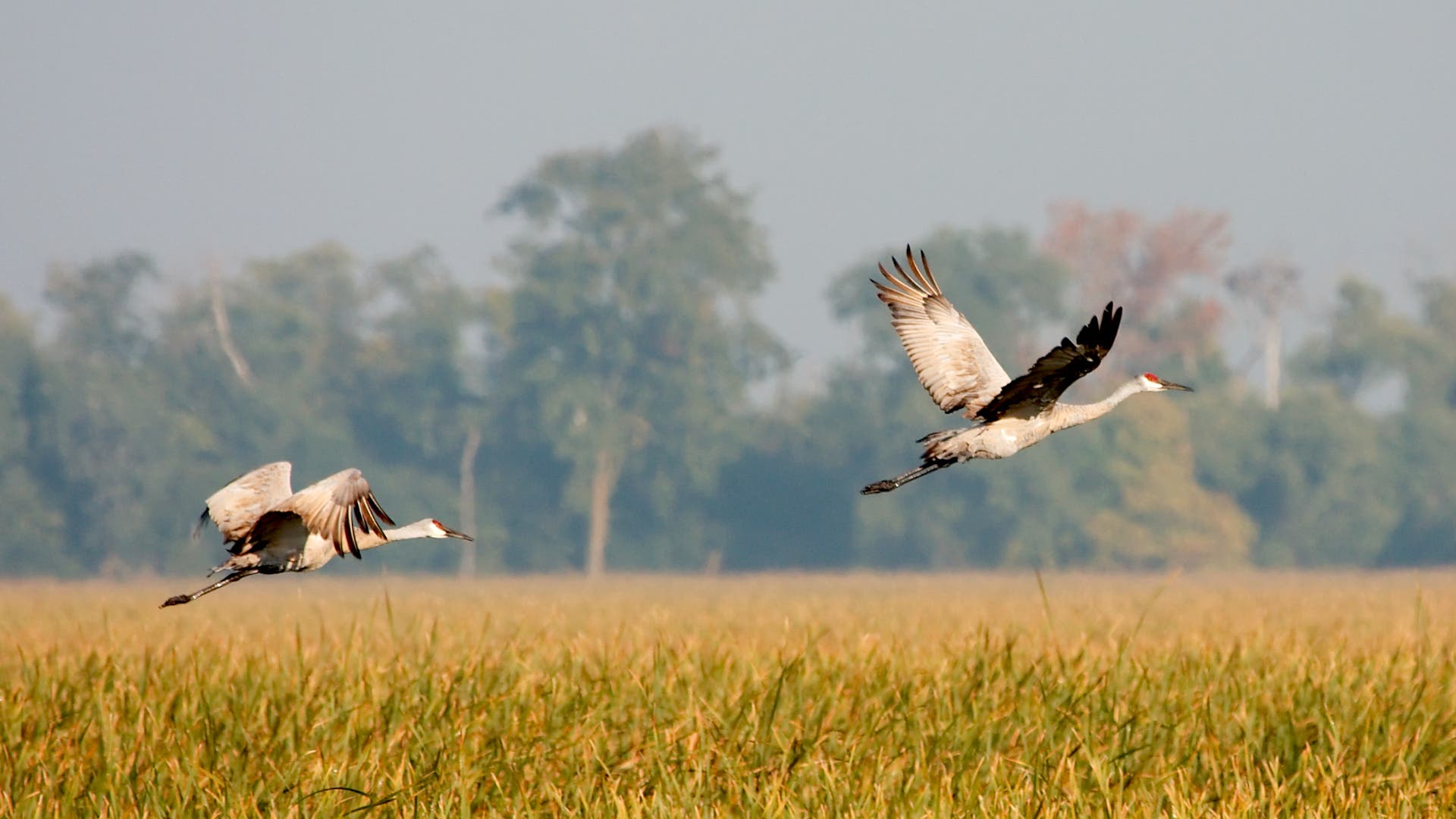
The Central Valley of California serves as the wintering terminus for one of North America’s most majestic avian species: the greater sandhill crane (Antigone canadensis tabida). Each autumn, these ancient birds complete a multi-thousand-mile migration from breeding grounds in Alaska, British Columbia, and the Pacific Northwest, arriving in the seasonally flooded wetlands of the California Delta.
According to Mamie Starr, President of the Lodi Sandhill Crane Association, the arrival of the cranes marks the definitive ecological shift into autumn for the region. "Nothing heralds the start of autumn to the California Delta like the first calls of the Sandhill Cranes as they wing their way from Alaska and Canada to wetlands they have annually inhabited for thousands of years," Starr notes.
Acoustic Profile and Optimal Viewing
The soundscape of the Cosumnes River Preserve is defined by the cranes’ distinct, prehistoric, and remarkably far-carrying bugle—a rattling, rolling vocalization produced by an extra-long windpipe that loops within the bird’s sternum. This acoustic display peaks between mid-October and mid-November.
To experience this phenomenon fully, hikers are advised to utilize the preserve’s four-mile loop trail, specifically positioning themselves on the boardwalk overlooking the marsh approximately 30 to 45 minutes before sunset. During this twilight window, thousands of cranes descend from thermal currents in synchronized, spiral formations, creating an auditory chorus that reverberates across the shallow water basins. Ornithologists recommend pairing the acoustic experience with binoculars to correlate the descending spiral flight patterns with the shifting volume and pitch of the flock’s collective calls.
Cub Lake Trail, Rocky Mountain National Park, Colorado: The Bugle of the Bull Elk
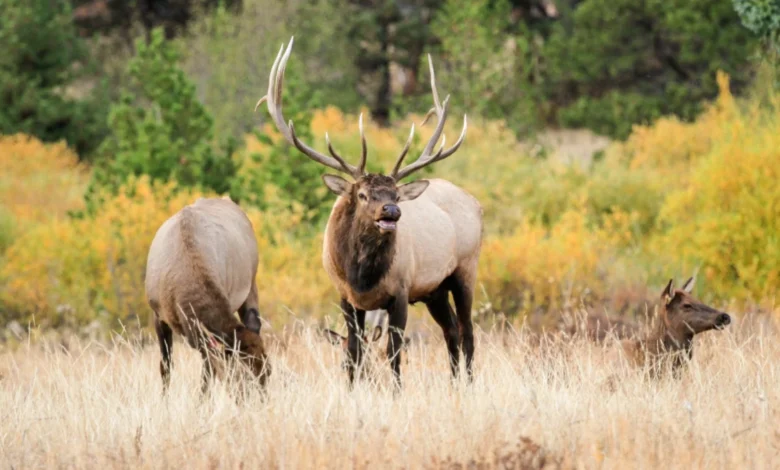
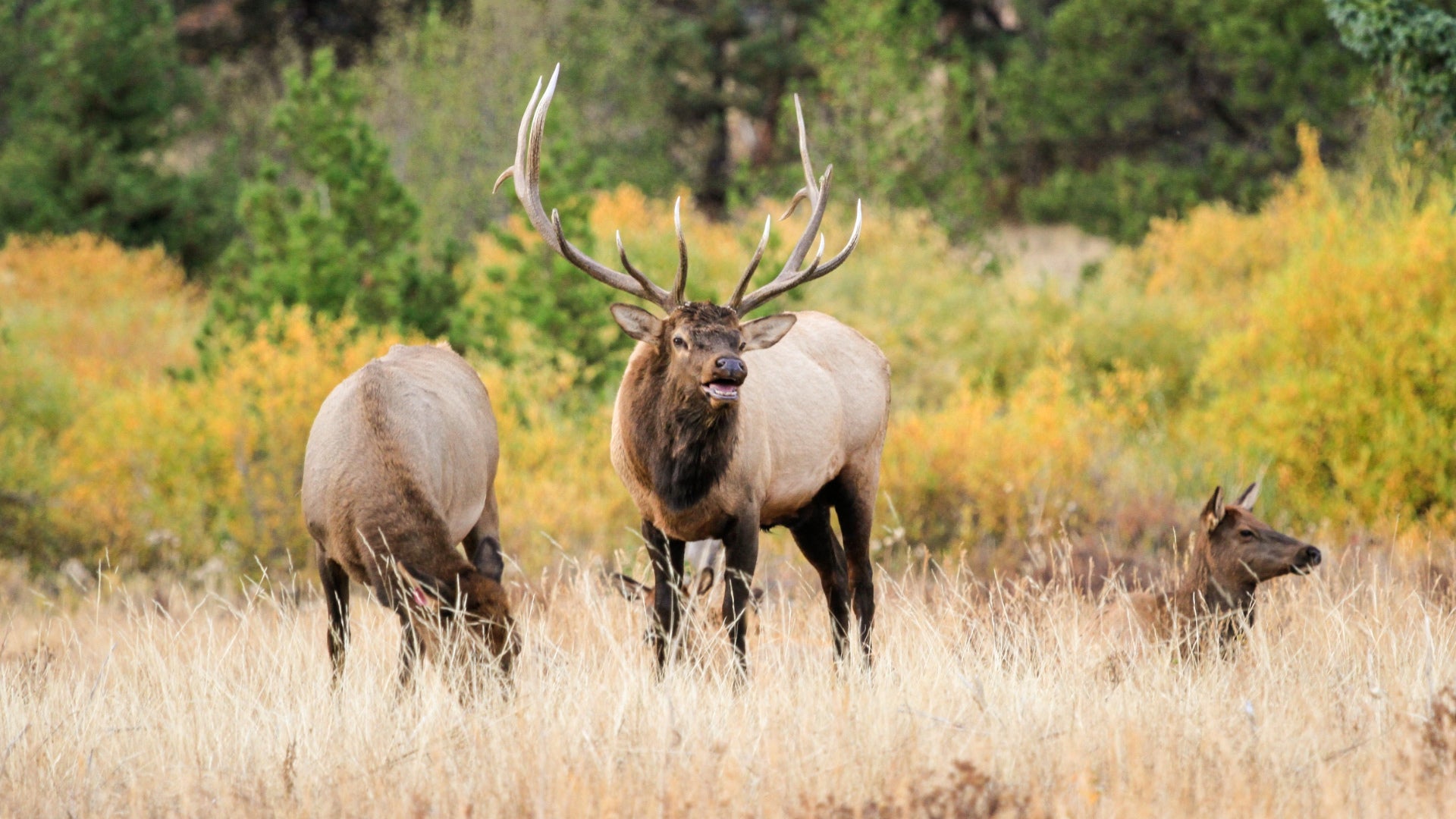
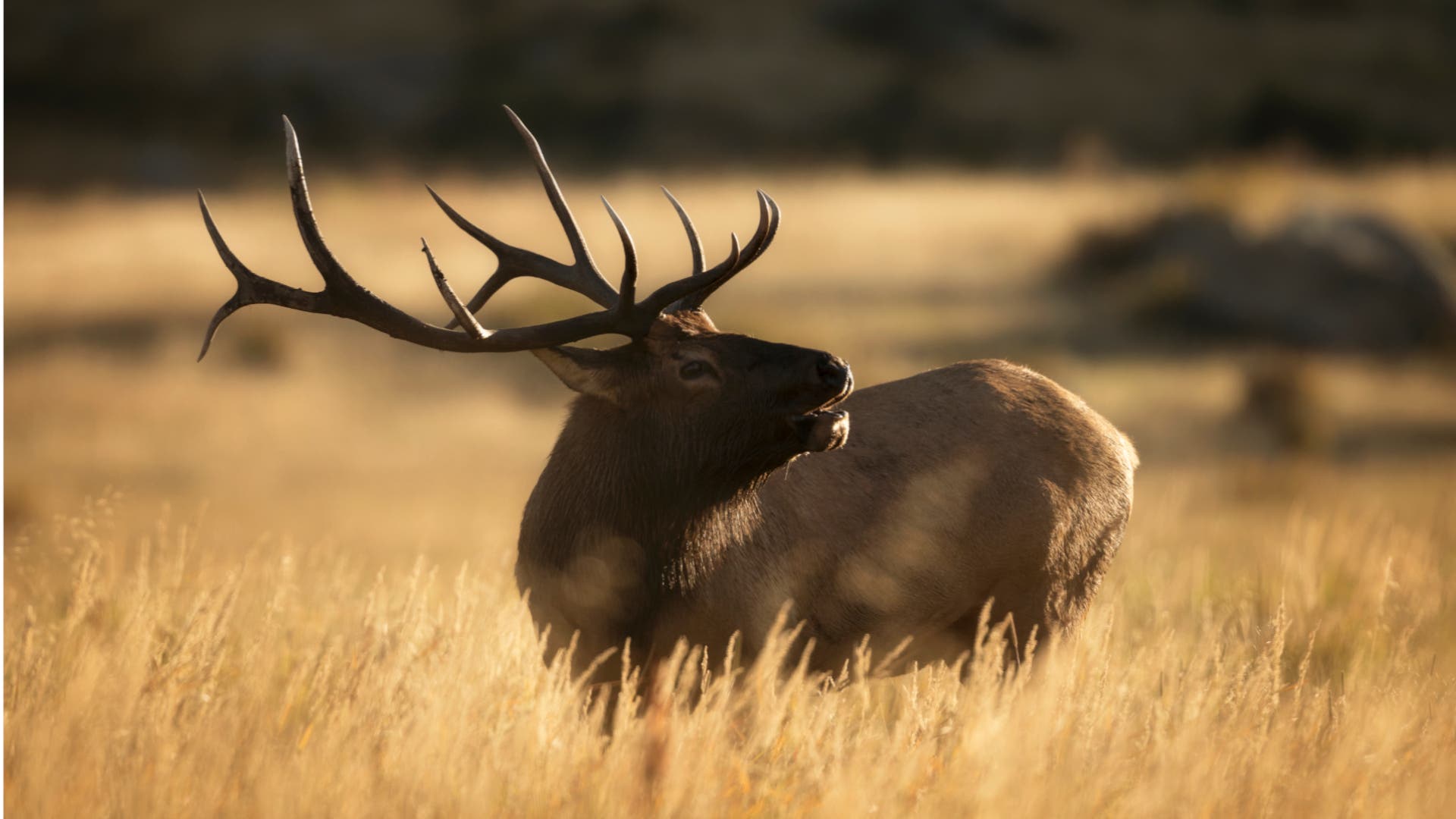
High-altitude ecosystems in the Rocky Mountains experience a dramatic acoustic transformation every September, driven entirely by the mammalian breeding season, known as the rut. During this period, bull elk (Cervus canadensis) gather harems and engage in vocal and physical displays to establish dominance and attract females.
Kyle Patterson, public affairs officer for Rocky Mountain National Park, explains the complexity of the vocalization. "A bull elk’s bugle is a crescendo of deep, resonant tones that rise rapidly to a high-pitched squeal before dropping to a series of grunts," Patterson says. This sound can carry for over a mile across open mountain parks, cutting through crisp autumn air with startling clarity.
Trail Logistics and Safety
The 5.8-mile Cub Lake Trail passes directly through Moraine Park, widely documented by park biologists as one of the most active elk-rutting grounds in the 415-square-mile national park. Peak acoustic activity occurs during the diurnal transition periods—first light at dawn and the golden hour preceding sunset—when cooler temperatures increase sound propagation.
Wildlife management officials urge visitors to balance acoustic observation with strict safety protocols. Because bull elk experience elevated hormone levels and territorial aggression during the rut, hikers must maintain a minimum distance of 75 feet from all wildlife, utilizing telephoto lenses or binoculars rather than approaching the animals to capture audio recordings.
Ocean Path to Thunder Hole, Acadia National Park, Maine: Maritime Resonance
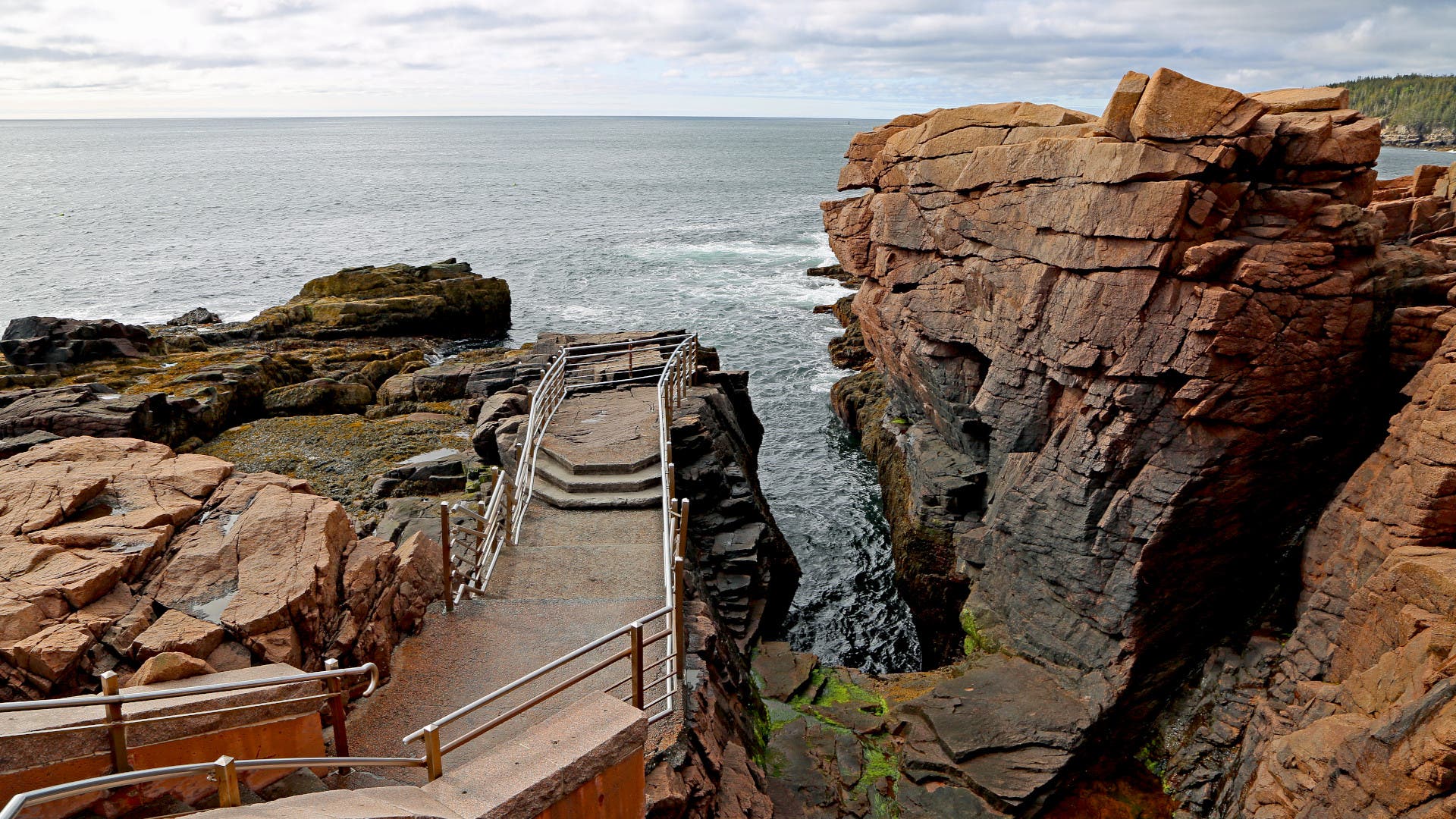
While wildlife vocalizations dominate terrestrial ecosystems in the fall, marine environments along the Atlantic seaboard provide a geological soundscape driven by hydrodynamics. Located within Acadia National Park, Thunder Hole is a naturally carved granite chasm where incoming oceanic waves are funneled into a confined space, compressing air and water before releasing them with an explosive concussive boom.
Richard Porter, Assistant General Manager at Terramor Outdoor Resort, emphasizes the importance of tidal timing for visitors seeking the authentic acoustic experience. "Timing can make a big difference at Thunder Hole, so I recommend checking the tide schedule and arriving an hour before high tide, when the waves are more likely to create that loud sound," Porter advises.
Seasonal Intensification
While Thunder Hole is accessible year-round, the acoustic intensity reaches its annual peak during the autumn months. The convergence of North Atlantic storm systems, seasonal hurricane remnants, and rising equinoctial tides generates exceptionally large ocean swells. As these swells crash against the shore, the acoustic output shifts from a gentle slosh to a low-frequency rumble that can be felt through the soles of hikers’ boots along the 4.4-mile Ocean Path loop. The National Park Service advises extreme caution along the granite staircases and wet coastal ledges during high-swell events due to slippery surfaces and sudden rogue waves.
Upper Geyser Basin Trail, Yellowstone National Park, Wyoming: Geothermal Acoustics
In the interior of Yellowstone National Park, the transition to autumn brings a profound acoustic cleansing. As the peak summer tourist season concludes, ambient human noise—such as vehicular traffic, crowded boardwalk chatter, and large tour groups—dissipates, leaving behind an unaltered geothermal soundscape that has persisted for millennia.
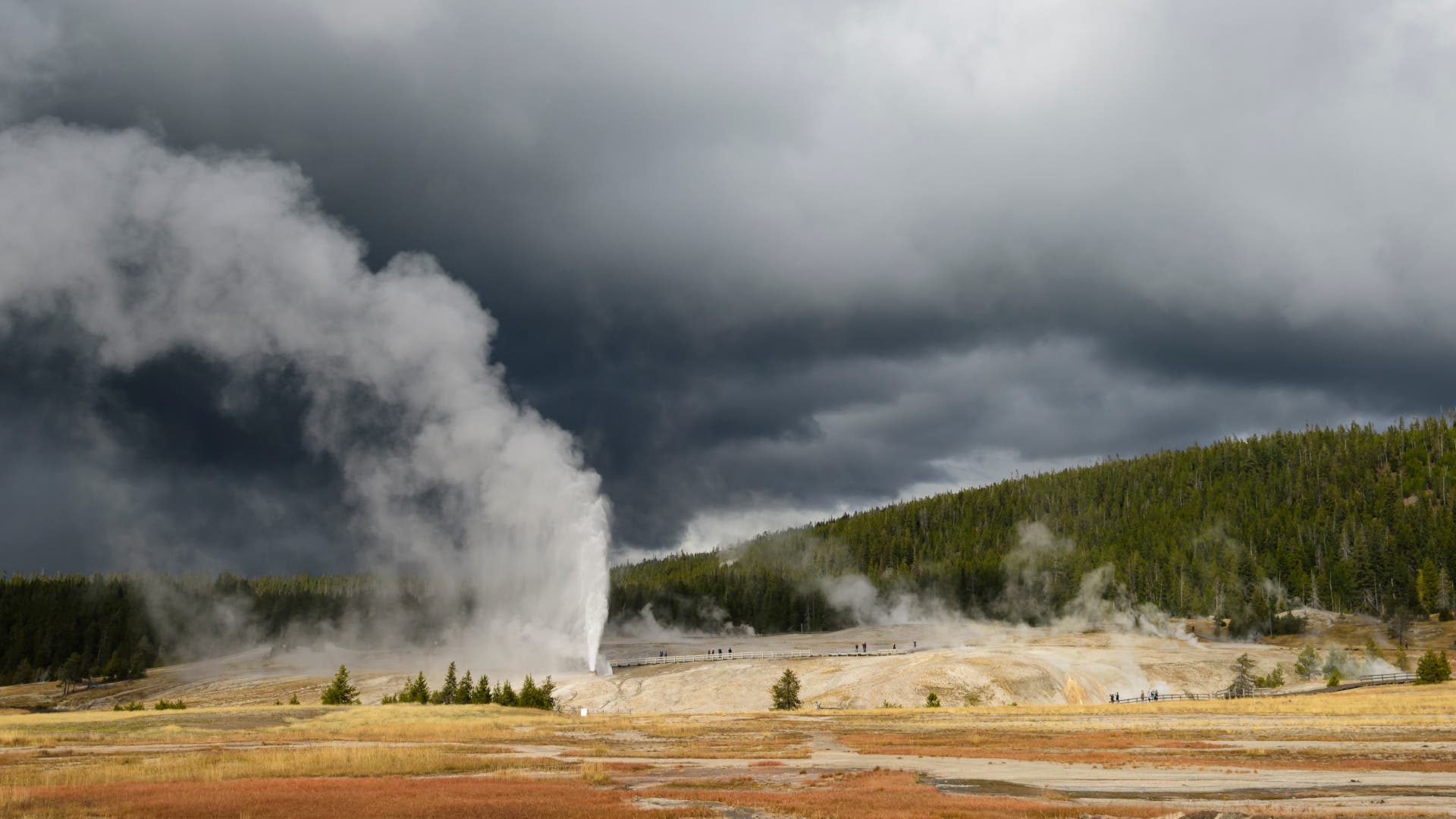
The Upper Geyser Basin contains the highest concentration of active geysers on Earth. Along the 3-mile loop trail, visitors encounter a layered, hyper-local acoustic environment composed of hissing steam vents, rhythmic bubbling mud pots, and the deep, subterranean rumbling that precedes major hydrothermal eruptions.
Todd Walton, Director of Sales and Marketing at Yellowstone National Park Lodges, highlights the unique seasonal advantage of visiting the basin in autumn. "It has all the different types of geothermal features in one spot with plenty of boardwalks less frequented by tourists," Walton notes. While Old Faithful remains the park’s primary visual attraction, acoustic ecologists recommend spending extended time near Riverside Geyser and Grand Geyser, where complex water-hammer effects and steam-release cycles create intricate, predictable acoustic compositions.
Blind Ash Bay Trail, Voyageurs National Park, Minnesota: The Gathering of the Loons
In the northern boreal forests of Minnesota, the common loon (Gavia immer) serves as the quintessential acoustic symbol of wilderness. Throughout the summer breeding season, territorial pairs maintain distinct acoustic boundaries across the interconnected waterways of Voyageurs National Park. However, as autumn approaches in September and early October, a significant behavioral shift occurs.
Before initiating their southern migration to coastal wintering grounds, common loons gather on large water bodies like Lake Kabetogama in communal flocks. This aggregation fundamentally alters their vocal behavior. Instead of solitary calls, lakeshores resonate with a complex polyphonic choir of wails, tremolos, and yodels as dozens of birds communicate across calm water surfaces.
The 2.9-mile Blind Ash Bay Trail hugs the rugged shoreline of Lake Kabetogama, offering hikers direct access to these aquatic congregations. Because cool, still autumn mornings minimize wind turbulence, loon vocalizations carry exceptional distance, making early morning hours the optimal window for acoustic observation.
Lookout Trail, Hawk Mountain Sanctuary, Pennsylvania: The Raptor Migration Census
Few locations in North America combine visual grandeur with high-frequency avian acoustics quite like Hawk Mountain Sanctuary along the Kittatinny Ridge in the Appalachian Mountains of Pennsylvania. As cold northern air masses push down the eastern seaboard between September and November, thousands of raptors—including broad-winged hawks, bald eagles, ospreys, and peregrine falcons—utilize thermal updrafts generated by the ridge to glide southward.
Gigi Romano, Communications Specialist at Hawk Mountain, notes the sheer scale of the migration: daily counts during peak weeks in September occasionally exceed 3,000 individual birds passing a single observation point.
The 1- to 4.2-mile Lookout Trail system ascends 300 feet to exposed rock outcrops such as East Rock and North Lookout. Beyond the visual spectacle of soaring raptors, hikers are treated to the sharp, piercing vocalizations of territorial and migrating birds communicating along the flyway. Hawk Mountain hosts the longest-running continuous raptor census in the world, having maintained daily counts since 1934. Biologists utilize these acoustic and visual monitoring efforts to track long-term population health across the Atlantic Flyway, making the trail both a recreational destination and a critical site for avian conservation science.

Broader Implications for Conservation and Recreation
As public interest in sensory ecology expands, land management agencies are increasingly recognizing the need to protect natural soundscapes from anthropogenic noise pollution. The National Park Service’s Natural Sounds and Night Skies Division actively monitors acoustic environments across federal lands, noting that uncompromised natural quiet and distinct biological soundscapes are vital indicators of ecosystem health.
For the modern outdoor enthusiast, shifting focus from visual consumption to acoustic mindfulness offers deeper ecological literacy. By timing excursions to coincide with biological peaks—such as the Lodi crane migration, the Rocky Mountain elk rut, or the autumn raptor flight over the Appalachians—hikers can experience the North American wilderness through a richer, multi-sensory dimension that underscores the interconnected rhythms of the natural world.