The Hidden Barrier to Sky-High Competition: Understanding the Impact of Cabotage on American Aviation

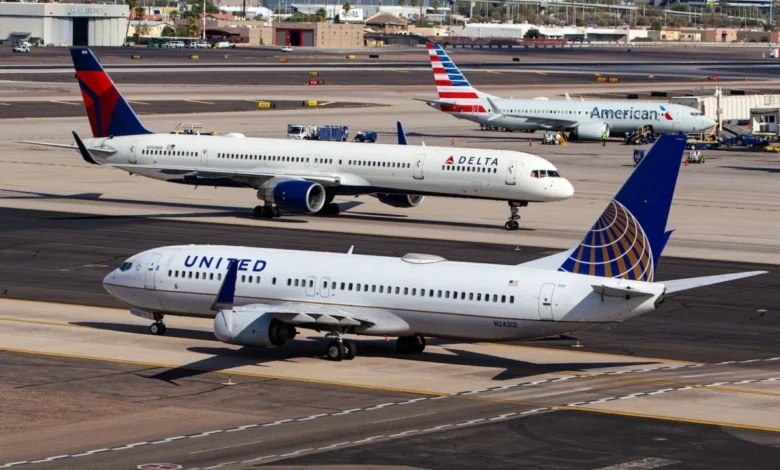
The American traveler often wonders why the domestic flying experience—characterized by high ticket prices, frequent delays, and inconsistent service—seems starkly inferior to the luxury and efficiency offered by international carriers on long-haul routes. The answer lies in a foundational, yet largely obscure, pillar of international aviation law known as cabotage. This protectionist policy, which effectively prohibits foreign airlines from operating domestic routes within the United States, stands as one of the most significant barriers to competition in the modern travel industry. While the law is intended to safeguard national interests, a growing chorus of critics argues that it has created a stagnant, monopolistic market that leaves consumers paying more for less.
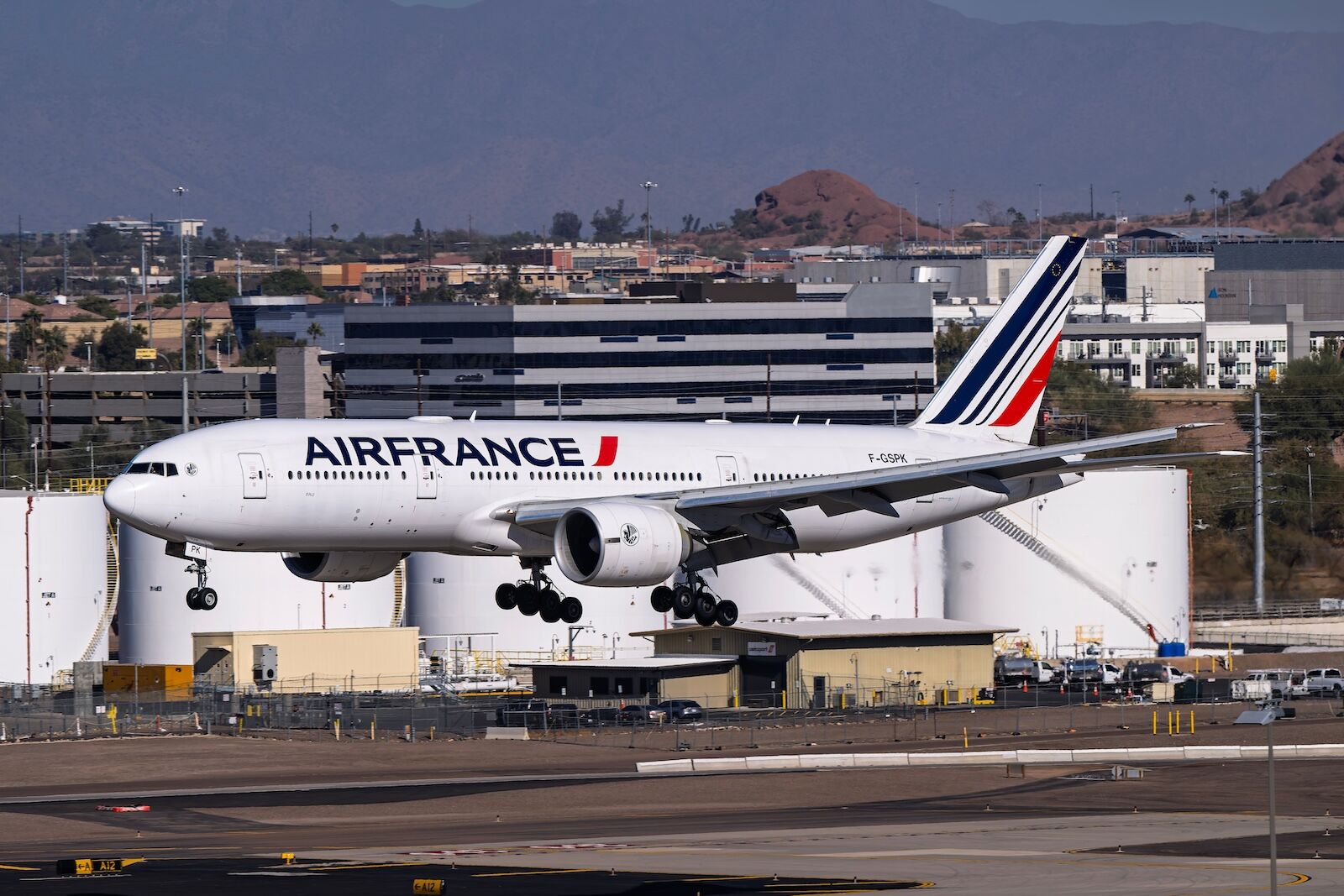
The term cabotage originates from the French verb caboter, which translates to “to sail along the coast.” Historically, it referred to maritime trade restrictions that reserved coastal shipping routes for domestic vessels. In the 16th century, these laws were designed to bolster nascent national merchant fleets and ensure domestic control over vital maritime supply lines. As the transportation landscape evolved, these protectionist principles migrated from the sea to the sky. Today, the restriction manifests as a rigid ban: foreign airlines, such as Emirates or Lufthansa, are permitted to transport passengers and cargo from their home nations to designated points within the U.S., but they are strictly forbidden from picking up and dropping off those same passengers between two domestic U.S. points. For instance, a flight from Dubai to New York is permissible, but that same aircraft cannot continue on to Los Angeles to pick up additional domestic passengers, as that would constitute direct competition with U.S.-based carriers.
A Chronology of Air Commerce and Protectionism
The legal architecture underpinning this restriction in the United States was formally established in the early 20th century. The Air Commerce Act of 1926 served as the first major federal effort to regulate the burgeoning aviation industry. Section 6 of the act established a blunt mandate: “no foreign aircraft shall engage in interstate or intrastate air commerce.” This clause was not merely a temporary measure; it was a foundational assertion of sovereignty over the nation’s airspace.

Following the devastation of World War II, the international community sought to standardize global aviation rules. In 1944, representatives from 52 nations gathered in Chicago to sign the Convention on International Civil Aviation, commonly known as the Chicago Convention. This landmark treaty established the “freedoms of the air.” While it encouraged international cooperation, it notably enshrined the right of any sovereign state to deny foreign carriers the privilege of cabotage. The United States leveraged this provision in the Federal Aviation Act of 1958, effectively codifying the 1926 restrictions into the modern era.
This protectionist stance is not unique to the U.S. Today, Canada, Australia, India, China, Brazil, and the European Union—which treats its member states as a single, unified aviation block—maintain similar regulations. However, while these laws are common, their application in the United States occurs within a uniquely concentrated market that has not seen significant new entry in decades.
The Economic Argument: Protecting Jobs or Shielding Monopolies?
The defense of cabotage is rooted in the concepts of national security and economic stability. Proponents, including domestic airline unions and trade groups such as the Air Line Pilots Association, argue that aviation is a strategic industry that must remain under national control. One of the most frequently cited justifications is the Civil Reserve Air Fleet (CRAF) program. Under this federal initiative, domestic airlines agree to provide aircraft and crews to the Department of Defense in times of national emergency. In exchange for this readiness, U.S. carriers receive favorable consideration for lucrative government contracts. Proponents argue that allowing foreign competition would undermine the viability of these U.S. carriers, thereby weakening the nation’s emergency logistics capabilities.
Furthermore, domestic airlines contend that foreign competitors, often heavily subsidized by their respective governments, could engage in predatory pricing if allowed to operate domestically. They argue that foreign carriers are subject to different labor and regulatory standards, which would put American aviation workers at an unfair disadvantage. With the U.S. commercial aviation sector employing more than 555,000 people as of July 2026, labor groups emphasize that the preservation of cabotage is essential to protecting American jobs from global wage and regulatory arbitrage.
The Case for Competition: Consumer Impact and Market Concentration
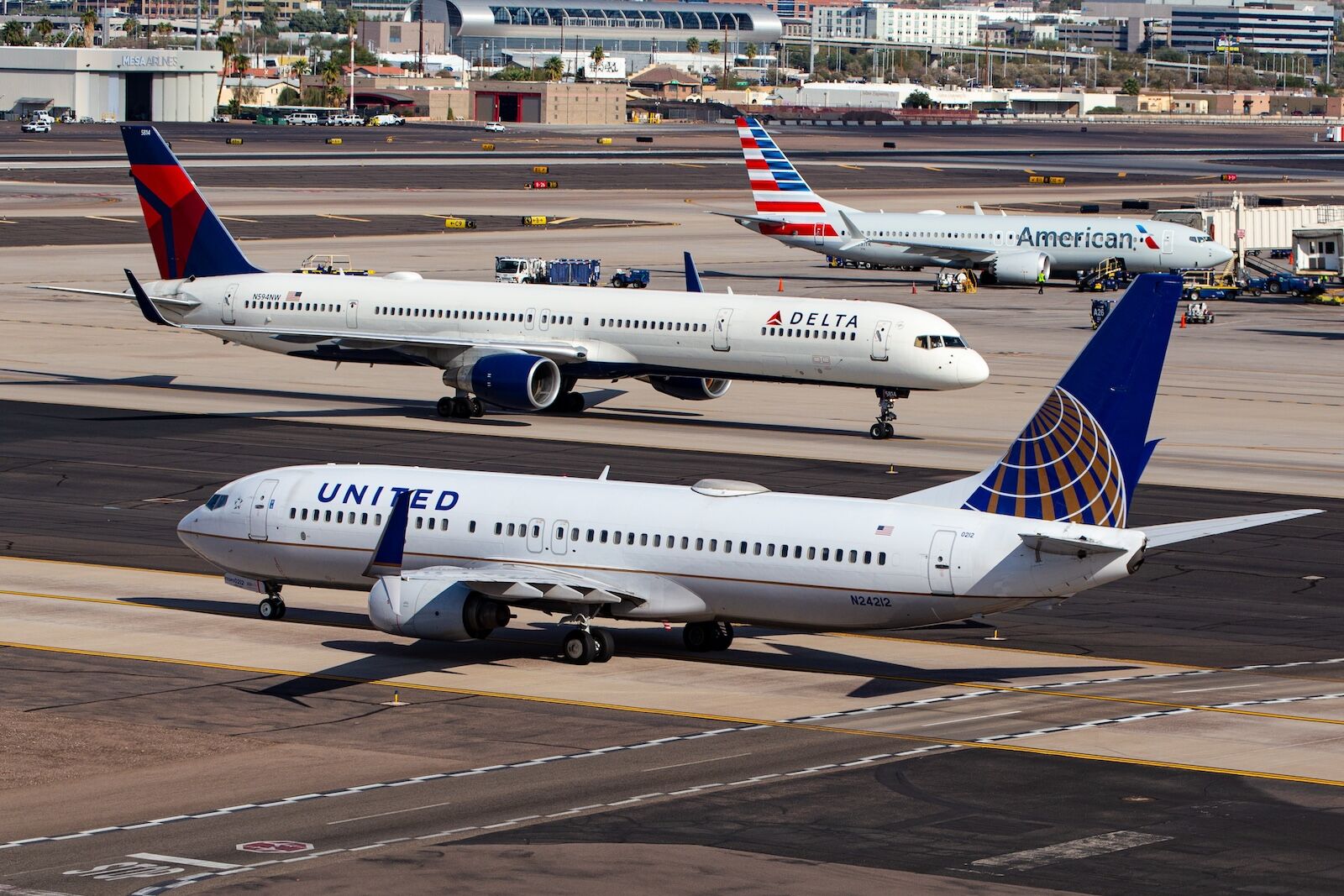
Critics of cabotage point to a different reality: a domestic market that has become dangerously concentrated. The “Big Four” airlines—United, Delta, American, and Southwest—now control more than 75 percent of the domestic market share. This concentration is not an accident of the free market but the result of aggressive consolidation. According to a 2026 report by the Government Accountability Office (GAO), the period between 2008 and 2013 saw eight major airline mergers that fundamentally reshaped the competitive landscape.
The implications of this market dominance are clear in the data. The GAO report observed a direct correlation between reduced competition and declining service quality. On routes where competition was stifled or eliminated, consumers faced higher fares and an increase in operational failures. Specifically, the data indicated that when a route’s airline options dropped from three to two, average flight delays increased by 25 percent, while cancellation rates climbed by seven percent.
This lack of competition is further highlighted by the global ranking of U.S. carriers. In the 2025 Skytrax World Airline Awards—a benchmark for passenger satisfaction—no U.S.-based airline appeared in the top 20. The list was dominated by international carriers such as Qatar Airways, Singapore Airlines, and Emirates, all of which operate out of global hubs with a high volume of diverse airline traffic. For example, while Hartsfield-Jackson Atlanta International Airport, the busiest in the world, is served by only 28 passenger airlines, international hubs like Istanbul and Hong Kong accommodate over 100 carriers each. This diversity of choice, critics argue, forces airlines to constantly improve their service offerings to maintain market share—a dynamic that is largely absent in the U.S. domestic market.
Implications and the Path Forward
The debate over cabotage is ultimately a tension between the perceived necessity of industrial protectionism and the benefits of consumer-driven competition. Economists have long argued that even the threat of entry by a new competitor can act as a catalyst for efficiency. Research from the Federal Trade Commission’s Bureau of Economics has shown that competition directly correlates with better on-time performance and higher service quality.
If the U.S. were to revisit its cabotage laws, the transition would be fraught with significant logistical and political hurdles. Opponents would likely argue that a total removal of restrictions would invite unfair competition from state-subsidized foreign entities. Conversely, proponents of liberalization might suggest a phased approach, such as allowing foreign carriers to operate “fifth freedom” routes—flights that begin in their home country, stop in a U.S. city, and continue to another U.S. city, allowing for the sale of domestic tickets along the way.
For now, the American passenger remains caught in a system where the benefits of international competition are largely unreachable on domestic flights. While cabotage is not the sole architect of the current airline landscape, it remains a critical barrier that preserves the status quo. Whether the U.S. government will eventually prioritize the potential for lower fares and improved service over the traditional arguments for national protectionism remains a defining question for the future of American aviation policy. Until then, the “Big Four” continue to dominate the skies, leaving the average traveler to navigate a market that, by law, remains closed to the world.
Related posts: