Adventure Links of the Week: A Curated Review of Global Exploration and Human Endurance

The modern landscape of adventure is defined as much by physical prowess as it is by the intellectual and cultural inquiries that drive individuals toward the fringes of the unknown. From the re-examination of predator-prey dynamics in the European wilderness to the high-stakes risk management required in elite alpinism, this week’s news highlights the intersection of historical discovery, environmental stewardship, and the raw pursuit of human potential.
In the Footsteps of the Lone Wolf: Rewilding and Conflict in Europe
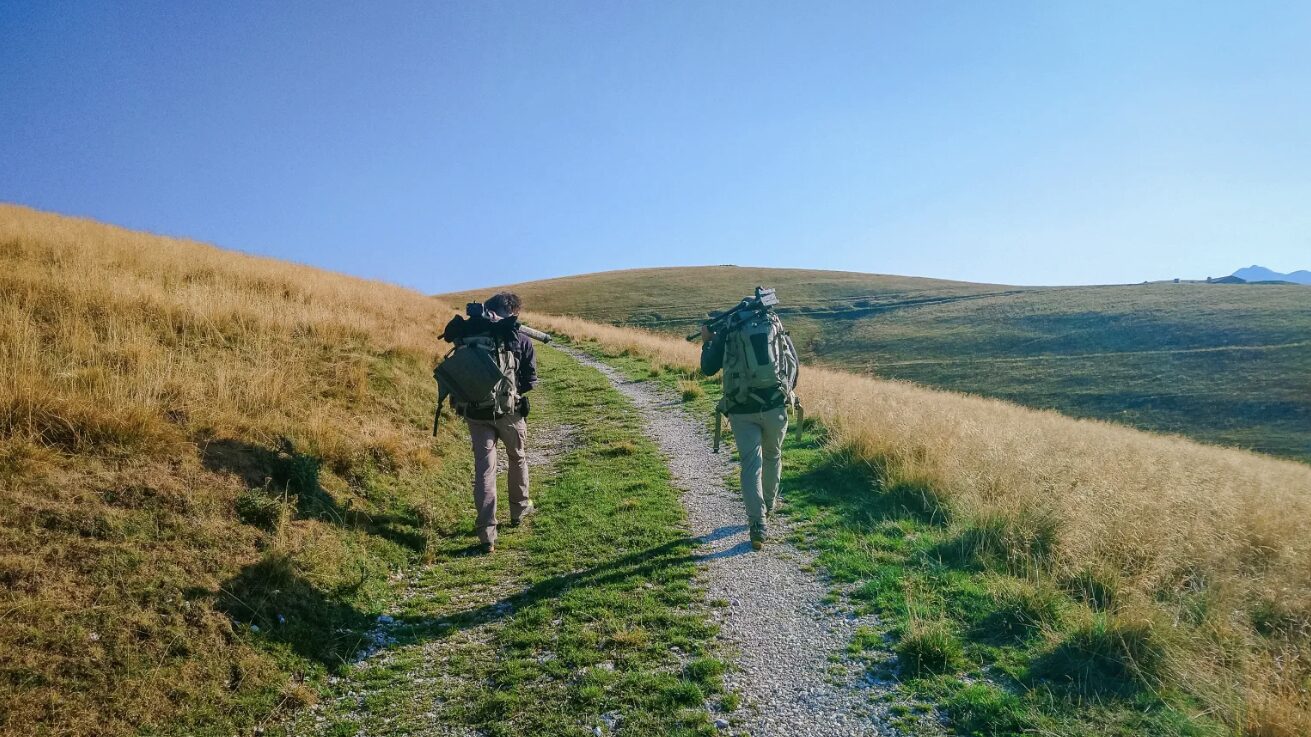
In December 2011, a singular male wolf—designated by a GPS collar—embarked on a remarkable 1,600-kilometer odyssey. Departing from its natal pack in Slovenia, the animal traversed a complex tapestry of international borders, including Austria and Italy, in a journey that defied common ecological assumptions about wolf dispersal. Adam Weymouth’s recent investigation into this trajectory offers a profound look at the evolving relationship between human civilization and apex predators.
The project is not merely a travelogue but a sociological study. As wolf populations continue to recover across Europe, the tension between conservationists and the agricultural sector—specifically sheep farmers and cattle ranchers—has intensified. Weymouth’s trek through the Dolomites and rural villages serves as a microcosm of this conflict. Historical data indicates that the return of large carnivores often triggers a "culture war" in rural zones where traditional pastoral practices have persisted for centuries without the presence of such predators. Weymouth’s documentation suggests that while the landscape has physically changed, the human psychological barriers toward the "wild" remain deeply entrenched, necessitating a delicate balance between ecological restoration and economic security for rural communities.
Risk and Philosophy in Free Solo Climbing
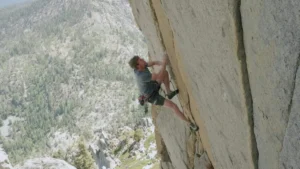
Brian Laidlaw’s recent exploration of free solo climbing—the practice of climbing without ropes or protective gear—challenges the conventional perception of extreme sports as mere adrenaline-seeking behavior. Laidlaw, a climber who transitioned from a cautious practitioner to an advocate for high-stakes, unroped ascent, argues that the motivation is deeply philosophical.
By analyzing the narratives of athletes who live permanently on the edge of mortality, Laidlaw seeks to demystify the draw of life-threatening environments. The core of his inquiry focuses on the psychological utility of confronting death. For many, the "risk-gain" equation is not about the thrill but about a heightened sense of presence. However, this pursuit carries a heavy toll. As noted in recent climbing literature, the cumulative effect of losing peers in accidents often forces a reckoning with one’s own mortality. Recent fatalities on routes previously considered standard have prompted a industry-wide reassessment of how confidence can quickly devolve into hubris, particularly when the margin for error is reduced to zero.
Indigenous Stewardship: The Guardians of the Amazon
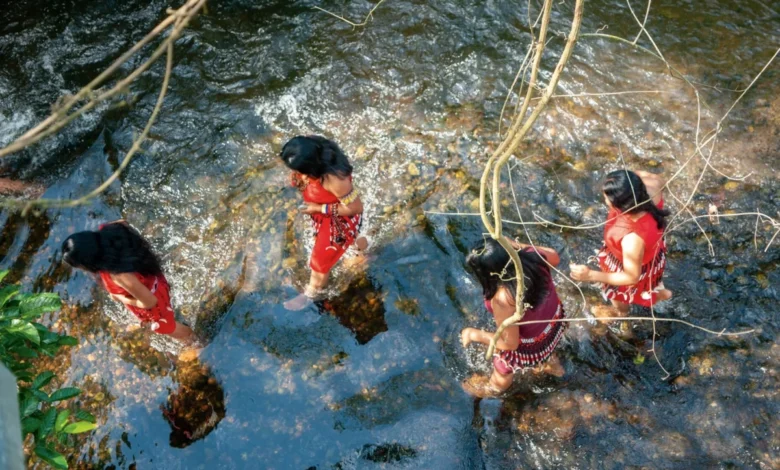
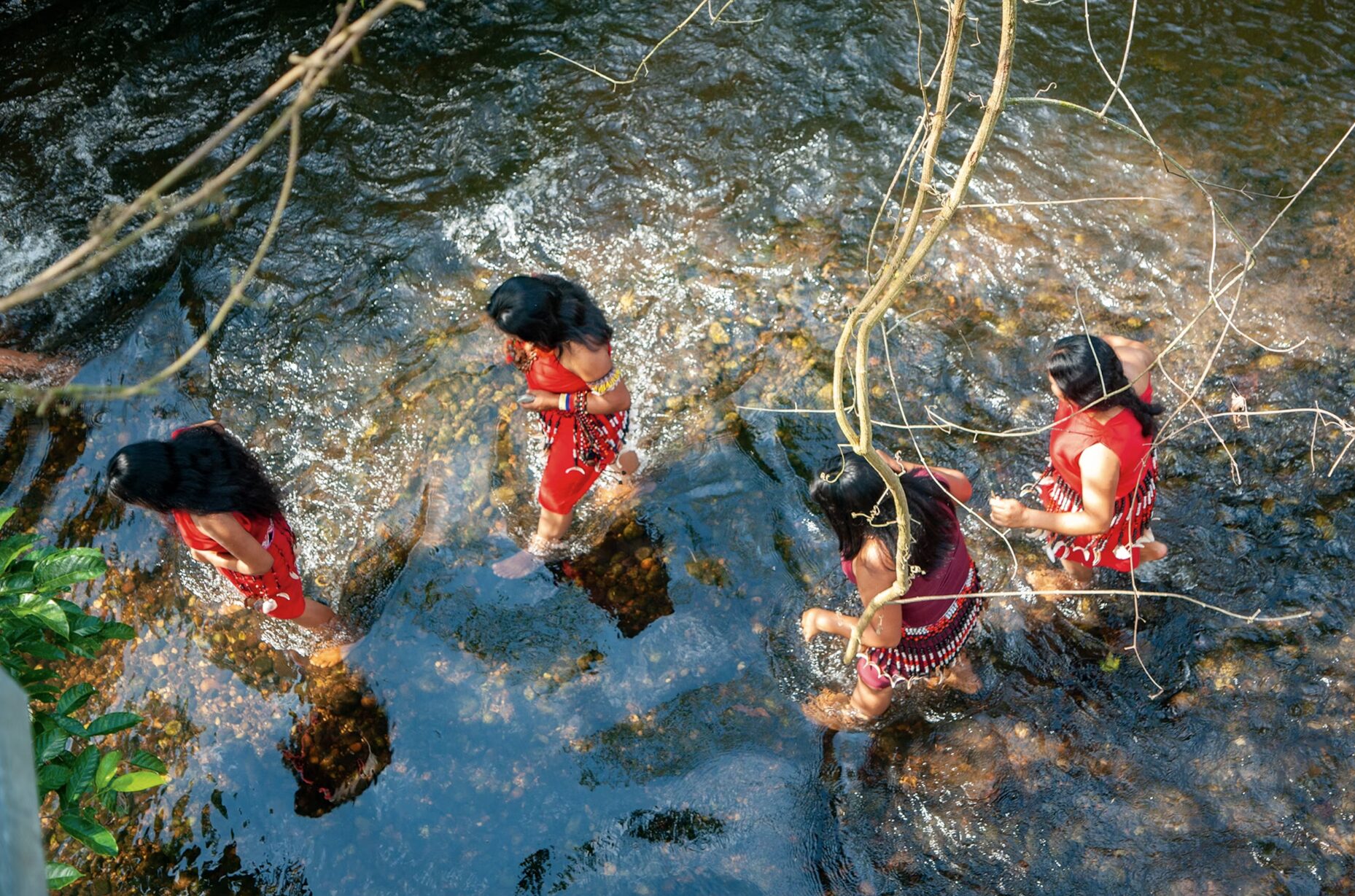
In the San Martín region of Peru, the intersection of ancestral tradition and modern conservation is being rewritten by indigenous women. The Awajún communities, particularly in the Nuwas Forest, have transitioned from passive inhabitants to active guardians of their ecosystem. This shift is characterized by the cultivation of native medicinal plants and the preservation of sacred arboreal knowledge.
The importance of this work cannot be overstated. According to reports from Conservation International, indigenous-led conservation projects have proven to be the most effective strategy for preserving biodiversity in the Amazon basin. In Chazuta, the Yana Rumi collective exemplifies this by integrating economic sustainability with cultural preservation. By maintaining traditional methods of pottery and textile production, these women create a self-sustaining model that resists the encroachment of industrial logging and illegal mining. This grassroots approach provides a scalable template for global conservation efforts: placing the autonomy of indigenous women at the center of forest management.
Alpine Frontiers: The Kamnik-Savinja Water Trail
Slovenia has officially unveiled the Kamnik-Savinja Alps Water Trail, a 307-kilometer route designed to integrate recreational tourism with hydrological conservation. Originating from a 2022 mandate to catalog and protect the region’s alpine springs, the trail connects 54 distinct water sources.
From a geographic standpoint, the trail is a rigorous addition to European long-distance trekking. It features a cumulative elevation gain of 37,000 meters and traverses 14 peaks exceeding 2,000 meters. Beyond the physical challenge, the project serves as a crucial data-gathering tool; by mapping these springs, researchers can monitor the impacts of climate change on high-altitude water tables. This initiative underscores a growing trend in European trail development: moving away from purely aesthetic paths toward those that provide scientific and ecological value to the hiker.
Technical Alpinism: Pushing the Limits in the Dolomites
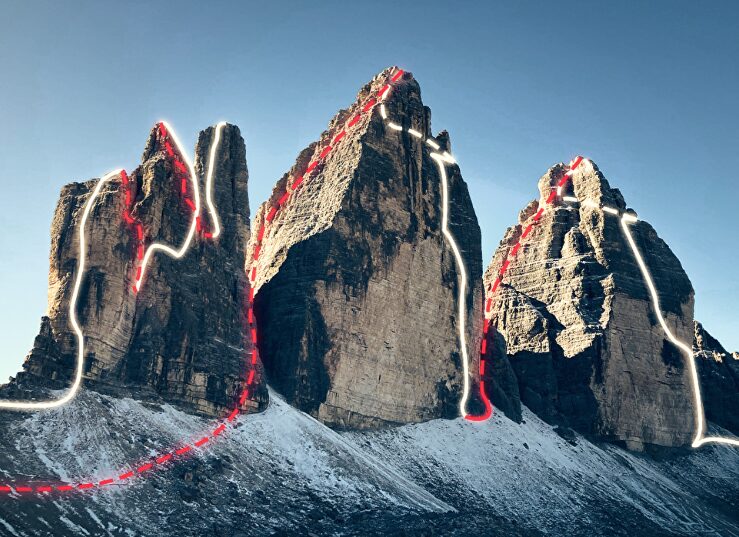
On September 5, Austrian alpinists Marian Aßmair and Michael Stadler set a new benchmark for speed in the Tre Cime di Lavaredo group. In a singular, 14-hour and 15-minute push, the pair successfully linked five major north faces: Cima Ovest (Cassin-Ratti), Cima Grande (Comici-Dimai), Cima Piccolissima (Preuss Crack), Punta di Frida (Via Dülfer), and Cima Piccola (Innerkofler).
The logistical complexity of this feat involves 2,000 vertical meters and 56 pitches, requiring a level of efficiency that leaves no room for hesitation. This achievement is a testament to the evolution of modern "link-up" climbing, where the goal is not just the ascent of a singular peak, but the seamless, rapid traversal of an entire massif. Experts suggest that such feats are becoming more common due to advancements in lightweight gear and a deeper, historical knowledge of route-finding, though they remain limited to an elite tier of practitioners who possess both immense endurance and technical precision.
Safety and Systematic Error: The Case for Knot Migration
The tragic death of climber Fiona Layton has ignited a professional discourse regarding "knot migration" and "rope creep." Andy Kirkpatrick, a noted expert in technical climbing, argues that the climbing community must move past the stigma of discussing accidents. His analysis focuses on the concept of "cascading failures"—the idea that a disaster is rarely the result of a single mistake, but rather a sequence of minor errors that compound under stress.
Kirkpatrick highlights a common scenario: a team facing deteriorating weather, combined with fatigue and improper equipment, often leads to a degradation of decision-making. The technical issue of rope creep, where a knot migrates within a rappel system, serves as a focal point for this discussion. By dissecting these incidents, the goal is to shift the culture from one of individual blame to one of systemic learning, where climbers are encouraged to recognize the "warning signs" before a situation reaches a point of no return.
The D’Artagnan Controversy: Archaeology and Legal Consequences
The search for the final resting place of Charles de Batz de Castelmore, the historical figure behind Alexandre Dumas’s The Three Musketeers, recently culminated in a legal standoff. Retired archaeologist Wim Dijkman led an unauthorized excavation beneath the Church of Saint Peter and Paul, believing he had located the musketeer’s remains.
The event, which concluded with Dijkman’s detention, highlights the friction between amateur exploration and professional archaeological standards. While Dijkman’s intent was purely historical, the lack of permits and the destruction of the site’s stratigraphic layers have been widely condemned by the scientific community. The case has served as a cautionary tale: in the pursuit of historical truth, the scientific process—and the legal frameworks that protect heritage sites—must be prioritized over individual discovery. As authorities took control of the site, they emphasized that the loss of context caused by the amateur dig may have permanently erased the ability to verify whether the skeleton was indeed the legendary swordsman.
Lessons in Mountain Rescue: The Pingora Peak Incident
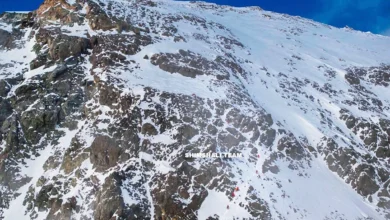
Finally, the rescue of Jared Martin and his partner on Wyoming’s Pingora Peak provides a practical lesson on the risks of adopting new techniques in high-pressure environments. The duo, faced with a benighted descent, attempted to use a 4mm "tagline"—a technique they had not practiced—to extend their rappel.
The subsequent failure and rescue operation underscore a vital tenet of mountain safety: never attempt a new, complex technical maneuver for the first time during an emergency. While taglines are effective tools for weight reduction and range extension, they require specific knowledge of how to handle stuck ropes and anchor tension. The incident serves as a reminder that in remote environments, the greatest asset is not just equipment, but the pre-rehearsed skill to deploy it safely under duress.