When Mortality Meets Mindfulness: How One Traveler Found Unexpected Solace in Bangkok Amid Personal Crisis


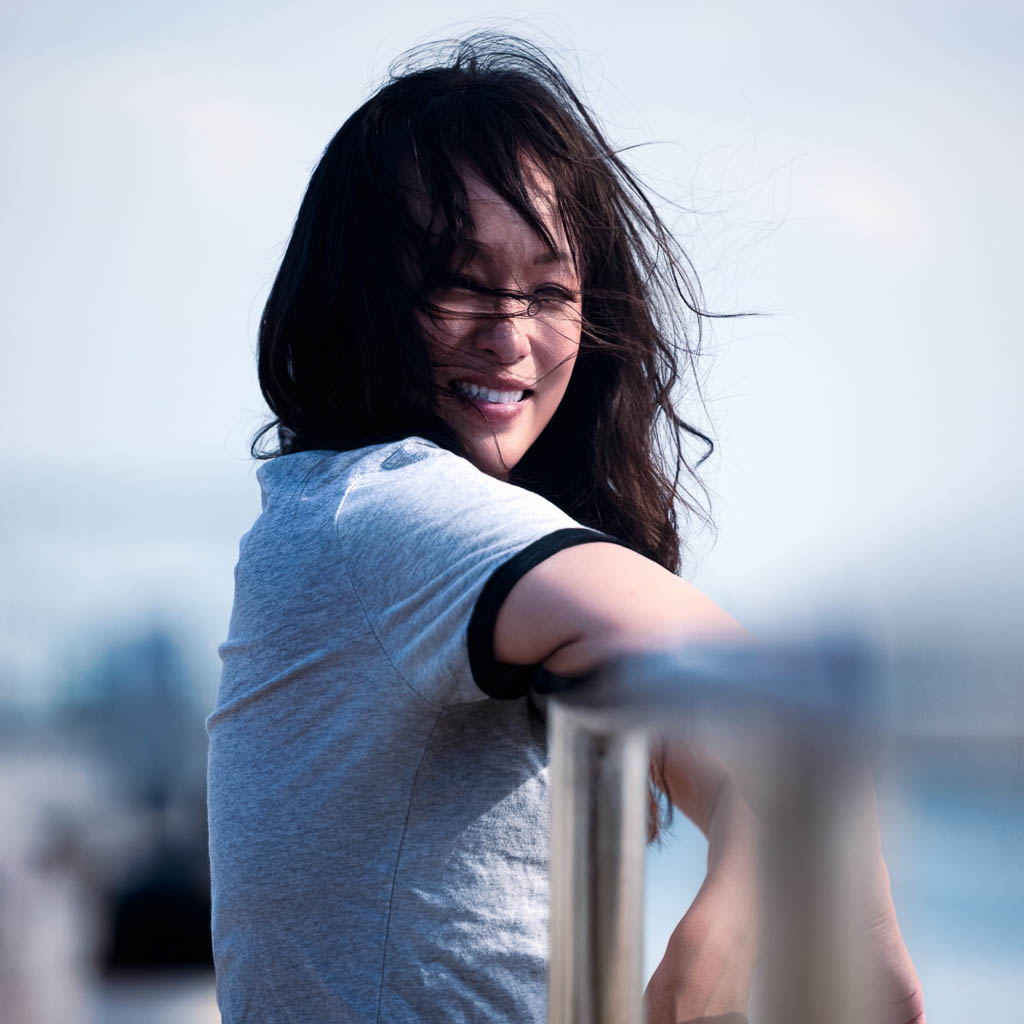
The intersection of travel, psychological coping mechanisms, and existential reflection has increasingly become a subject of modern sociological study. For Liv Arnold, an Australian author and columnist grappling with an acute anxiety disorder alongside the terminal diagnosis of her mother’s third bout of liver cancer, a pre-planned trip to Bangkok, Thailand, evolved into an unintended exploration of mortality. Far from a standard Southeast Asian holiday, Arnold’s journey juxtaposed the hyper-vigilant physicality of Muay Thai boxing with Thailand’s distinct, culturally embedded philosophies of impermanence, offering a stark examination of how different societies confront the inevitable reality of human death.
The Anatomy of Anxiety and the Paradox of Physical Combat
Arnold’s arrival in Bangkok occurred against a backdrop of mounting personal distress. Back home in Melbourne, her mother was navigating the aggressive recurrence of hepatic carcinoma—a condition that shifted family dynamics from long-term worry to immediate palliative management. For Arnold, who has lived with an anxiety disorder characterized by anticipatory dread and temporal catastrophizing, the physical environment of Melbourne offered no immediate reprieve.

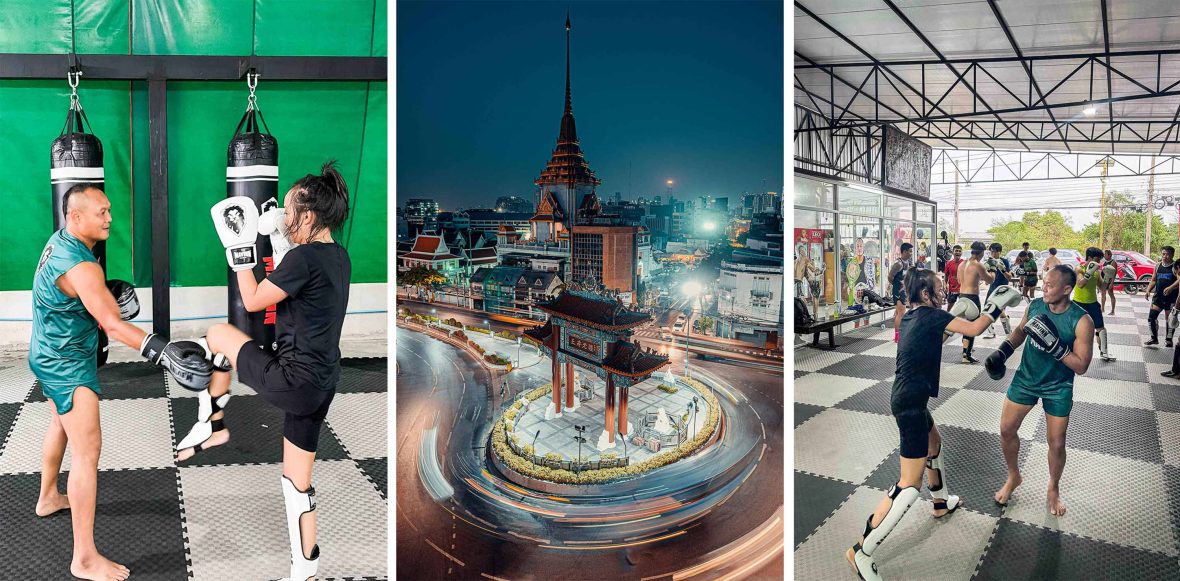
Seeking grounding mechanisms, Arnold incorporated high-intensity combat sports into her daily routine, a practice she began in 2023. During her eighth day in Bangkok, a session at a local Muay Thai gym under the tutelage of legendary fighter Saenchai provided an unexpected psychological intervention. In a clinical or therapeutic context, exposure therapy often relies on forcing the patient to confront triggers in a controlled environment. In the boxing ring, however, the intervention is immediate and visceral.
"Anxiety likes the future, but a fist coming toward your face is present-tense," Arnold observed. The physiological requirement to react instantly to a physical threat effectively short-circuited her mind’s tendency to project catastrophically into future timelines regarding her mother’s health. This utilization of somatic stress as a mindfulness tool set the stage for her deeper engagement with Bangkok’s Death Awareness Café.
Confronting the Inevitable: The Kid Mai Death Awareness Café
Bangkok’s cultural landscape offers a unique perspective on mortality, heavily influenced by Theravada Buddhism, which comprises the religious framework for approximately 90 percent of the Thai population. Central to this tradition is Anicca, or the doctrine of impermanence.
Capitalizing on this cultural readiness to discuss the end of life, Buddhist philosopher Veeranut Rojanaprapa established the Kid Mai Death Awareness Café in 2018. Originally conceived as fieldwork for his doctoral dissertation, the establishment was designed to test a sociological hypothesis: whether regular, conscious reflection on mortality could diminish human greed, anger, and societal corruption. Rojanaprapa’s premise is straightforward—individuals who remain consciously aware of their own mortality are theoretically inclined toward more ethical, harmonious interpersonal behavior.
The café, situated adjacent to a horror-themed attraction, features an immersive four-stage exhibit mapping the human lifecycle: Birth, Elder, Pain, and Death. Visitors are invited to experience simulated milestones, ranging from curling inside red, womb-like structures to wearing weighted vests and clouded glasses to mimic the physical degradation of old age. The culmination of the exhibit is a wooden coffin where visitors may lie down, close the lid, and contemplate their final moments.
While local neighbors initially objected to the daily delivery of caskets—viewing them as morbid additions to a commercial district—Rojanaprapa welcomed the friction. In his view, public complaints were indicative of a vital psychological engagement; if neighbors were upset by the presence of coffins, it proved they were actively contemplating their own mortality.
Cultural Approaches to Public Health and Mortality in Thailand
The philosophical integration of discomfort into daily Thai life extends beyond existential cafes to public health advocacy. A notable precedent is the work of activist Mechai Viravaidya, founder of the Cabbages & Condoms restaurant chain and the Population and Community Development Association. Viravaidya revolutionized public health education during Thailand’s HIV/AIDS epidemic in the late 20th century by stripping contraception of its clinical stigma. By introducing condoms into unconventional spaces—such as taxis, police checkpoints, and Buddhist temples—and normalizing open dialogue about sexual health, Viravaidya’s initiatives are credited with reducing new HIV infections in the country by approximately 90 percent, preventing an estimated 7.7 million transmissions.
This cultural willingness to confront taboo subjects—whether safe sex or human mortality—contrasts sharply with Western tendencies to sanitize or institutionalize aging, illness, and death. While Western healthcare infrastructure frequently isolates the dying within clinical intensive care units, Thai cultural frameworks often integrate discussions of impermanence into the social fabric.
The Emotional Toll of Caregiving Across Distances
Arnold’s exploration of the Kid Mai exhibits—culminating in an experiential simulation of intensive care unit (ICU) machinery and a temporary confinement within a wooden coffin—forced a confrontation with her underlying neuroses. However, the theoretical exercise of simulated death threw her real-world anxieties into sharp relief.

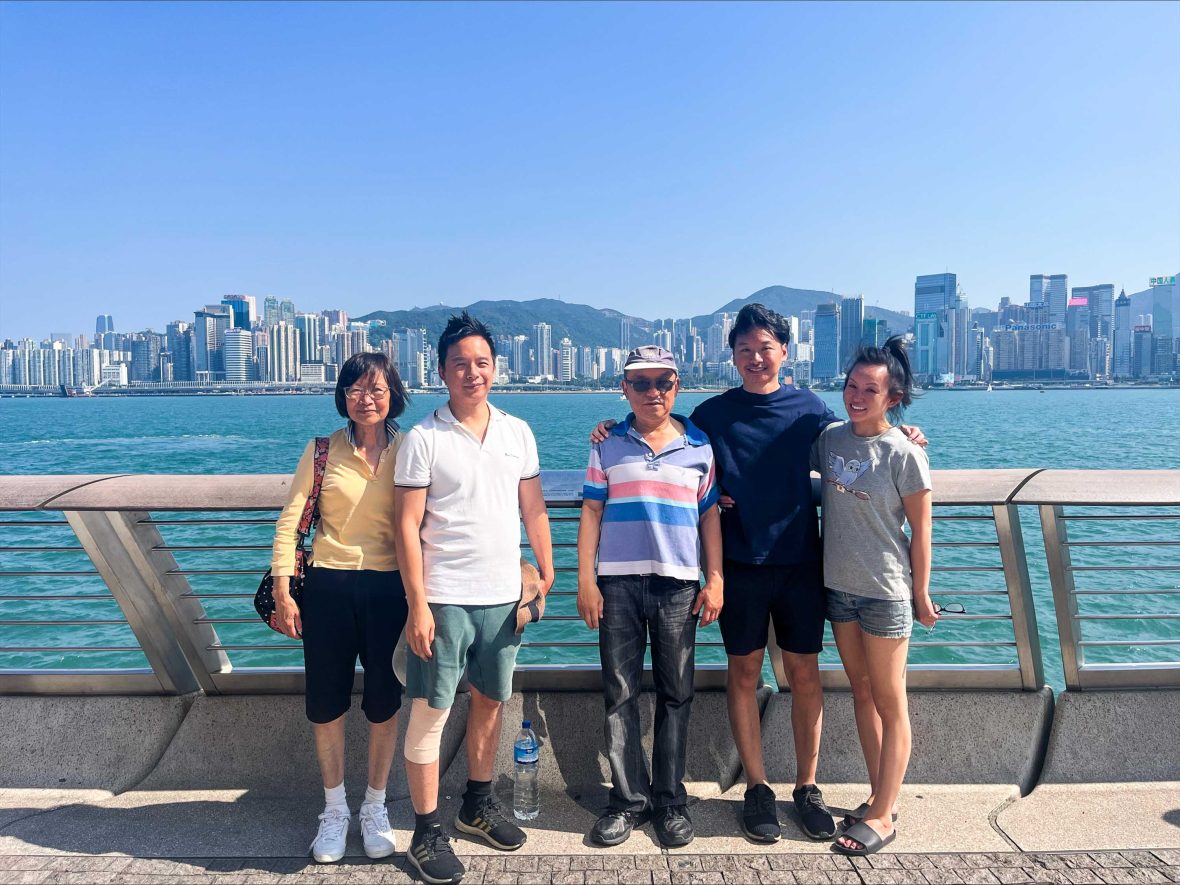
While she played at being critically ill inside a staged hospital bed, complete with artificial thirty-second monitor beeps and an empty IV drip, her mother was managing real-world oncological treatments back in Australia. Maintaining a protective barrier, Arnold’s mother routinely downplayed her physical suffering during daily check-ins, texting cheerful updates accompanied by flexed-bicep emojis. It was only subsequent to the trip that the severity of her mother’s condition manifested fully, requiring emergency medical intervention for complications related to nutritional intake.
This dynamic underscored a universal caregiving paradox: the instinct of aging parents to shield their adult children from emotional and physical deterioration. Reflecting on past domestic interactions—such as a moment decades prior when her mother quietly handed over unused menstrual hygiene products to mark the onset of menopause—Arnold recognized a lifelong pattern of unarticulated transitions. Her mother had systematically managed her own biological milestones and health crises while preserving a protective perimeter around her children.
Broader Implications and Sociological Impact
The growing popularity of death cafés and mortality-awareness tourism globally points to a broader cultural hunger for spaces where grief, aging, and dying can be discussed without euphemism or clinical detachment. In societies where death has been largely outsourced to hospitals, funeral homes, and professional caretakers, individuals frequently experience disenfranchised grief and heightened death anxiety.
Institutions like the Kid Mai Death Awareness Cafe, alongside historical public health campaigns in Thailand, demonstrate the therapeutic utility of destigmatizing taboo realities. For Arnold, the physical journey through Bangkok’s symbolic representations of birth, aging, illness, and death did not magically dissolve her anxiety or alter her fundamental attachment to her family. Grief and fear of loss remain constant variables in the human equation.
However, the experience altered her internal narrative. By stepping out of the role of passive observer shielding herself from future catastrophe, Arnold bridged the emotional distance between Melbourne and Bangkok. Confronting the tangible realities of impermanence ultimately facilitated a moment of vulnerability, prompting her to drop her protective defenses and ask her mother a direct, long-overdue question about the difficulty of the path they were walking together.