Reversing the Tide: How Denmark’s Renewable Energy Island is Restoring Its Depleted Seabeds

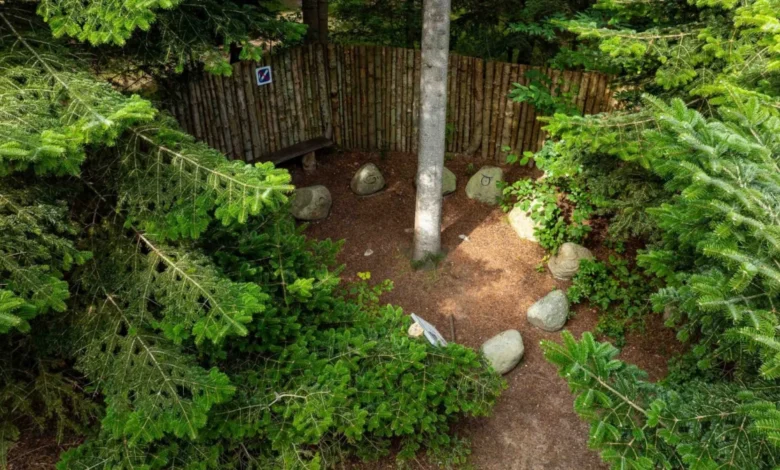
The Danish island of Samsø, globally renowned as the world’s first territory to successfully transition entirely from fossil fuels to 100 percent renewable energy, is now pioneering a new frontier in ecological restoration. Beyond its towering wind turbines, solar arrays, and the sprawling Guinness-certified Labyrinten tree-maze, the island is quietly leading an ambitious underwater movement. With the creation of BARREEF—a newly established stone reef off its southeastern coast—Samsø is seeking to reverse a century of marine degradation caused by historical "stone-fishing" and breathe new life back into its coastal waters.
From Carbon Crisis to Global Clean Energy Pioneer
Samsø’s remarkable environmental journey began in 1997, when it won a national Danish government contest challenging communities to demonstrate viable pathways for reducing carbon emissions. At the time, the island’s population of roughly 4,000 residents relied entirely on imported electricity and fossil fuels, much like any other rural European municipality.
The turning point for the island came through grassroots mobilization spearheaded by Søren Hermansen, a Samsø-born farmer whose community-focused transition model later earned him international recognition, including designation as an environmental hero by Time Magazine. Recognizing that top-down mandates would face resistance from generations-old farming families, Hermansen prioritized community buy-in and local financial participation.

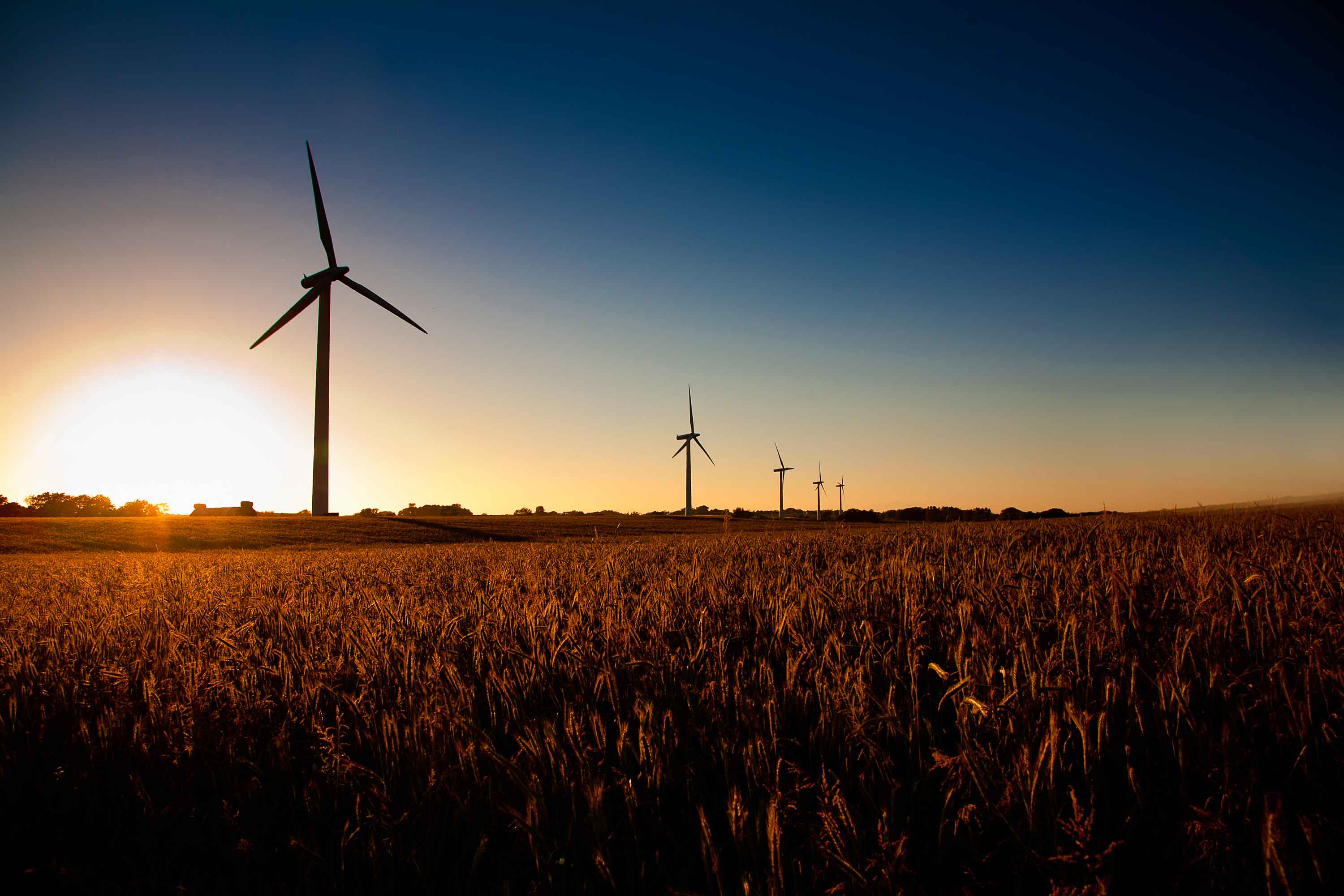
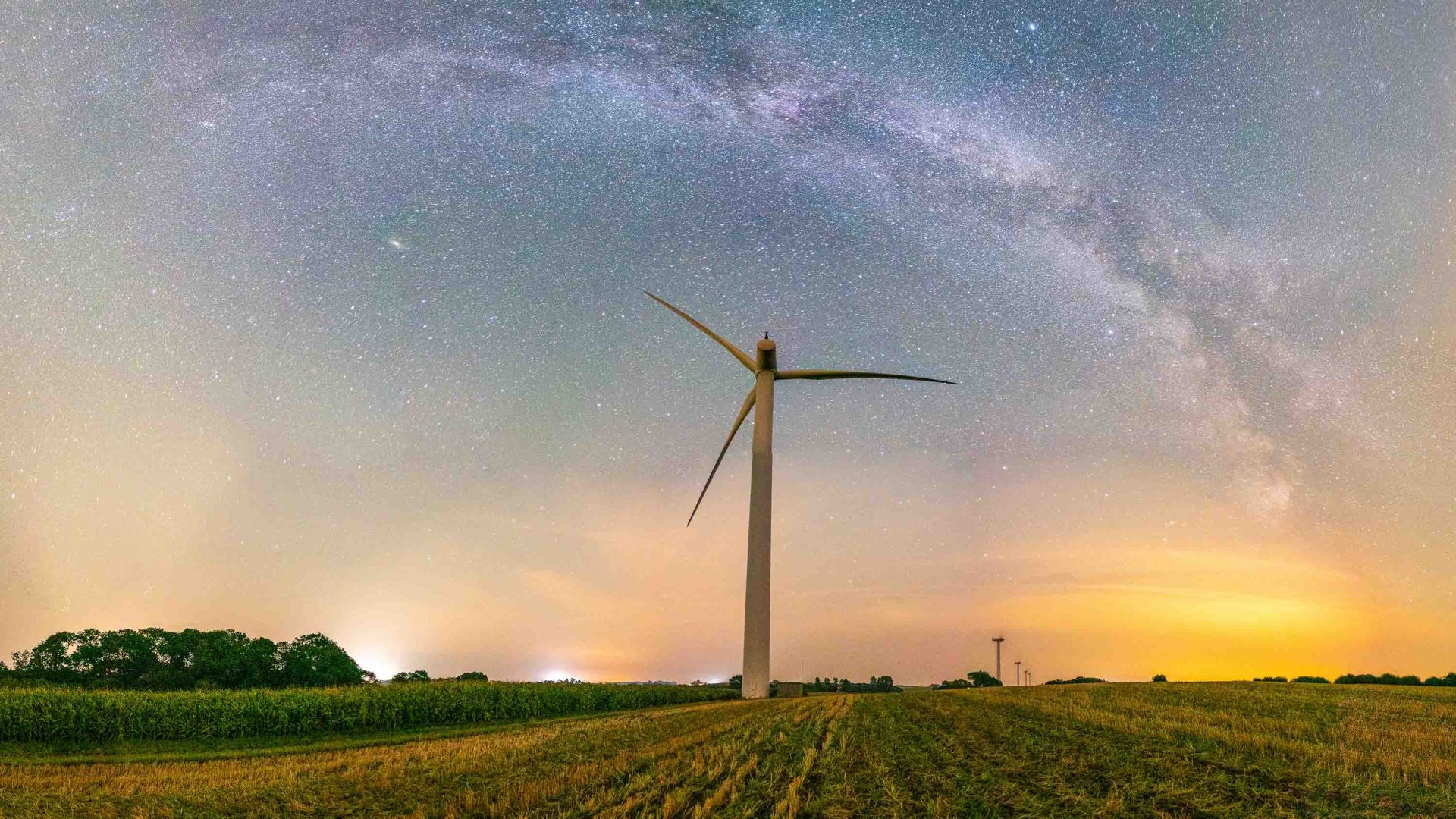
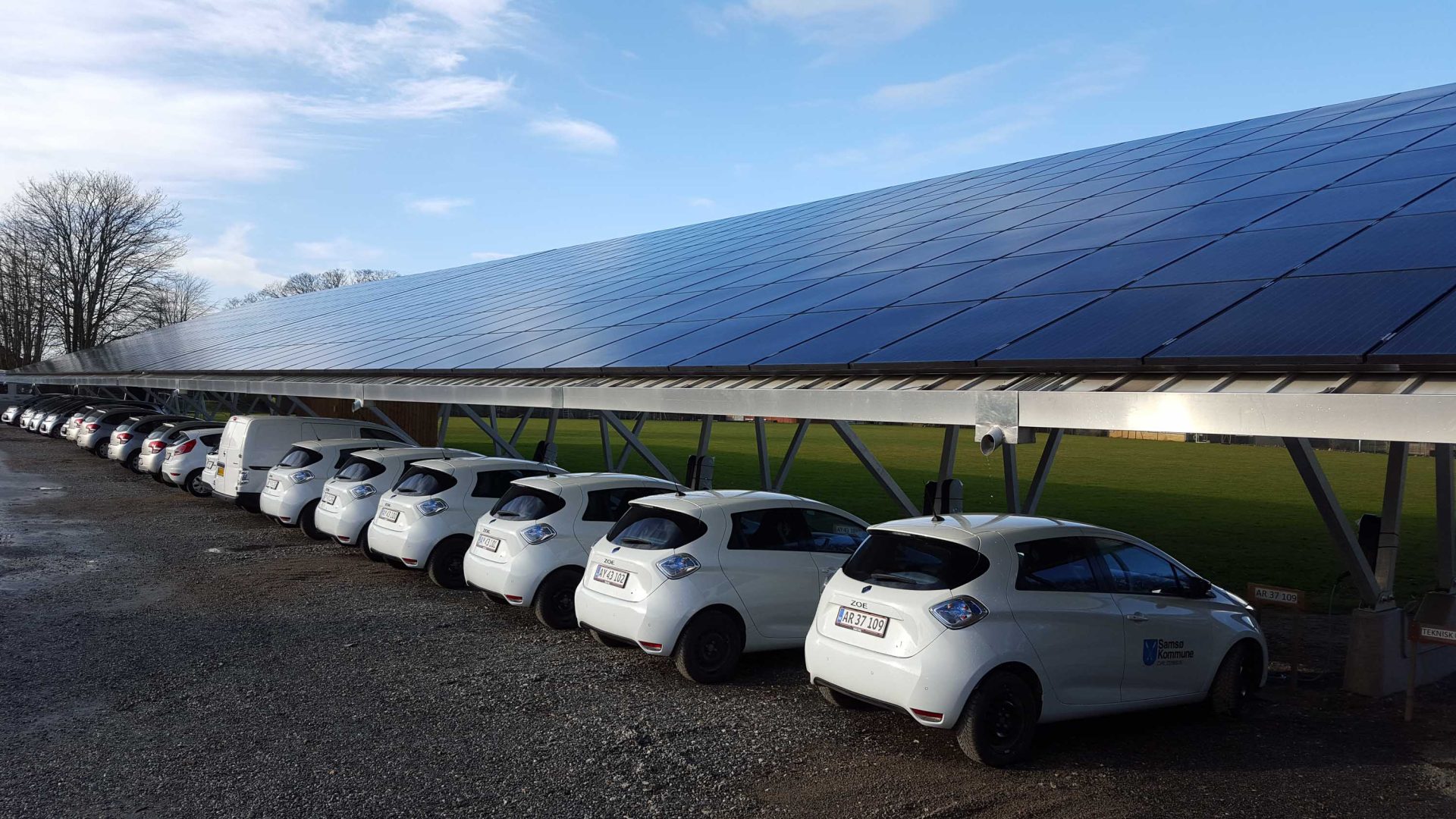
Over the subsequent decade, residents, agricultural cooperatives, and the Samsø Municipality pooled resources to fund a network of clean energy infrastructure. This included 21 wind turbines—split evenly between 10 offshore and 11 land-based installations—alongside approximately 50 photovoltaic solar plants. Additionally, the island developed biomass heating plants fueled directly by straw purchased from local agricultural producers.
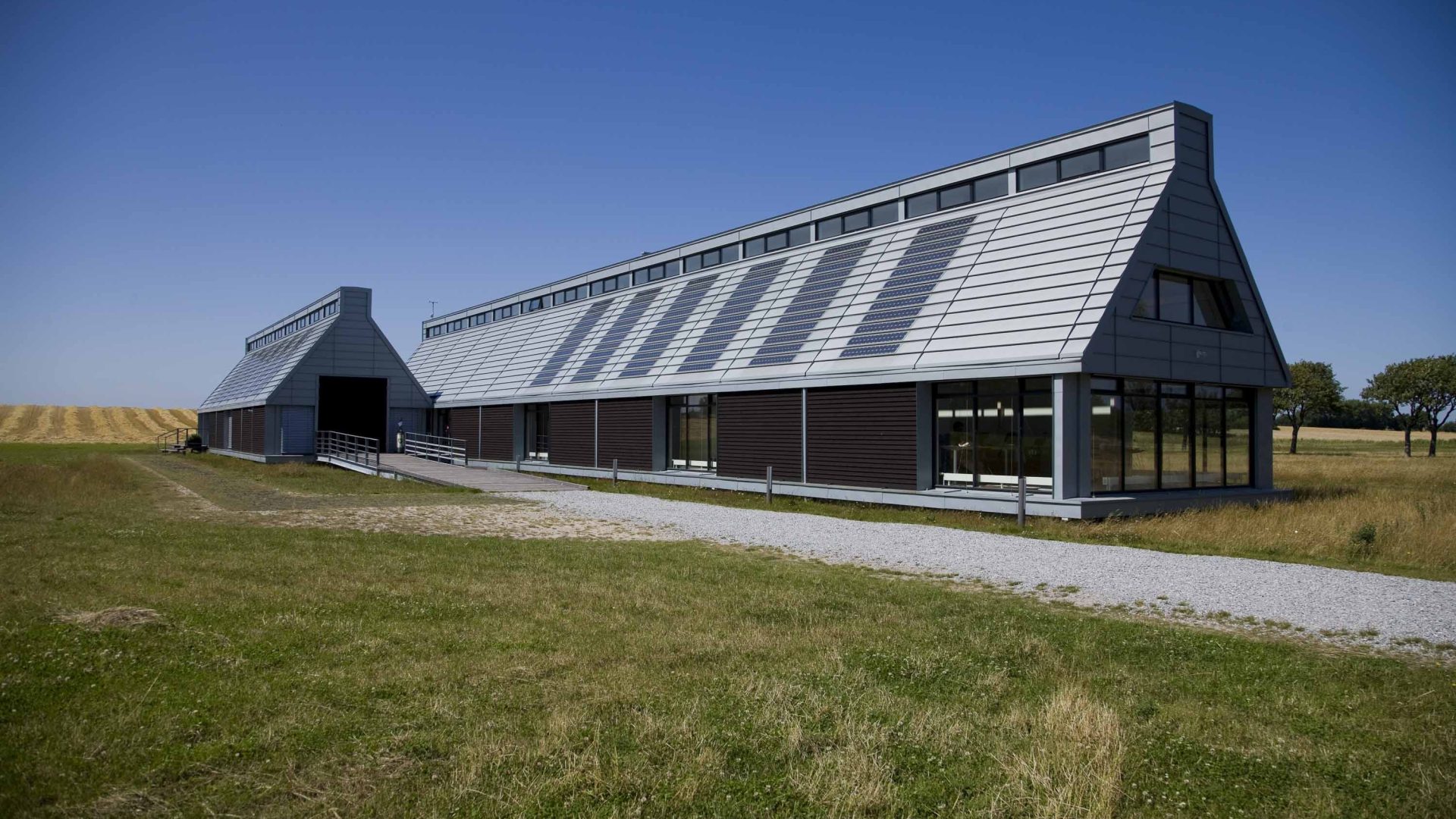
Today, Samsø operates as a carbon-negative community, producing significantly more renewable energy than it consumes. Surplus electricity is transmitted back to the Danish mainland via subsea cables, generating steady financial returns for the local residents and investors who backed the original infrastructure cooperatives. The island’s central hub, the Samsø Energy Academy, now functions as an international research, education, and conference center, hosting delegations from around the globe seeking to replicate its transition model.
The Hidden Cost of Stone-Fishing: A Century of Marine Depletion
While Samsø’s terrestrial achievements in green energy have been extensively documented in academic literature and international policy reports, the surrounding marine ecosystem has quietly suffered from decades of historical exploitation.
Centuries of coastal development in Denmark relied heavily on harvesting rocks and boulders directly from the seabed for the construction of harbors, breakwaters, and foundations—a commercial practice known as stone-fishing. Between 1900 and 2000, an estimated 9.15 million tons (8.3 million cubic meters) of stone were extracted from Danish seabeds, a volume roughly equivalent to eight Empire State Buildings.
This large-scale removal of hard substrates devastated complex underwater habitats, stripping the seabed of natural crevices, caves, and protective cover vital for marine flora and fauna. For long-term residents like Michael Kristensen, the ecological decline was stark and personal. Reflecting on his childhood, Kristensen recalls being able to fish directly from the shoreline—an activity that became increasingly impossible as fish populations collapsed due to the destruction of their natural microhabitats.
The practice of stone-fishing was finally banned nationwide in 2010. However, the legacy of barren seabeds persisted until local stakeholders, marine scientists, and environmental planners began looking toward active restoration to rebuild the lost underwater infrastructure.
The Birth of BARREEF: Engineering a Subsurface Sanctuary
Recognizing the urgent need to rehabilitate local waters, Samsø embarked on the creation of BARREEF, an engineered stone reef located just off the island’s southeastern coast near the vibrant harbor village of Ballen.
The project was conceptualized through a multi-pronged feasibility investigation led by local stakeholders and marine experts. Planners sought to address three core objectives: mitigating coastal erosion along a vulnerable gravel road frequently damaged by storm-driven waves, reinstating complex marine habitats to revive local fish populations, and establishing optimal environmental conditions in the sheltered water column to encourage the natural regrowth of vital seagrass meadows.
To construct the reef, project organizers procured 6,000 tonnes of granite waste sourced directly from Norwegian quarries. This material was carefully deposited onto the seabed to recreate the cavernous, rocky topography that existed prior to industrial stone-fishing.
Unlike the island’s terrestrial tourist attractions, such as the Labyrinten tree-maze—which covers 15 acres and absorbs between 1,000 and 1,250 metric tons of carbon dioxide annually—BARREEF was not designed as a commercial or recreational site. Navigation and sailing are strictly prohibited in the immediate vicinity of the reef to protect the fragile early-stage colonization processes occurring below the surface.
Scientific Implications and Broader Ecological Impact
The establishment of BARREEF aligns with Denmark’s broader, legally binding climate commitment to achieve total carbon neutrality by 2050, a target requiring the nation to actively absorb more carbon than it emits.
While public discourse surrounding marine conservation frequently focuses on tropical coral reefs, marine biologists emphasize that temperate rocky structures play an equally crucial role in global biodiversity and carbon sequestration. According to Cécilie Erichsen Kudsk, a marine biologist from DTU Aqua (the National Institute of Aquatic Resources), virtually any submerged hard structure can function as a biological anchor. Even the submerged steel and concrete foundations of the region’s offshore wind turbines act as artificial reefs, allowing algae, mussels, and barnacles to thrive.
Furthermore, rock reefs contribute significantly to carbon sequestration through natural biogeochemical processes. Submerged hard substrates facilitate the capture of bicarbonate ions from seawater, combining them with dissolved calcium to form solid skeletal carbonate structures, thereby locking carbon away for extended periods.
Early monitoring data from BARREEF indicates promising results. Underwater camera footage reviewed by DTU Aqua researchers has already documented the natural growth of macroalgae and the return of various marine species, including goby and wrasse, signaling the gradual recovery of the local food web.
A Blueprint for Sustainable Island Communities
The successful realization of BARREEF required navigating complex administrative frameworks, securing state funding, and obtaining community consensus—mirroring the collaborative processes that defined Samsø’s earlier transition to 100 percent renewable energy.
As climate change accelerates environmental pressures across global coastlines, Samsø’s dual focus on terrestrial decarbonization and marine restoration offers a scalable blueprint for other island communities and coastal nations. By demonstrating that damaged ecosystems can be systematically repaired through deliberate ecological engineering and community-led governance, Samsø continues to cement its status as a global leader in holistic environmental sustainability.