Tragedy Strikes Yosemite: 19-Year-Old College Wrestling Star Ryan George Dies in 400-Foot Fall Near Illilouette Falls

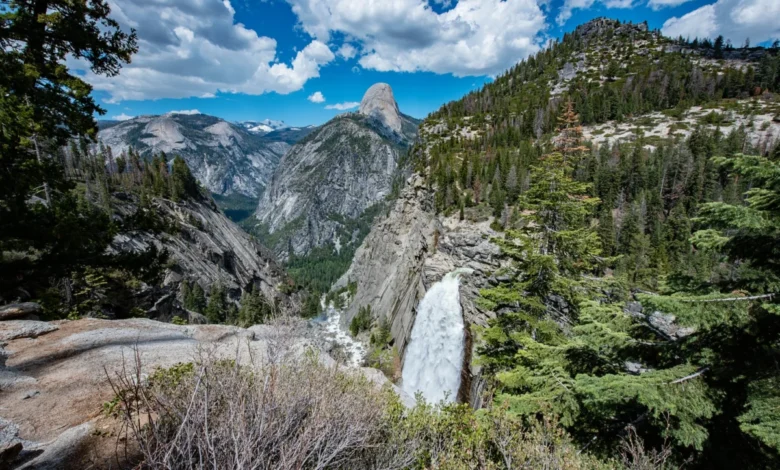
YOSEMITE NATIONAL PARK, Calif. — The breathtaking granite cliffs and roaring waterfalls of Yosemite National Park proved fatal once more over the weekend, claiming the life of a 19-year-old college athlete. Ryan George, a sophomore stand-out wrestler at Santa Rosa Junior College, suffered fatal injuries on September 20 after falling approximately 400 feet near Illilouette Falls.
Park officials confirmed that the incident occurred while George was hiking alongside friends in the rugged terrain near the Glacier Point Trail. Despite swift notification and a coordinated response from emergency personnel, George succumbed to his injuries at the scene. The National Park Service (NPS) has launched a full-scale investigation into the exact mechanics of the slip, though preliminary findings point to the inherent hazards associated with Yosemite’s steep, slick rock formations and unguarded precipices.
George’s sudden and devastating passing marks the second fatal waterfall-related incident involving a young visitor in Yosemite this summer, underscoring the severe risks that accompany recreational visits to America’s most celebrated national parks. The tragedy has cast a profound shadow over both his academic and athletic communities, sparking renewed discussions concerning visitor safety, trail management, and the persistent dangers of high-altitude wilderness recreation.
A Life Cut Short: Remembering Ryan George
In the wake of the tragedy, tributes have poured in from across Northern California, honoring a young man remembered as much for his character off the mat as his tenacity on it. Fred Duerr, George’s wrestling coach at Santa Rosa Junior College, spoke to local media outlets with deep emotion, describing the sophomore athlete as "one of the most genuine, positive people" he had ever coached.
Friends, classmates, and teammates have similarly characterized George as a dedicated student-athlete whose optimism and work ethic left a lasting impression on everyone he met. Wrestling programs across the regional collegiate athletic conference have expressed their condolences, planning upcoming tributes to honor his memory during their season openers. For Santa Rosa Junior College, the loss of a vibrant young scholar and athlete has sent shockwaves through the campus community, prompting grief counseling resources for students and faculty struggling to process the sudden loss.
Chronology of a Tragic Summer in Yosemite
The sequence of events leading to George’s death highlights a harrowing season for emergency responders within Yosemite National Park. The timeline of high-consequence incidents over the recent months illustrates a recurring vulnerability among visitors navigating the park’s iconic waterfall corridors:
- June 20, 2026: Just three months prior to George’s accident, 22-year-old Josue Biares Alfaro tragically lost his life following a fall near the 594-foot Nevada Fall. Park rangers responded to frantic emergency calls reporting that an individual had slipped into the powerful cascade. Search and recovery teams located Alfaro’s body later that same day, concluding a grim operation in the heavily trafficked Mist Trail corridor.
- Summer 2026: Throughout the peak tourism months, Yosemite’s emergency services faced an unrelenting wave of search and rescue (SAR) operations driven by record-breaking visitor numbers coupled with ongoing federal staffing and budgetary constraints.
- September 20, 2026: Ryan George and a group of friends embark on a hike near Illilouette Falls. While navigating the rugged terrain near the Glacier Point Trail, George loses his footing and falls approximately 400 feet, sustaining catastrophic injuries. Emergency responders rush to the scene, but life-saving efforts prove unsuccessful.
- September 24, 2026: The National Park Service and park partners publicly release details regarding the incident, contextualizing George’s death as the second major youth waterfall fatality of the summer season.
Statistical Realities: Search and Rescue Pressures in Yosemite
The deaths of George and Alfaro are not isolated anomalies, but rather part of a broader, systemic challenge facing park administration. Yosemite remains one of the premier outdoor destinations in the world, drawing millions of domestic and international travelers annually. However, this high volume of foot traffic places an immense burden on both the natural landscape and the infrastructure designed to protect visitors.
Data presented by park officials during public briefings earlier this year reveal the sheer volume of emergencies handled by Yosemite’s personnel. By June 2026, the park had already responded to 99 distinct search and rescue incidents. Notably, nearly half of those operations—45 in total—occurred within the high-density Mist Trail corridor. For comparison, the park recorded 98 total search-and-rescue incidents parkwide by the exact same point in the 2025 calendar year, culminating in a staggering 69 incidents within the Mist Trail corridor alone by the close of that year.
The concentration of emergencies in specific corridors has forced park planners to reevaluate infrastructure safety. In response to historical accident data, the National Park Service has undertaken several engineering interventions. These include widening hazardous trail sections, lowering the vertical height of stone steps beneath Vernal Fall, and strategically installing safety railings along high-exposure cliff edges. Furthermore, the ongoing Mist Trail Corridor project aims to revamp visitor orientation, improving signage and educational outreach to ensure that tourists fully grasp the mortal risks of stepping off designated paths or approaching rushing water.
National Perspectives: Falls as a Leading Cause of Wilderness Mortality
While Yosemite’s granite monoliths and thundering cataracts frequently capture national headlines, fatal falls are an endemic hazard across the entire National Park System. Wilderness environments inherently feature uneven terrain, sheer drops, unstable rock, and unpredictable water flows that can turn a casual hike into a life-threatening situation in a matter of seconds.
Data compiled by the National Park Service regarding mortality rates between 2014 and 2019 indicate that accidental falls consistently rank among the top three leading causes of non-natural death within the national parks, trailing only motor-vehicle crashes and drownings. Specific multi-year mortality dashboards published by the NPS highlight that falls alone accounted for roughly 17% of all fatal park incidents—translating to dozens of lives lost annually to gravity-related accidents.
This nationwide risk profile is underscored by other high-profile tragedies earlier in the 2026 season. In April, 68-year-old visitor Gilberto Ramos suffered a fatal fall from an exposed, chained section of the famously narrow Angels Landing trail in Zion National Park. Months later, the mountaineering community mourned the loss of Denali National Park ranger Robin Pendery, who tragically fell into a deep crevasse near the 14,000-foot high camp while actively patrolling the treacherous Alaskan slopes.
These incidents collectively emphasize that wilderness risks transcend age, experience level, and geographic location. Whether navigating the icy crevasses of Denali, the sheer sandstone ridges of Zion, or the slick granite ledges of Yosemite, outdoor recreation demands a high degree of situational awareness and respect for natural hazards.
Implications for Future Park Management and Visitor Safety
As the National Park Service continues its investigation into the circumstances surrounding Ryan George’s fall, park administrators face mounting pressure to address the dual challenges of escalating visitation and constrained resources. Balancing the public’s desire for unencumbered access to America’s natural wonders with the absolute necessity of public safety remains one of land management’s most delicate balancing acts.
Wilderness safety advocates and park rangers consistently emphasize several foundational rules for mitigating risk in high-alpine and waterfall environments:
- Strict Adherence to Trails: Venturing beyond established guardrails, warning signs, or cairns dramatically increases the probability of encountering unstable ground or sheer drop-offs.
- Respect for Water Dynamics: Wet granite near waterfalls is notoriously slick, coated with invisible micro-algae and mist that obliterates traction, making proximity to rushing water exceptionally dangerous.
- Preparation and Self-Assessment: Visitors are urged to realistically evaluate their physical capabilities, footwear, and equipment before attempting strenuous hikes in steep or remote terrain.
For the community of Santa Rosa Junior College, and for the family and friends of Ryan George, these systemic policy discussions offer little immediate comfort. Yet, as investigators wrap up their inquiries and Yosemite enters the autumn shoulder season, the tragedy serves as a solemn reminder of the unforgiving nature of the wilderness—and the enduring importance of vigilance in the great outdoors.