The culinary world has long held a fascination with the humble legume, a staple that has evolved from a subsistence crop into a centerpiece of modern, regenerative, and health-conscious gastronomy. SIMPLi, a company focused on regenerative organic sourcing, has officially entered the subscription market with the launch of PANTRi, a quarterly membership service designed to provide consumers with direct access to heirloom and regenerative dry beans, grains, and pantry essentials. This launch comes at a time when consumer interest in supply-chain transparency and the environmental impact of food production is at an all-time high.
The Rise of the Legume and Regenerative Agriculture
Legumes are widely recognized by agricultural experts as essential components of sustainable farming systems. Because they are nitrogen-fixing plants, they naturally improve soil health by sequestering nitrogen from the atmosphere, thereby reducing the need for synthetic fertilizers. SIMPLi has built its business model around the concept of regenerative organic certification (ROC), which requires farmers to adhere to strict standards regarding soil health, animal welfare, and social fairness.
The launch of the PANTRi membership represents a strategic pivot for the brand. By moving toward a subscription-based model, the company is attempting to stabilize its supply chain and provide a predictable revenue stream for the small-scale farmers it partners with globally. In the broader agricultural market, this shift is significant; it moves away from the volatile nature of retail distribution and into a direct-to-consumer relationship that emphasizes the provenance of every product.
Historical Context and Market Comparison
The subscription box model has seen varying levels of success in the food industry. While some services struggle with churn, those that focus on high-quality, shelf-stable, and niche ingredients have carved out sustainable markets. PANTRi enters a landscape previously dominated by entities such as the Rancho Gordo Bean Club, which set the industry standard for heirloom bean distribution.
Rancho Gordo, an organization widely credited with the "heritage bean" renaissance in the United States, has faced chronic supply issues due to overwhelming demand. Their membership lists are notoriously difficult to join, often requiring years on a waiting list. This creates a market gap that SIMPLi intends to fill. While Rancho Gordo focuses on the preservation of rare, specific heirloom varieties, SIMPLi differentiates itself by emphasizing the "regenerative organic" aspect of their supply chain. This distinction is critical for the modern, environmentally conscious consumer who is concerned not only with the flavor profile of the product but also with the ecological footprint of their diet.

Structural Breakdown of the PANTRi Membership
The PANTRi model is designed to facilitate both education and consumption. Each quarterly shipment includes a curated selection of seven distinct products, ranging from dry legumes to grains, spices, and high-quality olive oil. The inclusion of a rare, member-exclusive item—such as the orca bean, a marbled variety known for its creamy texture and unique aesthetic—serves as a primary value proposition for subscribers.
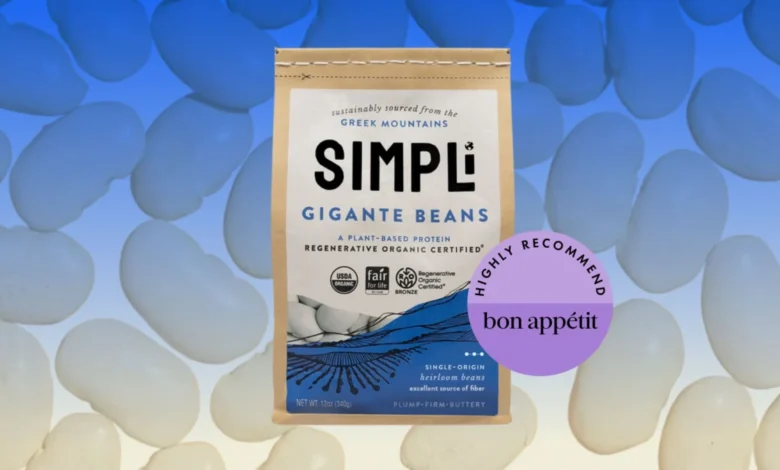
From a logistics standpoint, the quarterly delivery schedule addresses the issue of pantry fatigue. By providing a bulk supply of shelf-stable goods, the subscription ensures that households have consistent access to nutrient-dense proteins without the need for frequent grocery store visits. The inclusion of products like gigante beans, red quinoa, and Spanish extra-virgin olive oil suggests a focus on the Mediterranean diet, which is globally recognized for its health benefits and reliance on plant-based proteins.
The Science and Art of the Dried Bean
A significant barrier to the consumption of dry beans in the modern American diet is the perception of preparation time. With the proliferation of canned, pre-cooked beans, many consumers have grown accustomed to the convenience of "ready-to-eat" options. However, culinary professionals frequently point to the superior texture and nutritional density of home-cooked dry beans.
SIMPLi’s model encourages a return to traditional preparation methods. The process—rinsing, soaking, and slow-simmering with aromatics—is framed as a meditative, cost-effective, and superior alternative to the processed, often overly salty, canned counterparts. Furthermore, data from the U.S. Department of Agriculture (USDA) indicates that dry beans are one of the most affordable sources of plant-based protein, making them an ideal candidate for inflation-resistant meal planning.
When comparing the shelf-life of dry beans to canned goods, the advantages of fresh, dry product become apparent. Dried beans that are properly stored can retain their nutritional integrity for years, whereas canned goods often suffer from texture degradation and high sodium content due to the canning process. SIMPLi’s focus on moving through inventory efficiently ensures that the "freshness" of the dry bean is preserved—a critical factor in how quickly and evenly a bean will rehydrate during the cooking process.
Economic and Environmental Implications
The broader impact of the PANTRi subscription lies in the democratization of regenerative food systems. By providing consumers with access to products that are farmed using regenerative techniques, the subscription acts as a financial conduit to farmers who are otherwise marginalized by industrial agricultural giants.

Market analysts have noted that the "subscription economy" in the food sector is shifting toward a "values-based" approach. Consumers are increasingly willing to pay a premium for subscriptions that offer a story, a sense of community, and a verifiable positive impact on the environment. SIMPLi’s reliance on Regenerative Organic Certified (ROC) standards aligns with the goals of the global movement to combat climate change through soil sequestration. If successful, the expansion of the PANTRi club could lead to increased land conversion to regenerative practices, as the guaranteed demand from subscribers provides the necessary capital for farmers to transition away from conventional monocropping.
Expert Perspectives on Culinary Integration
For the home cook, the versatility of these beans is the ultimate test of the subscription’s value. Culinary experts emphasize that the base of any successful bean-forward meal lies in the "broth"—the liquid created during the cooking process, which absorbs the starches and flavors of the legumes.
According to professional chefs, the "orca bean," when prepared with a long, slow simmer, yields a broth that is as valuable as the bean itself. This aligns with the "zero-waste" ethos currently trending in the restaurant industry. Furthermore, the use of these ingredients in a wide variety of global cuisines—from Mexican refried pintos to Mediterranean gigante salads—demonstrates the universal appeal of the legume. The inclusion of grains like farro and quinoa in the subscription also encourages a "bowl-based" approach to cooking, which is both nutritionally balanced and efficient for meal preparation.
Future Outlook
The launch of the PANTRi membership is a clear indicator that the dry bean market is expanding beyond the niche enthusiast demographic. As consumers become more aware of the intersection between personal health, food sovereignty, and environmental sustainability, the demand for high-quality, transparently sourced staples is expected to grow.
The success of this subscription service will likely depend on the company’s ability to maintain the quality of its supply chain while scaling to meet the potential influx of new members. If SIMPLi can successfully balance the supply of rare, exclusive items like the orca bean with the consistent availability of staples like lentils and kidney beans, the PANTRi model could set a new benchmark for how pantry-based subscriptions function in the modern era. For now, the service stands as a testament to the enduring, and perhaps increasingly important, role of the legume in the global food system.
Related posts: