The transition from perpetual nomadic travel to established residency: A case study in long-term health optimization


After more than 15 years of continuous international travel, the shift from a transient lifestyle to fixed residency in Bulgaria represents a significant inflection point for long-term health management. For digital nomads who have spent over a decade navigating the logistical demands of constant relocation—often characterized by inconsistent nutrition, sleep fragmentation, and environmental instability—establishing a permanent base has facilitated a transition toward proactive wellness routines. This move, rooted in the town of Bansko, serves as a practical example of how environmental stability influences physiological health outcomes in an aging demographic.

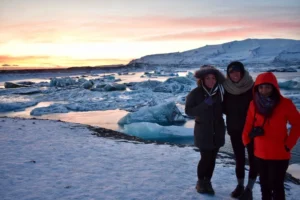
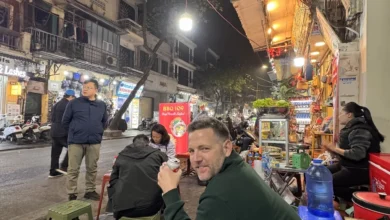
The evolution of this lifestyle began in 2008, when the subjects first departed from traditional corporate employment to pursue location-independent work. For the subsequent 15 years, their existence was defined by short-term rental accommodations, fluctuating time zones, and the inherent stresses of frequent transit. Historical data on long-term travelers often highlights "travel burnout," a condition where the lack of routine leads to chronic fatigue, metabolic disruption, and increased stress markers. The decision to settle in Bulgaria follows a growing trend among the global digital nomad population to transition from "perpetual motion" to "slow travel" or complete residency, prioritizing health longevity over the novelty of constant geographical shifts.
Establishing a Physiological Baseline
The primary challenge for nomads is the inability to control the physical environment. Research from sleep science institutions, including the National Sleep Foundation, underscores the importance of a consistent sleeping environment for circadian rhythm regulation. The variability of hotel mattresses and the noise profiles of urban centers in different countries frequently result in poor sleep hygiene. By establishing a permanent residence, the subjects have been able to address these variables directly through the acquisition of high-quality, specialized sleep equipment, reflecting a shift from survival-mode travel to a strategy of health optimization.

Integrated Health Modalities: A Strategic Overview
The current regimen adopted by the subjects involves ten distinct pillars of wellness, each selected to counteract the cumulative physical toll of their previous 15-year travel history.
1. Thermal Regulation and Hydrotherapy
The incorporation of weekly sauna sessions is supported by emerging cardiovascular research. Studies published in journals such as JAMA Internal Medicine have indicated that regular sauna use—defined as four to seven sessions per week—is associated with a lower risk of cardiovascular disease and neurocognitive decline. In the context of the Bansko region, which is geologically rich in thermal mineral springs, access to these facilities allows for natural, mineral-rich hydrotherapy. These minerals, including magnesium and sulfur, are absorbed transdermally and are frequently cited in clinical literature for their efficacy in muscle recovery and systemic inflammation reduction.

2. Data-Driven Physiological Monitoring
The use of wearable technology, specifically Oura Rings and Apple Watches, allows for the longitudinal tracking of heart rate variability (HRV), resting heart rate, and sleep architecture. This data-driven approach moves health management from subjective feelings to objective metrics. By analyzing sleep latency and REM cycles, individuals can adjust their daily routines—such as evening light exposure or thermal regulation—to maximize recovery.
3. Targeted Micronutrient Analysis
Moving away from generalized supplementation, the subjects employed Hair Tissue Mineral Analysis (HTMA). Unlike standard blood work, which provides a snapshot of current serum levels, HTMA offers an assessment of mineral transport into the cells over a period of weeks. This diagnostic tool is increasingly utilized in functional medicine to identify heavy metal toxicity and mineral imbalances—issues that can be exacerbated by constant travel and exposure to varying water qualities and regional diets.

4. The Impact of Consistent Physical Activity
The transition to a fixed home base has enabled a multi-phasic exercise routine. Whereas nomadic travel often limits fitness to whatever is locally available (or absent), residency permits a structured split of strength training, aerobic activity, and mobility work. The proximity to the Pirin Mountains allows for high-altitude, low-impact cardio, which contributes to improved oxygen utilization and muscular endurance.
Socio-Economic Implications of Residency
The transition from a "nomad" identity to a "resident" identity carries profound psychological implications. The phenomenon of "nomad loneliness," characterized by the inability to form deep, long-term social ties, is a documented risk factor for mental health issues among remote workers. By integrating into the Bansko community—a hub for international professionals and local residents—the subjects have moved toward a model of "rootedness."

Social integration is a critical social determinant of health. The Harvard Study of Adult Development has long established that the quality of one’s social relationships is the single most important predictor of long-term health and happiness. The ability to engage in consistent, face-to-face community events and collaborative professional environments serves as a buffer against the isolation that often plagues those working entirely online.
Nutritional Autonomy and Metabolic Health
A major factor in the health shift is the move from reliance on restaurant-prepared food to a home-based culinary model. Research on metabolic health consistently shows that home-cooked meals correlate with lower caloric intake and reduced consumption of processed oils and sodium. By controlling the supply chain of their own ingredients, the subjects are better able to adhere to anti-inflammatory diets, a change that becomes increasingly vital as individuals transition into their 40s and beyond.

Analysis of Alcohol Consumption Patterns
The subjects’ admission regarding a more mindful approach to alcohol consumption reflects a broader cultural shift. As awareness of the carcinogenic and sleep-disruptive properties of ethanol increases, many middle-aged professionals are moving away from the "social drinking" culture inherent in the global backpacker circuit. The decision to treat alcohol as a deliberate indulgence rather than a daily habit is consistent with public health guidelines recommending minimal consumption to reduce the risk of systemic inflammation and long-term organ strain.
Conclusion and Broader Context
The shift from 15 years of global nomadism to a stable life in Bulgaria demonstrates that while the nomadic lifestyle offers unique cultural advantages, it also necessitates a "recovery phase" for the human body. The adoption of a structured, health-centric lifestyle is not merely a preference but a response to the physiological demands of a high-stress, high-travel career.

The case of these individuals serves as a framework for the growing cohort of digital nomads reaching mid-career. As the remote work industry matures, the focus is shifting from "how to travel" to "how to thrive while working remotely." The results—increased energy, better recovery metrics, and improved mental health—suggest that the "digital nomad" model is most sustainable when it allows for periods of deep, rooted stability. Whether through cold-water immersion, regular thermal therapy, or the intentional cultivation of a local community, the focus on preventative health measures acts as a hedge against the biological wear and tear associated with long-term international mobility. As these individuals continue to reside in the Pirin region, their journey provides a compelling look at the benefits of blending global experience with the foundational health advantages of a permanent home.