The Ultimate Guide to Experiencing the Kentucky Derby and Louisville’s Elite Offerings

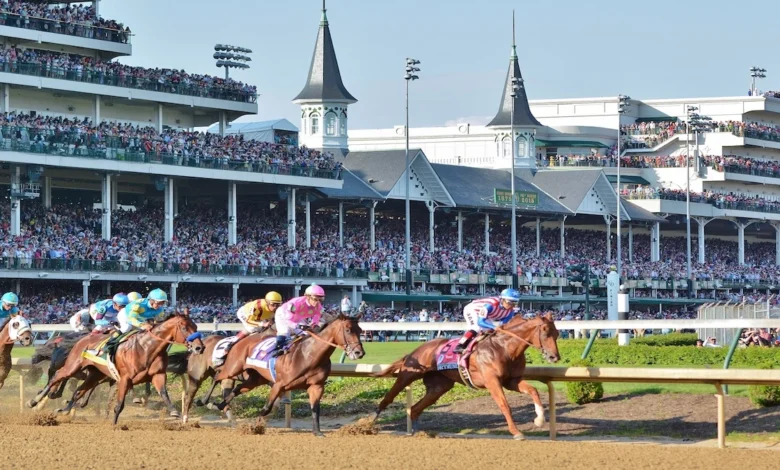
Each year, the first Saturday of May transforms Louisville, Kentucky, into a global epicenter of sport, fashion, and revelry, drawing thousands of discerning individuals for the monumental Kentucky Derby. While the roar of the crowd at Churchill Downs ostensibly celebrates the crowning of the fastest three-year-old thoroughbred, the festivities and allure of this iconic event commence long before the thunder of hooves on Derby Day. Savvy attendees understand the significance of arriving in time for the Kentucky Oaks, the prestigious fillies race held the preceding Friday, and the captivating "walk out," a ritualistic procession where the 20 star thoroughbreds make their way from the barn to the paddock, building anticipation before being saddled for their ultimate test. This comprehensive guide aims to ensure your experience in Louisville is as rich and memorable as the event itself, keeping the bourbon and mint juleps flowing while navigating the best the city has to offer.
A Legacy of Speed and Style: The Kentucky Derby’s Enduring Appeal
The Kentucky Derby, often dubbed "The Run for the Roses," is more than just a horse race; it’s a cultural institution steeped in American history and tradition. Established in 1875 by Meriwether Lewis Clark Jr., grandson of William Clark of the Lewis and Clark Expedition, the Derby was inspired by the Epsom Derby in England. Clark envisioned a premier racing event for the United States, a vision that has since blossomed into the longest continuously held sporting event in the country. Its enduring appeal lies in a unique confluence of factors: the raw power and grace of elite equine athletes, the thrill of the unpredictable contest, a deep-rooted connection to Kentucky’s bourbon heritage, and a flamboyant display of fashion that has become as much a part of the spectacle as the race itself. The Derby is the first leg of the coveted Triple Crown, a series of three races for three-year-old thoroughbreds, with the Preakness Stakes and Belmont Stakes following. Achieving a Triple Crown victory is one of the rarest feats in sport, amplifying the stakes and the historical significance of each Derby winner.
Where to Stay: Immersing Yourself in Louisville’s Luxury and Charm
For those seeking an opulent and culturally immersive experience, Louisville offers a curated selection of accommodations that blend Southern hospitality with sophisticated design.
Hotel Béouré Bonne: A Symphony of French Elegance and Kentucky Heritage
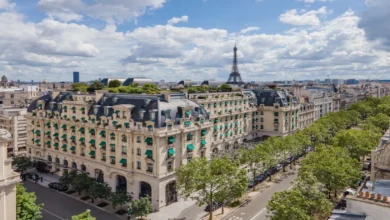
One of Louisville’s most recent luxury additions, Hotel Béouré Bonne, masterfully fuses French elegance with the distinctive spirit of Kentucky. Its very name, translating from French to "good bet," serves as a charming double entendre, referencing both the thrill of horse racing and a promise of exceptional hospitality. The hotel’s rooftop lounge and pool area provide a vibrant social hub, setting a sophisticated tone for guests. Complementing this, Steakhouse Béouré Bonne elevates the dining experience with a signature bourbon bar, offering tableside martini service. Patrons can savor their libations in an exclusive Hermès-themed private booth, surrounded by a curated gallery wall that notably features a piece by Picasso, underscoring the hotel’s commitment to art and exclusivity. During Derby weekend, the hotel fully embraces the glamorous atmosphere. Guests have the option to book in-room hair and makeup services to perfect their race-day look, can browse a pop-up boutique offering statement hats and fascinators, and can partake in exclusive Four Roses bourbon events hosted in the lobby, ensuring a seamless transition into the Derby spirit.
21c Museum Hotel Louisville: Where Art and Hospitality Converge
The 21c Museum Hotel Louisville offers a unique proposition: an establishment that is as much a contemporary art museum as it is a boutique hotel. Billing itself as the world’s first museum hotel, it provides free access to its galleries 24 hours a day, allowing guests to engage with the art at their leisure. In the lead-up to the Derby, the hotel becomes a canvas for a unique public art installation: the "pink snail migration." Overnight, 35 oversized neon sculptures of snails slowly make their way from Goshen to downtown Louisville, a whimsical and charitable endeavor that captures the city’s artistic pulse and community spirit. This integration of art into the guest experience provides a distinctively modern and thought-provoking stay.

The Seelbach Hilton: A Gilded Age Icon Steeped in Literary Lore
The Seelbach Hilton, a Louisville landmark since its grand opening in 1905, embodies Beaux-Arts splendor and is deeply interwoven with literary history. F. Scott Fitzgerald, who was stationed near Louisville during World War I, was a frequent visitor to the hotel’s Rathskeller Bar, and its opulent ambiance is said to have inspired elements of The Great Gatsby. The hotel’s magnificent ballroom famously served as the inspiration for the wedding location of Tom and Daisy Buchanan. Today, the Gatsby Suite and a meticulously crafted menu of Prohibition-era cocktails pay homage to this literary connection, allowing guests to step back in time. The Steelback Suite, largely preserved in its original grandeur, has hosted a distinguished roster of guests, including presidents, rock legends, and Hollywood stars such as Harry Truman, Keith Richards, and Linda Gray. Even the hotel’s history is tinged with cinematic drama, notably the audacious 1923 Derby Day poker room robbery, where masked bandits made off with a fortune, adding another layer to its storied past.
Culinary Delights: A Taste of Louisville’s Gastronomic Scene
Louisville’s culinary landscape is a rich tapestry, predominantly featuring robust, Southern-inspired cuisine, with a growing number of establishments pushing creative boundaries.
610 Magnolia: A Modern Interpretation of Southern Classics
While the city boasts a strong meat-forward and Southern dining tradition, Edward Lee’s 610 Magnolia stands as a pinnacle of culinary excellence. Since its inception in 2003, Chef-owner Edward Lee has delighted diners with his innovative approach to Southern cooking. His tasting menus artfully weave together local traditions with diverse global food cultures, notably reflecting his Korean heritage. The accompanying wine, bourbon, and cocktail menus are equally considered, offering a perfect complement to the culinary journey. This establishment represents a sophisticated evolution of Southern gastronomy.
Proof on Main: Farm-to-Table with an Artistic Flair
Proof on Main offers a compelling fusion of art and gastronomy. Renowned for its unwavering commitment to farm-to-table principles, the restaurant showcases elevated Southern and Appalachian-inspired dishes. Its dining experience is further enhanced by one of the city’s most impressive bourbon programs, making it a must-visit for spirits enthusiasts. The restaurant’s location within the 21c Museum Hotel further amplifies its artistic ambiance.
Swizzle Dinner & Drinks: Retro Glamour with Panoramic Views
Perched atop the Galt House, Swizzle Dinner & Drinks provides a dynamic dining experience with its two revolving floors offering breathtaking, ever-changing skyline views of Louisville. The venue embraces a retro-glam aesthetic, creating a lively and engaging atmosphere. During Derby weekend, a special Derby menu is featured, and the open-concept kitchen adds to the fun, offering a kitschy yet upscale dining adventure.
Hell or High Water: A Speakeasy Sanctuary
For those seeking a more intimate and spirited evening, Hell or High Water, a cozy speakeasy nestled beneath Whiskey Row, is the quintessential destination. This hidden gem offers expertly crafted cocktails and an extensive bourbon list, setting the perfect tone for late-night revelry and conversation. Its clandestine atmosphere and commitment to quality libations make it a standout choice for an authentic Louisville experience.

High-Energy Hotspots: Steakhouses and Derby Traditions
During the heightened excitement of Derby weekend, Louisville’s steakhouses transform into buzzing social hubs, attracting the city’s most stylish and spirited patrons.
Jeff Ruby’s Steakhouse: Unapologetic Opulence and Classic Elegance
Jeff Ruby’s Steakhouse is an unabashedly old-school, white-tablecloth establishment where the energy reaches a fever pitch during Derby weekend. This award-winning steak and seafood destination fully embraces the celebratory atmosphere with its glittering chandeliers, plush red velvet banquettes, and striking red and gold carpets. The impeccable service and high-quality fare solidify its reputation as a premier dining destination.
Repeal Oak Fired Steakhouse: A Toast to Bourbon History
Located on the historic Whiskey Row, Repeal Oak Fired Steakhouse offers a trendy dining experience with a deep connection to bourbon heritage. The menu features expertly oak-fired meats and seafood, complemented by one of the city’s most extensive bourbon collections, including exclusive private barrels. The restaurant’s unique setting within a former J.T.S. Brown & Son distillery adds an undeniable layer of historical charm, drawing a vibrant crowd throughout Derby weekend.
Jack Fry’s: A Louisville Institution with a Rich Past
Jack Fry’s stands as a true Louisville institution with deep ties to the city’s colorful history, particularly its association with the racing world. Opened in 1933 by Jack and Flossie Fry, the restaurant quickly gained notoriety not just for its food but also for Jack’s penchant for gambling, horse racing, boxing, and discreet bootlegging from the back room. A significant renovation in 1985 transformed Jack Fry’s into one of the city’s definitive fine dining establishments. Today, it continues to serve a contemporary American menu with subtle Southern influences, maintaining its legendary status.
VIP Experiences: Elevating the Derby Spectacle
The Kentucky Derby offers a wealth of VIP experiences, catering to those who seek an exclusive and unforgettable encounter with the event’s iconic elements.

The Trifecta of Derby Icons: Mint Juleps, Thoroughbreds, and Haute Couture
Three enduring symbols define the global allure of the Kentucky Derby: the refreshing mint julep, the magnificent thoroughbred horses, and the extravagant display of chic hats. Woodford Reserve, a long-standing partner of the event, elevates the traditional mint julep with limited-edition offerings. For the discerning collector, $2,000 and $5,000 mint julep cups, meticulously crafted by Graham Newton of From the Vault and adorned with sculpted thoroughbreds and 13 stars, are produced in a limited run of just 152.
For an unparalleled, behind-the-scenes immersion into the world of horse racing and breeding, Mint Julep Tours offers exclusive experiences. These tours typically pair a visit to a renowned thoroughbred farm, often featuring encounters with racing legends, with a distillery tour and tasting at iconic Kentucky distilleries such as Buffalo Trace or Bulleit. This comprehensive approach provides a deep understanding of the sport’s heritage and the craftsmanship of Kentucky’s spirits.
The Derby season also presents a rare and celebrated opportunity to appreciate the artistry of custom millinery. At Atelier Fé Millinery, guests can collaborate with master milliner Jenny Pfanenstiel to commission or purchase bespoke handmade hats. Pfanenstiel, known for her exquisite designs, guides clients in selecting the perfect headwear to complement their Derby attire, ensuring they embody the event’s signature style.
Bespoke Bourbon Journeys and Exclusive Gatherings
The realm of VIP experiences extends far beyond the racetrack, encompassing private suites, exclusive access, and tailor-made bourbon adventures along the legendary Bourbon Trail. Clayton & Crume hosts its annual Oaks Day Brunch, a sophisticated affair featuring a four-course menu by Wiltshire Pantry, expertly paired with Maker’s Mark cocktails. This event takes place within the historic confines of Muhammad Ali’s former boxing gym, offering a unique blend of sporting heritage and culinary excellence.
At Angel’s Envy, guests can indulge in truly bespoke bourbon experiences. This includes the opportunity to select and purchase a custom barrel, sample newly released cask-strength bourbons, or even bottle their own exclusive 115-proof Angel’s Envy Single Barrel. These personalized encounters offer an intimate connection with the art of bourbon production and aging.
Broader Impact and Implications: Louisville’s Economic and Cultural Significance
The Kentucky Derby is far more than a single weekend event; it is a significant economic driver for Louisville and the Commonwealth of Kentucky. The influx of thousands of visitors generates substantial revenue for hotels, restaurants, retail establishments, and the transportation sector. Beyond the immediate economic impact, the Derby solidifies Louisville’s position on the global tourism map, attracting international attention and fostering a sense of pride within the local community. The event also plays a crucial role in promoting Kentucky’s rich bourbon heritage, drawing visitors who are eager to explore the Bourbon Trail and sample the state’s famed spirits. The meticulous planning and execution required to host such a large-scale event underscore the organizational capabilities of Louisville and its commitment to showcasing its unique cultural offerings. Furthermore, the Derby’s enduring tradition provides a stable anchor for the city’s tourism industry, ensuring its continued relevance and appeal year after year. The symbiotic relationship between the Derby and the city of Louisville highlights the power of a signature event to shape a destination’s identity and economic prosperity.