SmallRig Launches Budget-Friendly External Optical Viewfinders for Digital and Analog Photography

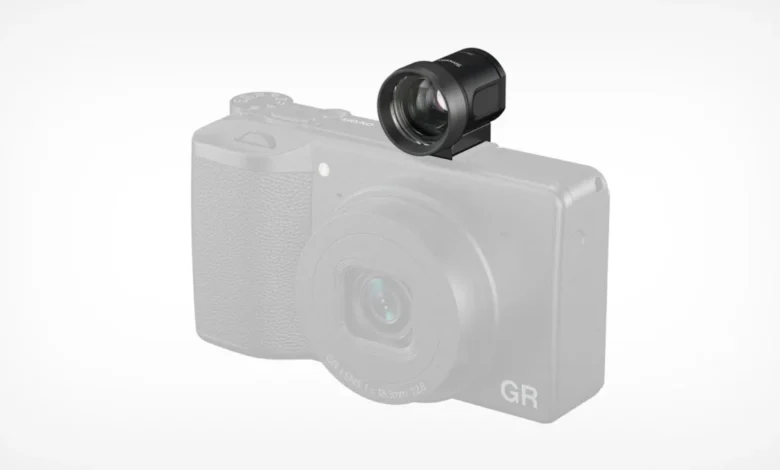
SmallRig has officially entered the optical accessory market with the release of two new external optical viewfinders, specifically engineered to provide photographers with a traditional framing experience for their digital and analog camera systems. Available in 28mm and 35mm focal length equivalents, these accessories aim to address a niche but persistent demand among street and documentary photographers who prefer the tactile, "through-the-glass" composition style often associated with rangefinder-style cameras.
A Strategic Expansion into Optical Accessories
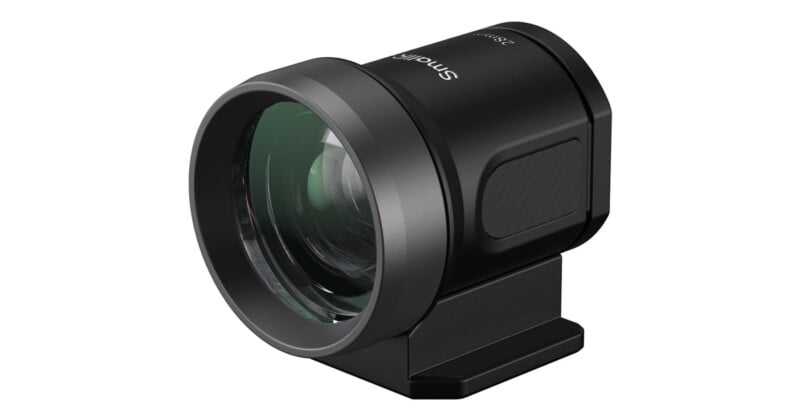
Known primarily for its extensive ecosystem of camera cages, rigs, and support systems, SmallRig’s pivot toward optical components represents a diversification of its product portfolio. The new 28mm and 35mm External Optical Viewfinders are designed to be mounted via a camera’s standard hot shoe. Because these units are purely optical, they function independently of the camera’s electronic systems, meaning they require no power, firmware integration, or digital communication.
This mechanical simplicity makes them highly versatile, compatible with virtually any camera featuring a standard flash hot shoe. While the company has listed compatibility with major manufacturers—including Fujifilm, Sony, Nikon, Canon, and Leica—the nature of the mounting system suggests that the utility extends to any device where the photographer requires a direct, unmediated view of their subject.
The Rise of the Compact Premium Market
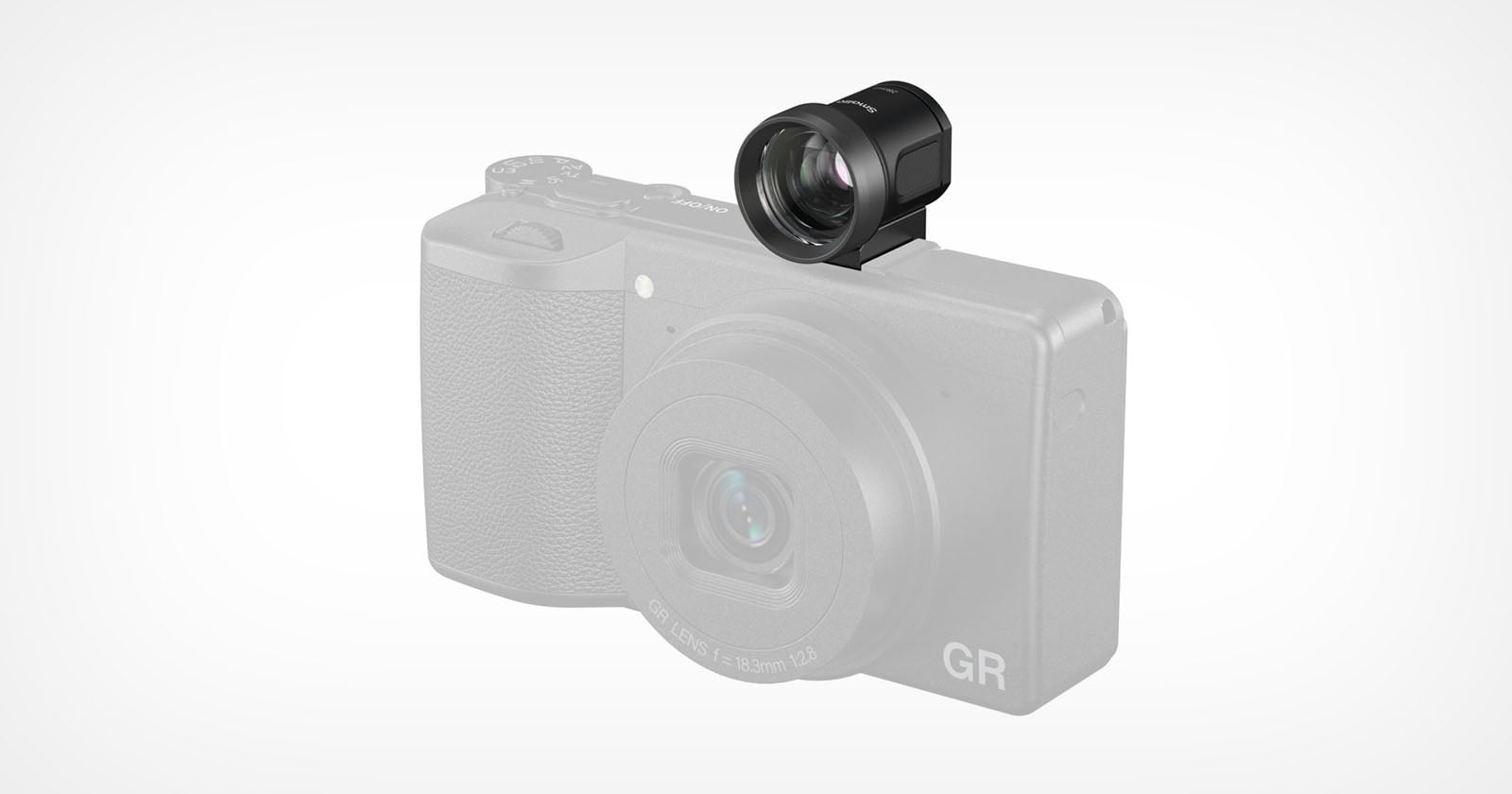
The introduction of these viewfinders arrives at a time when the "premium compact" camera market is experiencing a significant resurgence. The Ricoh GR series, particularly the GR III and the recent GR IV models, has become a cult favorite among street photographers who prize the series for its large sensor, sharp optics, and pocketable form factor.
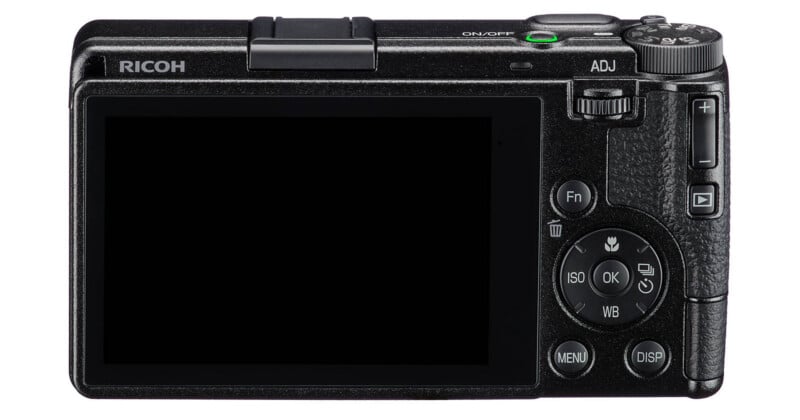
A defining feature of the Ricoh GR line is the intentional omission of an electronic viewfinder (EVF). By prioritizing a minimalist design to maintain portability, Ricoh has forced its users to rely exclusively on the rear LCD screen for composition. While effective, many professional photographers argue that using an LCD display can lead to a "disconnected" shooting experience, particularly in bright daylight where screen glare becomes a factor.
Prior to the SmallRig announcement, users seeking a traditional viewfinder for their Ricoh systems were largely limited to first-party options like the Ricoh GV-1 or GV-2. However, the premium pricing of these proprietary units—often retailing well above $200—has served as a barrier to entry for many hobbyists. By pricing the new SmallRig units at $46.99, the company is effectively democratizing access to this classic style of photography, undercutting the official manufacturer alternatives by nearly 80%.
Technical Specifications and Design Philosophy
The 28mm model is specifically calibrated to match the fixed-lens architecture of the Ricoh GR series, which features a 28mm-equivalent focal length. The viewfinder includes integrated 3:2 frame lines, allowing users to accurately anticipate their composition without needing to glance at the camera’s digital display.
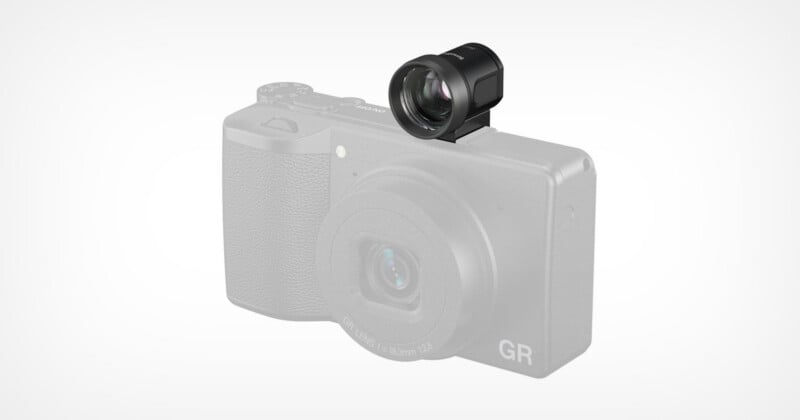
The 35mm version, while offering a narrower field of view, targets a different segment of the market. Its utility is less obvious for fixed-lens compact cameras, which generally favor the 28mm perspective, but it fills a void for users of interchangeable lens systems. For instance, photographers utilizing compact mirrorless bodies—such as the Nikon Z5 IIC—often pair their rigs with small, prime lenses. In these configurations, an external viewfinder provides a "rangefinder" aesthetic and allows the photographer to keep both eyes open while shooting, a technique often employed in fast-paced street photography to maintain situational awareness.
Chronology of Viewfinder Development
The use of external optical viewfinders dates back to the early 20th century, serving as the standard for many pre-rangefinder cameras. As camera technology evolved toward through-the-lens (TTL) viewing via SLRs and later EVFs, the external viewfinder became a specialized tool.
- 1920s–1950s: The golden age of external optical viewfinders, where "bright-line" finders were standard for Leica and Contax rangefinders.
- 2000s–2010s: The decline of the optical viewfinder as high-resolution rear LCDs and, eventually, high-refresh-rate EVFs became the industry standard.
- 2019–2024: The "Ricoh GR Era." The popularity of the Ricoh GR III solidified the modern market for high-quality, external optical viewfinders for compact digital cameras.
- September 2026: SmallRig launches its dedicated 28mm and 35mm optical viewfinders, signaling a formal market response to the demand for affordable, high-quality optical accessories.
Analysis: Solving a Problem or Serving a Niche?
The 35mm viewfinder has drawn some skepticism from industry analysts regarding its necessity. Many modern digital cameras, such as the Fujifilm X-E series or Leica M-mount cameras, already include highly sophisticated integrated viewfinders. In these instances, the addition of an external optical unit is largely aesthetic or stylistic, rather than functional.
However, proponents of the "analog experience" argue that the utility lies in the psychological shift the accessory promotes. By removing the distraction of a digital display, the photographer is forced to rely on instinct, lighting awareness, and composition rather than menu diving and pixel peeping. For these users, the SmallRig viewfinder serves as a tool to simplify the photographic process, stripping away the digital layer between the eye and the scene.
Furthermore, there is a secondary market for these devices: the revitalization of vintage film cameras. Many older film bodies feature viewfinders that have become "foggy," dim, or misaligned due to decades of degradation. For a collector looking to return an old rangefinder or compact film camera to active service, a $46.99 external unit provides a cost-effective way to restore functionality without the need for expensive, specialized repairs.
Market Implications and Future Outlook
The decision by SmallRig to manufacture these units reflects a broader trend in the camera industry: the "retro-ification" of digital photography. Manufacturers are increasingly finding success by leaning into the tactile, manual, and mechanical aspects of the craft.
From an economic perspective, the move is a low-risk, high-reward strategy. Because these viewfinders contain no electronic components, the manufacturing complexity is significantly lower than that of camera cages or motorized stabilizers. The profit margins on simple optics, when manufactured at scale, are typically robust. If the 28mm and 35mm models prove successful, it is reasonable to expect that SmallRig may expand the line to include other popular focal lengths, such as 21mm (ultra-wide) or 50mm (standard).
Official Positioning
SmallRig has framed these products as essential tools for the "intentional photographer." By focusing on the word "affordable," the company is clearly positioning itself to capture the demographic that values the aesthetic and functional benefits of a viewfinder but remains deterred by the price points of premium legacy brands.
For the professional, these units serve as a lightweight, low-profile backup. For the enthusiast, they represent an entry point into a more classical way of seeing the world. Whether these devices become a staple in every street photographer’s bag or remain a niche curiosity, their arrival confirms that the appetite for analog-inspired digital photography is not merely a passing phase, but a sustained movement within the broader imaging industry.
The SmallRig 28mm and 35mm External Optical Viewfinders are currently available through major retailers. The market reaction will be monitored closely, as it may serve as a bellwether for whether other accessory manufacturers follow suit, potentially leading to a new era of third-party optical support for the modern digital photographer.