The Tragedy of 1955: A Catalyst for Change
In August 1955, 14-year-old Emmett Till, a Chicago native, traveled to Money, Mississippi, to visit relatives. His life was abruptly extinguished after a white woman, Carolyn Bryant Donham, accused him of whistling at her in a local grocery store—a claim that was later retracted by the accuser. Till was abducted from his uncle’s home, brutally beaten, and lynched. His body was recovered from the Tallahatchie River, so disfigured that his mother, Mamie Till-Mobley, insisted on an open-casket funeral in Chicago to show the world the brutality of Jim Crow.
The acquittal of the two men responsible for his murder, despite clear evidence of their guilt, sent shockwaves through the United States. This failure of the justice system served as a primary catalyst for the burgeoning civil rights movement. In the months following the trial, Rosa Parks refused to yield her seat on a Montgomery, Alabama, bus, an act of defiance she later attributed in part to the lingering memory of Till. The national outrage following Till’s death provided the political capital necessary for the passage of the Civil Rights Act of 1957, the first federal civil rights legislation passed by Congress since the Reconstruction Era.
A Curatorial Vision of Untaken Journeys
Curated by Sarah Lewis, the MoCP exhibition does not attempt to create a literal documentary of a life that did not occur. Instead, it utilizes the institution’s vast photographic collection to map the cultural, social, and political shifts that occurred in America between 1955 and 2026. The exhibition posits that Till’s life—had he been granted the basic right to exist—would have been interwoven with the very fabric of these changes.
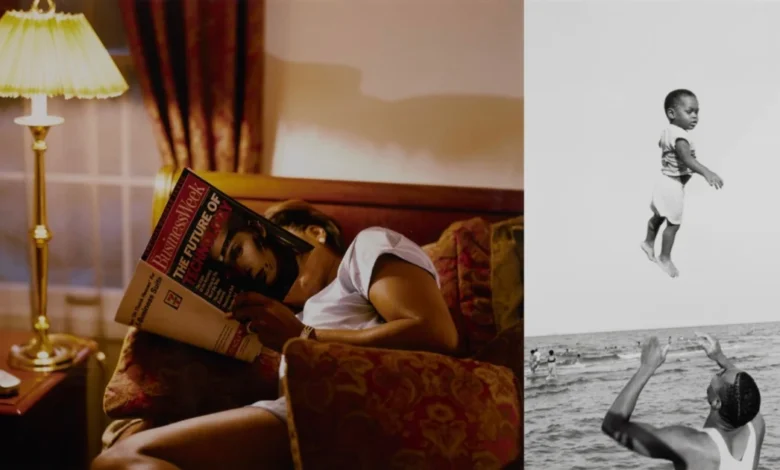
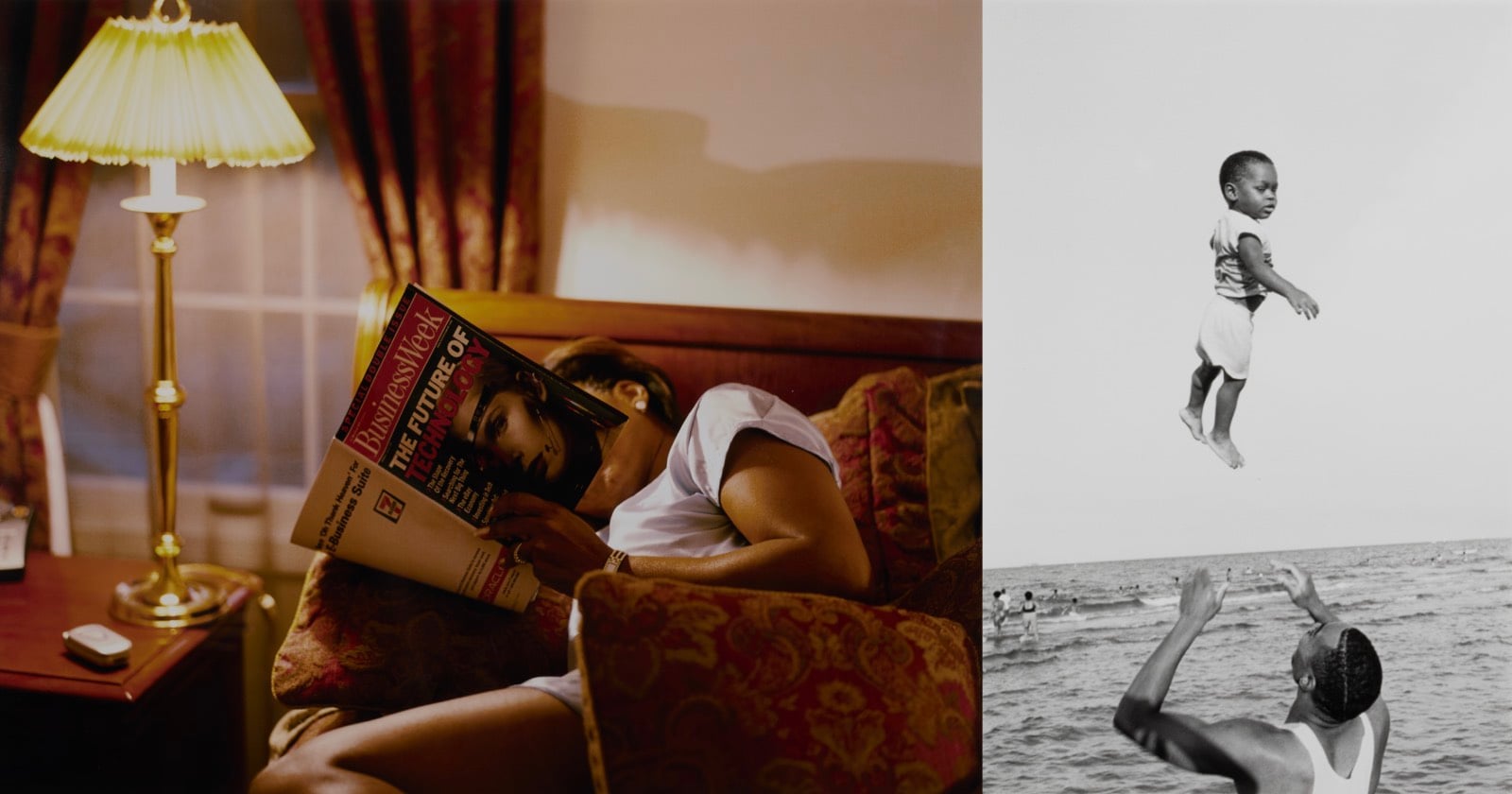
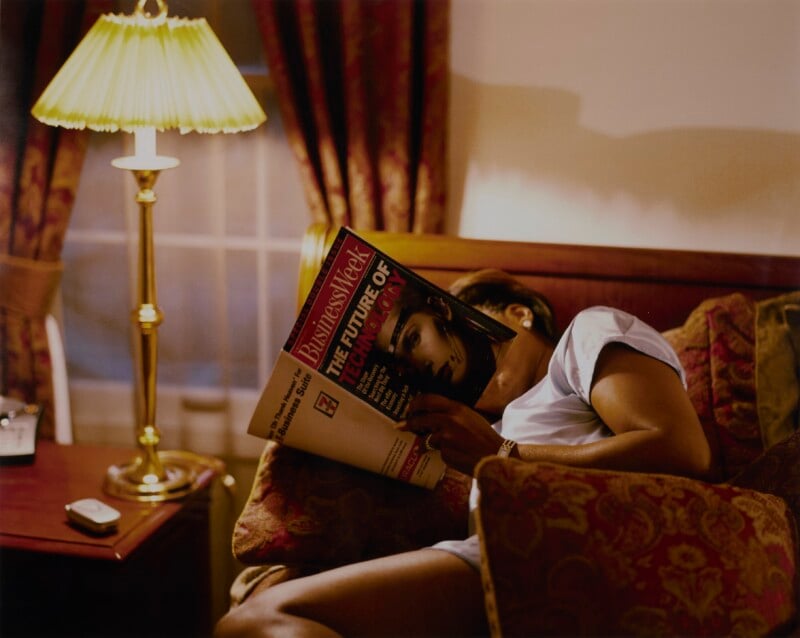
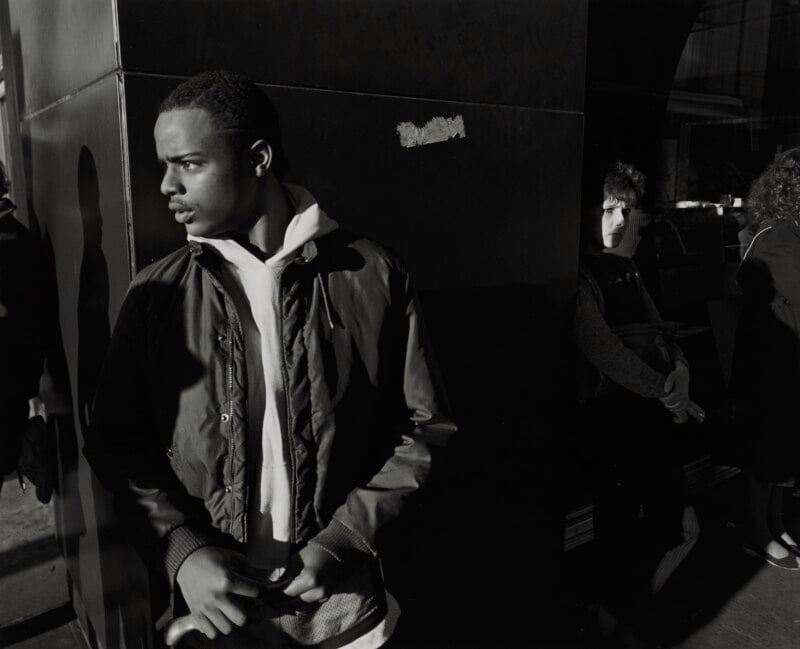
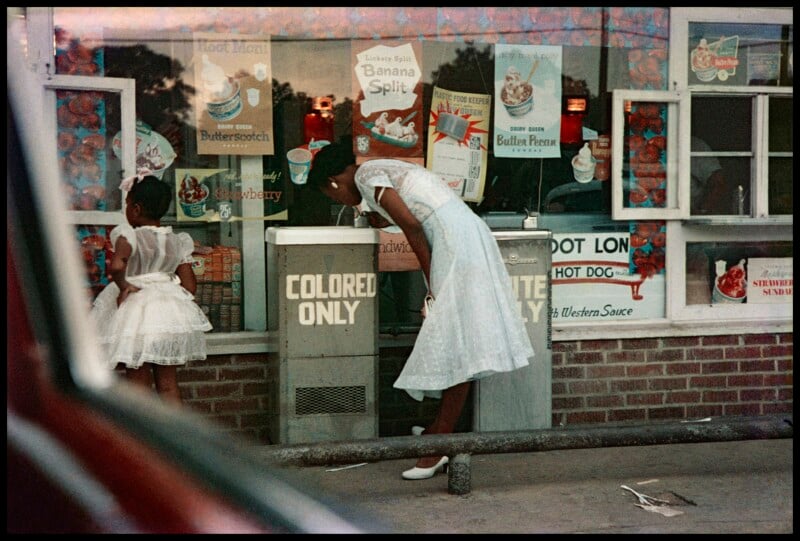
The exhibition features works by iconic photographers including Henri Cartier-Bresson, Gordon Parks, Dorothea Lange, Dawoud Bey, and Carrie Mae Weems. These images capture the spectrum of the African American experience: the daily indignities of segregation, the joy of family life, the emergence of middle-class suburban existence, and the monumental milestones of the 21st century, such as the election of Barack Obama. By juxtaposing these images, the exhibition forces the viewer to confront the "what ifs" of history. It asks: What would a man born in 1941 have experienced as a young adult during the height of the protests in the 1960s? How would he have navigated the professional and cultural shifts of the 1980s and 1990s?
Chronology of the Civil Rights Struggle
To understand the significance of this exhibition, one must look at the timeline of the era:
- August 1955: Emmett Till is abducted and murdered in Mississippi.
- September 1955: An all-white jury acquits the defendants in the Till case after just over an hour of deliberation.
- December 1955: The Montgomery Bus Boycott begins, spurred by Rosa Parks’ arrest.
- September 1957: The Civil Rights Act of 1957 is signed into law, establishing the Civil Rights Division in the Department of Justice.
- 1960s-1970s: The peak of the Civil Rights Movement, marked by the March on Washington and the Voting Rights Act of 1965.
- 2008: The election of Barack Obama as the first Black President of the United States.
- 2022: The Emmett Till Antilynching Act is signed into law by President Joe Biden, finally making lynching a federal hate crime 67 years after Till’s death.
The exhibition traces these events through the lens of photography, illustrating how the visual record of the era was not merely a passive observation, but an active participant in social change.
Implications and Scholarly Response
The academic and cultural response to the exhibition has centered on the concept of "the right to stand." Sarah Lewis notes in her curatorial statement that the exhibition serves as a "creative monument" to the life that any child, regardless of race, has a fundamental right to live. "Why create this show and publication now?" Lewis asks. "Because more than seventy years after Emmett Till’s death, we are still asking, have we made good on the sacrifice of his life? We should not have to ask this question."
The implications of this inquiry are significant. By framing the exhibition around the absence of a life, the curators are highlighting the persistent disparities in American society. Data from the Equal Justice Initiative indicates that thousands of African Americans were lynched in the United States between the end of the Civil War and the mid-20th century, a history of state-sanctioned or state-tolerated violence that left deep, systemic scars. The exhibition suggests that Till’s life was not just an individual loss, but a representative loss of a generation of talent, contribution, and perspective.
The Role of Photography as Witness
Photography plays a dual role in this exhibition: it acts as both a historical record and a tool for empathy. Images like Gordon Parks’ Drinking Fountains (1956) serve as stark reminders of the structural barriers of the Jim Crow South, while more contemporary works, such as those by Dawoud Bey, reflect the evolving identity of Black Americans in the late 20th and early 21st centuries.
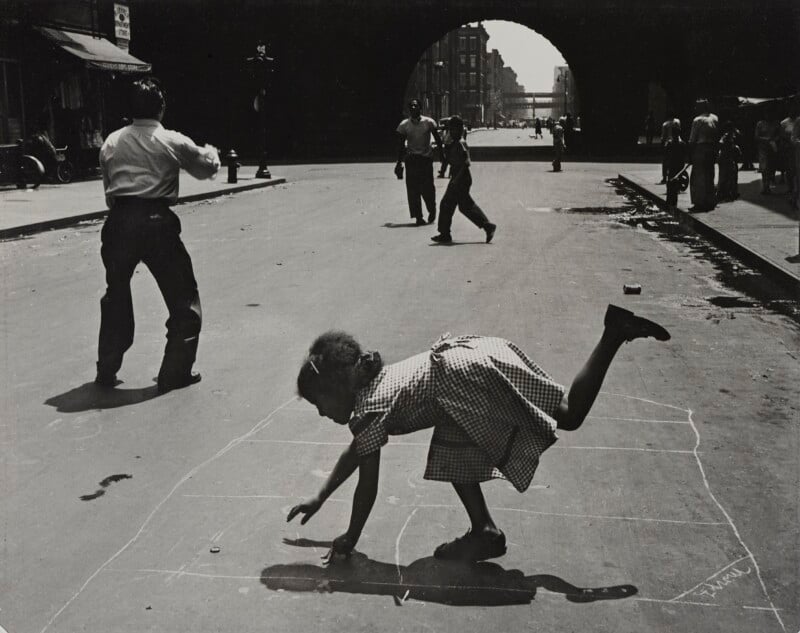
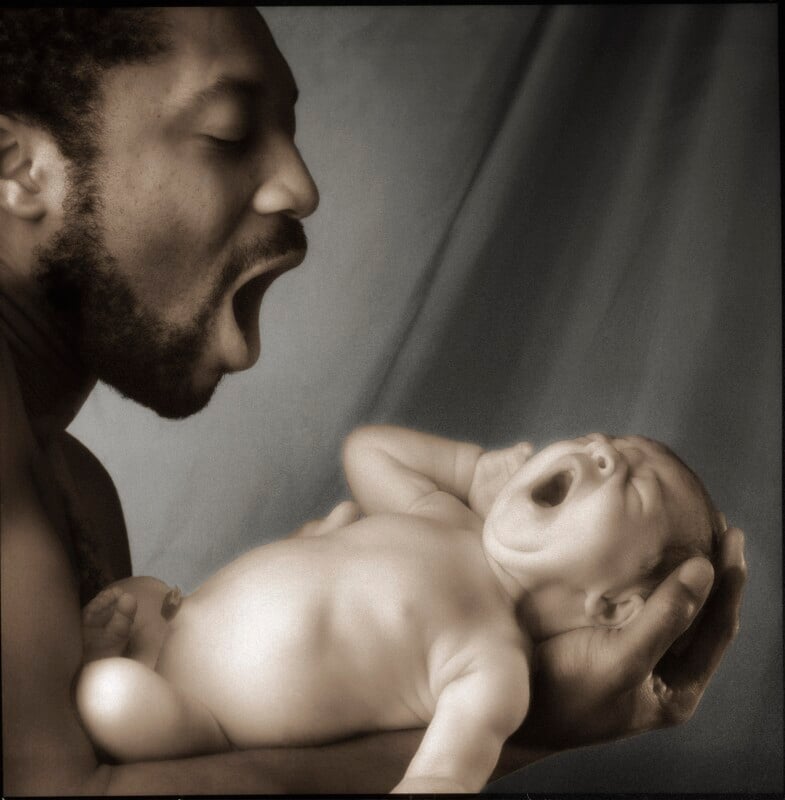
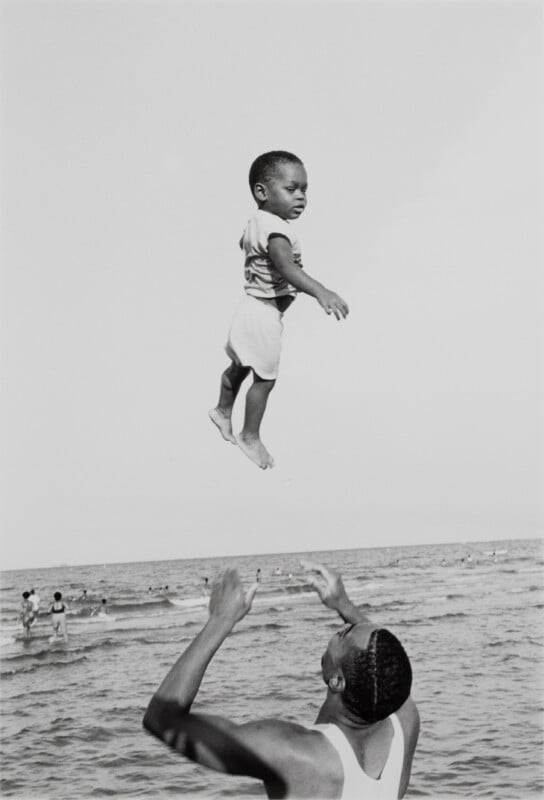
The inclusion of images of family life, such as those documenting fatherhood and childhood, grounds the abstract concept of "a life lived" in visceral reality. By showcasing the beauty of the mundane—a child playing, a couple waiting for a bus, a man holding his newborn—the exhibition humanizes the statistical tragedy of the lynching. It forces the audience to view Till not as a symbol of death, but as a person who was denied the simple, profound joys of an 85-year lifespan.
Broader Societal Impact
The exhibition does not exist in a vacuum. It comes at a time when the teaching of American history and the legacy of racial violence are subjects of intense political debate. By bringing these images into a contemporary space, the Museum of Contemporary Photography is engaging in a form of "curatorial activism." It provides a platform for the public to engage with history not through dry text, but through the evocative power of the camera lens.
The exhibition’s reach is amplified by its accompanying publication, which seeks to formalize the narrative of Till’s "untaken journey." By connecting the Mississippi of 1955 to the Chicago of the 21st century, the curators are emphasizing that the fight for civil rights is a continuous, generational effort. The exhibition serves as a reminder that history is not a static list of dates, but a living narrative that requires constant interrogation and reflection.
Conclusion: A Legacy of Responsibility
As visitors walk through the halls of the MoCP, they are confronted with a haunting question: What have we done with the time we have been given? The exhibition If Emmett Till Lived: Freedom on American Ground does not provide a simple answer. Instead, it challenges the visitor to consider the humanity of those lost to violence and the responsibility of the living to ensure that the ground upon which we stand is truly free and equitable for all.
Through the curation of these visual artifacts, the Museum of Contemporary Photography has created a space where the past and the potential future collide. It is a sobering, necessary examination of the American narrative—a story that remains unfinished, and one that demands that we never lose sight of the individuals who were denied the opportunity to tell their own chapters. The exhibition stands as a testament to the fact that while the life of Emmett Till was cut short, the questions he left behind continue to shape the moral landscape of the nation.