The world of underwater photography has been captivated by the remarkable achievements of Panitbhand "Pari" Paribatra Na Ayudhya, a 14-year-old prodigy from Thailand. Late last month, Pari etched his name into the annals of photographic excellence by clinching the prestigious Project // 21 category at the Hasselblad Masters 2026 photo contest. This victory marks a significant milestone in an already impressive career, underscoring his prodigious talent and unwavering dedication to capturing the unseen wonders of the marine world. This is not the first major accolade for Pari, and with his trajectory, it is undoubtedly not his last.
Pari’s journey into the depths of underwater photography is as inspiring as his award-winning images. His success at the Hasselblad Masters 2026, one of the most revered competitions in the photography industry, is a testament to his artistic vision and technical prowess. The Project // 21 category, specifically designed to recognize emerging talent aged 21 and under, saw Pari compete against a global pool of exceptionally skilled young photographers. His triumph in this highly competitive arena highlights his ability to not only master the technical demands of underwater photography but also to imbue his work with a unique narrative and emotional resonance.
A Triumph Against Global Competition
The Hasselblad Masters competition is renowned for its rigorous judging process and the caliber of its participants. Winning this esteemed award is a dream for many professional photographers, making Pari’s achievement at such a young age all the more extraordinary. Speaking to PetaPixel about his victory, Pari expressed a profound sense of surprise and gratitude. "I was really glad I made it to the finalists," he stated. "I didn’t expect to win because there were really good other photographers I was competing with. I just thought, ‘It was really good that I made it to the finalists.’ I just didn’t expect to make it to the top." This humble perspective, even in the face of such significant recognition, speaks volumes about his character and his focus on the craft itself.
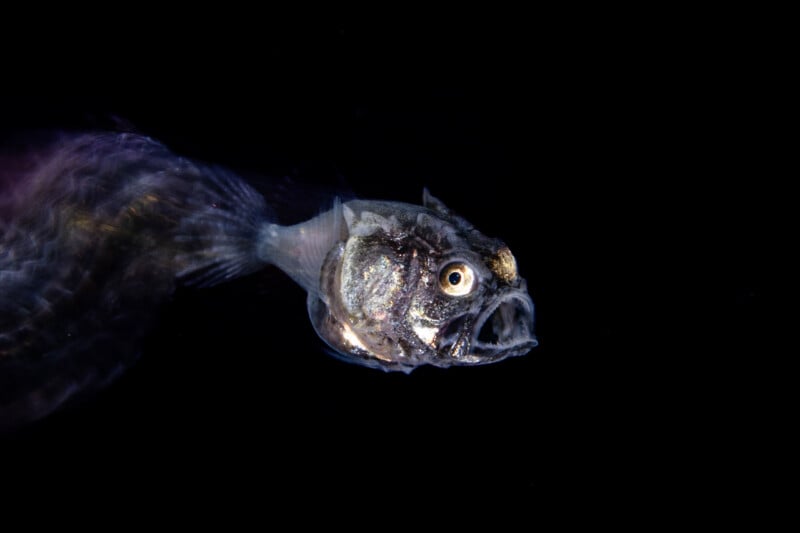
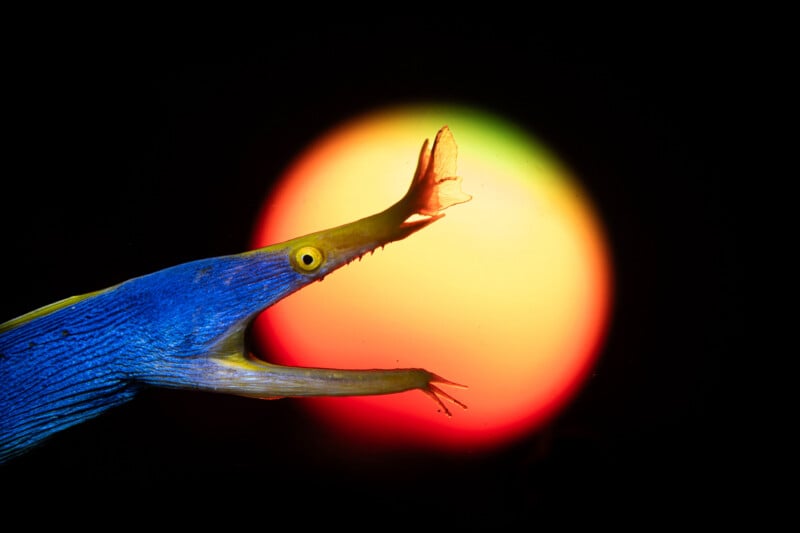
The Project // 21 category challenges photographers to submit a series of three images that tell a cohesive story or explore a specific theme. Pari’s winning submission, a collection of three mesmerizing underwater photographs, stood out for its unique artistic merit and technical execution. The prize awarded to Pari is substantial, including a 5,000 euro creative fund, a Hasselblad 100-megapixel camera, and two XCD Series lenses. This investment in his future endeavors will undoubtedly fuel his continued exploration and documentation of marine life. "I am very honored to win this prestigious award," Pari added, underscoring the weight of this recognition.
Pari’s strategic approach to entering the competition is noteworthy. He meticulously studied previous Hasselblad Masters winners to identify recurring themes and aesthetic qualities that resonated with the judges. "I looked at all the categories, and I saw there’s this pattern in which all the photos have to be unique, but they also have to go along with each other," Pari observed. This analytical foresight, combined with his innate artistic talent, allowed him to curate a series of images that were both individually striking and collectively harmonious, demonstrating a maturity in his photographic thinking that belies his age. He described his chosen photographs as being "similar but also different in a way," highlighting his nuanced understanding of visual storytelling within a series.
The Art of Blackwater Diving and Creative Improv
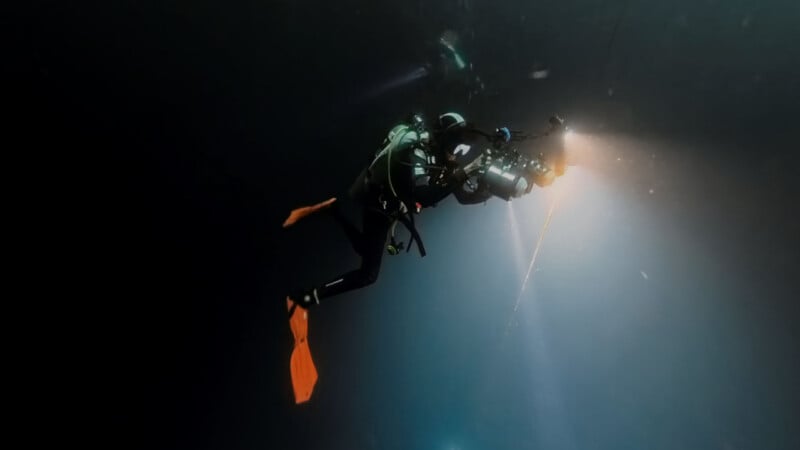
The captivating images that secured Pari’s victory were captured during a blackwater dive in the Philippines. Blackwater diving is a specialized and often challenging form of underwater photography that takes place in the open ocean at night. Divers essentially float in the water column, hundreds of meters above the ocean floor, relying on a powerful light to attract plankton and the smaller creatures that feed on them. This technique offers a unique opportunity to photograph elusive and rarely seen deep-sea organisms.
Pari recounted his experience, explaining the innovative techniques he employed. "We were in the middle of the ocean, waiting for creatures to come up at night," he said. Initially, he used standard flash photography, resulting in clear but conventional images. However, inspired by other divers’ experiments with slow shutter speeds during blackwater dives, he decided to experiment. His initial attempts with a slow shutter speed and a regular flash were, in his words, "wonky" and unorganized.
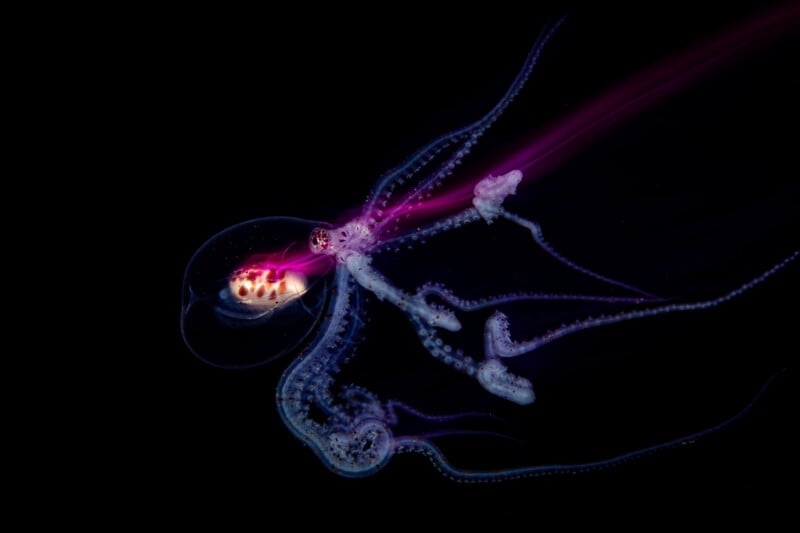
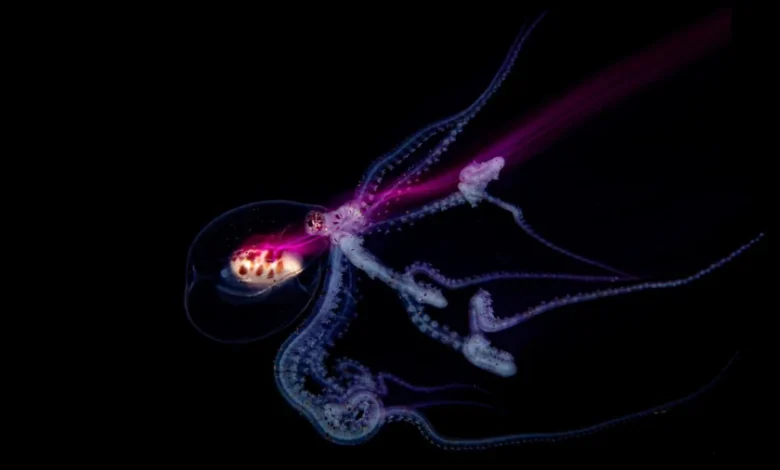
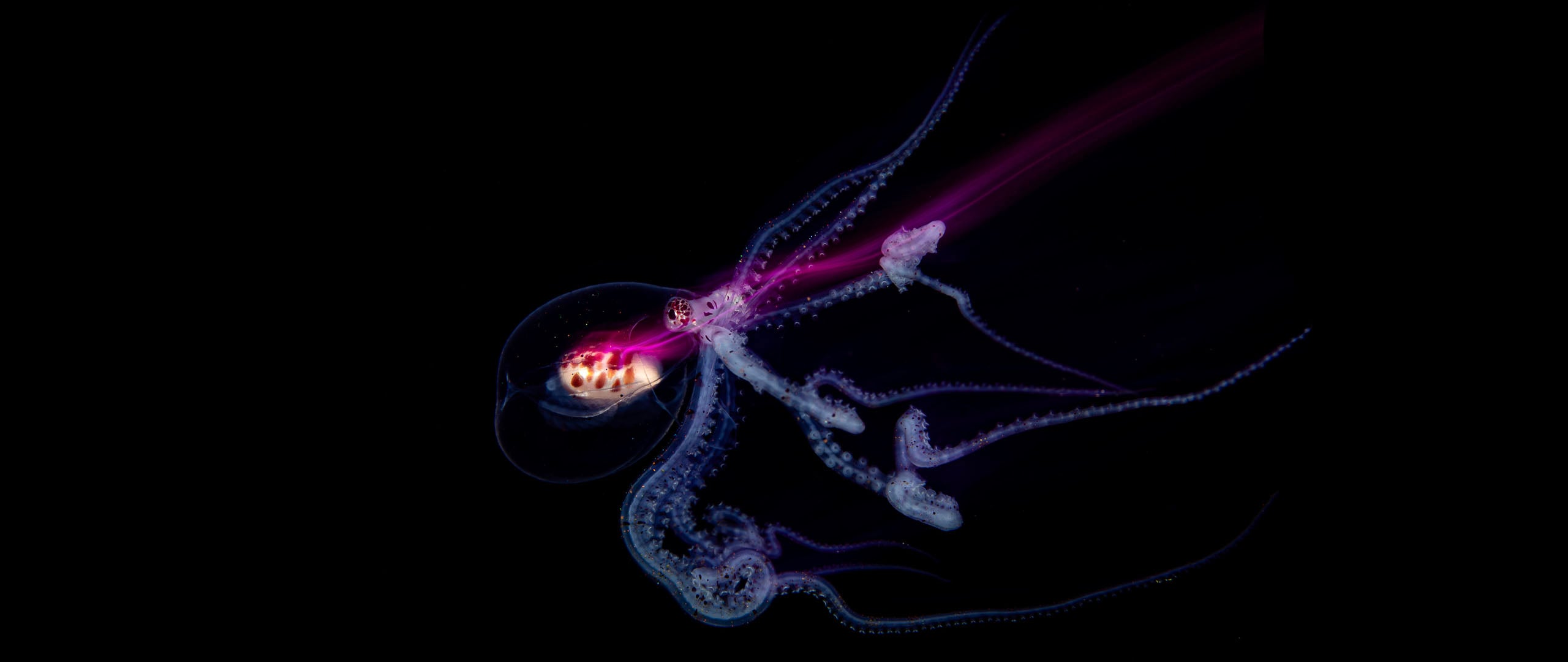
It was through improvisation and resourcefulness that Pari developed his award-winning technique. He ingeniously combined a video light with colored filters, using the filter during a slow shutter speed exposure to create ethereal light trails and then finishing the shot with a flash to capture the intricate details of the subject. This creative adaptation of lighting and exposure settings in a challenging environment showcases his problem-solving skills and his willingness to push the boundaries of conventional underwater photography. The resulting images are characterized by their dreamy quality, with subjects appearing as if suspended in an otherworldly glow, a direct result of his technical ingenuity.
A Deep-Rooted Passion for the Ocean
Pari’s immersion in the underwater world began at a young age. He started scuba diving as soon as he was legally permitted, at the age of 10, and quickly obtained his certification. This was followed by a diving rescue certification, demonstrating his commitment to safety and his serious approach to the sport. "I just practiced and practiced and practiced," he remarked, emphasizing the dedication required to become proficient in both diving and photography.
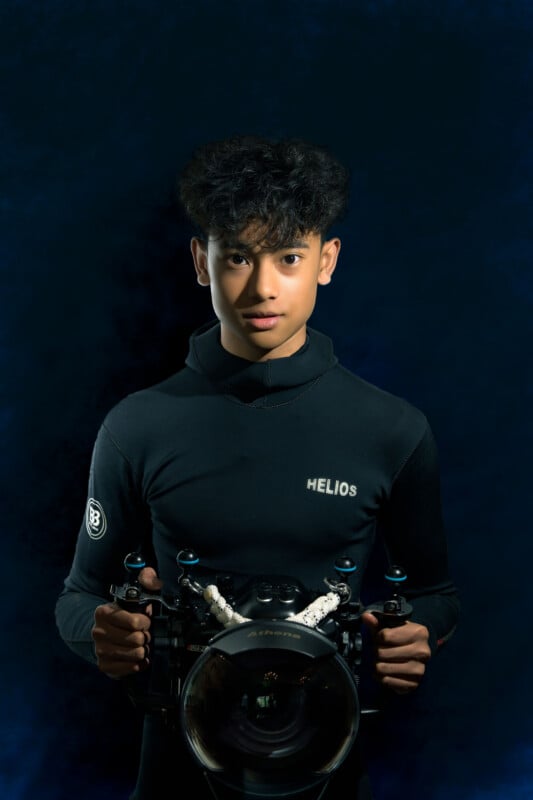
His initial foray into underwater photography was pragmatic, driven by a desire to document his experiences. "I always had an action camera," Pari shared. "I just thought I would record what happened out there." However, when his early attempts yielded unsatisfactory results, he was spurred on by a determination to improve. "It was very bad," he admitted with a laugh, "So the next time I went out, I had to make it better." This feedback loop of experimentation, critique, and relentless practice has been fundamental to his development.
Pari’s current equipment setup reflects his evolving expertise. He utilizes a Nikon Z8 camera, often paired with a Nikkor Z MC 105mm f/2.8 VR S macro lens. This choice of a macro lens, rather than the more common wide-angle lenses favored by many underwater photographers, highlights his preference for capturing the intricate details of smaller marine life. He explains that this allows him to get extremely close to his subjects, and if he needs a wider perspective, he can always position himself further away. His lighting setup includes a pair of Kraken strobes and a video light, providing him with the versatility to illuminate and shape the underwater scene.
His favorite among the three Hasselblad Masters winning images is the photograph of an octopus. He revealed that the subject, which appears relatively substantial in the image, was in fact only about the size of a ping-pong ball, underscoring the importance of his macro lens and his ability to find beauty in the miniature. This fascination with the small and often overlooked is rooted in an early experience with a sea slug. "I saw it on documentaries, and I was like, ‘Wow, this thing actually exists, and you can actually see it.’ So I was like, ‘I have to take a photo of this,’" he recalled. While his initial attempt to photograph the sea slug was unsuccessful, the desire to capture its essence ignited his passion for photography, driving him to refine his skills.
Navigating the Challenges of Underwater Photography
Despite his remarkable success, Pari is candid about the inherent difficulties of underwater photography. "It’s hard because you can’t control a lot of things," he explained. "You can control the light, but you can’t control the water. If the water isn’t cooperating, it’s really hard to do anything." The unpredictable nature of the marine environment, including currents, visibility, and the movement of both the photographer and the subject, presents constant challenges.
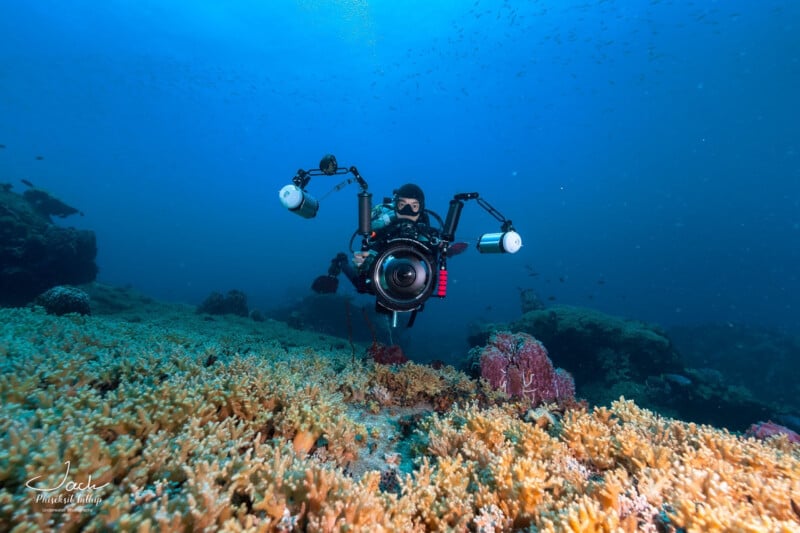
The subjects themselves add another layer of complexity. Underwater creatures are often fast-moving and elusive, demanding patience, quick reflexes, and meticulous preparation from the photographer. Pari’s respect for marine life is evident in his approach; he prioritizes not stressing his subjects and waits for them to approach him, a strategy that requires immense patience and readiness.
"The subject is moving, we’re moving, and sometimes the conditions aren’t great. You’re just not always going to get photos, and that’s really disappointing," Pari stated. This acknowledgment of the inherent unpredictability of his chosen field is balanced by his commitment to preparation. He emphasizes the importance of being ready the moment he enters the water, ensuring his camera settings are perfected through test shots on inanimate objects or nearby companions. "A shark isn’t going to stick around long," he noted, illustrating the need for immediate readiness when photographing larger, more transient marine animals.
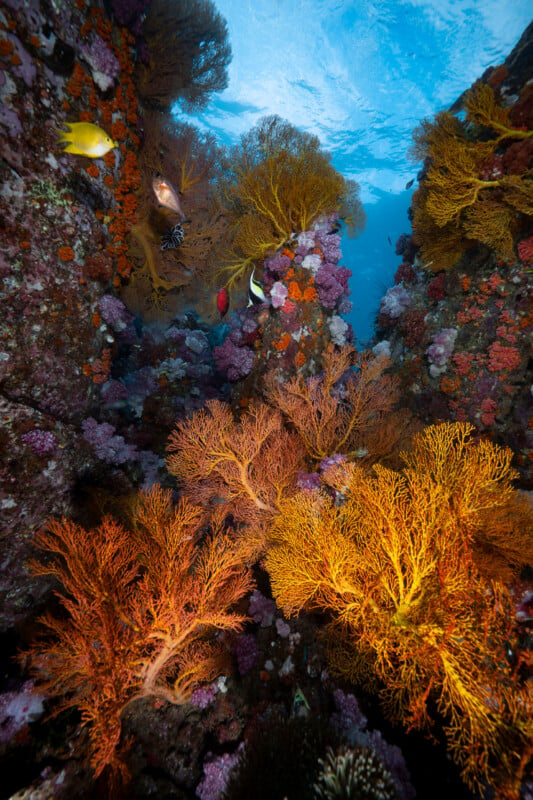
Pari’s dedication extends beyond photography; he is actively involved in marine conservation efforts. He serves as an Ocean Ambassador for The Manta Trust and a Young Shark Ambassador for Fins Attached Marine Research and Conservation. This commitment stems from a deep-seated love for the ocean, which he feels a strong imperative to protect and give back to. "I have always liked the ocean, spending time in the ocean," Paribatra shared. "Long before I started diving, I knew I had to do something to pay back what the ocean gave to me."
A Future Dedicated to the Ocean
Pari’s dedication to the marine world is further exemplified by his recent photo exhibition in Bangkok, titled "Pay Back to the Ocean." Through his art, he aims to inspire others to appreciate and protect marine ecosystems. "Other people do stuff with data and science and awareness. But I just thought that photography – I enjoy photography – so I want to use that and do something good for the ocean," he explained.
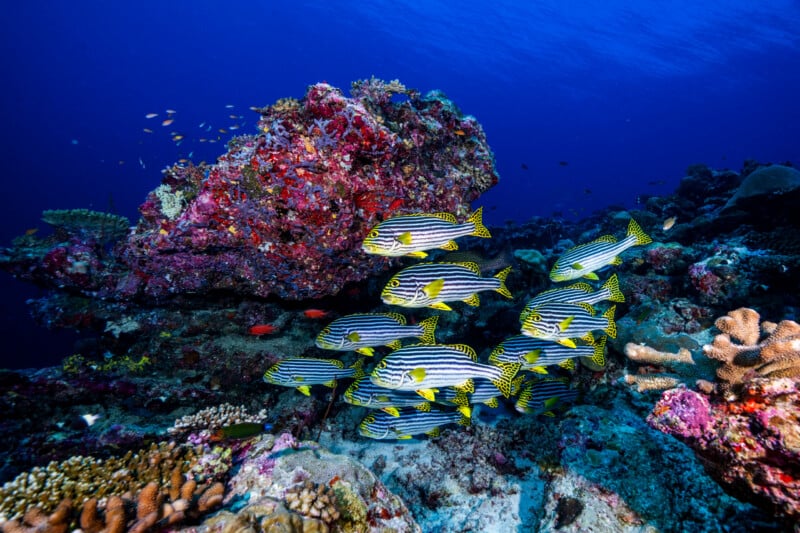
While his passion for photography is undeniable, Pari envisions a future that balances his artistic pursuits with a career related to the ocean, possibly in scientific research. He expresses a desire to continue improving his photography skills and enjoying it as a hobby rather than solely as a professional obligation. "I want to improve, I want to get better," Pari said. "But I also want to enjoy it in a way that it might not be the number one job in my life. Because when it becomes a commitment, and something I have to do a lot, I won’t enjoy it as much. I think it’s a number one hobby, but not everything in my life." This perspective suggests a thoughtful approach to his career, prioritizing passion and sustainability in his endeavors.
Regardless of his ultimate career path, Pari Na Ayudhya’s talent, drive, and profound connection to the ocean position him as a significant voice and contributor to both the photographic community and marine conservation. His journey, marked by early success and a mature understanding of his craft and his purpose, promises a future filled with impactful contributions.
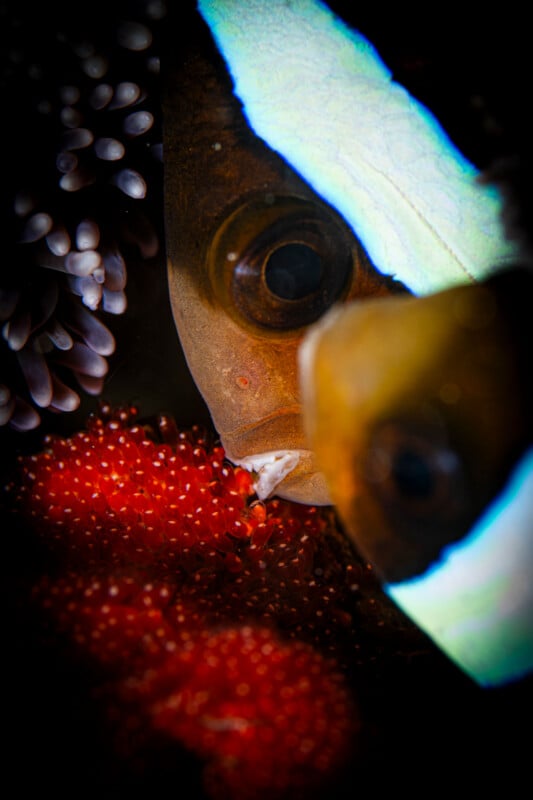
Readers can follow Pari’s underwater photography adventures and conservation efforts on his Instagram account, @pelagic_captures, and visit his website, pariocean.com, for further insights into his work.
Image credits: All photos by Panitbhand Paribatra "Pari" Na Ayudhya