Turkey has emerged as a premier destination for families seeking a blend of cultural immersion, historical exploration, and natural beauty. Contrary to the common perception that international travel with infants and toddlers is fraught with logistical impossibility, a two-week itinerary across Istanbul, Izmir, and Cappadocia demonstrates that Turkey is exceptionally well-suited for family-oriented tourism. The country’s infrastructure, coupled with a deep-seated cultural reverence for children, provides a unique environment for parents looking to balance sightseeing with the realities of caring for young children.

Strategic Planning for Turkey Transit
Navigating Turkey’s transportation network with young children requires advance planning. The country’s geography is vast, and while domestic air travel is highly efficient, ground transportation can be complex. Major hubs such as Istanbul’s Sabiha Gökçen International Airport serve as the primary gateways for international visitors.

For families, the primary logistical hurdle is often ground transport. In Istanbul, the density of traffic and the scarcity of parking make private vehicle ownership—or even the use of standard rental cars—impractical for urban sightseeing. Taxis remain the most prevalent mode of transport, yet they often lack standardized car seats. Savvy travelers are increasingly opting for pre-booked private transfer services such as Welcome Pickups. These services allow families to request English-speaking drivers and pre-installed, age-appropriate car seats, effectively eliminating the stress of negotiating fares in a foreign language while managing luggage and restless children.
Istanbul: A Historical Tapestry for All Ages
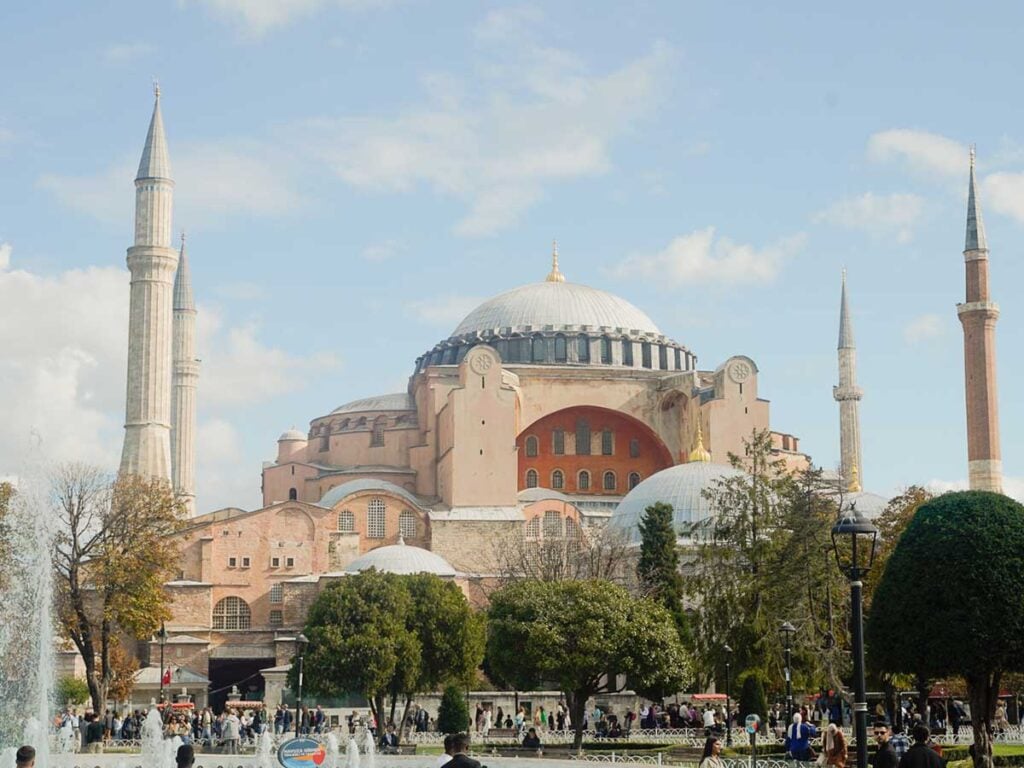
Istanbul, the city bridging two continents, offers a rich array of experiences that, with minor adjustments, are accessible to families. The historic Sultanahmet district is home to architectural landmarks like the Hagia Sophia and the Blue Mosque.

The Hagia Sophia, a monument dating back to 537 AD, is an essential stop. However, to mitigate the fatigue of long queues, families are advised to visit in the late afternoon. As cruise ship traffic subsides toward 5:00 PM, the waiting time for entrance significantly decreases. Inside, visitors should note that strollers are generally prohibited. Consequently, the use of ergonomic baby carriers is a necessity for navigating the interior spaces.

The Blue Mosque presents a similar opportunity for cultural engagement. Beyond the architectural splendor, the surrounding gardens offer a sanctuary for children to move freely away from the congestion of the city streets. Travelers must adhere to local customs, which include modest dress and the use of headscarves for women. Carrying a personal, lightweight scarf is recommended, as it ensures compliance with mosque entry requirements regardless of whether facility-provided coverings are available.

The Grand Bazaar, while visually stimulating, requires a different tactical approach. Navigating the sprawling, narrow alleys with a stroller is challenging. Parents are encouraged to utilize carriers and keep a close watch on toddlers, as the bazaar can become overwhelming. Engaging children in the bargaining process—a staple of Turkish commerce—can turn a potentially stressful shopping trip into an educational game, allowing them to select modest mementos of their journey.

The Aegean Coast: Relaxation and Logistics in Izmir
Transitioning from the urban intensity of Istanbul to the Aegean coast offers a necessary change in pace. A road trip beginning in Izmir is recommended for families seeking flexibility. Unlike Istanbul, renting a vehicle in the Aegean region is highly practical.

For safety and convenience, travelers often bring portable, foldable car seats like the Wayb Pico, which meet international safety standards without adding excessive weight to airline luggage. The coastal town of Çeşme serves as an ideal base. Known for its turquoise waters and sandy beaches, it provides a relaxed environment that contrasts sharply with the frantic energy of the capital.
The Aegean region is also a gateway to significant geological and historical sites, most notably the Pamukkale travertine terraces and the ancient city of Hierapolis. The white, mineral-rich pools are a UNESCO World Heritage site, offering a surreal, natural playground. Visitors should be prepared for the terrain, which is uneven and often slippery; sturdy footwear for older children and appropriate swimwear for everyone is essential. The nearby Cleopatra’s Pool, rich in thermal properties, allows for a unique swimming experience that serves as a fitting end to the Aegean leg of the trip.

Cappadocia: A Geologic Marvel
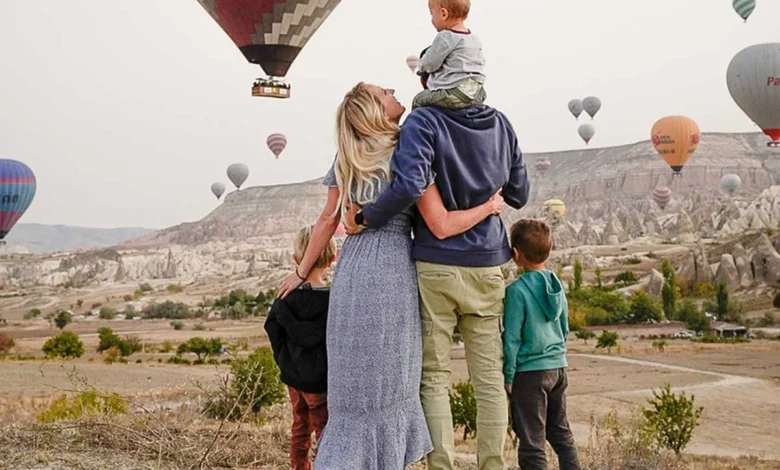
The final leg of a Turkish family itinerary often leads to the heart of central Anatolia: Cappadocia. Famous for its “fairy chimneys” and ancient cave dwellings, the region offers an experience that is visually arresting for adults and physically engaging for children.

The town of Göreme serves as the focal point for visitors. The most immersive accommodation choice here is a cave hotel—structures carved directly into the volcanic rock. These hotels offer a tangible connection to the region’s history, as many were historically used for agriculture or storage. For children, the novelty of sleeping inside a cave is often a trip highlight.

Exploration in Cappadocia is centered around the Göreme Open Air Museum and the fortress of Uçhisar Castle. These sites involve a significant amount of walking, much of which is on uneven or steep terrain. While the physical demand is higher here than in other regions, the freedom to explore the nooks and crannies of the cave churches provides a sense of adventure that is rare in typical tourist destinations.

The region is also world-renowned for its sunrise hot air balloon flights. While infants and toddlers are generally too young to participate in the flights themselves, the experience of watching the balloons ascend at dawn is a must. Vantage points scattered across the region allow families to watch the spectacle from the ground, providing a magical experience that is entirely free of the risks associated with flight.

Cultural Implications and Local Hospitality
A consistent theme throughout these three regions is the overwhelming hospitality of the Turkish people toward children. In many Western cultures, a crying infant or an energetic toddler in a public space can be viewed with irritation; in Turkey, they are frequently treated with warmth and affection.

The phrase “Mashallah,” often whispered to infants by locals, serves as a prayer of gratitude and protection, reflecting a societal view that sees children as a blessing. This cultural nuance significantly reduces the anxiety of parents traveling abroad. In situations ranging from rug presentations to casual dining, local shopkeepers and servers are known to engage with children, often providing small gifts or sweets. This openness reminds parents that travel is not merely about visiting locations, but about the human interactions that define a journey.

Economic and Logistical Summary
The logistical success of a two-week Turkish tour depends on three factors: pacing, equipment, and preparation.

- Pacing: Attempting to visit too many sites in a single day leads to burnout. A “one major site per day” rule is generally sufficient to keep children engaged without overstimulation.
- Equipment: Investing in high-quality, lightweight travel gear—specifically modular car seats and ergonomic carriers—is the single most effective way to improve the quality of the trip.
- Preparation: Utilizing digital tools, such as the Maps Me app for finding scenic vistas or pre-booking private airport transfers, removes the “friction points” that often plague international family travel.
Conclusion
Turkey stands as a testament to the fact that international travel with young children is not only possible but potentially transformative. By balancing the historical weight of Istanbul, the coastal relaxation of the Aegean, and the geological wonders of Cappadocia, families can craft an itinerary that satisfies the intellectual curiosities of parents and the developmental needs of children. While challenges regarding transportation and physical accessibility exist, they are easily managed through thoughtful planning. Ultimately, the warmth of the Turkish people ensures that families leave not just with photographs of landscapes, but with the memory of being welcomed into a society that genuinely values the youngest of travelers.