The Ultimate Guide to Mastering Your Thanksgiving Feast: From Menu Planning to Leftover Management

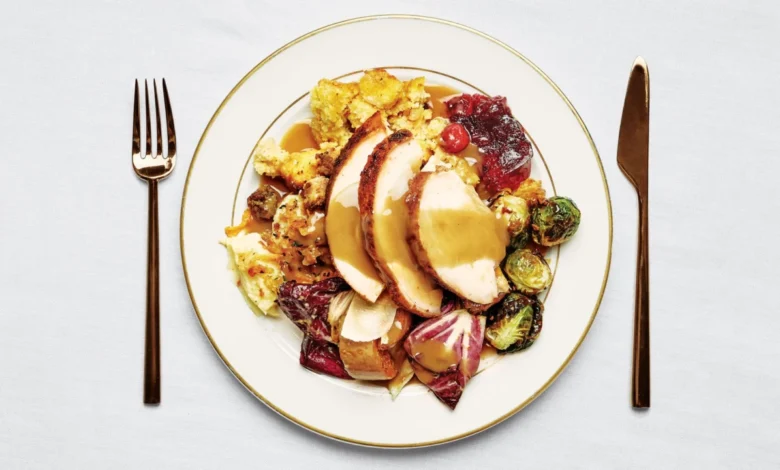
Preparing a formal Thanksgiving dinner remains one of the most significant culinary undertakings for the average American household. As the holiday approaches, the pressure to balance tradition with logistical efficiency often leads to a surge in search traffic for reliable recipes and preparation timelines. Whether a host is managing a formal gathering or a casual family dinner, the process requires careful coordination of oven space, ingredient procurement, and dietary accommodations. This guide synthesizes culinary expertise and practical planning strategies to navigate the complexities of the holiday meal.
The Evolution of the Thanksgiving Menu
The traditional American Thanksgiving menu is rooted in a blend of 19th-century New England traditions and post-World War II commercial convenience. While the historical menu was arguably simpler, the modern standard has expanded to include a wider array of sides and desserts. Data from the American Farm Bureau Federation (AFBF) consistently tracks the cost of a classic Thanksgiving basket, which typically includes turkey, stuffing, sweet potatoes, rolls, peas, cranberries, celery, carrots, pumpkin pie mix, whipping cream, and milk.
In recent years, however, consumer preferences have shifted. According to culinary industry analysts, there is a marked increase in demand for diverse dietary options, including vegetarian and vegan main courses, as well as a focus on hyper-seasonal produce. While the roast turkey remains the centerpiece for approximately 85% of households, the inclusion of sophisticated side dishes—such as charred Brussels sprouts or complex grain salads—has become a hallmark of modern hosting.
Chronological Planning for Optimal Results
Effective holiday preparation is a matter of strict scheduling rather than raw culinary talent. Culinary experts recommend a phased approach to minimize stress.
T-Minus One Week
The planning phase should commence at least seven days before the holiday. During this time, hosts should confirm their guest list and dietary requirements. This is also the optimal window to defrost a frozen turkey in the refrigerator. A general rule of thumb is 24 hours of thawing time for every four to five pounds of meat. For a 15-pound turkey, this means the bird must be moved from the freezer to the refrigerator no later than three days prior to the event.
T-Minus Two Days
Brining the turkey, if required, should occur 48 hours before roasting. Brining significantly improves the moisture content and seasoning of the meat, particularly in larger birds. Simultaneously, non-perishable sides and pie crusts can be prepared and stored.

The Day Before
Vegetable prep, such as peeling potatoes and chopping aromatics, should be completed on the day prior to the feast. Keeping these items submerged in cold water or sealed in airtight containers preserves freshness and saves hours of labor on the actual day of the event.
Thanksgiving Day
The primary focus on the day of the event is the internal temperature of the protein. The U.S. Department of Agriculture (USDA) mandates that turkey reach a minimum internal temperature of 165°F (74°C) in the thickest part of the breast and thigh. Allowing the bird to rest for at least 30 to 45 minutes after roasting is critical; this resting period allows the juices to redistribute, resulting in a significantly more tender outcome.
Navigating Dietary Requirements and Menu Diversity
The modern host must be prepared to accommodate a variety of dietary preferences. The rise of vegetarianism and the prevalence of gluten sensitivities have necessitated a more inclusive approach to menu planning.
When hosting guests with diverse needs, it is recommended to focus on "naturally vegetarian" sides—such as roasted root vegetables, green beans with almonds, or wild rice pilafs—rather than attempting to replicate traditional meat-heavy dishes with synthetic substitutes. By separating the gravy or using vegetable-based stock, a host can ensure that the majority of the meal is accessible to all guests without sacrificing the traditional aesthetic of the table.
Supporting Data and Economic Context
The economic implications of hosting a Thanksgiving feast are substantial. In 2023, the AFBF reported that the average cost of a Thanksgiving dinner for ten people was approximately $61.17, a figure that fluctuates based on regional supply chain variables and inflation rates.
Rising costs have led to an increase in "potluck-style" hosting, where guests are invited to contribute specific dishes. From a logistical standpoint, this decentralization of labor often results in a higher quality meal, as it allows the primary host to focus on the time-sensitive tasks of roasting the turkey and preparing the gravy, while guests handle stable items like appetizers, desserts, or cold sides.
Professional Techniques for Turkey Preparation
The method of cooking the turkey has seen significant diversification. While traditional oven roasting is the gold standard, grilled and smoked turkeys have gained popularity for the depth of flavor they provide.

Regardless of the cooking medium, the primary failure point for most home cooks is poor carving technique. A dull knife or an attempt to carve the meat while it is too hot will result in shredded, unattractive slices. Professionals suggest using a sharp, long-bladed slicing knife and removing the breasts from the carcass in a single piece before slicing them against the grain. This technique ensures that each slice remains intact and maintains a professional presentation.
Managing the Aftermath: The Leftover Strategy
A common secondary challenge for the host is the efficient management of leftovers. Food safety guidelines dictate that leftovers should be refrigerated within two hours of cooking. To maximize food safety and quality, leftovers should be portioned into shallow containers to facilitate rapid cooling.
Creative use of leftovers is a culinary discipline in its own right. From turkey pot pies and elevated turkey sandwiches to repurposing cranberry sauce into glazes for breakfast pastries, the secondary utility of the feast is essential to avoiding waste. Data suggests that approximately 200 million pounds of turkey are discarded during the Thanksgiving holiday period; by implementing a strategic post-holiday meal plan, hosts can significantly mitigate this waste.
Broader Implications and Industry Trends
The hospitality industry views Thanksgiving as a bellwether for annual consumer confidence. The surge in grocery spending during the final week of November provides a clear indication of household budgeting priorities. Furthermore, the increasing reliance on online recipe repositories and "how-to" tutorials reflects a shift in culinary education. Where previous generations relied on oral traditions or printed cookbooks, contemporary cooks utilize digital tools to troubleshoot specific issues in real-time, such as how to rescue a broken gravy or the exact timing for a convection oven adjustment.
Conclusion
The successful execution of a Thanksgiving feast is rarely the result of a single brilliant moment; it is the culmination of organized logistics, an understanding of fundamental food science, and the ability to adapt to unexpected constraints. By prioritizing the internal temperature of the protein, streamlining the side-dish preparation through a chronological schedule, and thoughtfully managing leftovers, the host can move beyond the stress of the event and focus on the primary purpose of the gathering. As culinary techniques continue to evolve and dietary preferences become more complex, the core objective remains constant: the delivery of a safe, consistent, and high-quality dining experience for all attendees.