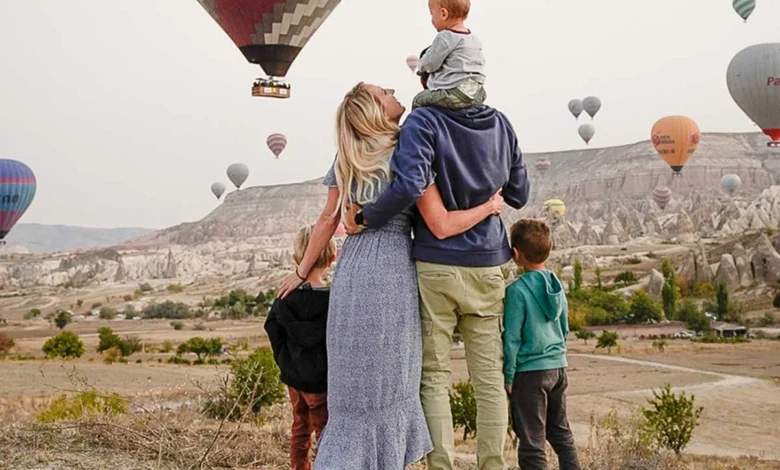
Turkey has rapidly emerged as one of the world’s premier destinations for families, offering a sophisticated blend of ancient history, vibrant culture, and modern infrastructure that caters surprisingly well to travelers with infants and toddlers. A two-week expedition through this transcontinental nation—spanning the urban density of Istanbul, the coastal allure of the Aegean, and the surreal topography of Cappadocia—reveals that with strategic planning, navigating the country is not only feasible but deeply rewarding.

The logistical framework of a Turkish family vacation requires an appreciation for the country’s geography and transit systems. For a family of five, the journey typically begins in Istanbul, which serves as the primary international gateway. The city’s Sabiha Gökçen International Airport and the newer Istanbul Airport provide extensive connectivity. However, expert travelers emphasize that the transit from the airport to the city center—often characterized by heavy traffic and complex parking—is best managed via pre-booked private transfers. Services such as Welcome Pickups provide a standardized, reliable alternative to traditional taxi hailing, ensuring the availability of child-safety seats and English-speaking drivers, which mitigates the stress of navigating the city’s notoriously dense traffic.

The Urban Tapestry: Istanbul with Young Children
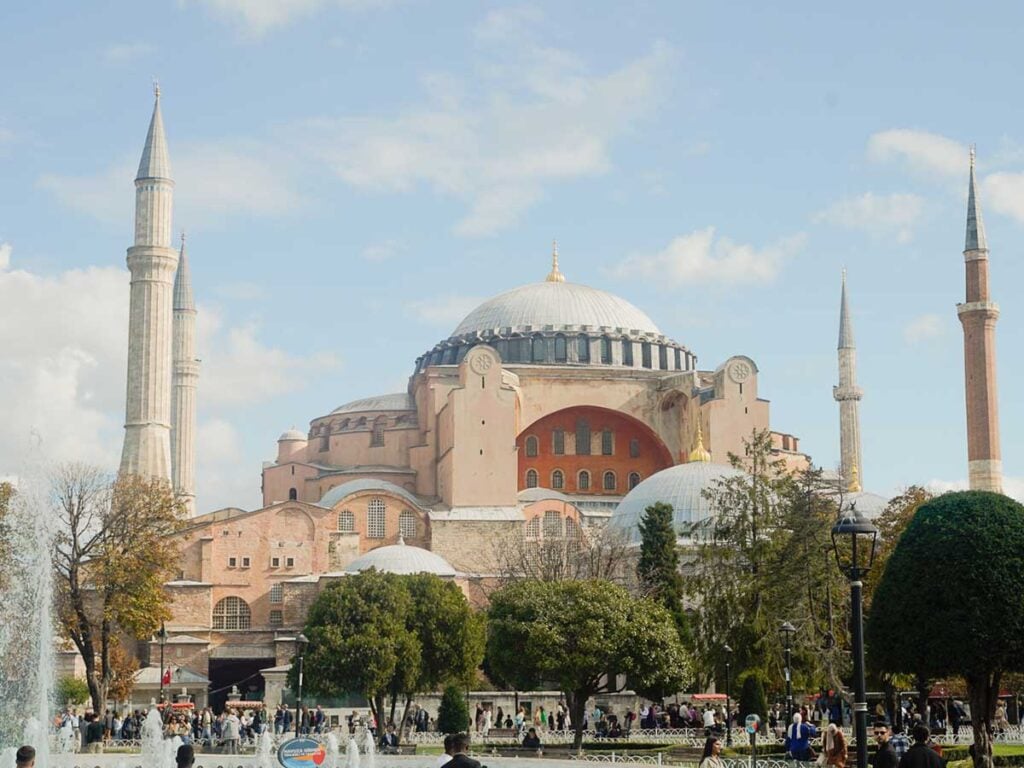
Istanbul represents a unique challenge and opportunity for parents. The city is a confluence of Byzantine and Ottoman history, best experienced through its iconic landmarks. The Hagia Sophia, a monument that has transitioned from a Christian cathedral to an Ottoman mosque and back, remains a primary draw. To optimize a visit with toddlers, scheduling arrivals during the late afternoon—specifically after 5:00 PM—is recommended. This timing allows families to avoid the surge of cruise ship tourists and the peak midday heat, reducing wait times to mere minutes.
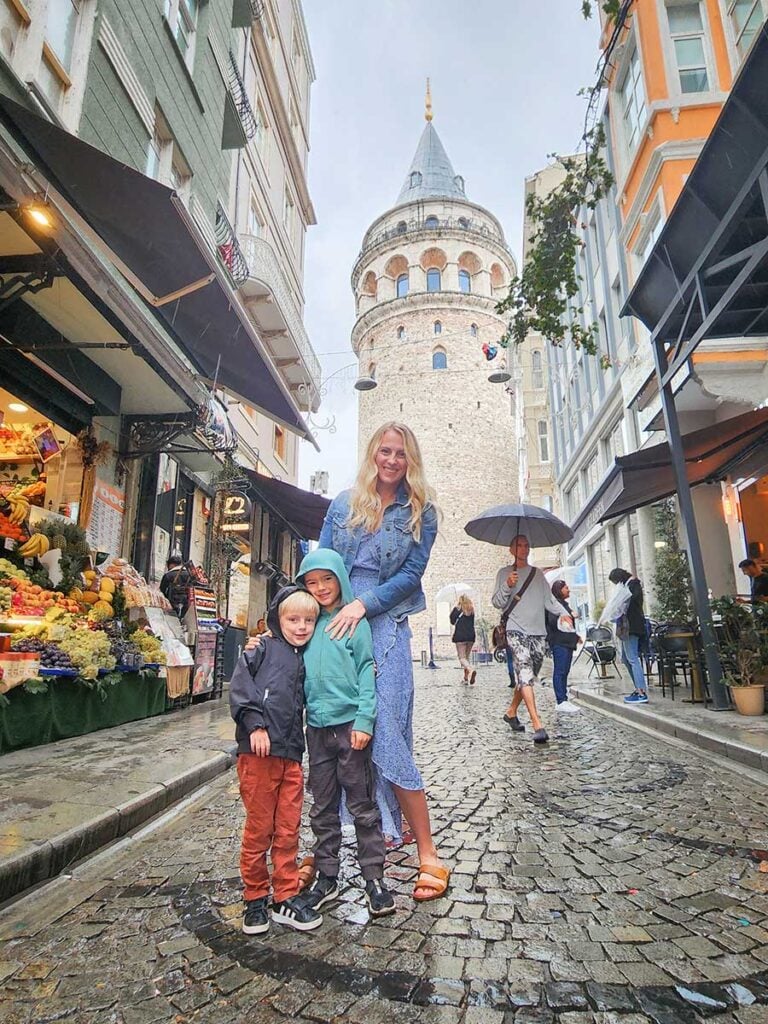
While the historic peninsula is not always stroller-friendly due to cobblestone streets and architectural constraints, the use of ergonomic baby carriers is an essential adjustment for any parent exploring the city. This allows for fluid movement through the labyrinthine aisles of the Grand Bazaar. The Bazaar itself, while overwhelming to the senses, acts as an educational environment for young children, offering a tactile experience with spices, textiles, and traditional crafts. For those seeking respite, the city’s public gardens provide necessary green space, while local establishments like Viyana Kahvesi Kuledibi offer a glimpse into Turkish culinary innovation, specifically the San Sebastian cheesecake, which has become a staple for international visitors.

A notable cultural observation for families traveling in Turkey is the pervasive warmth shown toward children. Unlike in many Western urban centers, where public displays of affection toward strangers’ children might be considered intrusive, in Turkey, the greeting of "Mashallah" is a common, respectful prayer acknowledging the health and blessing of a child. This cultural trait provides a welcoming atmosphere, with locals frequently offering small gifts or tokens to young travelers, fostering an environment where families are not merely tolerated but genuinely embraced.

The Aegean Road Trip: Izmir, Cesme, and Ancient History
Transitioning from the urban intensity of Istanbul to the Aegean coast requires a shift in transport strategy. Renting a vehicle in Izmir offers the autonomy necessary for a regional road trip. The Aegean coast is home to some of Turkey’s most pristine shorelines, with the town of Çeşme serving as a focal point. Characterized by its crystal-clear waters and family-oriented beach clubs, the region provides a balanced environment for relaxation.

The itinerary for a family-focused coastal tour typically includes a drive to the UNESCO World Heritage site of Pamukkale. The site, famous for its white, mineral-rich travertine terraces, serves as both a geological marvel and an historical site. Adjacent to the terraces lie the ruins of Hierapolis, an ancient Roman city. The juxtaposition of Roman architecture against the stark white pools provides an immersive history lesson. A key component of this stop is the Antique Pool, often referred to as Cleopatra’s Pool, where visitors can swim among submerged ancient columns in thermal, healing waters. For families, this site requires preparation—sturdy footwear for the terraces and proper swim gear are non-negotiable, as the mineral deposits can be slippery.

The Surreal Landscape of Cappadocia
The final leg of a comprehensive two-week tour of Turkey brings families to the central region of Cappadocia. This area is defined by its "fairy chimneys"—conical rock formations created by volcanic activity and erosion. The region’s history is equally fascinating, characterized by underground cities and cave dwellings carved directly into the soft volcanic rock.

For families, the lodging experience in Cappadocia is a highlight. Many hotels in towns like Göreme are built into the cliff sides, offering suites that were historically used as grape presses or stables. This provides a unique, tangible connection to the past that is often more memorable for children than traditional hotel amenities.
While the region is world-renowned for its sunrise hot air balloon flights, families with toddlers must accept the inherent limitations of the activity, as most operators have strict age requirements for safety reasons. However, the experience of watching the balloons from the ground is considered by many to be equally, if not more, magical. Vantage points surrounding the Göreme Open Air Museum offer panoramic views of the valley, where hundreds of balloons ascend simultaneously at dawn. Using mapping tools like Maps.me, families can identify optimal viewing spots that are accessible even with young children.

Strategic Considerations and Analysis
Traveling through Turkey with a baby or toddler requires an understanding of the country’s logistical and cultural landscape. The shift from public transit in Istanbul to private vehicle rentals on the Aegean coast and in Central Anatolia is a standard, yet critical, decision for families.

Data from the tourism sector indicates that Turkey’s infrastructure has significantly modernized over the last decade, with a focus on catering to the "family-travel" segment. The availability of Airbnb-style short-term rentals, which offer kitchen facilities and additional space, has been a game-changer for parents who require the comforts of home while on the road.

Furthermore, the economic aspect of family travel in Turkey remains favorable. Compared to many Western European destinations, the cost of high-quality dining, private transfers, and unique experiences in Turkey provides significant value. The combination of historical depth and a child-centric culture makes the country a compelling case study for family travel.

In conclusion, the success of a two-week Turkish itinerary lies in the balance between the scheduled rigors of sightseeing and the spontaneous needs of young children. By incorporating periods of rest, utilizing local cultural hospitality, and maintaining flexibility in transportation, families can navigate the country’s diverse regions with confidence. The resulting experience is one that blends the educational value of ancient history with the joy of discovery, leaving families with a lasting, positive impression of one of the world’s most family-friendly destinations.