A Comprehensive Guide to Sustainable Tourism and Outdoor Exploration in Northern Norway

Northern Norway, a vast geographical expanse encompassing the counties of Nordland, Troms, and Finnmark, has increasingly become a focal point for global adventure tourism and environmental research. Situated largely above the Arctic Circle, the region offers a unique intersection of extreme topography, indigenous Sámi culture, and the high-latitude phenomena of the Midnight Sun and the Aurora Borealis. This guide examines the primary destinations within the Norwegian Arctic, the logistical challenges of northern travel, and the cultural and environmental frameworks that define the region.
The Cultural Landscape: Sápmi and Indigenous Sovereignty
A fundamental aspect of Northern Norway is its identity as part of Sápmi, the traditional cultural region stretching across Norway, Sweden, Finland, and Russia, inhabited by the Sámi people. The Sámi are Europe’s only recognized indigenous population, and their presence is central to the regional identity of Troms, Alta, and the entirety of Finnmark.
Sámi heritage is deeply intertwined with reindeer herding, a practice protected by Norwegian law and reserved primarily for those of Sámi descent in specific regions. Beyond agriculture, the Sámi culture is defined by the joik—one of Europe’s oldest continuous vocal traditions—and a profound connection to the tundra landscape. In recent decades, the Norwegian government has taken significant steps toward reconciliation and cultural preservation, centered around the Sámi Parliament (Samediggi) in Karasjok. For travelers, engaging with Sápmi involves moving beyond commercialized experiences to understand the political and environmental struggles of the indigenous community, particularly regarding land rights and climate change.
Bodø and the Saltstraumen Phenomenon
Often serving as the southern gateway to the Arctic, Bodø sits on a peninsula surrounded by the Saltfjorden and the Skjerstad Fjord. In 2024, Bodø gained international prominence as the first European Capital of Culture located north of the Arctic Circle. The city serves as a critical logistics hub, with its airport located within walking distance of the city center—a rarity in international aviation.
The primary natural attraction near Bodø is Saltstraumen, the world’s most powerful tidal current. Every six hours, approximately 400 million cubic meters of water are forced through a 150-meter-wide strait connecting the Saltenfjord and the Skjerstad Fjord. Water speeds can reach 40 kilometers per hour (22 knots), creating massive whirlpools known as maelstroms. This nutrient-rich environment supports a dense marine ecosystem, making it a premier location for sea eagle sightings and deep-sea fishing.
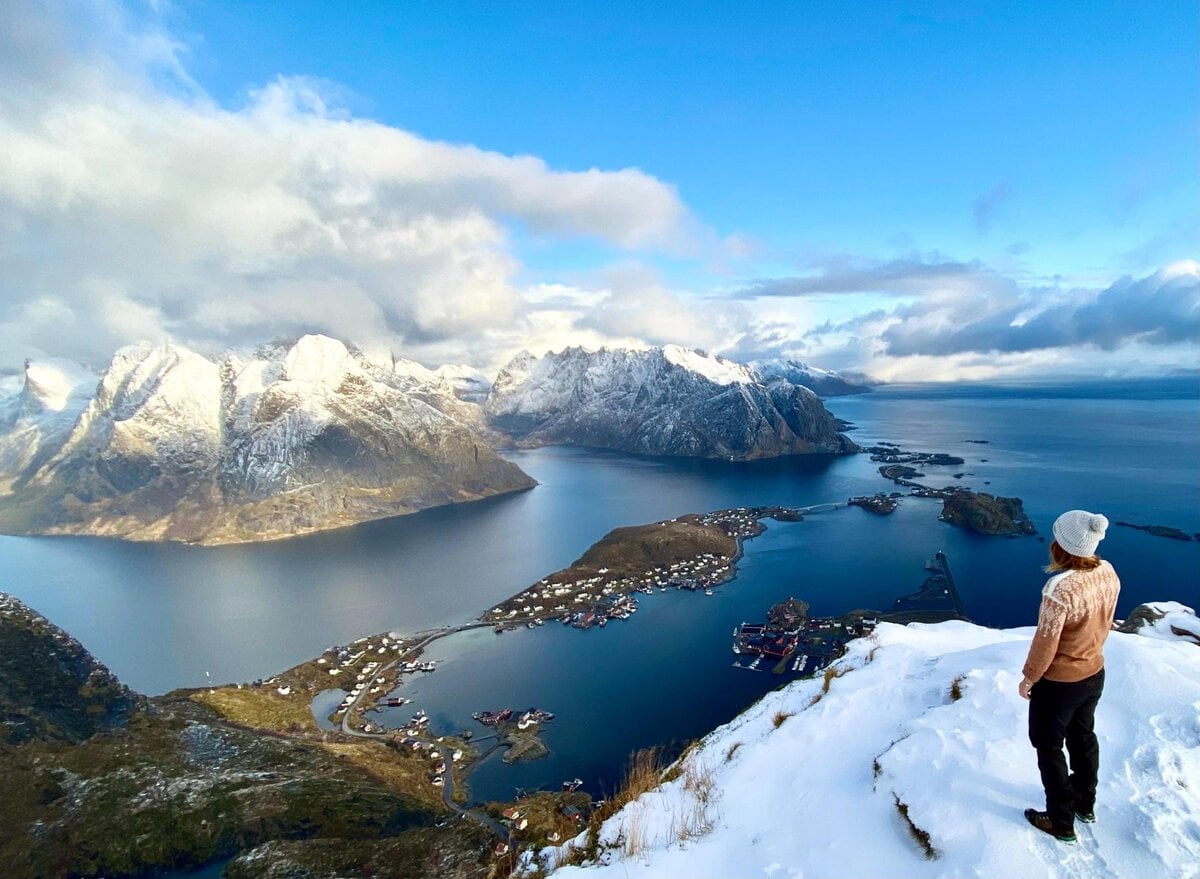
The Lofoten Archipelago: Balancing Beauty and Over-tourism
The Lofoten Islands are characterized by their "alpine" peaks rising directly from the Norwegian Sea. While the region’s aesthetic—red fishing cabins (rorbuer) and turquoise waters—has made it a focal point for social media-driven tourism, the archipelago faces significant environmental and infrastructure pressures.
Hiking and Safety Infrastructure
Lofoten’s terrain is notoriously demanding. The Norwegian Trekking Association (DNT) utilizes a color-coded grading system: green (easy), blue (moderate), red (demanding), and black (expert). However, international visitors often find that Norwegian "moderate" trails involve steep, rocky ascents that would be classified as "difficult" in other regions.
The Reinebringen trail, which offers a panoramic view of the Reinefjord, was recently reinforced with nearly 2,000 stone steps laid by Nepalese Sherpas to mitigate soil erosion caused by high foot traffic. Despite these improvements, the trail remains hazardous in winter and shoulder seasons due to avalanche risks and ice.
Economic History and the Cod Industry
Lofoten’s economy was historically built on the Lofotfisket—the seasonal cod migration. From January to April, spawning cod (skrei) arrive from the Barents Sea. For centuries, this supported the production of stockfish (dried unsalted cod), which remains a major export to markets in Italy and Nigeria. Staying in a traditional rorbu provides insight into this heritage, though most have now been converted into high-end tourist accommodations.
Senja: The "Quiet" Alternative
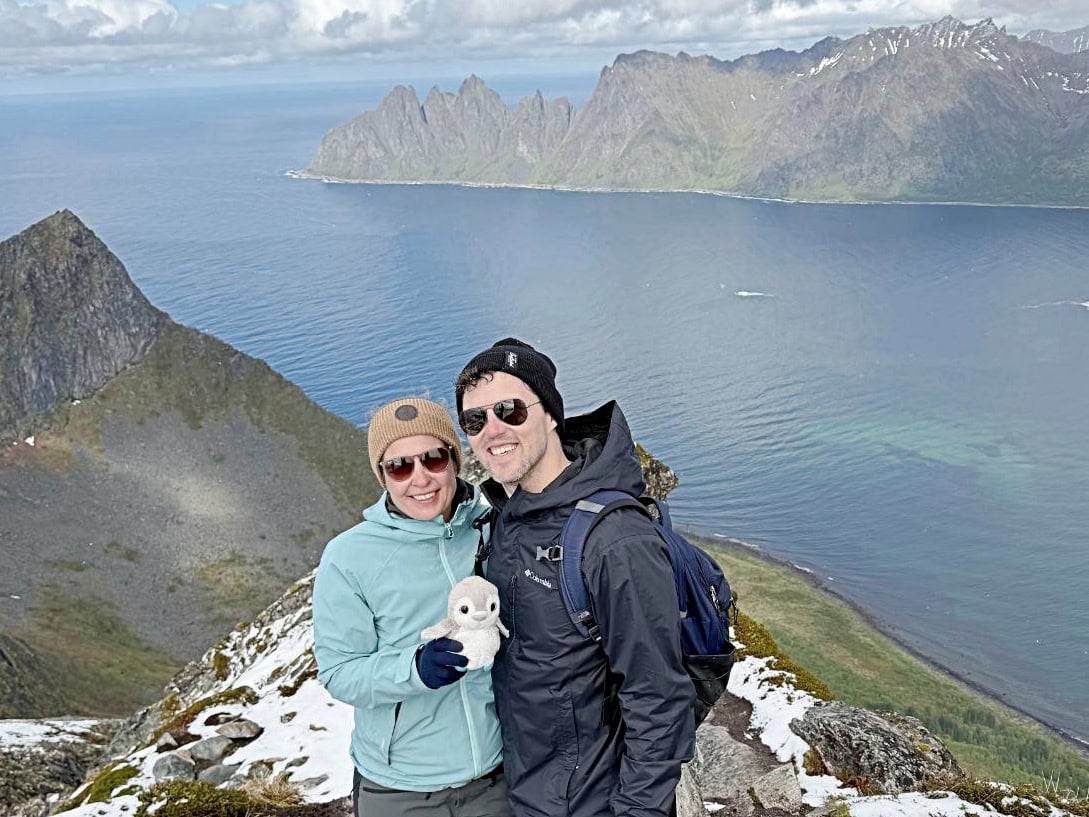
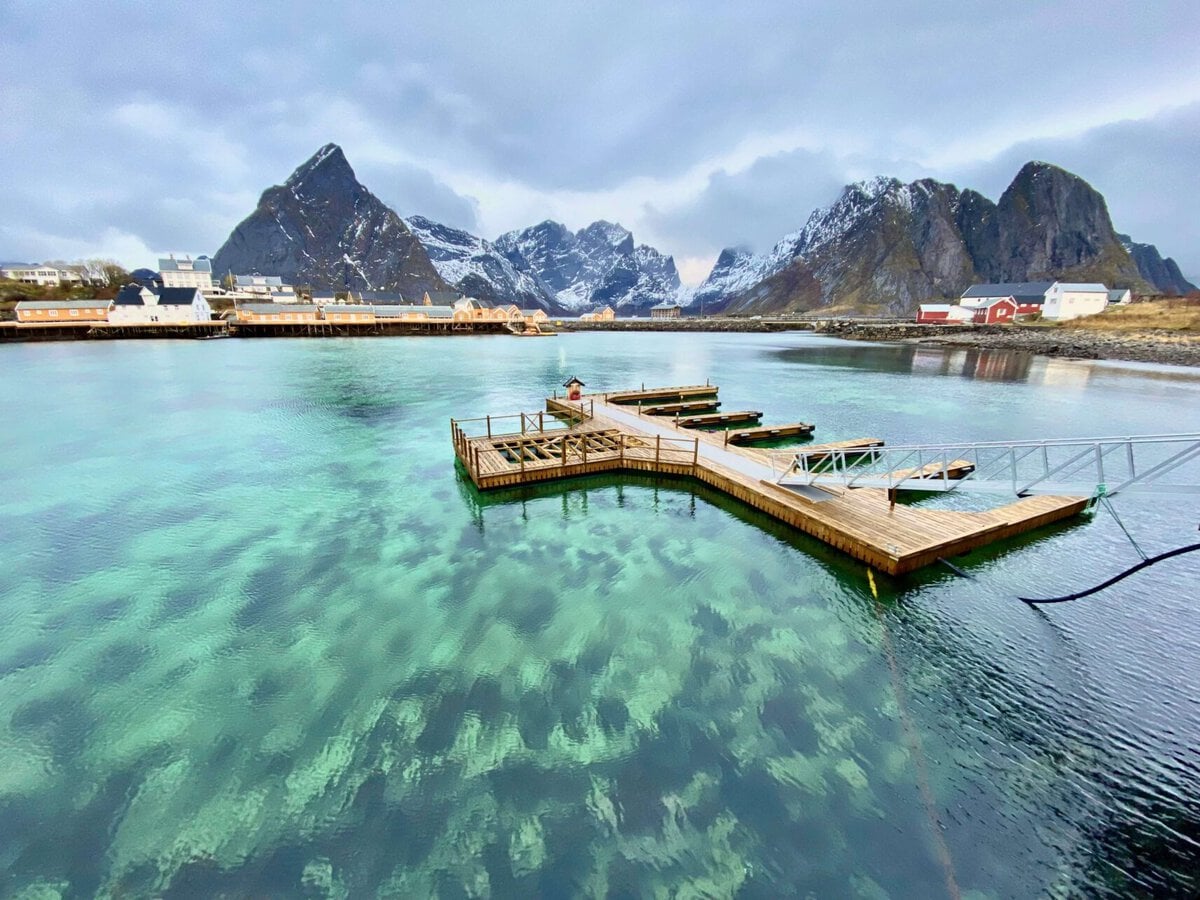
Located between Lofoten and Tromsø, Senja is often referred to as "Norway in Miniature" due to the diversity of its landscapes. While Lofoten struggles with over-tourism, Senja offers a similar topography of jagged peaks and deep fjords but with a fraction of the visitor density.
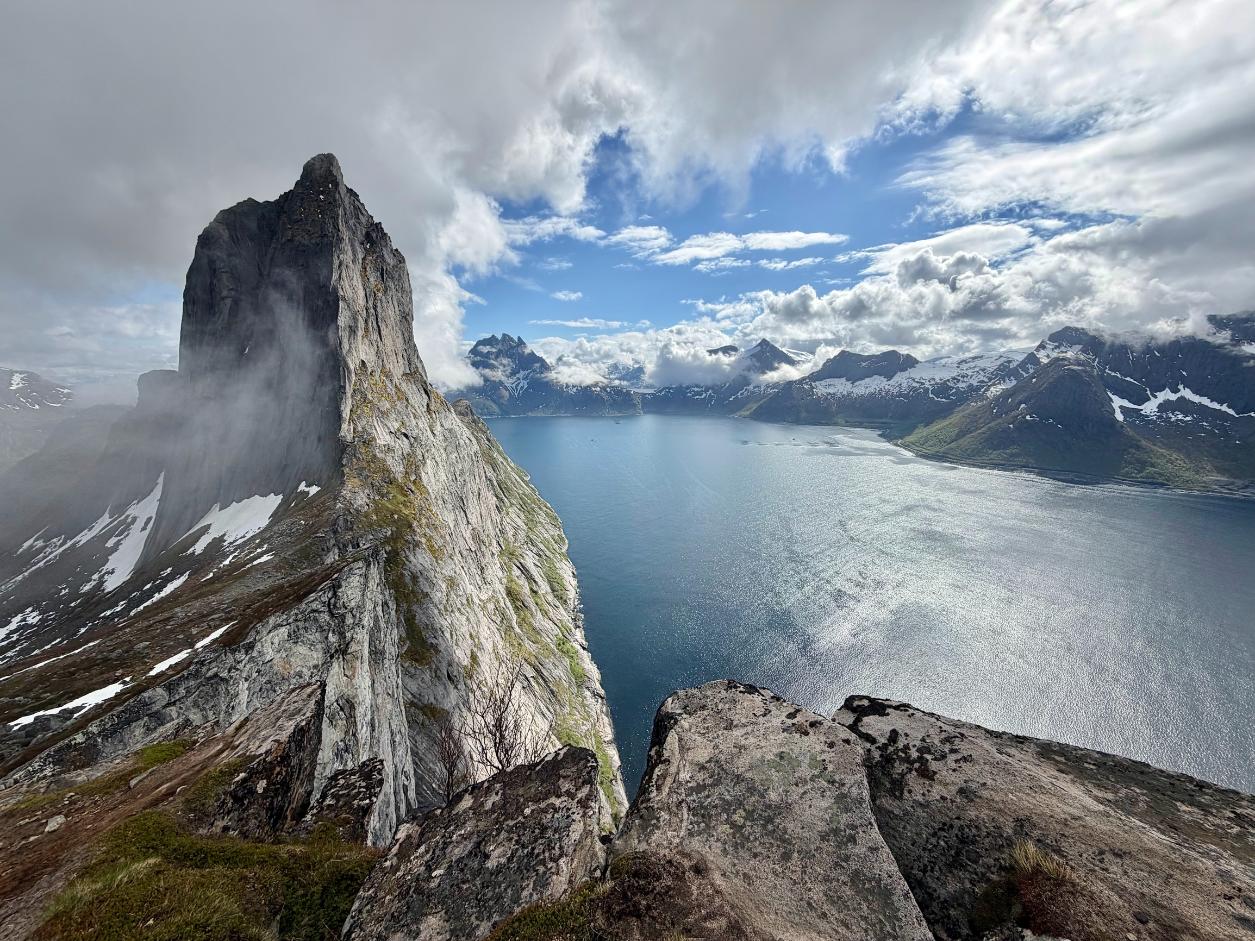
Key geographical features include the Okshornan peaks, often called the "Devil’s Teeth," and the iconic Segla mountain. Senja has become a preferred destination for specialized adventure tourism, including backcountry skiing and long-distance trekking. The island’s National Tourist Route features architectural viewpoints like the Tungeneset rest area, which uses sustainable materials to provide access to the rugged coastline without damaging the fragile tundra.
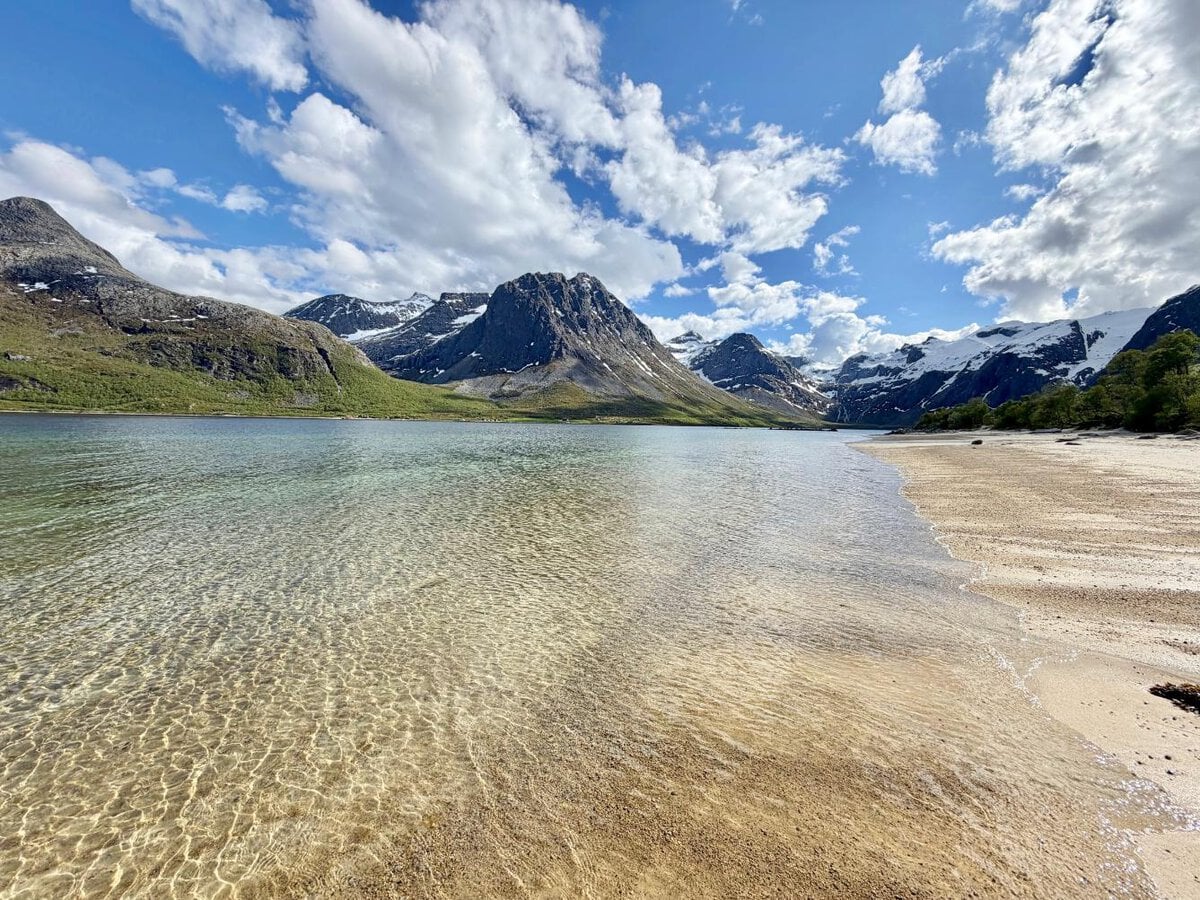
Tromsø: The Arctic Capital
Tromsø, with a population of approximately 77,000, is the largest urban area in Northern Norway. Despite its latitude (69°N), the city enjoys a subarctic maritime climate influenced by the North Atlantic Current (an extension of the Gulf Stream), keeping its harbor ice-free year-round.
The city is a center for Arctic research, housing the University of Tromsø (UiT) and the Norwegian Polar Institute. Culturally, the city is defined by the Arctic Cathedral, an architectural landmark intended to evoke the shapes of icebergs and sails. Tromsø serves as the primary hub for the "Northern Lights" industry, supporting a network of guides who utilize satellite data and meteorological tracking to locate clear skies across the Finnish and Swedish borders.
Alta and the History of Aurora Science
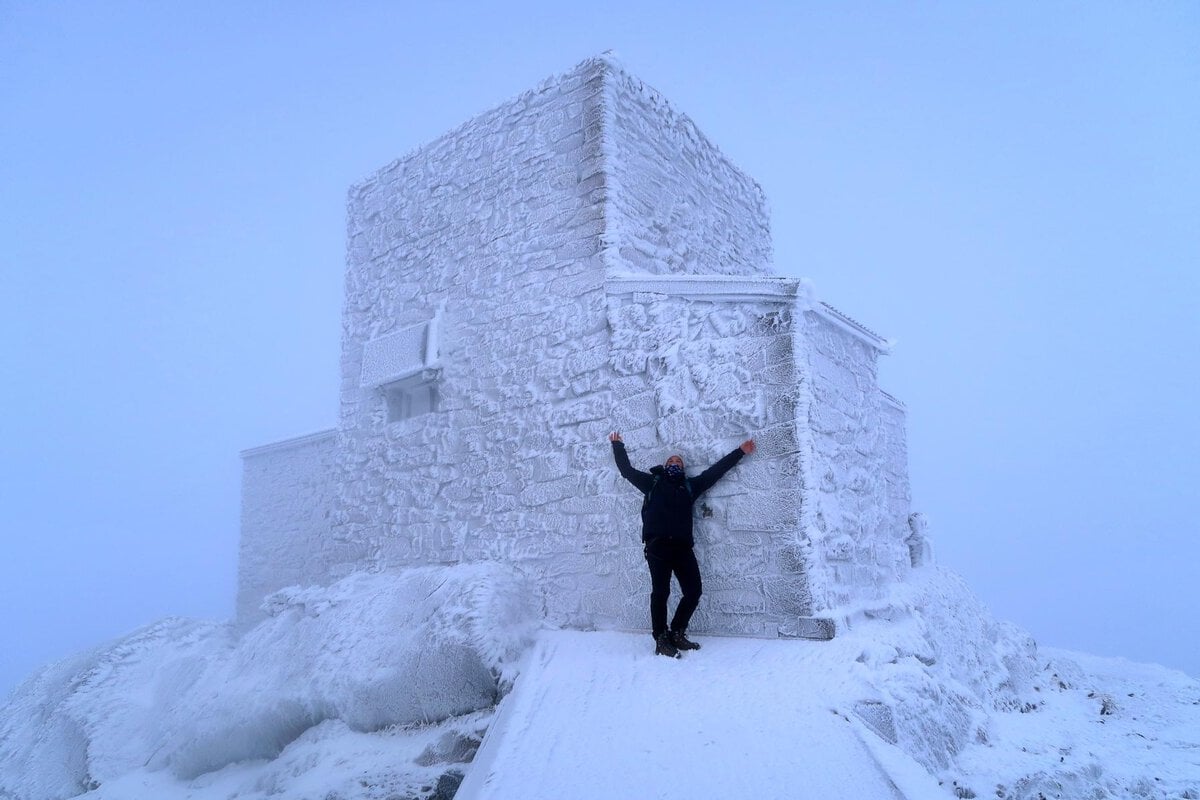
Alta, located in the county of Finnmark, is historically significant as the "City of the Northern Lights." It was here that the first permanent observatory for studying the Aurora Borealis was established on Mount Haldde in 1899 by physicist Kristian Birkeland. Birkeland’s research into the electromagnetic nature of the lights laid the groundwork for modern space weather science.
Alta is also home to a UNESCO World Heritage site: the rock carvings at Hjemmeluft. Dating from 4200 BC to 500 BC, these carvings provide archaeological evidence of prehistoric hunting-gathering societies in the Far North. Additionally, Alta is a focal point for the Finnmarksløpet, Europe’s longest dog-sled race, which spans over 1,200 kilometers across the Finnmarksvidda plateau.
Svalbard: The High Arctic Frontier
The Svalbard archipelago, situated halfway between mainland Norway and the North Pole, represents the extreme limit of human habitation. Governed by the Svalbard Treaty of 1920, the territory has a unique legal status that allows citizens of signatory nations to reside and work there without a visa, provided they can support themselves.
Longyearbyen and Environmental Change
Longyearbyen, the administrative center, was originally a coal-mining town but has transitioned into a hub for tourism and science. The town is home to the Svalbard Global Seed Vault, a "doomsday" facility designed to preserve the world’s crop diversity.
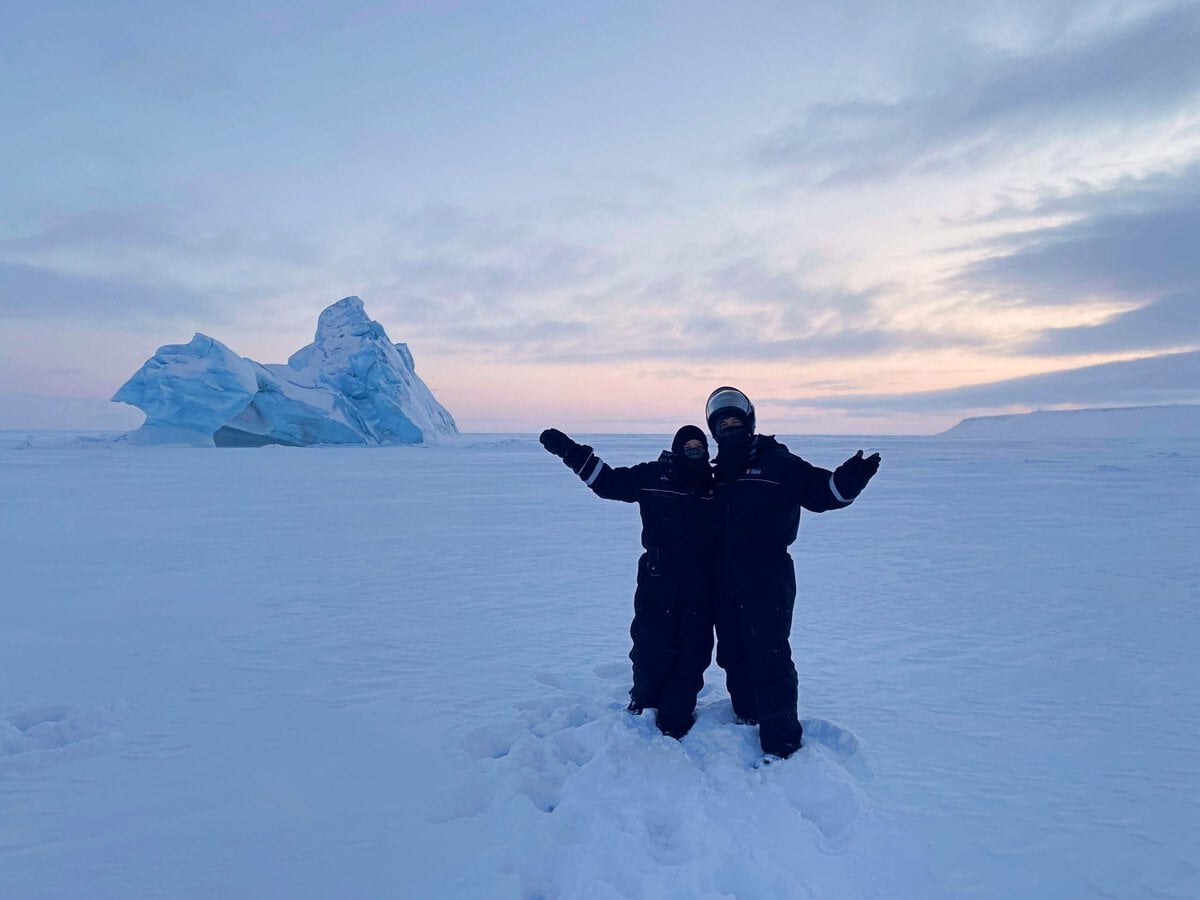
However, Svalbard is currently the fastest-warming place on Earth. "Arctic Amplification" has caused temperatures to rise at a rate four times higher than the global average, leading to retreating glaciers and thawing permafrost. This environmental shift has direct consequences for local wildlife, particularly polar bears (Ursus maritimus). On Svalbard, polar bears outnumber humans, and strict laws mandate that anyone traveling outside the settlement limits must carry a high-powered rifle and have the necessary training for bear protection.
Logistics and Seasonal Variability
Planning travel in Northern Norway requires an understanding of the extreme seasonal shifts:
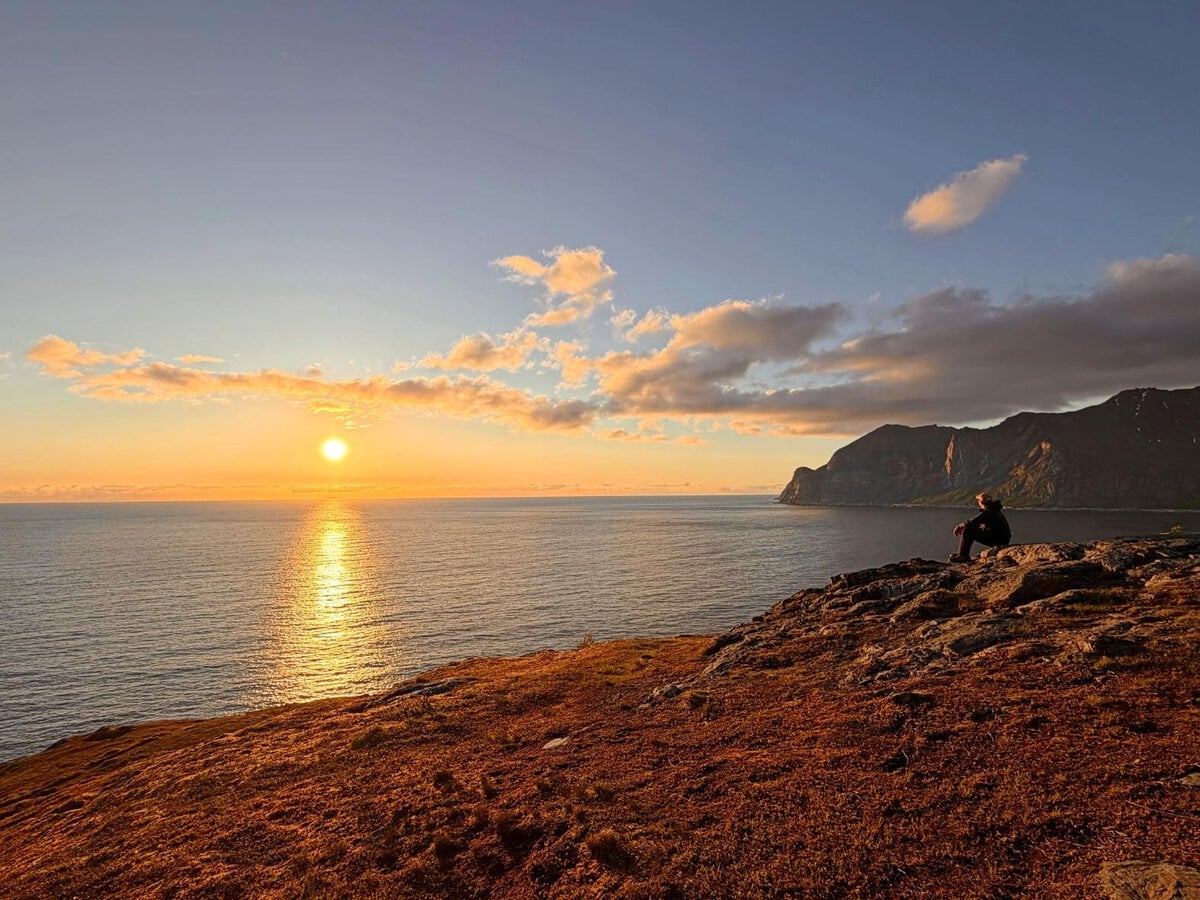
- The Midnight Sun: From late May to mid-July, the sun does not set north of the Arctic Circle, allowing for 24-hour outdoor activity but disrupting circadian rhythms for those unaccustomed to the light.
- The Polar Night: From late November to late January, the sun remains below the horizon. This period is characterized by "civil twilight"—a blue and purple light—and is the peak season for aurora viewing.
- Transport: Distances are immense. Driving from Bodø to Alta takes approximately 10 to 12 hours, excluding ferry crossings. Public transport is available via the Hurtigruten coastal ferry and regional buses, but a rental car is generally required for mountain access.
Economic and Environmental Implications
The shift from an extraction-based economy (fishing and mining) to a service-based economy (tourism) has brought both prosperity and challenges to Northern Norway. While tourism provides essential revenue for remote villages, the environmental footprint of cruise ships and rental vehicle traffic is a growing concern.
Regional authorities are increasingly focusing on "High Value, Low Impact" tourism. This includes investments in electric ferries, strict regulations on waste management in the fjords, and the promotion of shoulder-season travel to distribute the human load. For the global traveler, Northern Norway remains one of the world’s last true wildernesses, but its preservation depends on a rigorous commitment to safety, cultural respect, and environmental stewardship.